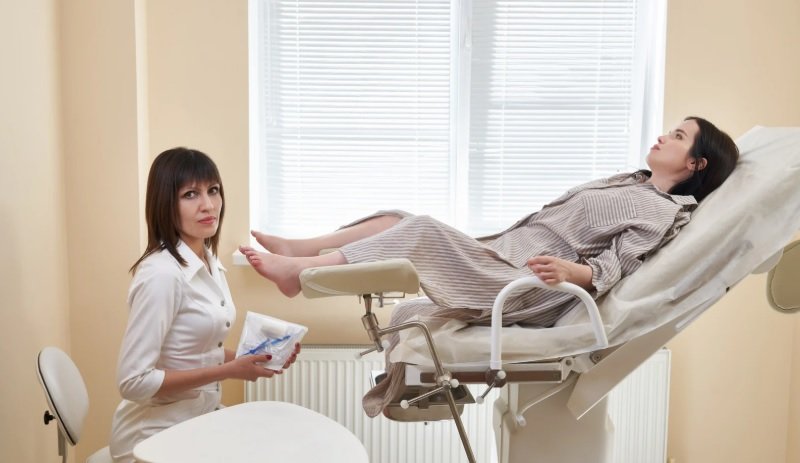
Can postpartum prolapse heal itself? That’s a question many new mothers quietly ask but rarely talk about. Is your body capable of bouncing back naturally after giving birth, or does it need medical help? Let’s dig into what really happens when pelvic organs shift after delivery.
Mild cases of postpartum prolapse can improve on their own, especially with early care and proper pelvic floor exercises. In more moderate to severe cases, physical therapy, pessaries, or even surgery may be needed. Experts like Dr. Brianna Battles, a specialist in postpartum rehabilitation, stress the importance of early intervention and awareness.
But that’s just the beginning of the story. There are levels of prolapse, treatment timelines, and recovery insights every mother should know. So, let’s explore how your body heals, what options work best, and when to seek expert guidance without delay.
Is it Normal to Have a Slight Prolapse After Giving Birth?
It is a common question among women in the postpartum period whether experiencing a slight prolapse after giving birth is normal. The truth is, some degree of pelvic floor relaxation and descent of pelvic organs can occur as a result of the immense pressure and changes endured during pregnancy and vaginal birth.
The pelvic floor, a group of muscles and tissues that support the pelvic organs, undergoes significant stretching and sometimes trauma. This can lead to a weakened pelvic floor, which in turn increases the risk of prolapse in women.
While a noticeable bulge or feeling of pressure might be concerning, it’s important to understand the various types of pelvic organ prolapse and their varying degrees of severity, as not all instances require immediate, intensive medical intervention.
Following childbirth, the pelvic floor muscles can be significantly weakened, leading to a temporary or even persistent state of pelvic floor dysfunction. This can manifest as a mild descent of one or more pelvic organs, such as the bladder (bladder prolapse or cystocele), the uterus (uterine prolapse), or the rectum.
Why Does Prolapse after Pregnancy Happen?
The occurrence of prolapse after pregnancy is primarily attributed to the profound physical changes and immense strain placed on the female body during gestation and childbirth.
Pregnancy itself imposes significant pressure on the pelvic floor, the hammock-like structure of muscles and tissues that support the pelvic organs. As the uterus expands to accommodate the growing fetus, the weight directly bears down on these crucial support structures.
Furthermore, hormonal changes during pregnancy, particularly the increase in relaxing, can lead to increased laxity in ligaments and connective tissues throughout the body, including those that provide pelvic organ support.
This generalized softening can diminish the integrity of the pelvic floor, making it more susceptible to descent of the pelvic organs. The combination of sustained pressure and tissue relaxation significantly contributes to the risk of prolapse in women during the postpartum period.
The act of giving birth, especially a vaginal birth, is another major risk factor for pelvic organ prolapse. During labor and delivery, the pelvic floor muscles undergo extreme stretching and often trauma as the baby passes through the birth canal.
This intense pressure can weaken the pelvic floor, sometimes causing tearing or overstretching of the muscles and the vaginal wall. Even in the absence of obvious injury, the sheer force can compromise the strength and integrity of the pelvic floor, leading to postpartum prolapse.
Can Postpartum Prolapse Heal Itself?
The question of whether postpartum prolapse can heal itself is nuanced and largely depends on the severity and type of prolapse experienced.
In many cases of mild prolapse, especially those with minimal prolapse symptoms, the body’s natural healing processes and a dedicated approach to pelvic floor muscle training can lead to significant improvement, if not complete resolution.
Immediately after giving birth, the pelvic floor is often swollen and traumatized, leading to temporary symptoms of pelvic organ prolapse.
As this initial swelling subsides and the tissues begin to recover, some women may find that their symptoms of prolapse diminish naturally. However, relying solely on spontaneous healing is often insufficient, particularly for more pronounced instances of pelvic organ descent.
How is Pelvic Organ Prolapse Treated After Birth?
The treatment of pelvic organ prolapse is highly individualized, depending on the severity of the prolapse, the specific pelvic organs involved, the woman’s age, overall health, and her lifestyle.
For mild cases of pelvic organ prolapse, particularly during the postpartum period, conservative management is often the first line of treatment.
This typically involves a comprehensive approach to pelvic health, focusing on strengthening the pelvic floor muscles. Pelvic floor exercises, often known as Kegel exercises, are crucial; these exercises help to improve pelvic floor strength and provide better pelvic organ support.
A pelvic floor physical therapist can offer invaluable guidance on proper technique and develop a tailored program for pelvic floor muscle training.
Additionally, lifestyle modifications such as avoiding heavy lifting, managing chronic constipation to reduce straining, and maintaining a healthy weight can significantly alleviate pressure on the weakened pelvic floor and prevent the worsening of prolapse symptoms.
Effective Pelvic Floor Muscle Training for Prolapse Prevention and Recovery
Pelvic floor muscles support the bladder, uterus, and bowel. These muscles form a hammock-like structure. When weakened, they can’t support organs properly. This leads to a condition called prolapse.
Pelvic organ prolapse occurs when one or more pelvic organs drop. They push against the wall of the vagina. Common causes include childbirth, aging, obesity, and heavy lifting. Symptoms often involve pressure, discomfort, and incontinence.
Why Pelvic Floor Exercises Matter
Strong pelvic muscles improve bladder control and organ support. They reduce prolapse symptoms and prevent worsening. Daily training strengthens the muscles over time.
Benefits of Pelvic Floor Muscle Training
- Reduces urinary leakage
- Eases pressure or bulging sensation
- Improves sexual function
- Prevents prolapse from worsening
- Enhances quality of life
These benefits are long-term with consistent effort.
How to Perform Kegel Exercises Properly
- Identify the right muscles. Try to stop urine mid-flow (only for identification).
- Empty your bladder before starting exercises.
- Tighten pelvic muscles for 5 seconds.
- Relax for 5 seconds.
- Repeat 10 times.
- Perform 3 sets per day.
Focus only on pelvic muscles. Don’t squeeze your thighs or hold your breath. Breathe normally.
Common Mistakes to Avoid:
Avoid overdoing exercises. More is not always better. Incorrect technique can strain other muscles. Never perform Kegels during urination long-term. It can lead to incomplete bladder emptying.
When to See a Specialist?
If symptoms persist, see a pelvic health physiotherapist. They guide you with tailored exercises. They also use biofeedback and other tools. Early intervention prevents surgery and complications.
Advanced Techniques and Tools
- Biofeedback devices help monitor muscle engagement.
- Electrical stimulation assists very weak muscles.
- Weighted vaginal cones add resistance training.
Use these only under professional guidance.
Pelvic Floor Training After Childbirth
After childbirth, many women experience weakness. Begin gentle exercises in the first few days. Build up gradually. Avoid high-impact activities until strength returns. Regular training restores tone and prevents future prolapse.
Lifestyle Tips to Support Training
- Maintain a healthy weight
- Avoid constipation
- Lift objects with proper technique
- Don’t smoke – coughing strains pelvic muscles
- Stay active with low-impact exercises
These habits protect your pelvic health long-term.
Remember: Consistency Is Key to Results
Pelvic floor training works best when done regularly. Set reminders. Track your progress. Improvement may take weeks, but results last a lifetime. Combine exercises with healthy habits for full benefit.
Commonly Asked Questions about Pelvic Floor and Core Cure (FAQs)
What are the symptoms of pelvic organ prolapse?
Pelvic organ prolapse symptoms include vaginal heaviness, tissue bulging, or urinary leaks. Severe prolapse symptoms may cause pain, constipation, or difficulty walking—see a doctor if these persist.
What is postpartum prolapse?
Postpartum prolapse refers to a condition where pelvic organs, such as the bladder, uterus, or rectum, descend into the vagina due to weakened pelvic floor muscles after childbirth. This can lead to various symptoms and may affect a woman’s postpartum recovery.
Can postpartum prolapse heal itself?
In some cases, postpartum prolapse can heal itself as the body recovers from childbirth. The support for the pelvic organs may improve as the pelvic floor muscles regain strength. However, this is not guaranteed, and some women may require interventions to treat prolapse.
What are the common types of prolapse?
The common types of pelvic organ prolapse include anterior compartment prolapse (bladder prolapse), posterior compartment prolapse (rectal prolapse), and central compartment prolapse (uterine prolapse). Each type presents unique symptoms and may require different approaches in treatment.
What symptoms are associated with pelvic prolapse?
Symptoms of pelvic prolapse may include a feeling of heaviness or pressure in the pelvic region, vaginal bulging, urinary incontinence, pelvic pain, and difficulties with bowel movements. These symptoms can vary depending on the severity of the prolapse and the type involved.
How can I treat prolapse effectively?
Treating prolapse effectively may involve pelvic health physio, pelvic floor exercises to strengthen weakened pelvic floor muscles, or in some cases, surgery for pelvic organ prolapse. It’s important to consult a healthcare provider for personalized recommendations based on the severity and type of prolapse.
What role does pelvic floor function play in prolapse?
The function of the pelvic floor is crucial in supporting the pelvic organs. Weak pelvic floor muscles can lead to the development of pelvic organ prolapse. Strengthening these muscles through targeted exercises can help prevent and manage symptoms associated with prolapse.
What are the risk factors for developing pelvic floor disorders?
Risk factors for pelvic floor disorders include pregnancy and childbirth, obesity, aging, chronic coughing, and heavy lifting. Understanding these factors can help women take proactive measures to support their pelvic health and prevent prolapse.
Can pelvic floor muscle exercises help with prolapse symptoms?
Research suggests that pelvic floor muscle exercises can significantly improve over time and prevent further progression of prolapse. Strengthening the core and pelvic floor can enhance support for the pelvic organs and alleviate discomfort.
Conclusion
In conclusion, while mild postpartum prolapse may show some degree of natural improvement as the body recovers from a vaginal birth, relying solely on spontaneous healing is often insufficient for comprehensive prolapse recovery. The severity and types of prolapse, along with the individual’s dedication to pelvic health, play a significant role in the outcome.
A weakened pelvic floor is a primary risk factor for pelvic organ prolapse, and proactive measures, particularly pelvic floor muscle training, are crucial for supporting the pelvic organ prolapse and alleviating prolapse symptoms. Understanding the underlying mechanisms of why prolapse happens after pregnancy, such as the immense pressure during gestation and the trauma to the pelvic floor during childbirth, highlights the need for targeted intervention. For many women experiencing postpartum prolapse, a conservative treatment option involving consistent pelvic floor exercises, guided by a pelvic floor physical therapist, is the most effective path to improving pelvic floor strength and overall pelvic floor health.
Lifestyle modifications, such as managing constipation and avoiding heavy lifting, further reduce strain on the pelvic organs and support the healing process. While severe cases of pelvic organ prolapse pop, including significant bladder prolapse or uterine prolapse, might necessitate medical interventions like pessaries or, in some instances, prolapse surgery, the initial focus for postpartum prolapse is almost always on strengthening the pelvic floor and promoting natural healing.
Recommended posts
- Can a Prolapse Be a Sign of Cancer? (Signs Shouldn’t Ignore)
- Is Yellow Discharge Postpartum Normal Recovery or Red Flag?
- When to Start Return to Running Postpartum Safely?
- Understanding Fetal Labor and Delivery Stations From -5 to +5