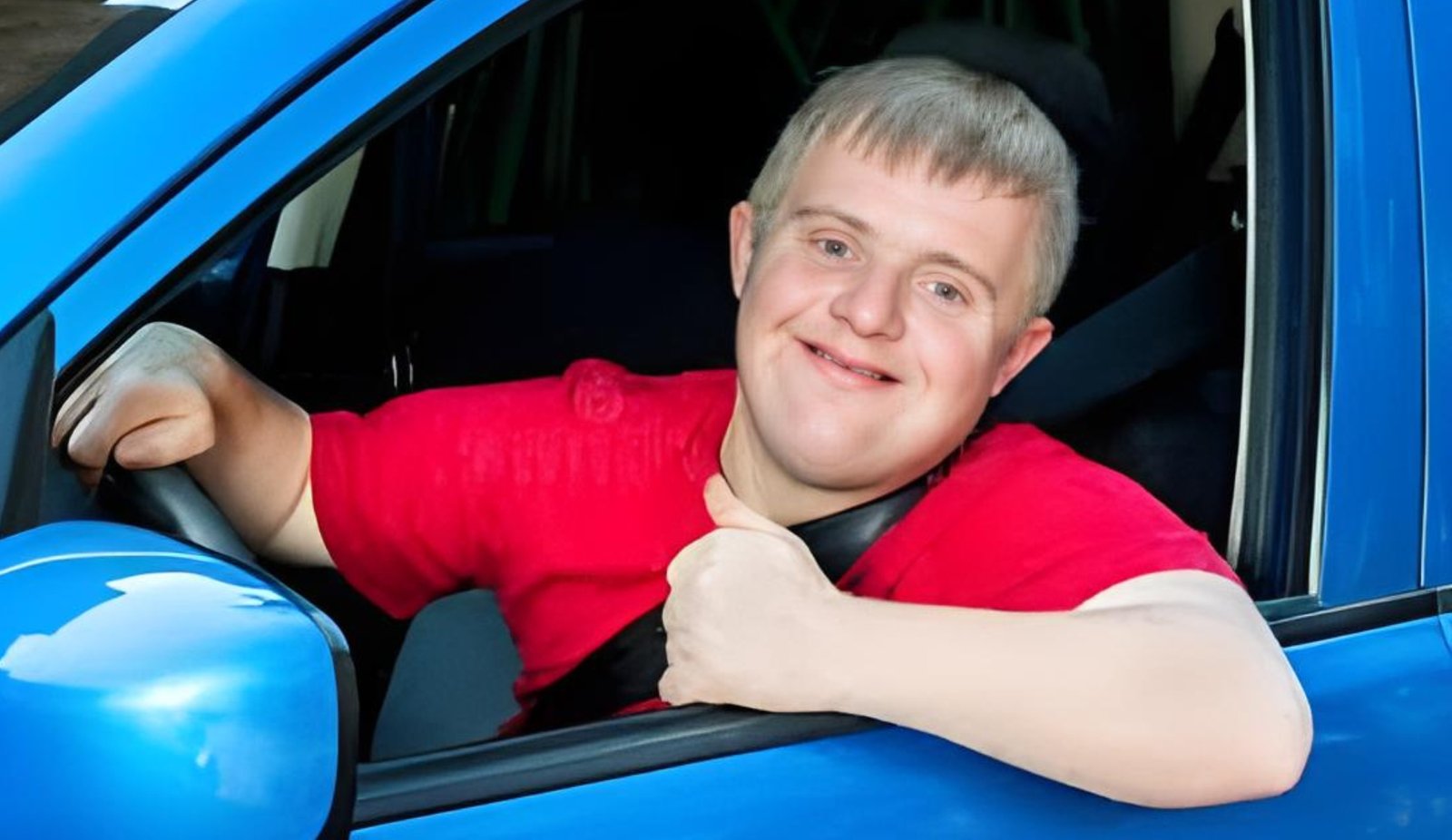
Can people with Down syndrome drive a car? That’s a question many families and individuals have when thinking about independence and mobility. Is a driver’s license possible for someone with an intellectual disability? Let’s dive into what the law, experts, and real-life experiences have to say.
People with Down syndrome are able to drive if they meet the legal and medical requirements like anyone else. The ability depends on individual capabilities, vision, motor skills, and passing both written and road tests. Dr. Brian Skotko from Massachusetts General Hospital highlights that many individuals with Down syndrome are fully capable drivers with proper training and support.
But that’s just the beginning—there’s much more you should know. Are there programs that help? What about success stories? Stick around as we explore real-life examples, expert advice, and what it truly takes for A person with down syndrome to hit the road confidently and legally.
Can People with Down Syndrome Drive a Car?
Can down’s syndrome drive? Yes, individuals with Down Syndrome can drive a car, provided they meet the necessary requirements and demonstrate the skills needed to operate a vehicle safely.
The ability to drive is influenced by various factors, including cognitive skills, motor skills, and personal motivation. Many individuals with Down Syndrome have successfully learned to drive and manage the responsibilities that come with it.
Driving is not just about physical capability; it also requires a good understanding of road rules, awareness of one’s surroundings, and decision-making skills. Each individual is unique, and their ability to drive may vary. It is essential to assess these skills on a case-by-case basis, making sure that potential drivers receive the appropriate training and support.
Myths Surrounding Driving and Down Syndrome
Several myths exist regarding driving and individuals with Down Syndrome. One common misconception is that all individuals with Down Syndrome lack the cognitive ability to understand traffic rules or respond adequately in emergencies. However, many individuals with Down Syndrome can learn these skills with the right training and support.
Another myth is that people with Down Syndrome are more likely to be involved in accidents. While driving skills can vary, studies show that individuals with Down Syndrome can be safe drivers when adequately trained. It is crucial to focus on individual capabilities rather than generalize based on a diagnosis.
How An Individual With Special Needs May Obtain A Driver’s License
The process for obtaining a driver’s license can vary by state or country, but generally, it follows several key steps:
- Assessment of Readiness: The first step is to evaluate whether the individual is ready to learn to drive. This assessment can include cognitive evaluations, motor skill tests, and discussions with parents or guardians.
- Driver Education Programs: Many regions offer specialized driver education programs designed for individuals with special needs. These programs focus on teaching essential driving skills and can provide a supportive learning environment.
- Practice Driving: After completing a driver education program, the individual should engage in supervised practice driving. This practice is crucial for building confidence and skill behind the wheel.
- Written and Practical Exams: Once the individual feels ready, they will need to take the written and practical driving tests required by their local Department of Motor Vehicles (DMV) or licensing authority.
- Obtaining the License: If the individual passes both exams, they will be issued a driver license. Some regions may have specific restrictions or requirements for individuals with special needs, such as driving only with a licensed adult for a certain period.
Support Systems in the Driving Process
Support from family, friends, and professionals plays a significant role in helping individuals with Down Syndrome navigate the driving process. Support can include:
- Encouragement: Positive reinforcement helps build confidence.
- Training: Professional driving instructors who specialize in teaching individuals with special needs can provide valuable guidance.
- Practice: Regular practice with a trusted adult can reinforce skills and improve safety.
Legal Guardianships Can Affect Driver’s Licenses
Legal guardianships can significantly impact an individual’s ability to obtain a driver’s license. In cases where an individual with Down Syndrome has a legal guardian, the guardian may have the authority to make decisions about whether the individual is permitted to drive.
Understanding Legal Guardianships
Legal guardianships are established to protect individuals who may not be able to make decisions for themselves due to cognitive or developmental disabilities. Guardians are responsible for making important life decisions, which can include:
- Medical Decisions: Guardians often make healthcare decisions for the individual.
- Financial Decisions: Guardians may handle financial matters, including budgeting for driving-related expenses.
- Educational Decisions: Guardians often make decisions regarding educational opportunities, including driver education.
The Impact on Driving
When it comes to driving, guardians must consider the individual’s readiness and safety. Some guardians may have concerns about their ward’s ability to drive safely, leading them to oppose driving altogether. It’s important for guardians to balance their protective instincts with the individual’s desire for independence.
In some cases, guardians may support the individual in obtaining a license, provided they demonstrate the necessary skills and understanding of driving responsibilities. Open communication between guardians and the individual is essential for navigating this process.
Commonly Asked Questions about Down Syndrome and Driving (FAQs)
Can adults with Down Syndrome get a driver’s license?
Can someone with down’s syndrome drive? Yes, many adults with Down Syndrome may be able to get a driver’s license. The process often involves passing a written test and a driving evaluation to ensure they meet the necessary skills to drive safely.
What are the rules of the road for people with Down Syndrome?
The rules of the road apply to everyone, including people with Down Syndrome. They must be familiar with traffic laws, signals, and safe driving practices to ensure they can drive safely and responsibly.
Are there specialized education programs for driving with Down Syndrome?
Yes, there are specialized driver’s education programs designed to help individuals with Down Syndrome learn the skills necessary to drive. These programs focus on their unique needs and abilities, ensuring they can navigate the roads safely.
What is involved in a driving evaluation for people with Down Syndrome?
A driving evaluation typically involves assessing the individual’s driving skills, reaction time, and understanding of traffic laws. This evaluation helps determine if they are ready to drive independently.
Can people with Down Syndrome retake the driving tests if they don’t pass?
Yes, if individuals with Down Syndrome do not pass the tests of driving, they can retake them. It’s important for them to practice and prepare adequately to improve their chances of passing.
What common myths exist about people with Down Syndrome and driving?
Common myths include the belief that people with Down Syndrome cannot drive at all, or that they are not capable of living independently. However, many people with Down Syndrome can drive and live fulfilling, independent lives.
How can guardianship affect the ability to drive for individuals with Down Syndrome?
Guardianship can influence whether an individual with Down Syndrome can drive. If a guardian believes the person is not ready or capable of driving, they may restrict their ability to get a driver’s license. Open communication and evaluations can help address these concerns.
What is the importance of driver’s education for people with Down Syndrome?
Driver’s education is crucial for people with Down Syndrome as it provides them with the knowledge and skills necessary to drive safely. These classes can help them understand the rules of the road and how to handle various driving situations.
Can people with Mosaic Down Syndrome drive?
Yes, individuals with Mosaic Down Syndrome may also be able to drive, depending on their individual capabilities and skills. Each case should be assessed on its own merits, taking into account their driving abilities and understanding of road rules.
Conclusion
How can down’s syndrome drive? In conclusion, the question of whether can people with Down Syndrome drive a car is nuanced and depends on individual capabilities, support systems, and legal considerations. While myths may persist, many individuals with Down Syndrome can successfully learn to drive and enjoy the independence that comes with it.
The road to obtaining a driver’s license involves assessment, education, practice, and support from family and professionals. Legal guardianships can influence this process, highlighting the importance of communication and understanding between guardians and those they support.
As awareness grows and resources improve, more individuals with Down Syndrome are finding the opportunity to drive, demonstrating that with the right tools and encouragement, they can achieve this important milestone.
Recommended posts
- Down Syndrome vs Autism Spectrum Disorder (Clear Comparison)
- Why Doctors Look at Palm Crease in Down Syndrome Diagnosis?
- Why Down Syndrome Tongue Out (It’s Not What You Think)
- Best Physical Therapy Treatment for Down Syndrome
- Why Down Syndrome with Glasses Is Common: Eye Care Guide