Can ovarian cyst cause infertility? This question worries many women, especially those planning to conceive. Are all ovarian cysts dangerous for your fertility, or are some harmless? Let’s explore how these fluid-filled sacs can impact your chances of becoming a mother.
Some ovarian cysts, like endometriomas or those caused by polycystic ovary syndrome (PCOS), can interfere with fertility. Others, like functional cysts, usually go away without causing harm. This article breaks down the types, symptoms, risks, and expert advice on when to seek medical help.
But that’s just the surface. What did Dr. Mary Ellen Pavone, a renowned fertility specialist at Northwestern Medicine, say about managing fertility with ovarian cysts? Get the facts, the risks, and the real expert-backed solutions in our full breakdown. Let’s dive right in!
Is there a Link Between Ovarian Cysts and Infertility?
Many women ask if there is a connection between ovarian cysts and infertility. While not all ovarian cysts cause infertility, certain types can indeed affect fertility. For instance, functional cysts, which are related to the menstrual cycle, typically do not hinder the chances of getting pregnant.
On the other hand, PCOS is a condition involve numerous small cysts on the ovaries and are known to significantly impact fertility. Therefore, while some cysts are harmless, it is crucial to monitor the type and size of ovarian cysts, as they may play a role in fertility issues.
The connection between ovarian cyst and pregnancy generally depends on the type of cyst present. Functional cysts, such as follicular cysts and corpus luteum cysts, usually do not affect a woman’s ability to conceive.
In contrast, women with PCOS often experience hormonal imbalances that can disrupt ovulation and, ultimately, their chances of becoming pregnant. Thus, understanding the type of ovarian cyst is fundamental in assessing its potential impact on fertility.
Can Ovarian Cyst Cause Infertility?
Can ovarian cysts cause infertility? Ovarian cysts can cause infertility, depending on the type and how they affect reproductive function. The main cysts linked to fertility issues are endometriomas (from endometriosis) and polycystic ovary syndrome (PCOS).
Endometriomas can damage ovarian tissue or cause scarring that blocks the fallopian tubes, while PCOS often prevents ovulation due to hormonal imbalances. Large or multiple cysts may also interfere with ovulation or require surgery, which could reduce egg supply. Functional cysts (like follicular or corpus luteum cysts) and simple cysts usually don’t affect fertility unless they grow very large.
If you have trouble conceiving, especially with painful periods, irregular cycles, or known conditions like endometriosis or PCOS, seeing a doctor for an ultrasound or hormonal tests can help. Treatments may include medication, surgery, or fertility procedures like IVF, depending on the cyst type and severity.
How Do Ovarian Cysts Affect your Fertility?
Can you still conceive with ovarian cysts? Ovarian cysts affect fertility primarily by disrupting the normal hormonal balance necessary for ovulation. When cysts form on the ovaries, they can interfere with the release of eggs, which is a key step in the menstrual cycle.
This disruption can lead to irregular periods and anovulation, which can significantly lower the chances of getting pregnant.
Moreover, certain types of cysts, such as those associated with PCOS, can lead to more widespread hormonal imbalances, further complicating fertility.
Symptoms of Ovarian Cysts:
Ovarian cysts often do not cause noticeable symptoms, especially when they are small or functional (related to the menstrual cycle). However, when symptoms do occur, they can range from mild to severe, depending on the type, size, and whether complications like rupture or torsion occur.
Common Symptoms of Ovarian Cysts
- Pelvic Pain
- Dull or sharp pain on one side of the lower abdomen
- May come and go or be constant
- Often noticed during ovulation or menstruation
- Bloating or Abdominal Fullness
- A feeling of pressure or heaviness in the abdomen
- Swelling or visible distension in some cases
- Menstrual Irregularities
- Heavy, light, or irregular periods
- Spotting between periods
- Pain During Intercourse
- Particularly deep pelvic pain during or after sex
- Pain During Bowel Movements or Urination
- Caused by pressure from larger cysts on nearby organs
- Nausea or Vomiting
- Especially if the cyst is causing significant pain or has ruptured
- Breast Tenderness
- Hormonal changes related to some cysts can mimic PMS symptoms
- Difficulty Emptying the Bladder or Feeling Full Quickly
- Pressure on the bladder or bowel due to a large cyst
Serious Symptoms (Seek Immediate Medical Help)
These may indicate a ruptured cyst or ovarian torsion (twisting of the ovary), both of which are medical emergencies:
- Sudden, severe abdominal or pelvic pain
- Fever
- Dizziness or fainting
- Rapid breathing
- Cold, clammy skin
- Vomiting not related to illness
Polycystic Ovaries and PCOS: A Different Condition
Conditions such as Polycystic ovary syndrome (PCOS) characterized by multiple small cysts on the ovaries and is a common cause of infertility. Unlike typical ovarian cysts, PCOS is associated with hormonal imbalances that affect ovulation and fertility.
Women with PCOS often experience irregular menstrual cycles and may have difficulty getting pregnant due to lack of ovulation. This condition can also lead to other symptoms like weight gain, acne, and excessive hair growth, further complicating reproductive health.
How to Conceive with Ovarian Cysts?
To conceive with ovarian cysts, it’s essential to understand their nature. The vast majority of ovarian cysts are harmless and typically don’t impact fertility. However, some common types of ovarian cysts, such as chocolate cysts, can cause fertility problems if they grow large or cause abdominal pain.
While cysts develop on the ovaries, they usually don’t cause any symptoms and are often discovered during routine examinations. If diagnosed with ovarian cysts, consulting a fertility doctor is crucial, as they can assess ovarian function and determine if surgical removal may be necessary.
Preventing ovarian cysts can also help improve your chances of pregnancy. Maintaining a healthy lifestyle, managing stress, and regular monitoring can assist in preventing ovarian cysts.
Although many small cysts typically don’t affect fertility, larger ones may cause ovarian torsion or other complications. Therefore, understanding your body and seeking medical advice is vital for those trying to conceive.
Types of Ovarian Cysts – Understanding ovarian cysts
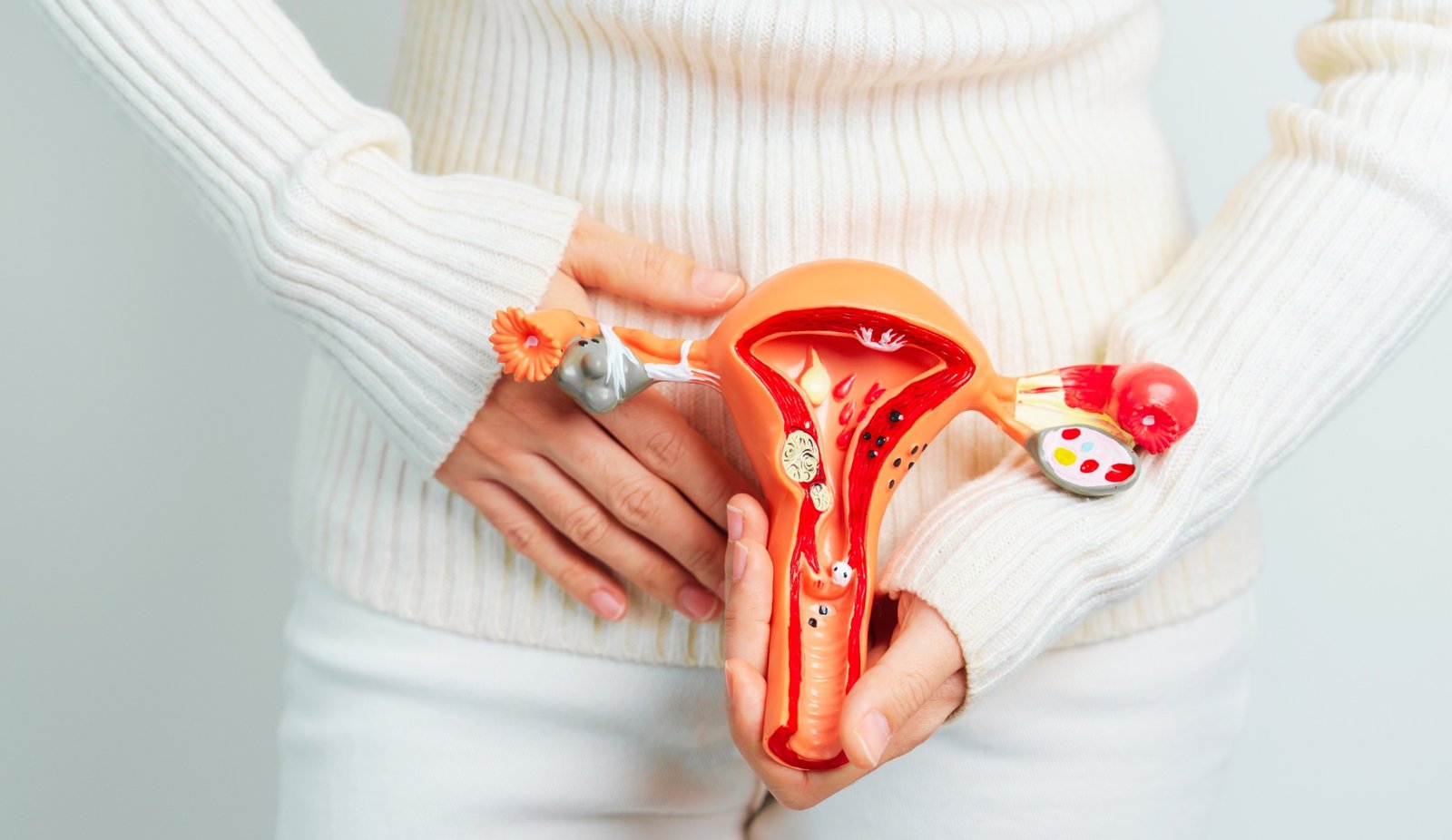
Ovarian cysts are fluid-filled sacs or pockets that develop on or inside an ovary. They are quite common, especially during the reproductive years, and most are harmless and resolve on their own. However, some cysts may cause symptoms or require treatment. Here are the main types of ovarian cysts:
1. Functional Cysts
These are the most common and are related to the menstrual cycle. They usually go away on their own within a few weeks or months.
- Follicular Cyst
- Forms when a follicle doesn’t release an egg and continues to grow.
- Often causes no symptoms and resolves spontaneously.
- Corpus Luteum Cyst
- Occurs when the follicle releases the egg but the opening seals and fluid accumulates.
- May cause pelvic pain or bleeding in some cases.
2. Pathological Cysts
These develop from abnormal cell growth rather than the menstrual cycle. They may be benign or, rarely, cancerous.
- Dermoid Cyst (Mature Cystic Teratoma)
- Contains various types of tissues (hair, skin, fat).
- Usually benign but can become large and may require removal.
- Cystadenoma
- Develops from ovarian tissue and may be filled with watery or mucous fluid.
- Can grow large and cause discomfort.
- Endometrioma
- Caused by endometriosis, where endometrial tissue grows in the ovaries.
- Often filled with dark, old blood (sometimes called “chocolate cysts”).
- May affect fertility and cause pelvic pain.
3. Polycystic Ovaries
- Found in people with Polycystic Ovary Syndrome (PCOS).
- The ovaries house numerous tiny, undeveloped follicles that are frequently confused with cysts.
- Associated with hormonal imbalance and irregular periods.
4. Hemorrhagic Cyst
- A functional cyst that bleeds into itself.
- Can cause sudden abdominal or pelvic pain.
- Usually resolves on its own but may require monitoring.
5. Paraovarian Cyst
- Forms near the ovary but not on it (in the tissue adjacent to the fallopian tube).
- Usually benign and asymptomatic unless large.
When to See a Doctor
Seek medical attention if you experience:
- Persistent pelvic pain
- Bloating or abdominal swelling
- Pain during intercourse or bowel movements
- Irregular menstrual cycles
- Sudden, severe pain (may indicate rupture or torsion)
Most ovarian cysts are benign and resolve naturally. However, some types can lead to complications such as rupture, ovarian torsion, or fertility issues. Regular pelvic exams and imaging (like ultrasounds) can help monitor and manage cysts effectively.
Commonly Asked Questions about Connection Between Ovarian Cysts (FAQs)
Do Ovarian Cysts Affect My Chances of Becoming Pregnant?
ovarian cysts can affect pregnancy chances, especially with PCOS (polycystic ovarian syndrome) or endometriosis. Some cysts disrupt ovulation or damage ovaries. Timely treatment improves fertility. Consult a specialist.
How soon after ovarian cyst removal can I get pregnant?
You can try to conceive 1-3 months after ovarian cyst removal, depending on healing. Discuss treatment options with your doctor to optimize fertility timing and ensure a healthy pregnancy.
What are the chances of getting pregnant with an ovarian cyst?
Chances vary—functional cysts often don’t affect fertility, while PCOS or endometriosis-related cysts may lower odds. Consult a doctor for personalized advice on conception with ovarian cysts.
How do cysts impact fertility?
Cysts can impact fertility by disrupting hormone levels, causing irregular menstrual cycles, or affecting ovulation. Certain types, like endometriomas, can lead to pelvic pain and complications in conception.
What types of ovarian cysts are there?
There are several types of ovarian cysts, including functional cysts, dermoid cysts, and chocolate cysts. Chocolate cysts, in particular, can form as part of endometriosis and may require surgical removal if they grow large.
How are ovarian cysts diagnosed?
Ovarian cysts are often diagnosed through ultrasound, which allows doctors to visualize the cysts on the ovary and assess their size and characteristics.
Do all ovarian cysts require treatment?
Not all ovarian cysts require treatment. Many cysts are harmless and resolve on their own. However, if a cyst is large or causes pain, treatment may be necessary, which could include monitoring or surgical removal.
Can ovarian cysts adversely affect my chances of conceiving?
Yes, if the cysts are associated with conditions that impair ovulation or if they cause complications, they may adversely affect your chances of conceiving. It’s important to discuss any fertility concerns with your healthcare provider.
Conclusion
Can a cyst on ovary cause infertility? In conclusion, while not all ovarian cysts cause infertility, certain types can significantly impact a woman’s ability to conceive. The relationship between ovarian cysts and infertility is complex, influenced by factors such as the type of cyst, hormonal balance, and overall reproductive health. Women experiencing symptoms of ovarian cysts or difficulties in getting pregnant should consult with healthcare professionals to explore their options. Understanding the nature of ovarian cysts, including PCOS and their various types, is essential for effective management and improving fertility prospects. With appropriate treatment and monitoring, many women can enhance their chances of becoming pregnant despite the presence of ovarian cysts.
Recommended posts
- How to Get Pregnant Easy with PCOS? (Tips That Actually Work)
- Maximum Delay Periods If Not Pregnant (Here’s What to Do)
- What Is a DPO in Pregnancy and Why Early Detection Matters
- Can I Purchase Infertility Insurance: 5 Ways to Get Covered