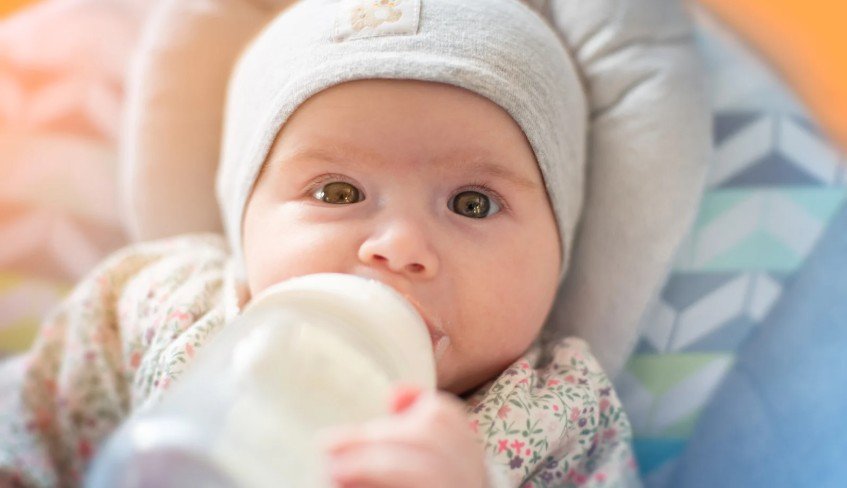
Can newborns drink cold formula? That’s a question many new parents find themselves asking during those late-night feedings. Does the temperature of the formula really matter, or is it just a myth passed down through generations? If you’ve been warming every single bottle, you might be surprised by the answer.
Newborns can drink cold formula. While many parents choose to warm it for comfort, there’s no medical rule that says formula must be warm. Pediatricians, including Dr. Tanya Altmann, confirm that it’s perfectly safe—as long as the formula is properly mixed and stored.
But there’s more to consider, like your baby’s preference and how cold formula may affect digestion. Some babies reject cold bottles, while others don’t mind at all. So, let’s explore what science and real-life experience say about feeding your newborn cold formula. Ready to discover the facts that matter? Let’s dive in!
Can Newborns Drink Cold Formula Milk Safely?
Yes, newborns can drink cold formula milk safely, but it’s important to consider a few factors. While babies can drink cold formula, many infants prefer warm formula, as it mimics the temperature of breast milk. If you’re serving cold formula, ensure that it is well-prepared and stored properly.
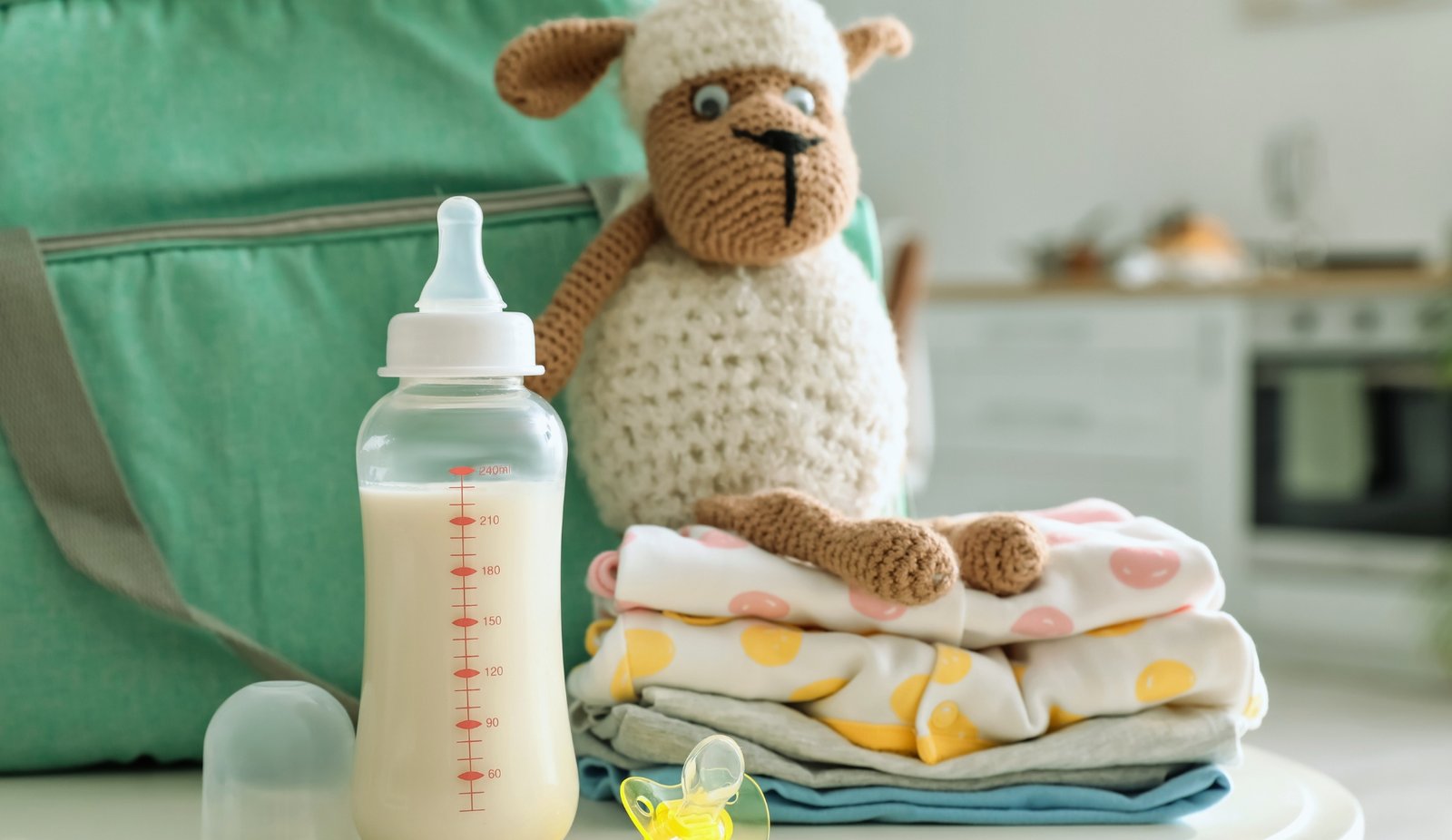
Cold formula should be refrigerated after preparation and can be served directly from the fridge. However, some parents choose to warm up the formula, as warm milk can be more comforting for infants and help with digestion. Ultimately, the decision lies with the parents and their baby’s preferences.
Furthermore, experts suggest that while cold formula is safe, it’s essential to monitor your baby’s reaction. If you notice that your baby seems uncomfortable or refuses to drink cold formula, consider warming it slightly.
The goal is to create a soothing feeding experience, and understanding your baby’s needs is key. Always ensure that you prepare your baby’s formula milk correctly and follow safety guidelines to minimize the risk of any gastrointestinal upset.
When Can Babies Drink Cold Formula?
When can infant drink cold formula? Babies can generally drink cold formula after they reach a few weeks old, but it’s crucial to assess their individual readiness. While newborns can technically have cold formula, many pediatricians recommend introducing it gradually.
At around 1 to 2 months, some babies may start to accept cold formula, but it’s vital to observe how they react. If your baby is accustomed to warm milk, transitioning to cold formula may require time and patience. Always remember that every baby is unique, and their preferences may vary.
In addition, introducing cold formula can also depend on the season and climate. For instance, during warmer months, babies may be more receptive to cold formula as it can be refreshing.
On the other hand, during colder months, they may prefer warm formula. Parents should be flexible and responsive to their baby’s cues when determining if and when to serve cold formula. This gradual approach can make the transition smoother for both parents and babies alike.
What Happens if You Give Your Baby Cold Formula?
If you give your baby cold formula, it is unlikely to cause any serious issues. Most babies can drink cold formula without any adverse effects. However, some babies may experience mild discomfort or a few gas-related issues, especially if they are not accustomed to it.
Cold formula can cause a temporary stomach upset in some infants, which might lead to fussiness or crying. It’s crucial to monitor your baby after feeding to see how they respond to cold formula.
Additionally, if your baby exhibits signs of discomfort after drinking cold formula, it may indicate a preference for warmer milk. In such cases, consider adjusting the temperature of the infant formula to suit your baby’s liking.
Always prioritize the feeding experience and be attentive to your baby’s cues. If your baby continues to show signs of discomfort after drinking cold formula, consult your pediatrician for further advice.
Potential Drawbacks of Cold Milk: The Truth About Cold Milk for Your Little One
While cold formula is generally safe for babies, there are potential drawbacks that parents should consider. One significant concern is that cold milk may not be as soothing or comforting for some babies, particularly those who are accustomed to warmer milk.
This discomfort may lead to fussiness during feeding and can result in a less enjoyable experience for both the parent and the baby. Moreover, cold formula might take longer to digest than warm formula, especially if the baby is still adjusting to the temperature difference.
Furthermore, serving cold milk may impact your baby’s feeding routine. If your baby prefers warm formula, introducing cold milk could disrupt their usual feeding patterns, leading to potential feeding aversions.
It’s essential to pay attention to your baby’s cues and preferences when determining whether to serve cold or warm formula. The key is to create a positive feeding environment that promotes comfort and satisfaction, ensuring that your baby is well-fed and content.
Cold Formula vs. Warm Formula: What Temp Should the Baby Bottle Be?
The temperature of a baby bottle is crucial when considering whether to serve cold or warm formula. Warm formula is often preferred by many infants because it closely resembles breast milk in temperature.
The ideal temperature for formula is typically body temperature, which is around 98.6°F (37°C). This warmth can help soothe a baby and promote relaxation during feeding. Cold formula, on the other hand, is best served at a temperature that is still safe but may not provide the same comfort as warm formula.
When deciding on the temperature of your baby’s bottle, consider your baby’s preferences and reactions. If your baby enjoys warm formula, it might be best to stick with that option to ensure they are comfortable.
However, if your baby shows no preference for temperature, serving cold formula as an alternative can be perfectly acceptable. Ultimately, it’s about finding a balance that works for both you and your baby, ensuring that feeding times remain pleasant and stress-free.
Tips for Safely Serving Cold Formula to Your Baby
When serving cold formula to your baby, there are several tips to ensure safety and comfort. Here are some helpful tips for safely serving cold formula to your baby:
1. Check with Your Pediatrician First
While many babies tolerate cold infant formula just fine, it’s always a good idea to ask your pediatrician if it’s okay for your baby—especially if they have digestive sensitivities or were born prematurely.
2. Use Clean, Sterile Equipment
Make sure all bottles, nipples, and formula scoops are thoroughly cleaned and sterilized before use to avoid bacterial contamination.
3. Prepare Formula According to Instructions
Follow the manufacturer’s instructions exactly when mixing formula. Use the right ratio of water to formula powder or concentrate to ensure proper nutrition.
4. Store Properly in the Refrigerator
If you’re preparing bottles in advance, refrigerate them immediately (within 2 hours of preparation). Store formula at 40°F (4°C) or lower, and always use it within 24 hours.
5. Skip Reheating Safely
Cold formula is safe to serve directly from the fridge. If your baby accepts it cold, there’s no need to warm it up—this can actually save time and lower the risk of burns from overheated milk.
6. Do a Quick Temperature Test
If you’re unsure whether the formula is too cold, place a few drops on your wrist. It should feel cool, not icy. Most babies are fine with formula milk that’s cool or room temperature.
7. Don’t Reuse Leftovers
Once your baby starts feeding, bacteria from their mouth can enter the bottle. Discard any unused formula within 1 hour of the feeding starting to prevent bacterial growth.
8. Watch for Signs of Discomfort
If your baby shows signs of tummy troubles (gas, fussiness, or spitting up more than usual), try warming the formula slightly or talk to your pediatrician.
9. Keep Things Consistent
If your baby gets used to cold formula, try to stick with it regularly. Sudden temperature changes in feeds might surprise sensitive babies.
Remember: Always monitor your baby’s reaction to any changes in feeding practices, and adjust accordingly. Remember, the goal is to create a calm feeding environment where your baby feels secure and comfortable, whether you are serving cold or warm formula.
Baby Bottle Warmer – Is It Necessary for infant formula?
A baby bottle warmer can be a helpful tool for parents who prefer to serve warm formula, but it is not strictly necessary for infant formula. Many parents find that a bottle warmer simplifies the process of warming milk to the appropriate temperature, making it easier to feed their baby quickly.
However, some parents opt for alternative methods, such as placing the bottle in warm water, which can also effectively warm the formula. Ultimately, whether to use a bottle warmer comes down to personal preference and convenience.
It’s important to note that if you choose to use a bottle warmer, ensure that it is designed for baby bottles and is safe to use. Also, always test the temperature of the formula before feeding it to your baby. Regardless of the method you choose, the focus should be on providing a safe and comfortable feeding experience for your little one, whether you’re using a warmer or not.
How to Safely Heat Cold Baby Formula?
To safely heat cold baby formula, avoid using a microwave, as it can create hot spots that may burn your baby’s mouth. Instead, opt for a gentle method, such as placing the bottle in a bowl of hot water for several minutes.
This method allows the formula to warm evenly without the risk of overheating. Always shake the bottle gently after warming to ensure the formula is mixed well and has a consistent temperature throughout. Testing the formula on your wrist can help determine if it’s at a safe temperature for feeding.
Additionally, if you are using a baby bottle warmer, follow the manufacturer’s instructions closely to ensure proper warming. Keep in mind that it’s essential to avoid overheating the formula milk, as this can destroy valuable nutrients.
By using safe heating methods, you can ensure that your baby receives their formula at a comfortable temperature, promoting a positive feeding experience and helping to support their overall health and well-being.
Commonly Asked Questions about Giving Cold Ready-to-Feed Formula to Babies (FAQs)
Do You Have to Warm Up Formula?
No, you don’t have to warm up formula. Babies can drink it room temperature or cold. To prepare the infant formula, mix formula powder with water as directed—just ensure it’s fully dissolved.
Can Formula Be Reheated?
No, do not reheat formula—bacteria can grow. Discard leftover formula after 1 hour. Prepare fresh bottles as needed. Warm it once (if desired) using warm water, not a microwave.
Can you use cold water for baby formula?
Yes, you can use cold water for formula if your baby prefers it, but ensure it’s safe (boiled then cooled or distilled). Always mix well to dissolve powder completely.
Does cold formula upset the baby’s stomach?
Cold formula doesn’t typically upset a baby’s stomach, but some prefer it warm. If you feed your baby a bottle of formula at room temp or chilled, watch for discomfort.
What Happens If You Accidentally Give Your Baby Cold Formula?
Accidentally giving your baby cold formula is safe but may cause discomfort. It’s not harmful, though babies often prefer warm milk. Always mix powdered formula properly to avoid clumping.
Is cold formula better for teething?
Yes, giving your baby cold milk can soothe teething pain. To make the formula, prepare it safely, then chill it. Cold formula numbs gums but ensure it’s fresh.
Conclusion about Giving Cold Milk to baby
Can a newborn drink cold formula? In conclusion, while newborns can drink cold formula, it is essential to consider their individual preferences and reactions. Some babies may accept cold infant formula without any issues, while others might prefer warm formula for comfort. Parents should be attentive to their baby’s cues and adjust the temperature of the formula accordingly. By following safe practices for preparing, serving, and heating formula, parents can ensure a positive feeding experience for their little ones. Whether you choose to serve cold or warm formula, the key is to create a nurturing environment that supports your baby’s needs and promotes their overall well-being.
You might also like
- Why Newborn Stomach Hard: (When to Worry & What to Do?)
- Newborn Drool a Lot: What’s Normal and When to Worry!
- Can a Newborn Be Overfed: Important Facts & Parents Advice
- Blood in Newborn Stool: Causes, Symptoms, and When to Worry
- Normal Vital Signs for Newborn Infant: What Every Parent Should Know
- Can You Overfeed a Newborn Formula: (Expert Advice)
- How Long Is Formula Powder Good for? (Safety Do’s & Don’ts)
- Is Infant Formula Distilled Water The Best Choice or Not?