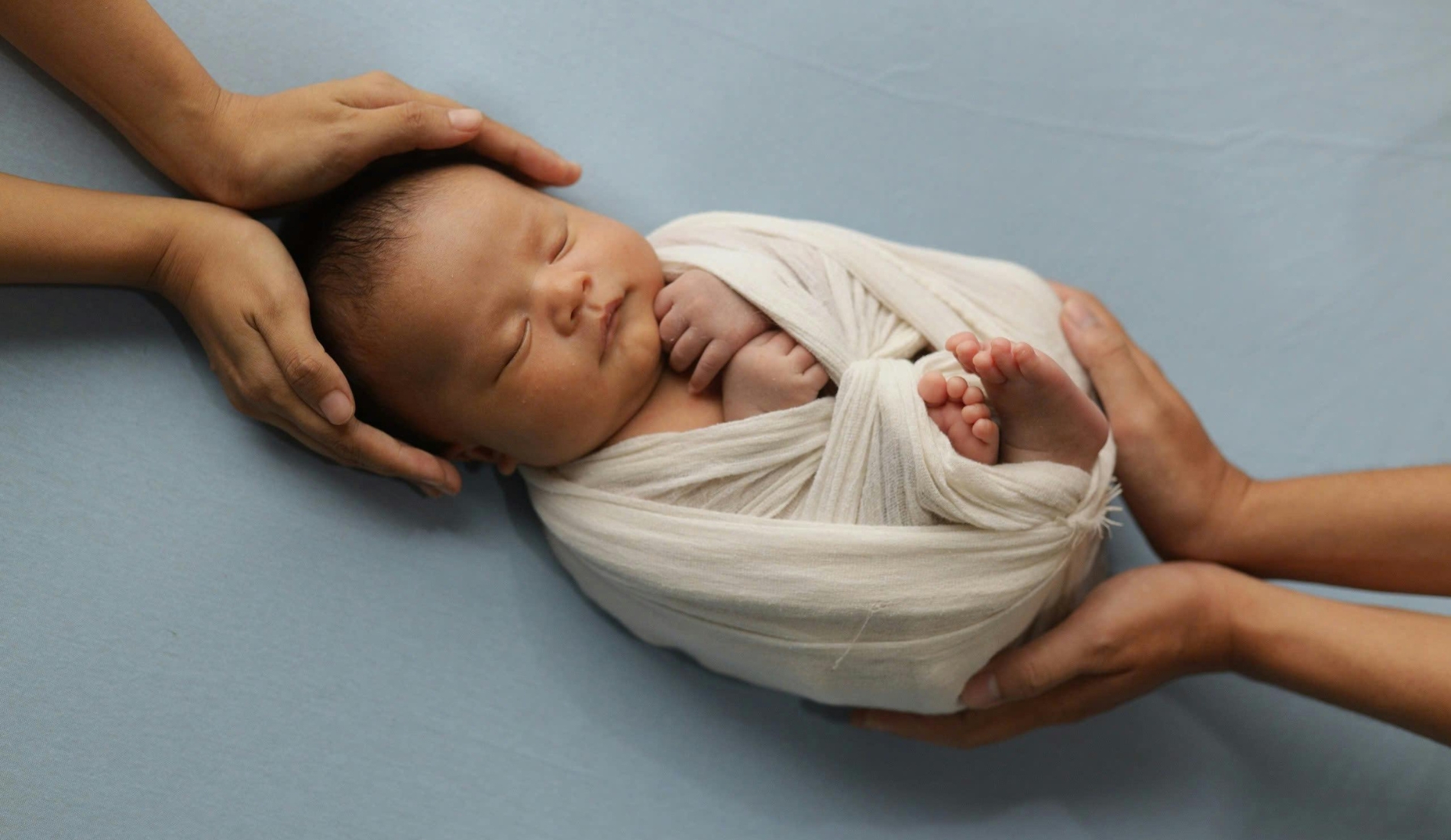
Can newborn sleep without swaddle—do they really need to be wrapped up every time? If your baby seems to fuss when swaddled or you’re just not comfortable with it, you might be wondering if it’s okay to skip it. So, is swaddling a must, or simply a helpful option?
Yes, a newborn can sleep without a swaddle, as long as they’re placed on their back in a safe sleep environment. According to the American Academy of Pediatrics, swaddling can soothe babies, but it’s not required for healthy sleep. This article explores when swaddling is useful, when to stop, and how to help your baby sleep safely with or without it.
Not sure if your baby sleeps better with arms free or snugly wrapped? Curious about sleep sacks as a safe alternative? We’ll walk you through everything you need to know to make the best choice for your baby’s comfort and safety—let’s get into it!
Can Newborn Sleep Without Swaddle?
Can newborn sleep unswaddled? Yes, newborns can sleep without a swaddle, and many babies may actually prefer it as they grow older. While swaddling can help calm a fussy baby and prevent the startle reflex that often disrupts baby sleep, some infants may find it restrictive.
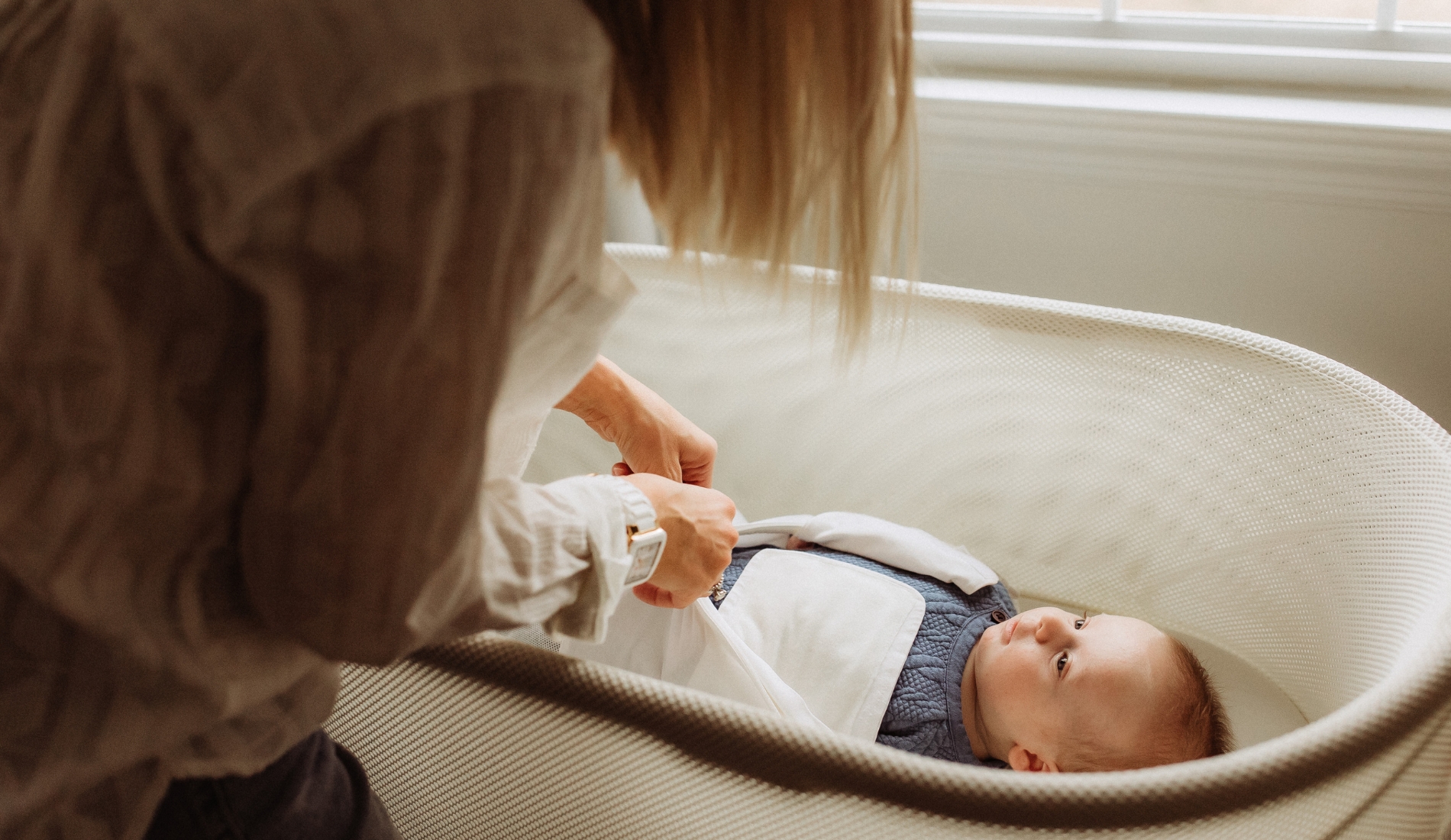
As they begin to develop motor skills, they may enjoy the freedom of movement that comes with sleeping without a swaddle. It’s important to monitor how your baby reacts when you attempt to put your baby to sleep without swaddling, as each baby may have different preferences.
As your baby adjusts to sleeping without their swaddle, you may notice improvements in their sleep quality. Babies that are free to move their arms and legs often sleep better as they are less likely to feel confined.
Introducing a sleep sack can be a gradual solution, allowing your baby to sleep better while still feeling secure. Ultimately, the choice of whether to swaddle your baby or not should depend on their comfort and sleep needs.
My Baby Breaks out of the Swaddle.
If your baby breaks out of the swaddle frequently, it may indicate that they are ready to transition out of a swaddle. Some babies are strong enough to wiggle their arms out of the swaddle wrap, which can disrupt their sleep and lead to frustration.
In such cases, it might be a good idea to transition your baby to a sleep sack or another alternative to swaddling. This way, your baby can still feel secure without the risk of breaking out of the swaddle blanket.
Parents should keep in mind that a baby breaking out of the swaddle can also pose safety concerns. If a baby manages to escape the swaddle, they may end up in positions that are not safe for sleep.
It’s critical to observe your baby’s behavior and adapt their sleep routine accordingly. When your baby shows signs of breaking free, it’s a good signal that it may be time to explore other sleep options, ensuring they continue to have a good night’s sleep.
When to Stop Swaddling Your Baby?
Most experts recommend that parents start to consider when to stop swaddling their baby around 2 to 3 months of age, or whenever the baby shows signs of rolling over. This is crucial because once a baby can roll, swaddling can increase the risk of unsafe sleep positions.
It’s essential to follow your baby’s cues and evaluate their readiness for a swaddle transition. If your baby is consistently breaking out of the swaddle or seems uncomfortable, it may be time to stop swaddling your baby altogether.
Another indication that it’s time to stop swaddling is if your baby begins to show signs of wanting to sleep without being swaddled. Observe if they exhibit more movement during sleep or seem to prefer having their arms out of the swaddle.
Making this transition can be challenging for some babies, but it’s an important step in promoting healthy sleep habits. The sooner you recognize the signs, the easier the transition out of the swaddle will be for both you and your baby.
Transition Out of the Swaddle Pros & Cons
Transitioning out of the swaddle is a big milestone for both baby and parents. It usually happens between 3–6 months when babies start showing signs like rolling over or breaking free from the swaddle. Here’s a breakdown of the pros and cons of making that transition:
✅ Pros of Transitioning Out of the Swaddle
1. Improved Safety
- Once babies can roll, swaddling becomes a risk for suffocation. Transitioning helps reduce this risk.
2. Better Mobility
- Without the swaddle, babies can move their arms and legs more freely, which supports development and self-soothing skills.
3. Encourages Self-Soothing
- Babies can begin to suck their fingers or find other ways to calm themselves, helping them fall asleep independently.
4. Long-Term Sleep Habits
- Learning to sleep without being tightly wrapped helps set the stage for long-term sleep training and better sleep hygiene.
5. Fewer Wake-Ups (Eventually)
- Once the transition is complete, many babies sleep more soundly because they’re not fighting the swaddle or startling themselves as often.
❌ Cons of Transitioning Out of the Swaddle
1. Disrupted Sleep (Temporarily)
- Many babies struggle initially and may wake up more often or have trouble falling asleep without the snugness.
2. Startle Reflex Returns
- The Moro reflex (startle reflex) might cause more frequent wake-ups until it naturally fades (usually around 4–6 months).
3. Longer Sleep Training Process
- If the baby relied heavily on the swaddle for comfort, transitioning may require more effort and consistency from parents.
4. Fussiness or Resistance
- Some babies really love the swaddle and will fight sleep more during the transition phase.
👶 Common Transition Methods
- One arm out at a time: Gradually reduce swaddle use.
- Swaddle transition products: Like sleep sacks with wings or weighted sacks.
- Cold turkey: Just stop using the swaddle and ride it out.
What are the Signs I Should start swaddle transitioning?
There are several signs that indicate it might be time to transition. One of the most apparent signs is when your baby starts to break out of the swaddle regularly, which suggests they are ready to sleep without the swaddle.
Additionally, if your baby starts to roll over, it’s crucial to transition out of the swaddle to ensure their safety during sleep. Other signs include increased movement during sleep or if your baby seems to be fussing or uncomfortable while swaddled.
Parents should also take note of their baby’s sleep patterns. If your baby consistently wakes up crying or seems to struggle to settle down while swaddled, it could be time to try sleeping without a swaddle.
By closely observing your baby’s behavior and reactions, you can adjust their sleep routine and help your baby transition smoothly. This proactive approach ensures a safer and more comfortable sleep environment as your baby grows and develops.
🍼 Signs It’s Time to Transition from Swaddling:
- Rolling Over
- The #1 sign: If your baby starts rolling from back to tummy, it’s time to stop swaddling immediately. Rolling while swaddled increases the risk of suffocation.
- Most babies start rolling around 3-4 months, but it can happen earlier or later.
- Breaking Out of the Swaddle
- If your baby consistently escapes the swaddle, it could mean they’re ready for more freedom of movement or becoming too strong for it.
- Fussy or Restless in the Swaddle
- If your baby seems frustrated, frequently fights the swaddle, or is harder to settle, they may want their arms free.
- Startle Reflex Has Diminished
- Swaddling is often used to reduce the Moro (startle) reflex. If that reflex is fading, your baby might not need the swaddle anymore.
- Increased Activity
- If your baby is showing signs of more mobility—kicking legs, squirming, or pushing against the swaddle—they may want more space to move naturally.
How to Get Baby to Sleep Without Swaddle?
Transitioning your baby to sleep without a swaddle can be accomplished in several ways. One effective method is to gradually loosen the swaddle by leaving one or both arms out during naps and nighttime sleep. This allows the baby to adjust to sleeping without their swaddle while still providing some comfort. You might also consider incorporating a sleep sack, which gives your baby the security they need while allowing freedom of movement.
Another approach is to create a consistent sleep routine that signals to your baby that it’s time to sleep. This can help them feel more secure and relaxed as they adjust to sleeping without the swaddle. Incorporating gentle rocking, soft music, or a calming bedtime routine can make the transition smoother. It’s essential to be patient during this process, as some babies may take longer to adjust to sleeping without a swaddle than others. With time and consistency, your baby can learn to sleep comfortably without being swaddled.
What are Some Alternatives to Swaddling?
For parents looking for alternatives to swaddling, several options exist that can provide comfort while promoting safe sleep. One popular alternative is the sleep sack, which allows babies to move freely while staying cozy.
Sleep sacks come in various sizes and materials, ensuring that your baby can sleep comfortably without feeling trapped. They are designed to keep your baby warm while allowing for mobility, making them an ideal choice as you transition out of the swaddle.
Another alternative is the use of a wearable blanket, which provides warmth while giving the baby the freedom to move their arms and legs. Many parents also find that using a simple blanket or a thin quilt can be effective, provided it’s tucked securely around the edges of the crib to ensure safety.
These alternatives can significantly enhance your baby’s sleep experience, allowing them to adjust to sleeping without a swaddle while still feeling secure and cozy.
Commonly Asked Questions about When Can Newborn Sleep Unswaddled (FAQs)
How long do you swaddle a baby?
Swaddle your baby until 2–4 months old, stopping when they start rolling over or breaking free. Transition to a sleep sack for safety as mobility develops.
How do you get your baby to sleep without being swaddled?
To drop the swaddle, transition gradually using a sleep sack, keep routines consistent, and try one arm out first. Ensure baby is drowsy but awake when laid down. Most adjust within 3-7 nights.
Should I stop swaddling when my baby rolls to their side?
Yes, stop swaddling immediately if your baby rolls to their side—even once. Swaddling restricts movement, increasing suffocation risk. Switch to a wearable sleep sack for safe sleep.
Do I need to stop swaddling when my baby rolls over?
Yes, stop swaddling as soon as your baby shows signs of rolling—even once. Continuing increases suffocation risk. Switch to a safe sleep sack immediately.
What are swaddle transition products?
Swaddle transition products (like sleep sacks, wearable blankets, or arms-up swaddles) help babies adjust to sleeping unswaddled safely. They reduce startle reflexes while allowing movement as rolling begins.
How do you transition out of a swaddle?
Transition out of a swaddle gradually: Start with one arm free, then both, before switching to a sleep sack. Keep routines consistent—most babies adjust within 3–7 nights.
What if my child can’t sleep without the swaddle?
If your baby struggles without a swaddle, transition gradually—try a sleep sack, leave one arm out first, or use a swaddle transition product. Most adjust within 3–7 nights with consistency.
Is white noise good for babies?
Yes, white noise helps babies sleep by masking disruptions and mimicking womb sounds. Use it at a low volume (below 50 dB) and place it at least 7 feet from the crib.
Final Thoughts on How to Get a Baby to Sleep Without a Swaddle
In conclusion, while swaddling can be an effective way to help your newborn sleep better, there comes a time when it’s essential to consider transitioning them to sleep without the swaddle. Recognizing the signs that indicate it’s time to stop swaddling, such as your baby breaking out of the swaddle or showing increased movement, is crucial for their safety and comfort. By offering alternatives like sleep sacks and establishing a consistent sleep routine, you can help your baby adjust to this transition smoothly.
Ultimately, whether to swaddle your baby or allow them to sleep without a swaddle is a personal decision that should be based on your baby’s preferences and needs. With patience and the right approach, you can ensure your baby has a good night’s sleep, whether swaddled or not. Embracing this change can lead to a healthier sleep environment and promote better sleep habits as your baby grows.
Recommended posts
- How to Wake Up Newborn Baby from Deep Sleep (Gentle Ways)
- Best Tips for Dressing Newborn for Sleep in Every Season
- Is It OK If Newborn Rolls to Side While Sleeping? Safety Tip
- 7 Hidden Reasons Newborn Refuses to Sleep & Quick Fix
- Are Sleep Sacks Safe for Newborns? (When to Use & Stop)