
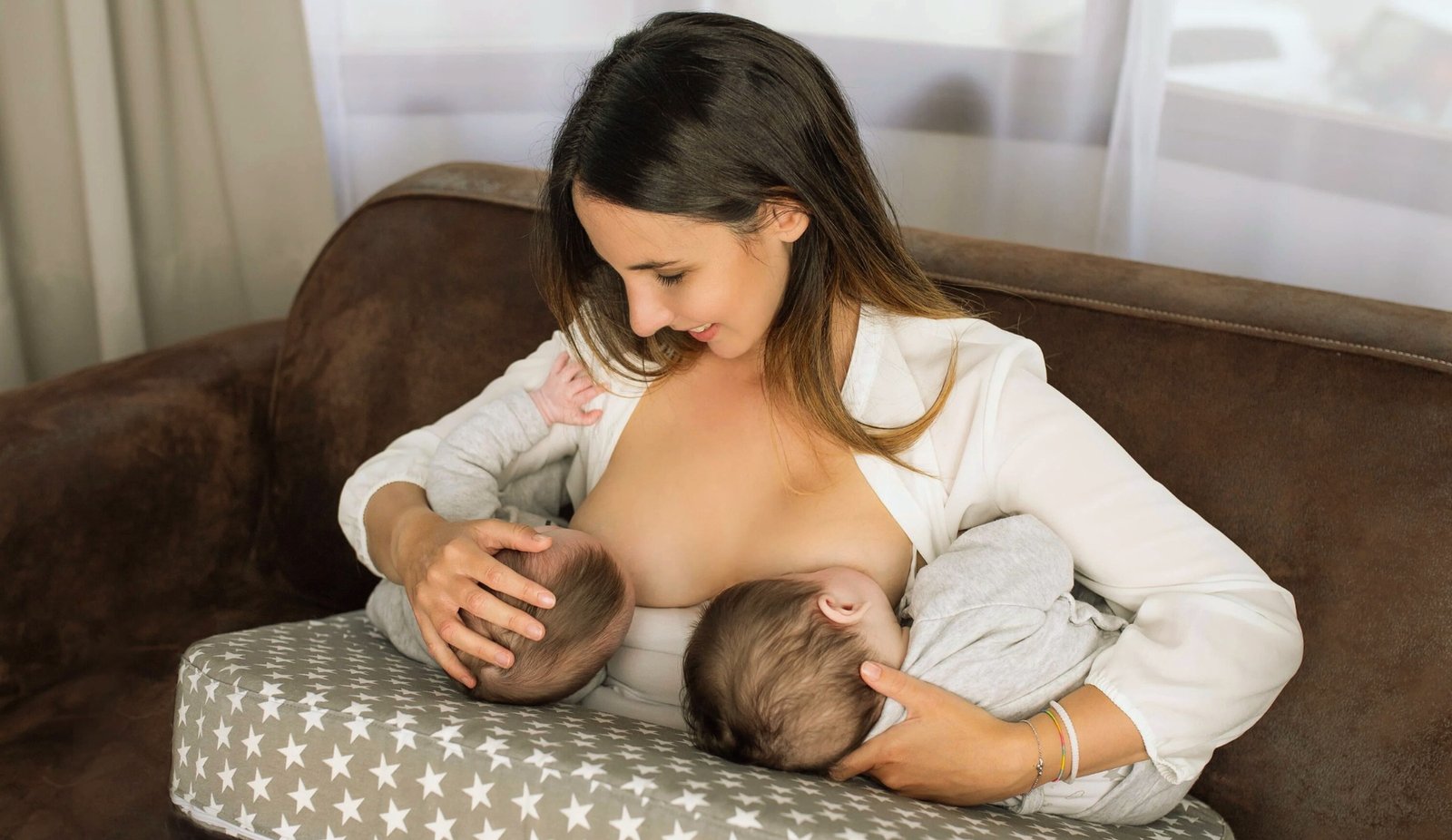
Breastfeeding of twins often feels overwhelming at first glance. Can a mother truly produce enough milk for two babies at once? Many new parents wonder how to manage feeding schedules, positioning, and daily routines without burning out.
Mothers can successfully breastfeed twins with the right strategies and support. Human bodies adjust milk supply based on demand, and leading lactation experts like Dr. Jack Newman confirm that mothers can nourish both babies effectively. This article highlights feeding techniques, positioning tips, and ways to maintain milk supply while caring for two newborns.
But mastering twin breastfeeding involves more than knowing the basics. Do certain holds work better, and how can you balance both babies’ unique feeding patterns? Let’s step into practical, expert-supported guidance that helps twin parents feed confidently and thrive through the journey.
Do Moms with Twins Produce Enough Milk?
A common concern among expectant or new twin moms is whether their body can produce enough milk for two babies. The reassuring truth is that milk production works on a supply-and-demand system. When both babies latch and stimulate the breast frequently, your body naturally increases supply to meet babies needs.
Many mothers exclusively breastfeed multiples without needing supplementation. The crucial part is ensuring frequent feeds, proper latch, and early support from a lactation consultant if needed.
Every time your babies nurse—either together or separately—your body receives signals to make more milk. With consistency, most mothers generate an ample supply for two growing infants.
Is It Harder to Breastfeed two Babies?
Breastfeeding twins does present additional challenges, especially during the early weeks. Coordinating feeding times, positioning two newborns, managing fatigue, and navigating different feeding patterns can be demanding. However, “harder” doesn’t mean impossible. Much of the difficulty lessens with practice and routine.
What makes it more complex includes:
- Different feeding styles: One twin may be a stronger feeder than the other.
- Sleep patterns vary: One may wake more frequently, making synchronized feeding tricky at first.
- Learning curve: Mastering positions and tandem feeding takes time.
Despite these challenges, many parents find that once a rhythm is established, nursing twins becomes a smooth, efficient, and deeply bonding experience with multiples.
Breast Feeding Positions for Twins
Choosing effective breastfeeding positions helps ensure comfort, better latch, and proper milk transfer. Not all mothers prefer tandem feeding right away, but learning twin-specific positions can save time and reduce strain.
Here are the most common breastfeeding positions for twins:
1. Double Cradle Hold
Each baby lies across your body in a cradle hold—ideal once babies have stronger head control. This position works well for moms transitioning from individual to tandem feeding.
2. Double Football Hold
Both babies are tucked under each arm, bodies angled toward your sides. This is a preferred early-stage position for many mothers, especially after a C-section, because it reduces pressure on the abdomen.
3. Cradle + Football Combination
One baby lies across your body, while the other is tucked under your arm. This can be useful when one baby has a stronger latch or feeding preference.
4. Upright or “Koala” Hold
Great for babies with reflux or when one twin prefers a more vertical latch.
Regardless of the position you choose, supportive breastfeeding pillows specifically designed for twins can significantly improve comfort and stability.
Football Hold Breastfeeding Twins
The football hold is one of the most efficient and comfortable positions for breastfeeding twins, especially for newborns or after a C-section. In this setup:
- Each baby’s body is positioned along your side, supported by your forearm.
- Their legs extend behind you.
- Their heads rest near your breasts with a clear view of your nipples and latch.
Benefits of the football hold include:
- Excellent visibility of both babies’ latches.
- Better control over head positioning.
- Reduced strain on the mother’s back and abdomen.
- Ideal for tandem feeding and building supply efficiently.
Many lactation consultants recommend starting with the football hold when learning to breastfeed twins simultaneously.
How to Breastfeed Twins or Multiple?
Feeding twins requires strategy, patience, and a flexible mindset. Here’s a step-by-step approach to make the experience with multiples smoother:
1. Feed One Baby at a Time Initially
During the first few days, focus on establishing a strong individual latch with each baby. This helps you learn their feeding style and ensures effective milk transfer.
2. Transition to Tandem Feeding
Once both babies latch well, tandem feeding saves time and supports supply. Feeding together also helps synchronize sleep and hunger cycles.
3. Rotate Breasts Regularly
Switch babies between breasts each session or daily to support even milk production and prevent preference for one side.
4. Track Feedings
Use a notebook or an app to record time, duration, and which breast each baby fed on. This helps maintain balance and identify any feeding concerns early.
5. Support Your Body
Use twin nursing pillows, footrests, and good back support. Proper posture prevents neck, shoulder, and lower-back strain.
6. Ask for Professional Guidance
A lactation consultant trained in multiples can offer personalized latch adjustments, tandem feeding guidance, and supply support.
Breastfeeding of Twins Helpful Tips – What TO do to make breastfeeding twins easier?
Practical strategies can make a major difference in your breastfeeding journey. Keep these helpful tips in mind:
- Start early: Begin breastfeeding within the first hour after birth when possible.
- Skin-to-skin contact: Promotes latch reflexes and boosts milk production.
- Stay hydrated: Breastfeeding twins increases fluid needs significantly.
- Eat nutrient-dense foods: Balanced meals help sustain energy and milk supply.
- Use supportive pillows: Reduces fatigue and improves positioning.
- Learn baby cues: Early hunger signs such as rooting or hand-sucking help prevent frustration.
- Rest as much as possible: Fatigue affects milk production and emotional well-being.
- Accept help: Allow partners or family to support with burping, diaper changes, and soothing.
What Is the Best Way to Breastfeed Twins?
The “best” way is the way that works sustainably for you, your babies, and your family. There is no single correct answer, but the most successful approaches often share common themes.
For many, the most efficient method is simultaneous breastfeeding—nursing both babies at the same time. This approach can cut total feeding time in half, giving you more opportunities to rest. It also provides the maximum hormonal stimulation to your breasts, which is excellent for building and maintaining a robust milk supply.
However, the “best way” might also be a hybrid approach. You might simultaneously breastfeed during the day but feed one baby at a time during the night to allow your partner to handle one feeding with a bottle of expressed milk.
Or, you might find that one baby has a weaker latch and needs individual attention for a period. Flexibility is key. The goal is to find a rhythm that keeps your babies well-fed and allows you to maintain your physical and mental health.
What Is the Success Rate of Breastfeeding Twins?
Success rates for breastfeeding twins vary depending on factors such as birth circumstances, maternal health, infant health, and access to lactation support. However, many mothers do breastfeed multiples exclusively or partially for months or even years.
Research and anecdotal evidence from lactation organizations consistently show:
- With proper support, most mothers can produce enough milk for twins.
- Tandem feeding significantly increases success rates.
- Early introduction of formula is often due to uncertainty about milk supply rather than true low supply.
- Skilled lactation support improves success rates dramatically.
Ultimately, success looks different for every family. Whether exclusively breastfeeding, combining nursing and pumping, or using a mixed feeding approach, meeting your babies’ needs while supporting your well-being is the real measure of success.
Commonly Asked Questions about Breastfeeding Multiples at Same Time (FAQs)
Will I produce enough milk for two babies?
Yes, many mothers can produce enough milk for twins. Those expecting twins are more likely to successfully establish breastfeeding by nursing frequently and ensuring proper latch. Consulting with a lactation specialist can also help optimize milk production for both babies.
Can I breastfeed twins successfully?
Yes. Many breastfeeding mothers successfully feed two babies using supply and demand, tandem nursing and support often. Begin in the first few days and weeks, ask for help, use a twin breastfeeding pillow, and remember human milk benefits, even for premature babies in intensive care.
How do I establish supply and demand for twins?
Establishing milk supply relies on frequent milk removal. Nurse every two to three hours, switch sides, feed one at a time if needed, or feed both together. Extra calories and rest help. If babies are premature or in NICU, express and provide human milk regularly.
Can I breastfeed if one twin is premature or in neonatal intensive care?
Yes. Premature babies benefit from breastmilk; human milk reduces complications. If one or both babies are in neonatal intensive care, express milk, provide skin-to-skin when possible, and work with lactation consultants. Mothers of twins should ask for help and stay determined to breastfeed for success.
What positions work best—one at a time or babies together?
Use different positions: cradle, football hold, and double tandem with babies together or one at a time. A twin breastfeeding pillow makes feeding easier. Practice in the first few weeks, switch sides, and ask for help. Find what works for feeding two babies and comfort.
How often should I breastfeed twins at night?
Breastfeeding at night may require nursing every two to three hours. Alternate which twin starts or feed both together; one baby may wake more often. Nighttime strategies include tandem feeds, pumping between sessions, ensuring extra calories and asking for help mothers of twin babies sustain supply.
What if one baby sucks better than the other?
If one baby sucks better, feed the weaker sucker first, offer breasts, and practice paced feeding. Use skin-to-skin, lactation support, and supplemental feeding methods if needed. One baby may gain more quickly; monitor weight, ensure human milk, and be persistent; supply typically improves over time.
Will breastfeeding twins affect my nutrition and calorie needs?
Breastfeeding twins increases calorie and nutrient needs. Eat a balanced diet, include extra calories, hydrate, and rest. Consider supplements if recommended. Breastfeeding is established through supply and demand, so adequate maternal nutrition supports milk for their babies, helps babies grow, and sustains feeding two babies.
Where can I find breastfeeding support and practical tips?
Seek breastfeeding support from lactation consultants, peer groups, and organizations like Breastfeeding Twins and Triplets UK. National Institutes of Health resources can guide practice. Ask for help, connect with other breastfeeding mums, and use community and online support for nursing your twins in the beginning.
What are the benefits of breastfeeding for mums?
Breastfeeding offers several benefits for mothers, including reduced postpartum bleeding, quicker recovery of the uterus, and lower risks of breast and ovarian cancers. It also promotes emotional bonding and can save time and money compared to formula feeding.
Conclusion
Breastfeeding of Twins can be a rewarding and empowering journey, offering profound bonding opportunities and optimal nutrition for your babies. While the early days may feel challenging, the right strategies—proper positioning, tandem feeding techniques, consistent routines, and supportive guidance—can help you establish a successful breastfeeding plan. Remember, every set of twins is unique, and so is every breastfeeding story. With patience, flexibility, and confidence in your body’s ability, you can create a nurturing and sustainable feeding experience for both your babies and yourself.
Recommended posts
- 7 Best Breastfeeding Positions for Newborns (with pictures)
- Average Postpartum Doula Salary by State: Top Paying Regions
- TOP 10 Best Electric Double Breast Pump – Moms Swear by
- 7 Surprising Benefits of Breastfeeding for Mom and Child


Thank you for your sharing. I am worried that I lack creative ideas. It is your article that makes me full of hope. Thank you. But, I have a question, can you help me?
Your article helped me a lot, is there any more related content? Thanks!