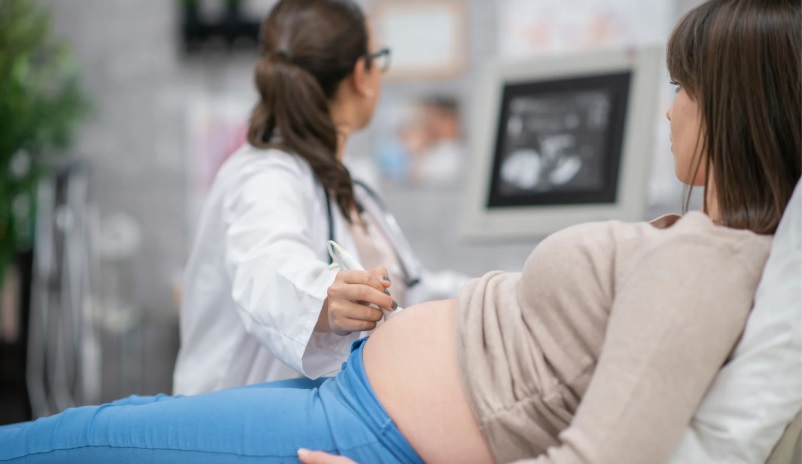
Sitting Position for Low-Lying Placenta at 20 weeks is a crucial topic for expectant mothers and caregivers. Are you wondering how the way you sit might affect your pregnancy and your baby’s safety? The right posture can ease pressure on the placenta and reduce complications, making it essential to know the facts. Let’s explore why sitting correctly matters more than many realize.
Doctors such as Dr. Jennifer Ashton, Chief Medical Correspondent for ABC News and an experienced obstetrician, highlight that sitting with the hips slightly elevated and the back supported helps reduce pelvic pressure. Keeping knees lower than hips and avoiding long periods of upright sitting can lessen stress on the placenta. This article will share simple, medically backed sitting positions that protect both mother and baby.
These are not just random tips—they are based on expert advice and proven practices. Want to discover the safest sitting techniques and the reasons behind them? Let’s dive deeper into the detailed guide that every expectant mother with a low-lying placenta should read.
Can I Sit Down with a Low-Lying Placenta?
Yes, you can sit down with a low-lying placenta. The condition itself—where the placenta is implanted close to or covering the cervix—does not mean you must avoid sitting. However, your sitting habits matter.
During pregnancy, particularly with a low-lying placenta, circulation and pelvic pressure become key concerns. Sitting for long periods in a poor posture can reduce blood flow to the pelvic region and may increase discomfort or swelling.
While sitting is not harmful by itself, adopting supportive, pressure-reducing positions can make a big difference to your overall comfort and reduce strain on the lower back and pelvic floor.
Medical experts emphasize that the placenta’s position is influenced by the growing uterus, not by how you sit. But since low-lying placenta can increase the risk of bleeding in late pregnancy, maintaining positions that reduce unnecessary pressure on the cervix is sensible.
The Best Sitting Position for Low-Lying Placenta
When it comes to finding the best sitting position for low-lying placenta, comfort and support are key. Here are some effective strategies:
- Use a Supportive Chair: Choose a chair with good back support. A chair that allows you to keep your feet flat on the floor and your knees at a right angle is ideal. An ergonomic chair can help reduce strain on your back and pelvis.
- Keep Your Hips Elevated: If possible, elevate your hips slightly above your knees. This can help reduce pressure on the pelvis and the lower abdomen, promoting better blood circulation.
- Avoid Slouching: Maintain good posture by sitting up straight. Slouching can compress the abdomen and may lead to discomfort or increased pressure on the placenta.
- Take Breaks: If you sit for extended periods, take regular breaks to stand, stretch, and walk around. This can help prevent stiffness and improve circulation.
- Crossing Legs: Avoid crossing your legs as it can increase pressure on the lower abdomen. Instead, keep your feet flat on the ground or rest them on a footrest.
By adopting these sitting positions, you can help manage discomfort and create a more supportive environment for your low-lying placenta.
Precautions for Low Lying Placenta (Dos & Don’ts)
If you have been diagnosed with a low-lying placenta, your doctor will likely recommend specific lifestyle modifications. These dos and don’ts can help reduce complications and ensure a safe pregnancy.
✅ DO:
- Attend all scheduled ultrasounds: Monitoring placental position is crucial.
- Practice pelvic rest if advised: This typically means avoiding sexual intercourse and internal vaginal exams.
- Stay hydrated and eat a balanced diet: Proper nutrition supports overall uterine and placental health.
- Rest when needed: Fatigue can worsen swelling and discomfort.
❌ DON’T:
- Ignore vaginal bleeding: Any bleeding, even light spotting, requires immediate medical attention.
- Lift heavy objects: Straining can increase intra-abdominal pressure and trigger bleeding.
- Engage in high-impact exercise: Running, jumping, or intense aerobics may increase pelvic stress.
- Travel long distances late in pregnancy without medical clearance.
These precautions are not meant to restrict you unnecessarily but to reduce the risk of complications such as antepartum hemorrhage.
How Can I Improve My Low-Lying Placenta?
A low-lying placenta often moves upward naturally as the uterus expands. By the third trimester, about 90% of cases resolve on their own. While you cannot directly “move” the placenta, you can support a healthy pregnancy through:
- Regular prenatal care: Consistent check-ups ensure timely monitoring and early detection of any changes.
- Balanced nutrition: Iron-rich foods such as leafy greens, lean meat, and fortified cereals help prevent anemia, especially important if bleeding occurs.
- Avoiding smoking and alcohol: Both can impair placental health and fetal growth.
- Gentle activity as advised by your doctor: Light walking or prenatal yoga (if approved) supports blood circulation.
Ultimately, the placenta’s position depends on uterine growth, not your activity level, but maintaining good health creates the best environment for natural migration.
Is Walking Good for a Low-Lying Placenta?
Walking is generally safe and beneficial for most women with a low-lying placenta, provided there is no active bleeding and your healthcare provider has not recommended strict bed rest. Gentle walking:
- Improves circulation and reduces swelling.
- Helps manage gestational weight gain.
- Supports mental well-being by lowering stress and improving sleep.
However, if you experience vaginal bleeding, cramping, or discomfort, stop immediately and contact your healthcare provider. Your doctor may tailor activity recommendations based on the severity of the condition and the stage of pregnancy.
How Should I Sleep If My Placenta Is Low-Lying?
When dealing with a low-lying placenta, particularly if diagnosed during the 20 week scan, it’s crucial to monitor its position as pregnancy progresses. The placenta is considered low-lying if the placenta attaches to the lower part of the uterus, potentially covering the cervix.
In many cases, the placenta moves upwards as pregnancy continues, especially around 32 to 36 weeks, reducing risks associated with placenta previa.
This is vital because a low-lying placenta can lead to complications such as vaginal bleeding or the need for a caesarean section. If the placenta is less than 2cm from the cervix, contact your doctor for further evaluation. Regular or transvaginal ultrasound scans throughout pregnancy will help assess the position of the placenta and ensure a safe delivery.
Good sleep posture can enhance comfort and reduce pressure on the uterus:
Recommended Sleeping Positions
- Left side sleeping (SOS – “sleep on side”): This position is ideal because it improves blood flow to the uterus and placenta, and enhances kidney function to reduce swelling.
- Use of pregnancy pillows: Placing a pillow between your knees and under your belly supports your back and hips.
Positions to Avoid
- Lying flat on your back for long periods: As pregnancy progresses, this can compress the vena cava (a major vein), reducing blood flow.
- Stomach sleeping: Typically uncomfortable and impractical in later pregnancy.
Prioritizing side-lying positions not only supports placental and fetal health but also helps you rest more comfortably.
Common Questions about Sitting Position for Placenta Previa in Pregnancy (FAQs)
Are low-lying placenta or placenta praevia common?
Low-lying placenta is seen in about 5-10% of mid-pregnancy scans around 20 weeks of pregnancy, but true placenta praevia is rarer, affecting approximately 1 in 200 births by the third trimester. Most resolve naturally.
Can a low placenta move up?
Yes, it often does. As the uterus grows, the placenta can migrate upward and away from the cervix. This is not caused by contraction but by the natural expansion of the lower uterine segment during pregnancy.
What are low-lying placenta and placenta praevia?
A placental previa or low-lying placenta implants near or over the cervix. This can cause painless bleeding and often requires a cesarean delivery. Many low-lying cases resolve as the uterus grows.
What happens if the placenta is still low-lying after 32 weeks scan?
It is diagnosed as placenta previa. This blocks the birth canal, making vaginal delivery dangerous. A planned cesarean section is scheduled around 36-37 weeks to prevent life-threatening bleeding during labor.
What is the best low-lying placenta sleeping position?
Sleep on your left side to improve circulation and avoid pressure. There is no specific position to move the placenta, but monitoring haemoglobin levels is crucial due to bleeding risk. Always follow your doctor’s advice.
What is the best exercise modifications for placental previa?
Complete exercise restriction is typically advised. Avoid heavy lifting, running, and strenuous activity. Focus on minimal movement and pelvic rest to prevent bleeding. Always follow your obstetrician’s specific recommendations for your condition.
How to help a low-lying placenta move up?
You cannot influence its position. The placenta’s movement depends entirely on the natural growth and stretching of the womb. The best approach is to follow medical advice, avoid strenuous activity, and attend all scans.
Conclusion
Managing a low-lying placenta in the second trimester involves understanding how to adapt your daily habits while staying active and comfortable. Learning the correct sitting position for low-lying placenta, practicing pelvic rest when recommended, and avoiding activities that increase pelvic strain can significantly lower the risk of premature birth.
Most importantly, remember that a placenta praevia often resolves on its own as pregnancy progresses. By following your healthcare provider’s advice, attending regular ultrasounds, and making small lifestyle adjustments—such as sitting upright with proper support, walking gently, and sleeping on your side—you can protect both your health and your baby’s development. With the right precautions and medical guidance, you can enjoy a safe, healthy pregnancy and look forward to a positive birth experience.
Recommended posts
- Is Low Lying Placenta Dangerous? Risks, Myths & Reassurance
- How to Move Placenta Up Naturally – Effective Methods
- Is Cesarean Section for Placenta Previa Necessary?