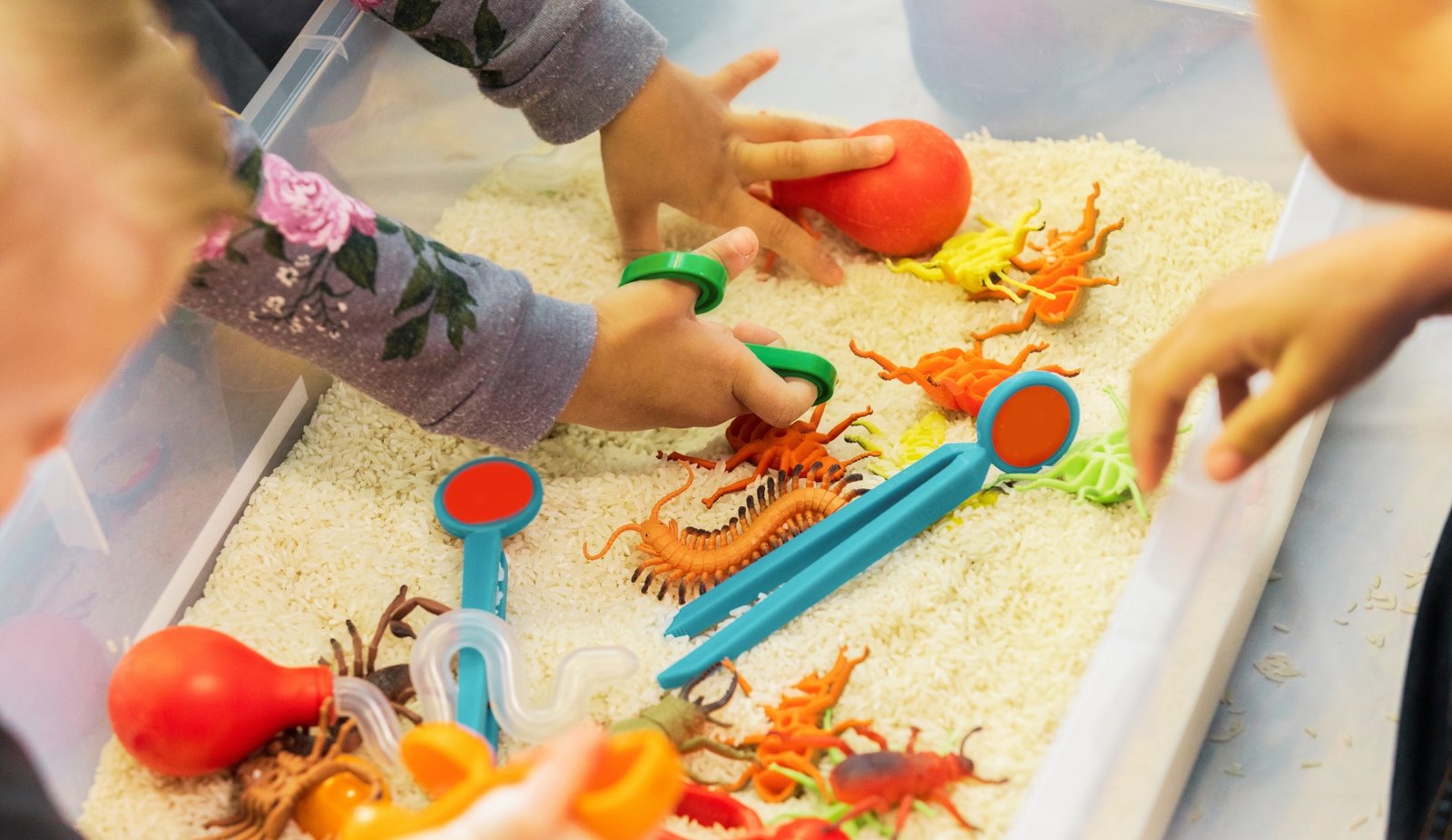
Looking for creative and safe sensory bins for 1 year olds? At this age, little hands love to explore different textures, colors, and shapes while building early learning skills. But which sensory bin ideas are fun, easy to prepare, and safe for your curious toddler?
In this article, you’ll discover a collection of age-appropriate sensory bin ideas that encourage exploration and development—like water play with scoops, soft pom-poms and cups, or edible bins made with cereal and pasta. Each setup helps your 1-year-old strengthen fine motor skills, engage their senses, and learn through play.
But that’s just a glimpse of what you can create! As child development occupational therapist Dr. Tovah Klein shares, “Sensory play gives young children the foundation for learning through hands-on discovery.” So, gather a few simple materials and get ready to dive into the best sensory bin ideas your little one will absolutely enjoy!
What Is a Sensory Bin?
A sensory bin is a container filled with various materials that encourage children to explore through their senses. These bins can include a wide variety of items such as rice, beans, sand, water, and tactile toys.
The objective is to create an engaging environment that allows toddlers to touch, feel, and manipulate different textures, colors, and shapes. Sensory bins not only provide entertainment but also foster cognitive, social, and motor skills development.
Key Components of a Sensory Bin
- Container: A sturdy bin or tray to hold all the sensory materials.
- Base Material: A filler such as rice, sand, or water that serves as the foundation.
- Add-ins: Toys, tools, or natural materials that encourage imaginative play and exploration.
- Tools: Cups, scoops, and spoons to enhance the toddler activity and promote motor skills.
The Importance of Sensory Play for 1-Year-Olds: Benefits of Sensory Bins
Sensory play is crucial for children’s development, especially for toddlers around the age of one. Here are some key benefits of incorporating sensory bins into your child’s playtime:
- Cognitive Development: Exploring different textures and materials helps toddlers learn about their environment, enhancing problem-solving and critical-thinking skills.
- Fine Motor Skills: Manipulating small objects, pouring, and scooping develop hand-eye coordination and dexterity.
- Language Skills: Describing what they feel or see encourages vocabulary growth and communication skills.
- Emotional Regulation: Sensory play can be calming and provides an outlet for toddlers to express their feelings.
- Social Interaction: When children play together, they learn to share, take turns, and collaborate, fostering social skills.
- Creativity and Imagination: amazing sensory bins encourage imaginative play, allowing toddlers to create their own stories and scenarios.
Sensory Bin Ideas for Toddlers
Creating sensory bins can be as simple or as elaborate as you wish. Here are some fun ideas tailored for 1-year-olds:
- Rainbow Rice Bin: Dye white rice with food coloring to create a vibrant sensory experience. Add scoops and small containers for endless fun.
- Water Beads: Soak water beads in water to create a squishy, slippery sensory experience. These are safe for toddlers but should be supervised closely.
- Nature Bin: Fill a bin with natural elements like leaves, pinecones, and stones. This encourages exploration and discussion about nature.
- Oatmeal Sensory Bin: Use dry oatmeal as a base. Add scoops and small toys for an engaging, soft texture.
- Sand and Seashells: If you have a small sandbox, adding seashells can create a beach-themed sensory experience for toddlers to dig and explore.
- Cloud Dough: Mix flour and oil to create a moldable dough that feels soft and silky. Add cookie cutters for extra fun.
- Foam Sensory Bin: Use shaving cream or whipped cream as a base for a fluffy sensory experience. Add small toys for added discovery.
The Best Sensory Bins for 1 Year Olds
When selecting sensory bins for toddlers, it’s essential to choose materials that are safe and age-appropriate. Below are some of the best sensory bin ideas that are ideal for 1-year-olds:
1. Edible Sensory Bin
For the youngest toddlers, consider an edible sensory bin using items like cooked pasta or cereal. This allows for safe exploration without the risk of choking.
2. Fluffy Cloud Bin
A combination of cotton balls and soft fabric pieces can create a fluffy cloud sensory bin. This soft texture is perfect for gentle exploration.
3. Vegetable Sensory Bin
Fill a bin with various vegetables such as potatoes, carrots, and cucumbers. This not only engages the senses but also introduces toddlers to different foods.
4. Jelly Sensory Bin
A bin filled with gelatin and small toys creates a slippery, wobbly experience. Ensure that the gelatin is set before introducing it to the toddler.
5. Dirt and Toy Animals
A bin filled with soil and toy animals encourages imaginative play while allowing toddlers to explore textures and make animal sounds.
6. Rice and Scoop Bin
Using colored rice, provide various scoops and containers. This promotes pouring and scooping, which are excellent for fine motor skills.
7. Bubble Wrap Bin
Lay down bubble wrap in a bin for a fun popping experience. This is an engaging way for toddlers to develop their sensory awareness.
Advice: Always Supervise When Your Little One Is Playing with Sensory Bins
While sensory bins can be an excellent source of entertainment and learning, supervision is crucial, especially for younger children. Here are some important tips:
- Choose Safe Materials: Always ensure that the items in the sensory bin are non-toxic and safe for toddlers.
- Set Boundaries: Explain to your child what is acceptable to do with the materials. For instance, remind them not to eat certain items unless they are edible.
- Monitor Playtime: Stay close by while your child is exploring the sensory bin to ensure they are safe and engaging appropriately.
- Clean Up: Be prepared for messes. Having a designated play area can help minimize the clean-up process.
7 Sensory Water Play Activities for Toddlers and Children
Water play is especially captivating for toddlers. Here are seven engaging water-based sensory activities:
- Water Table Fun: Set up a water table with various toys and cups for pouring and splashing.
- Ice Excavation: Freeze small toys in ice cubes and let toddlers excavate them using warm water to melt the ice.
- Fishing Game: Use a small pool of water and magnetic fish for toddlers to “catch” using a fishing rod.
- Sink or Float Experiment: Provide various objects and let toddlers predict whether they will sink or float.
- Bubble Play: Use a bubble solution and a variety of wands to create bubbles for toddlers to chase and pop.
- Sensory Water Painting: Use water and brushes to “paint” on a sidewalk or patio. The colors will appear vibrant until the water evaporates.
- DIY Water Wall: Create a simple water wall using plastic bottles and tubes attached to a vertical surface for water to flow through.
Commonly Asked Questions about Sensory Bin for 12 Month Old (FAQS)
What is a sensory bin for 1 year olds?
A sensory bin is a container filled with various materials that stimulate a child’s senses, providing a hands-on activity for exploration. For 1 year olds, these bins can include safe fillers such as rice sensory bin, lentils, or water beads, allowing little ones to scoop, dump, and explore different textures while developing their fine motor skills.
What are some easy sensory bin fillers for toddlers?
Easy sensory bin fillers for babies and toddlers include items like dry sensory, pasta, shredded paper, or even cereal. These materials offer a variety of textures for your little one to explore, and they can be easily cleaned up afterward. Always supervise your child during sensory play to ensure safety and prevent choking hazards.
How do sensory bins benefit cognitive development in 1 year olds?
Sensory bins provide a rich environment for cognitive development as they encourage exploration and problem-solving. When 1 year olds engage with different materials, they learn to use their senses, which enhances their language skills and promotes new experiences. These activities are also linked to emotional regulation and social skills when toddlers play together.
Can I incorporate water play into sensory bins for 1 year olds?
Yes, incorporating water play into sensory bins can be incredibly engaging for 1 year olds. You can create a splash zone using a tub filled with water beads or simply water, adding plastic toys for your child to manipulate. Always ensure that a caregiver is present for supervision during water play to ensure safety.
What are some safe edible options for sensory bins?
Edible options for sensory bins include items like cooked spaghetti, cereal, or even baked goods like gluten-free cookies. These materials allow your little one to explore different textures and tastes while ensuring that there are no choking hazards involved.
How can I make themed sensory bins for 1 year olds?
Themed sensory bins can be created by selecting a specific topic, such as animals or colors, and filling the bin with related items. For instance, a bin themed around the ocean can include blue water beads and animal figurines. This encourages imaginative play and enhances language development as you discuss the theme with your child.
What are the best sensory bins for promoting fine motor skills?
The best sensory bins for promoting fine motor skills involve activities that require scooping, pouring, and manipulating objects. Using tools like spoons, small plastic cups, or tongs can help your 1 year old practice these skills while having fun. Materials like rice or lentils are also excellent for these activities.
How do I ensure sensory play is safe for my 1 year old?
To ensure sensory play is safe for your 1 year old, always supervise them during activities, choose age-appropriate materials, and avoid small items that could pose a choking hazard. Additionally, make sure the fillers are non-toxic and safe for your child to explore with their hands or mouth.
Conclusion
Sensory bins are one of the most powerful and accessible tools for early childhood development. By engaging all five senses, sensory bins for 1 year olds support fine motor growth, creativity, problem-solving, and emotional regulation — all through joyful, hands-on exploration.
Whether you choose a DIY bin filled with rice and cups or a beautifully curated sensory kit, the magic lies in the experience. With safe materials, supervision, and a spirit of curiosity, your little one will gain invaluable skills — all while having fun.
So go ahead — embrace the mess, celebrate the discovery, and let sensory play be the gateway to your child’s imagination and growth!
Recommended posts
- 15 Best Sensory Ideas for 2 Year Olds to Encourage Learning
- 10 Simple Yet Powerful Learning Activities for Two Year Olds
- 20 Quick Activities at Home with Toddlers for All Ages