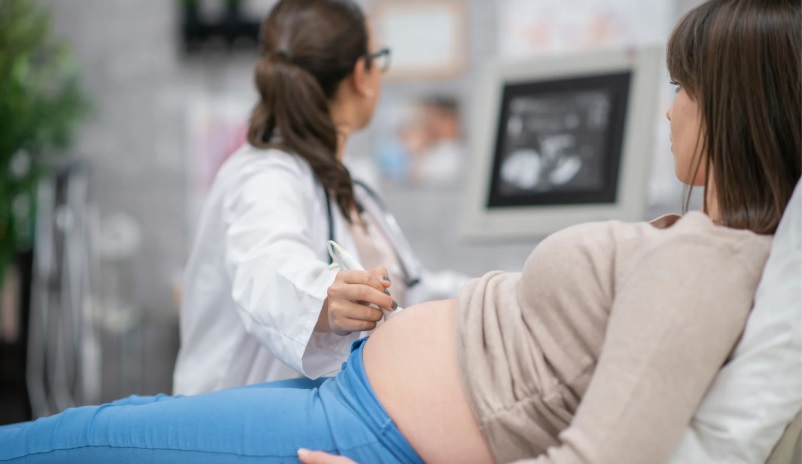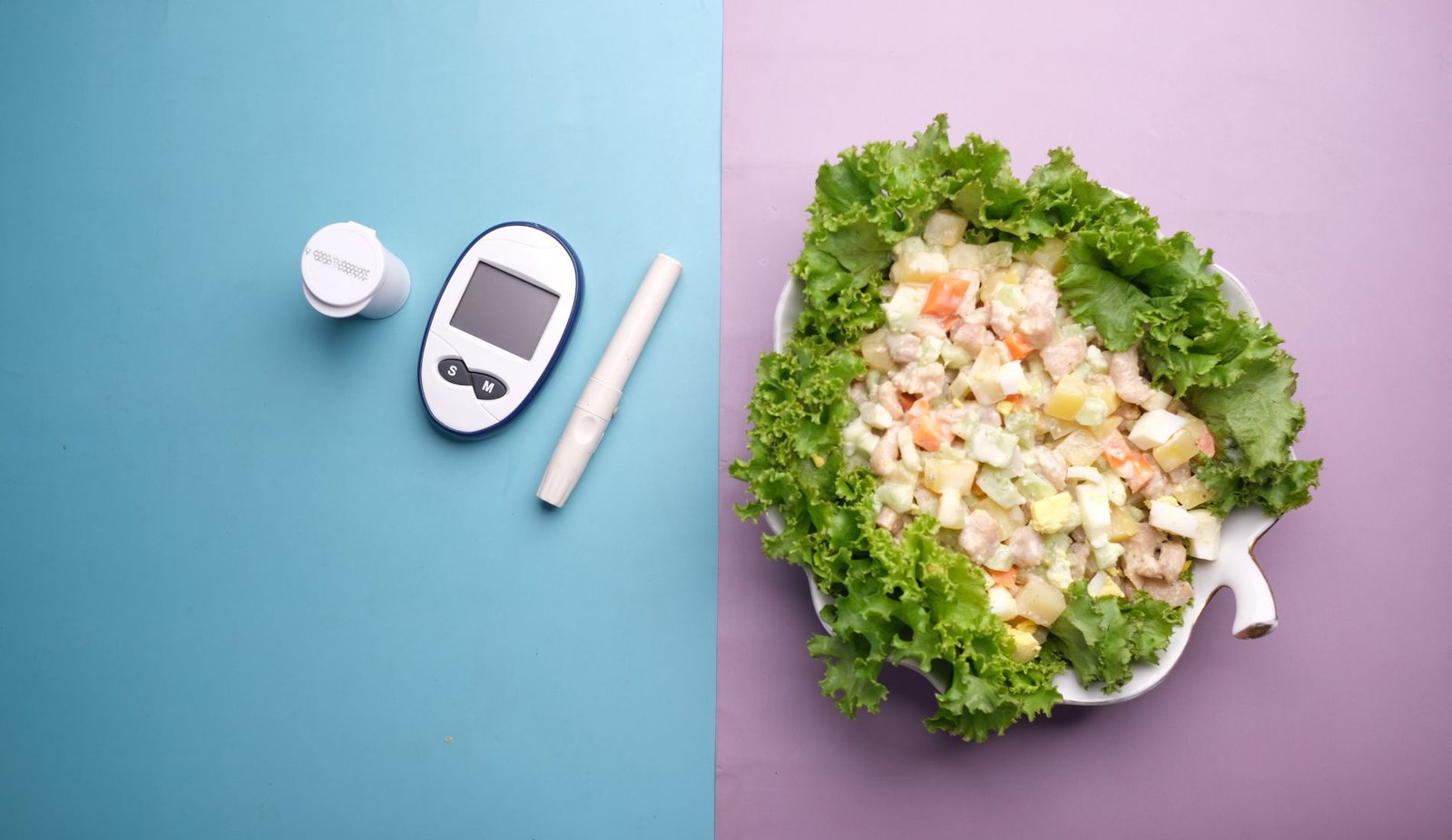
Managing blood sugar during pregnancy can feel overwhelming, but choosing the right Gestational Diabetes Breakfast Foods is one of the most effective ways to support stable glucose levels and a healthy pregnancy.
Dr. Jennifer Smith, a certified diabetes educator at the American Diabetes Association, highlights that pairing high-fiber carbs with lean protein is key. This article shares nutrient-packed choices like Greek yogurt with berries, whole-grain toast with avocado, and veggie omelets that help stabilize glucose. You’ll discover quick, easy ideas that make mornings stress-free while supporting a healthy pregnancy.
Breakfast sets the tone for your entire day—what you eat first thing in the morning can influence your energy, cravings, and blood sugar control for hours.
This comprehensive guide explains why breakfast matters, shares ten healthy breakfast ideas for gestational diabetes, and offers expert advice for building balanced meals and using supplements safely.
Importance of Eating Breakfast for Managing Blood Sugar Levels
Eating breakfast is vital for everyone, but for those with gestational diabetes, it takes on an even greater significance. A well-balanced breakfast helps maintain stable blood sugar levels throughout the day. When you eat a nutritious breakfast, it can help prevent spikes in blood sugar that might occur if you skip this crucial meal.
Research indicates that consuming a filling breakfast rich in fiber, protein, and healthy fats can improve insulin sensitivity and regulate glucose levels. This is particularly important during pregnancy when hormonal changes can affect how your body processes sugar.
By choosing the right breakfast foods, you can set a positive tone for your day and support your overall health and well-being.
For anyone with gestational diabetes, breakfast is far more than just a morning routine—it’s a strategic opportunity to stabilize blood glucose. After an overnight fast, your body’s insulin response can be weaker, which means your blood sugar may spike more easily after your first meal. Eating a well-planned breakfast helps:
- Prevent large blood sugar fluctuations: Pairing complex carbohydrates with protein and healthy fats slows digestion and releases glucose steadily.
- Support steady energy: A balanced breakfast prevents the mid-morning slump and keeps you focused and energized.
- Reduce cravings later in the day: Stable morning blood sugar means fewer afternoon sugar crashes and less temptation for high-carb snacks.
- Nourish mother and baby: A nutrient-rich breakfast ensures both you and your baby get essential vitamins, minerals, and macronutrients.
Skipping breakfast or relying on high-sugar options (like pastries or sugary cereals) can cause blood glucose spikes that are hard to manage throughout the day. Starting with nutrient-dense foods sets you up for success.
10 Blood Sugar Friendly Breakfast Ideas For Gestational Diabetes
Below are ten carefully chosen breakfasts designed to maintain stable blood sugar while satisfying your taste buds. Each idea balances complex carbohydrates with lean protein and healthy fats to support healthy glucose control.
1. Peanut Butter and Banana Wrap
A whole-grain or low-carb wrap filled with natural peanut butter and thin banana slices offers a satisfying combination of protein, fiber, and natural sweetness. Choose a wrap with at least 5 grams of fiber and limit banana slices to a half or less to keep carbs in check.
2. Protein and Healthy Fats
Rather than a specific recipe, think of this as a formula: pair a protein (such as eggs, Greek yogurt, or cottage cheese) with healthy fats (like avocado, nuts, or seeds). For example, scrambled eggs with avocado and a sprinkle of hemp seeds create a blood sugar–friendly, nutrient-dense breakfast.
3. Chia Berry Jam English Muffin
Swap sugary jams for homemade chia berry jam—simply mash fresh or frozen berries with a spoonful of chia seeds and let it gel. Spread on a toasted whole-grain English muffin with a thin layer of cream cheese for fiber, antioxidants, and healthy omega-3 fats.
4. Blueberry Almond Chia Pudding
Soak chia seeds in unsweetened almond milk overnight with a handful of blueberries and sliced almonds. Chia seeds are rich in fiber and healthy fats, which slow glucose absorption, making this a perfect make-ahead breakfast.
5. Farro, Almond & Blueberry Breakfast Cereal
Cook farro and top with fresh blueberries, slivered almonds, and a splash of unsweetened almond milk. Farro is a high-fiber, high-protein ancient grain that delivers slow-digesting carbohydrates to keep blood sugar steady.
6. Greek Yogurt Parfait
Layer plain Greek yogurt with low-sugar granola, chopped nuts, and berries. Greek yogurt provides a high dose of protein, while berries and nuts add fiber and antioxidants. Choose a granola with minimal added sugar or make your own.
7. Crustless Veggie & Cheese Mini Quiches
Bake mini quiches in muffin tins using eggs, spinach, diced peppers, and shredded cheese. These are easy to make in advance and reheat, offering a protein-packed, low-carb breakfast ideal for busy mornings.
8. Savory Oatmeal with an Egg
Instead of sweet oatmeal, cook rolled oats in low-sodium broth and top with a poached egg, sautéed spinach, and a sprinkle of Parmesan. The savory approach adds protein and reduces the need for added sugars.
9. Breakfast Burrito in a Bowl (No Tortilla)
Create a burrito-style bowl with scrambled eggs, black beans, diced tomatoes, avocado, and shredded cheese. Skipping the tortilla cuts carbs significantly while still delivering satisfying Tex-Mex flavors.
10. Smoked Salmon & Cream Cheese on Cucumber Slices
Top thick cucumber slices with cream cheese and smoked salmon for a refreshing, low-carb breakfast packed with protein, omega-3 fats, and crunch.
How to Make a Balanced Breakfast with Gestational Diabetes?
Building a balanced breakfast means combining three key nutrients:
- Protein: Helps stabilize blood sugar and promotes satiety. Examples: eggs, Greek yogurt, cottage cheese, lean turkey, tofu.
- Healthy fats: Slow digestion and help keep you full. Examples: avocado, nuts, seeds, olive oil.
- High-fiber carbohydrates: Provide steady energy without causing spikes. Examples: whole-grain bread, oats, quinoa, berries.
A practical formula is ½ plate non-starchy vegetables, ¼ plate protein, and ¼ plate complex carbs, plus a source of healthy fat. Also, aim to eat within an hour of waking to prevent prolonged fasting glucose spikes.
How to Make a Balanced Breakfast with Gestational Diabetes?
Creating a balanced breakfast involves incorporating the right mix of macronutrients—carbohydrates, proteins, and fats. Here are some tips to help you build a healthy breakfast:
- Choose Whole Grains: Opt for whole grains over refined options. Whole grains like oats, quinoa, and whole grain bread provide more fiber, which helps regulate blood sugar.
- Include Protein: Incorporate a source of protein, such as eggs, Greek yogurt, or nut butters. Protein helps keep you satiated and stabilizes blood sugar levels.
- Add Healthy Fats: Include healthy fats from sources like avocados, nuts, or seeds. These fats support satiety and can improve heart health.
- Focus on Fiber: Aim to include fiber-rich foods like fruits, vegetables, and whole grains. Fiber slows down digestion and helps maintain steady blood sugar levels.
- Limit Sugary Foods: Avoid sugary cereals, pastries, and sweetened beverages. Instead, choose natural sweeteners or fresh fruits to satisfy your sweet tooth.
Is Protein Powder Safe During Pregnancy? A Dietitian Answers
Protein powder can be a convenient way to increase protein intake during pregnancy, but it’s essential to choose wisely. Not all protein powders are created equal, and some may contain additives or sweeteners that aren’t ideal for managing gestational diabetes.
Consulting with a healthcare provider or registered dietitian is crucial before incorporating protein powder into your diet. They can help you select a high-quality product and determine the appropriate amount for your individual needs, ensuring you and your baby receive adequate nutrition without unnecessary risks.
15 Easy Gestational Diabetes Breakfast Ideas for managing gestational diabetes
Need even more variety? Here are 15 quick breakfast options you can mix and match:
- Hard-boiled eggs with a slice of whole-grain toast
- Cottage cheese with sliced peaches and cinnamon
- Turkey sausage with sautéed spinach
- Overnight oats with chia seeds and almond butter
- Avocado toast topped with pumpkin seeds
- Low-carb smoothie with Greek yogurt and spinach
- Egg and veggie breakfast muffins
- Almond flour pancakes topped with fresh berries
- Ricotta cheese on whole-grain toast with sliced strawberries
- Unsweetened Greek yogurt with walnuts and raspberries
- Tofu scramble with diced vegetables
- Whole-grain wrap with turkey and avocado
- High-fiber cereal with unsweetened almond milk
- Savory cottage cheese bowl with cucumbers and tomatoes
- Mini whole-grain waffles with nut butter and sliced banana
These choices are quick, customizable, and packed with nutrients to help maintain stable blood sugar levels.
Tips for Eating Breakfast with Gestational Diabetes
Here are detailed, practical tips to help you manage your morning meal successfully.
The Golden Rule of a GD-Friendly Breakfast
Always pair a carbohydrate with a protein and/or healthy fat. Carbohydrates (carbs) give you energy but raise blood sugar quickly. Protein and fat slow down the digestion of carbs, leading to a much more gradual and manageable rise in blood sugar.
1. Choosing The Right Carbohydrates (and Keep Them Modest)
You don’t need to avoid carbs entirely, but the type and amount are critical.
Go for Complex Carbs over Simple Carbs:
- Good Choices: Whole grains like oats (steel-cut or old-fashioned are best), whole-wheat bread, quinoa, and bran cereals. These have fiber, which slows digestion.
- Limit/Avoid: Sugary cereals, white bread, pastries, fruit juice, and even high-sugar fruits like bananas and mangoes first thing in the morning.
- Start Small: A typical starting point is 15-30 grams of carbohydrate for breakfast. Your dietitian will give you a specific target. Use a food scale or measuring cups to get familiar with portions.
- Example: 1 slice of whole-wheat bread (15g carb), 1/2 cup of cooked oatmeal (15g carb), or 1/3 cup of quinoa (15g carb).
2. Prioritize Protein and Healthy Fats
This is the key to stabilizing your meal.
Excellent Protein Sources:
- Eggs (any style!)
- Greek yogurt (plain, full-fat or 2% is best)
- Cottage cheese
- Lean meats like turkey sausage or chicken sausage
- Smoked salmon
- Nut butters (peanut butter, almond butter)
- Tofu
Healthy Fats:
- Avocado
- Nuts and seeds (chia seeds, flax seeds, walnuts)
- Olive oil or butter for cooking
3. Be Cautious with Fruit and Milk at Breakfast
Many women find their bodies are extra sensitive to the carbs in fruit and milk in the morning.
- Fruit: It’s best to avoid fruit or fruit juice at breakfast initially. If you really want it, add a very small portion of berries (e.g., 2-3 strawberries or 10-15 raspberries) to your yogurt or oatmeal, and see how your body responds.
- Milk: A small splash in coffee or tea is usually fine, but a full glass of milk (which contains lactose, a sugar) can be problematic. Unsweetened almond milk or soy milk are great low-carb alternatives.
4. Sample Meal Combinations to Try
Mix and match one item from the “Carbs” list with one or more from the “Protein/Fat” list.
| Carbs (15-20g approx.) | Protein/Fat | Meal Idea |
|---|---|---|
| 1 slice of hearty whole-wheat/sourdough toast | 2 scrambled eggs + 1/4 avocado | Avocado toast with a side of scrambled eggs. |
| 1/2 cup cooked steel-cut oats | 1/2 cup plain Greek yogurt + tablespoon of peanut butter | Oats cooked, then stirred with yogurt and PB. |
| 1/3 cup cooked quinoa | Fried egg + handful of spinach | Savory quinoa “bowl” with an egg on top. |
| 1 low-carb tortilla (check labels) | Scrambled eggs, cheese, salsa | A quick breakfast burrito. |
| 1/2 whole-wheat English muffin | Slice of cheese + 1 turkey sausage patty | Breakfast sandwich. |
5. Test, Don’t Guess!
Your body is unique. The only way to know what works for you is to test your blood sugar according to your healthcare provider’s instructions (typically 1-2 hours after you start eating).
- Keep a Food & Glucose Log: Write down what you ate and your resulting blood sugar number. This will help you and your dietitian identify patterns.
- If you have a high reading: Don’t panic! Look at your log. Was it the portion size? The type of carb? Did you forget the protein? Use it as a learning experience for the next day.
6. If You’re Struggling with Morning Nausea or No Appetite
- Start Very Small: Even a few bites are better than nothing. Try a handful of nuts, a hard-boiled egg, or a small slice of cheese and whole-wheat crackers.
- Try a Smoothie: This can be easier to drink. Be careful here! Use unsweetened almond milk, a big handful of spinach, a small portion of berries, a scoop of protein powder or Greek yogurt, and a tablespoon of healthy fat like avocado or chia seeds. Avoid adding juice or sweeteners.
Foods to Generally Avoid at Breakfast with GD
- Sweetened cereals
- Flavored instant oatmeal packets
- Pastries, donuts, muffins
- White bread and bagels
- Fruit juice
- Sugary yogurt
- Syrup and jams
Final and Most Important Tip: Work closely with your healthcare team, including your doctor and a registered dietitian who specializes in gestational diabetes. They will provide personalized targets and guidance based on your specific needs.
You’ve got this! It’s a learning process, but by making these smart adjustments, you can have a healthy, satisfying breakfast that keeps both you and your baby thriving.
Common Questions about 25 Breakfast Ideas for Gestational Diabetes (FAQs)
How Many Carbs Should You Eat for a Healthy Pregnancy?
Aim for about 175-210 grams of complex carbohydrates daily from whole grains, fruits, and vegetables. This supports fetal brain development and your energy needs. Always follow personalized advice from your doctor or a registered dietitian for your specific health profile.
What is a delicious breakfast options for diabetes?
Opt for high-protein, high-fiber meals like scrambled eggs with spinach and avocado, or Greek yogurt with berries and nuts. These options help manage blood sugar levels effectively while being satisfying and nutritious.
What is gestational diabetes and how does it affect breakfast choices?
Gestational diabetes is a condition that can develop during pregnancy, characterized by high blood glucose levels. It requires careful meal planning to help manage blood sugar levels. Choosing the right breakfast is crucial, as it can set the tone for your blood sugar throughout the day. Women with gestational diabetes need to focus on balanced breakfasts that include protein, healthy fats, and fiber to help stabilize blood sugar levels.
What are some nutritious breakfast ideas for gestational diabetes?
Nutritious breakfast ideas for gestational diabetes include options like whole grain toast topped with avocado and poached eggs, Greek yogurt with berries and chia seeds, or a breakfast burrito filled with scrambled eggs, spinach, and salsa. These meals provide a good balance of carbohydrates, protein, and healthy fats, which can help manage blood sugar levels effectively.
How can I create a balanced breakfast with gestational diabetes?
A balanced breakfast for managing gestational diabetes should include a combination of complex carbohydrates, protein, and healthy fats. For example, you can pair oatmeal topped with almond butter and sliced bananas, or whole grain toast with nut butter and a side of cottage cheese. This combination can help prevent blood sugar spikes and keep you feeling satisfied throughout the morning.
What are some easy breakfast ideas for busy mornings?
For busy mornings, consider quick breakfast options such as overnight oats made with almond milk and topped with berries, or smoothies containing spinach, Greek yogurt, and a scoop of protein powder. Breakfast on the go can also include wraps filled with scrambled eggs and vegetables or nut butter on whole grain toast for a quick yet nutritious meal.
What should I avoid for breakfast if I have gestational diabetes?
If you have gestational diabetes, it’s best to avoid traditional breakfast foods that are high in refined sugars and simple carbohydrates, such as sugary cereals, pastries, or white bread. These foods can cause rapid increases in blood sugar levels. Instead, focus on savory breakfast options that are protein-rich and include healthy fats.
How can I keep my blood sugar levels stable during breakfast?
To keep blood sugar levels stable during breakfast, aim to eat breakfast soon after waking. Incorporating extra protein and fiber into your meal is essential, as they can help slow the absorption of sugar into your bloodstream. Consider adding nuts, seeds, or legumes to your breakfast to enhance its nutritional value and help manage blood sugar levels.
What are some protein-packed breakfast options for gestational diabetes?
Protein-packed breakfast options include scrambled eggs with sautéed vegetables, a Greek yogurt parfait layered with nuts and berries, or a smoothie with protein powder and spinach. These meals not only provide the necessary nutrients to start your day but also help manage your blood sugar levels effectively.
How do I meal plan for breakfasts when diagnosed with gestational diabetes?
Meal planning for breakfasts when diagnosed with gestational diabetes involves selecting a variety of healthy options to include in your weekly routine. Create a list of nutritious breakfast ideas that incorporate different food groups, such as eggs, whole grains, fruits, and dairy. Prepare some items in advance, like overnight oats or pre-portioned smoothie ingredients, to make mornings easier.
What are some snack ideas to complement my breakfast?
Snack ideas that complement your breakfast can include a small handful of almonds, a piece of fruit with nut butter, or a cottage cheese cup with berries. These snacks are designed to keep your blood sugar levels stable between meals and provide additional nutrients needed during pregnancy.
Conclusion about Gestational Diabetes Breakfast Foods
Choosing the right Gestational Diabetes Breakfast Foods is one of the most powerful steps you can take to manage blood sugar and support a healthy pregnancy. By combining high-quality protein, healthy fats, and fiber-rich carbohydrates, you can create meals and snacks that are both satisfying and blood sugar–friendly.
Whether you prefer make-ahead chia puddings, savory quiches, or simple Greek yogurt parfaits, these breakfast ideas help you start every day with balanced nutrition and confidence. Always consult your healthcare provider or a registered dietitian for personalized guidance, and enjoy exploring a variety of tasty, wholesome breakfasts that keep both you and your baby thriving.
Recommended posts
- 30+ Healthy Snacks for Gestational Diabetes to Beat Cravings
- Fasting Blood Sugar for Pregnancy (What is the Normal Level)
- 7-Day Meal Plan for Gestational Diabetes (Easy Recipes)
- Warning Signs of Gestational Diabetes You Shouldn’t Ignore
- Is Gestational Diabetes Genetic from Mother or Father?
- Gestational Diabetes Carbs Per Meal (Best Practices)