Looking for the ADHD Kid Toys that actually make a difference? Struggling to find the right tools to keep your child focused, calm, and creatively engaged? What if the right toy could turn playtime into a productive experience? You’re in the right place.
Experts recommend fidget toys, kinetic sand, weighted plushies, and STEM kits as top-rated ADHD-friendly options. Brands like Melissa & Doug, Fat Brain Toys, and ThinkFun lead the list with proven benefits for focus, sensory balance, and motor skill development.
These toys for adhd kids aren’t just fun—they’re backed by research and often therapist-approved.
But this list doesn’t stop at just a few popular names. We’ve gathered insights inspired by child psychologists like Dr. Edward Hallowell, an ADHD specialist, to bring you a well-rounded, expert-informed selection. So, let’s dive into the top 10 ADHD kid toys making waves this year!
What are Fidget Toys for ADHD?
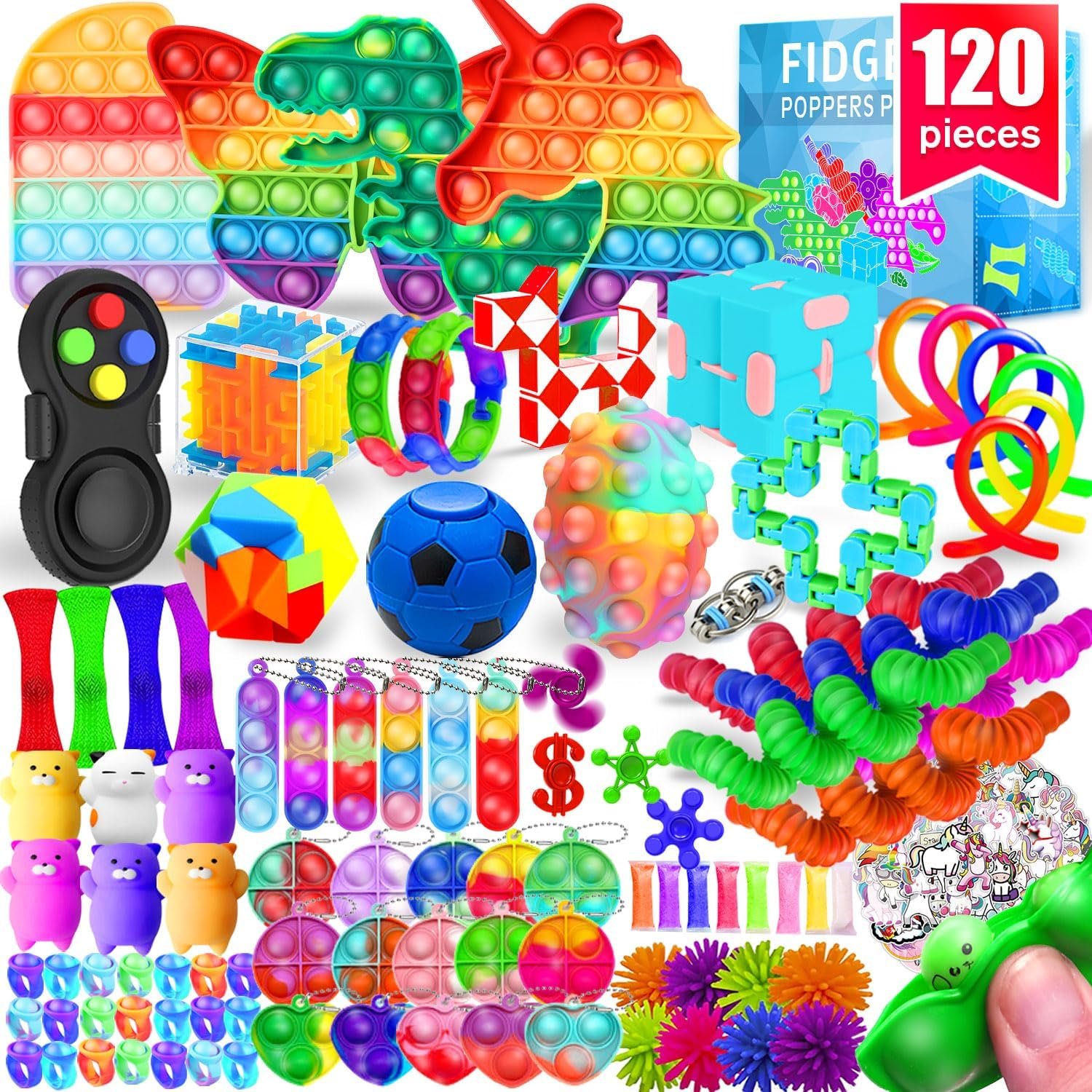
Fidget toys are handheld objects or tools that provide tactile, visual, or auditory stimulation. Originally popularized for neurodivergent children, including those with ADHD, autism spectrum disorder (ASD), or sensory processing disorder, these ADHD toys for kids help regulate nervous energy.
Rather than serving as a distraction, fidget toys offer a purposeful outlet for excess movement and mental stimulation. They often incorporate textures, resistance, motion, or repetition—elements that satisfy the sensory needs common in ADHD brains.
These toys range from quiet, subtle items like stress balls to interactive devices like kinetic sand or scooter boards. Their versatility makes them suitable for classrooms, therapy sessions, car rides, or at-home learning environments.
How Fidget Toys Help Kids & Teens with ADHD
Attention-Deficit/Hyperactivity Disorder (ADHD) affects millions of children and teens worldwide, presenting unique challenges related to focus, impulse control, and sensory processing. For many families, the journey to support a child with ADHD includes therapies, structured routines, and—importantly—therapeutic play.
Toys designed specifically for kids with ADHD aren’t just distractions—they are tools. The right toy can channel energy productively, stimulate learning, encourage self-regulation, and provide calming sensory input.
Below, we explore the best fidget and sensory toys that can support cognitive, emotional, and physical development for children and teens with ADHD.
Children with ADHD often struggle to sit still, maintain concentration, and regulate emotional responses. Fidget toys for ADHD kids address these challenges by:
- Improving Focus: Tactile engagement helps maintain attention during passive tasks such as listening or reading.
- Reducing Anxiety: Repetitive movement or texture can produce a calming effect, lowering cortisol levels and emotional reactivity.
- Enhancing Fine Motor Skills: Many fidget tools require pinching, twisting, or pressing, which strengthens hand muscles and coordination.
- Encouraging Self-Regulation: Toys can serve as a physical cue for emotional states, helping children understand and manage their behaviors.
- Boosting Sensory Processing: Sensory-seeking kids benefit from toys that provide structured input like weight, vibration, or pressure.
Teachers, therapists, and parents increasingly recognize these toys not just as playthings, but as developmental aids that bridge the gap between therapy and learning.
10 Best Fidget Toys for Kids & Teens with ADHD – ADHD kid toys
Below are our top toys for children with ADHD, curated based on therapeutic value, durability, user reviews, and their ability to promote self-regulation and learning.
– Magnetic Responsibility Chart
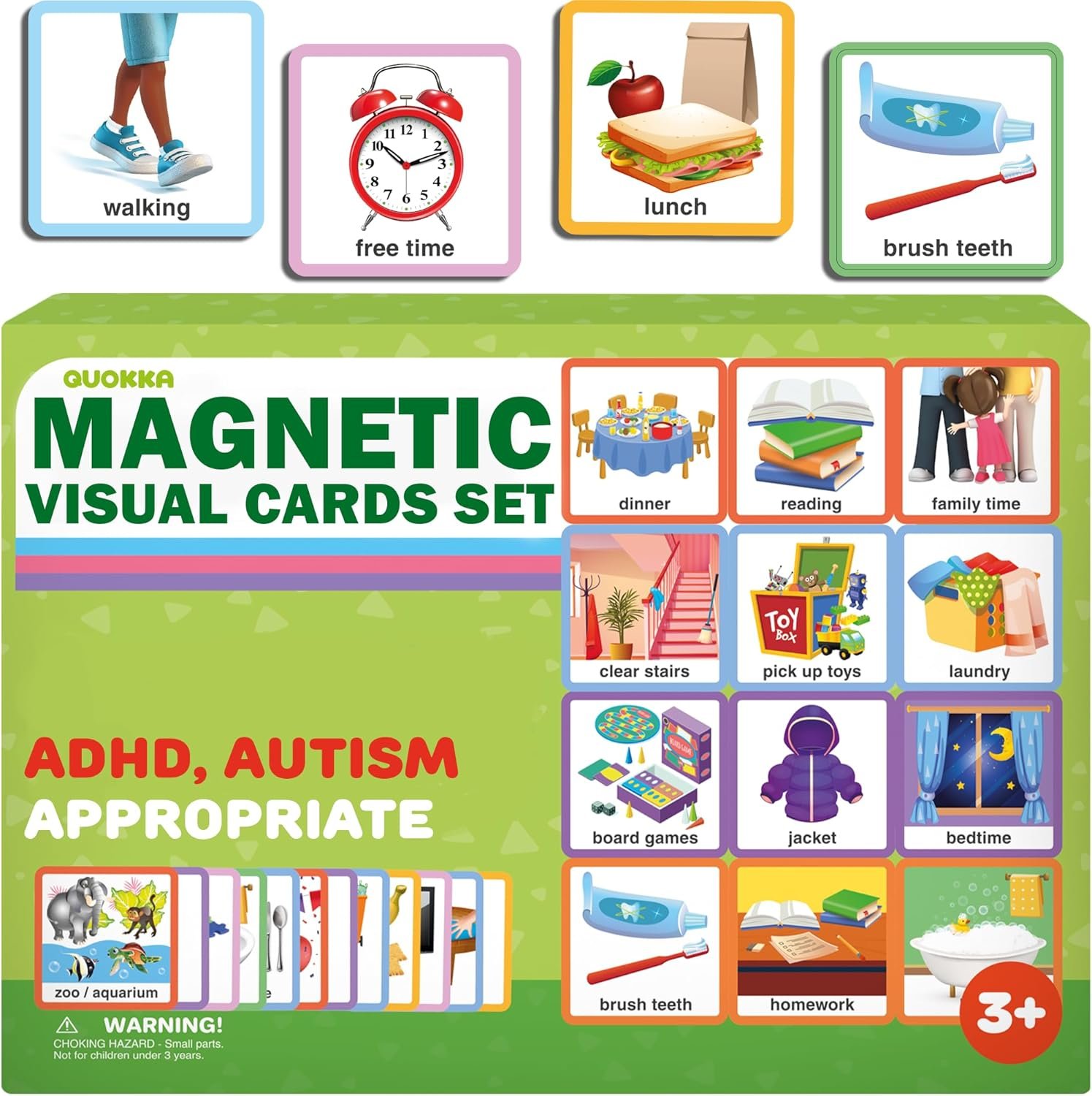
A Magnetic Responsibility Chart is more than a chore tracker—it’s a behavior reinforcement system. This visual tool empowers kids with ADHD to track daily tasks such as brushing teeth, homework, or managing emotions. Each completed action earns a reward star, helping instill structure and predictability.
Why it works:
- Builds executive functioning through routine tracking.
- Offers visual reinforcement, boosting self-esteem.
- Turns task completion into a motivational game.
Perfect for home use, this chart transforms daily challenges into manageable, visual steps, promoting independence and consistency.
– Tactile fidgets toys kids
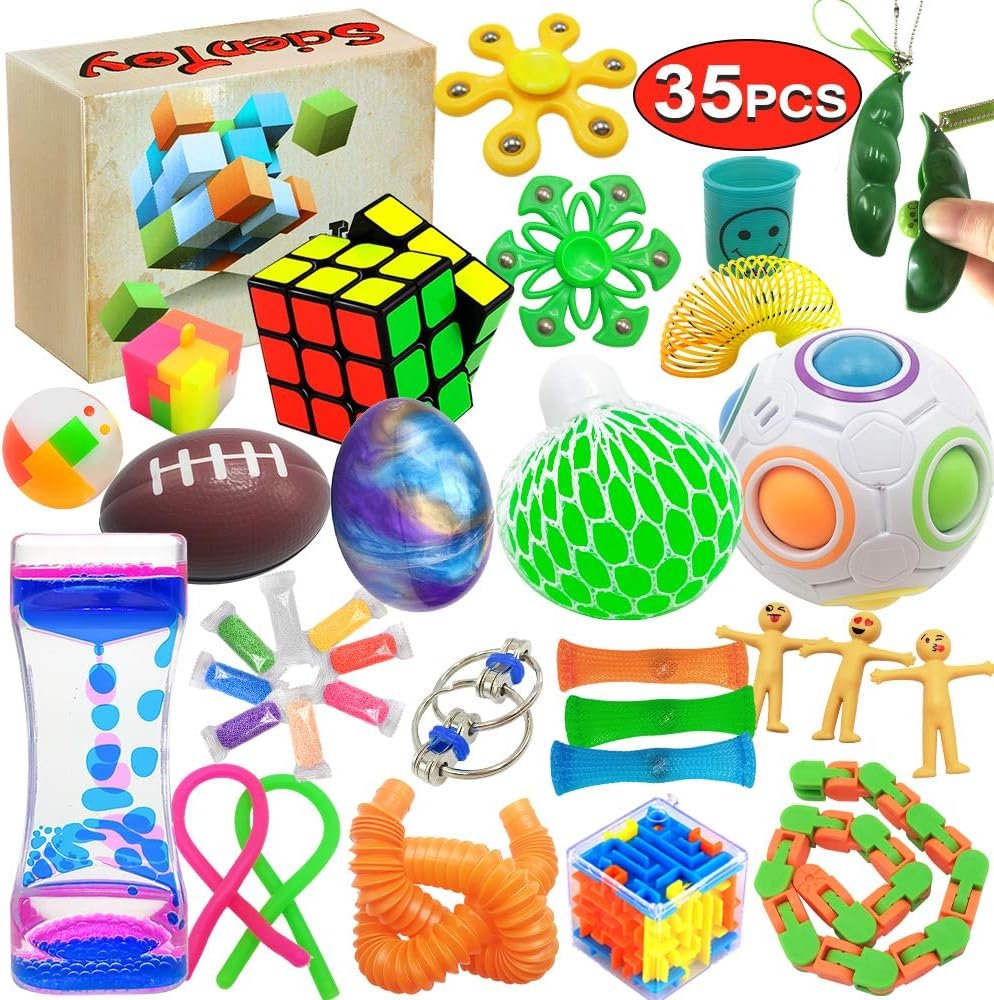
Tactile fidgets such as textured balls, squishy putty, or fabric patches engage the sense of touch. These tools are ideal for kids who seek constant sensory feedback or struggle with restlessness.
Top benefits:
- Offers a soothing sensory experience.
- Helps redirect impulsive behaviors during class or therapy.
- Small and portable for discreet use.
Tactile fidgets toys can be customized by material (foam, silicone, rubber) to meet a child’s sensory preference, making them a must-have in any ADHD-friendly environment.
– Weighted Fleece Vest
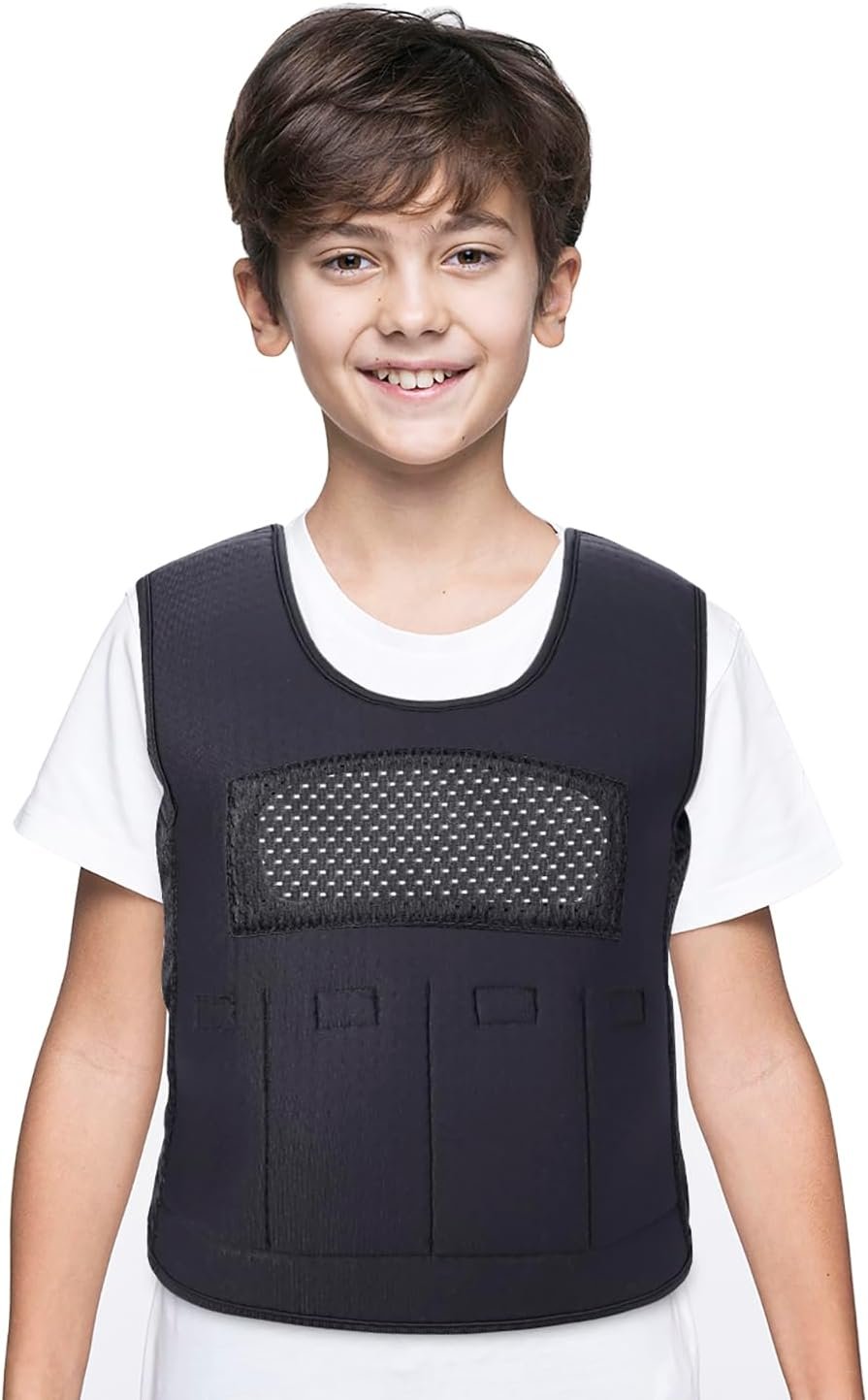
A Weighted Fleece Vest applies gentle, evenly distributed pressure across the torso—often referred to as deep pressure stimulation (DPS). For kids with ADHD, this can feel like a calming hug, improving body awareness and promoting a sense of security.
Clinical advantages:
- Encourages calmness and reduces overstimulation.
- Can be worn discreetly in school or at home.
- Often improves attention span during seated tasks.
These vests come in stylish designs and various weights based on body size, offering both functionality and comfort.
– Rory’s Story Cubes
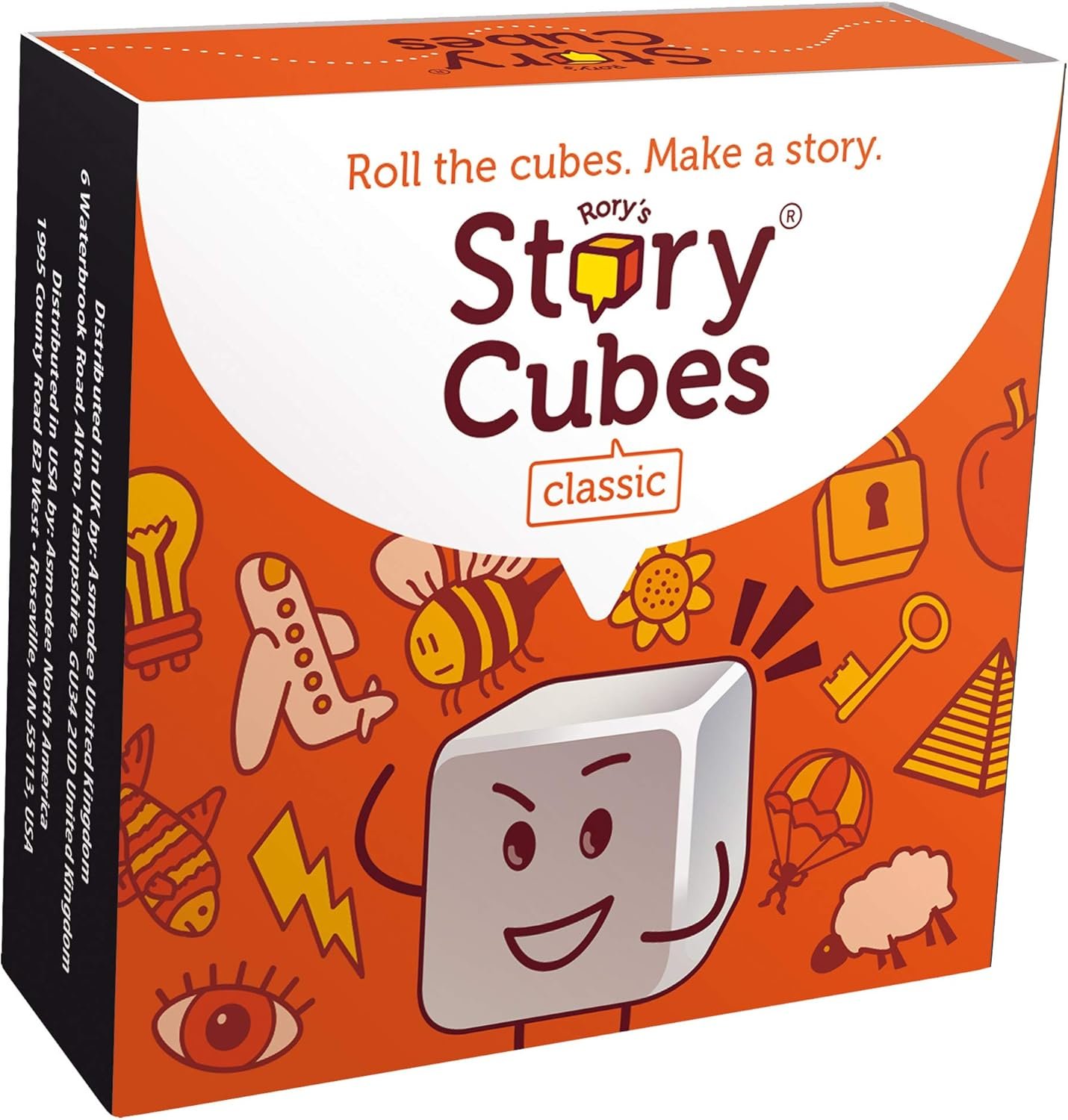
Rory’s Story Cubes are nine dice etched with pictograms used to spark storytelling. They’re fantastic for building creative thinking, language skills, and flexible thinking—areas where many ADHD kids thrive when supported.
Why ADHD kids love them:
- Encourages narrative thinking and imaginative play.
- Great for social interaction and cooperative storytelling.
- Helps develop sequencing and problem-solving skills.
Whether used solo or in a group, story cubes transform fidgeting into expressive, language-rich play.
Champion Sports Scooter Board
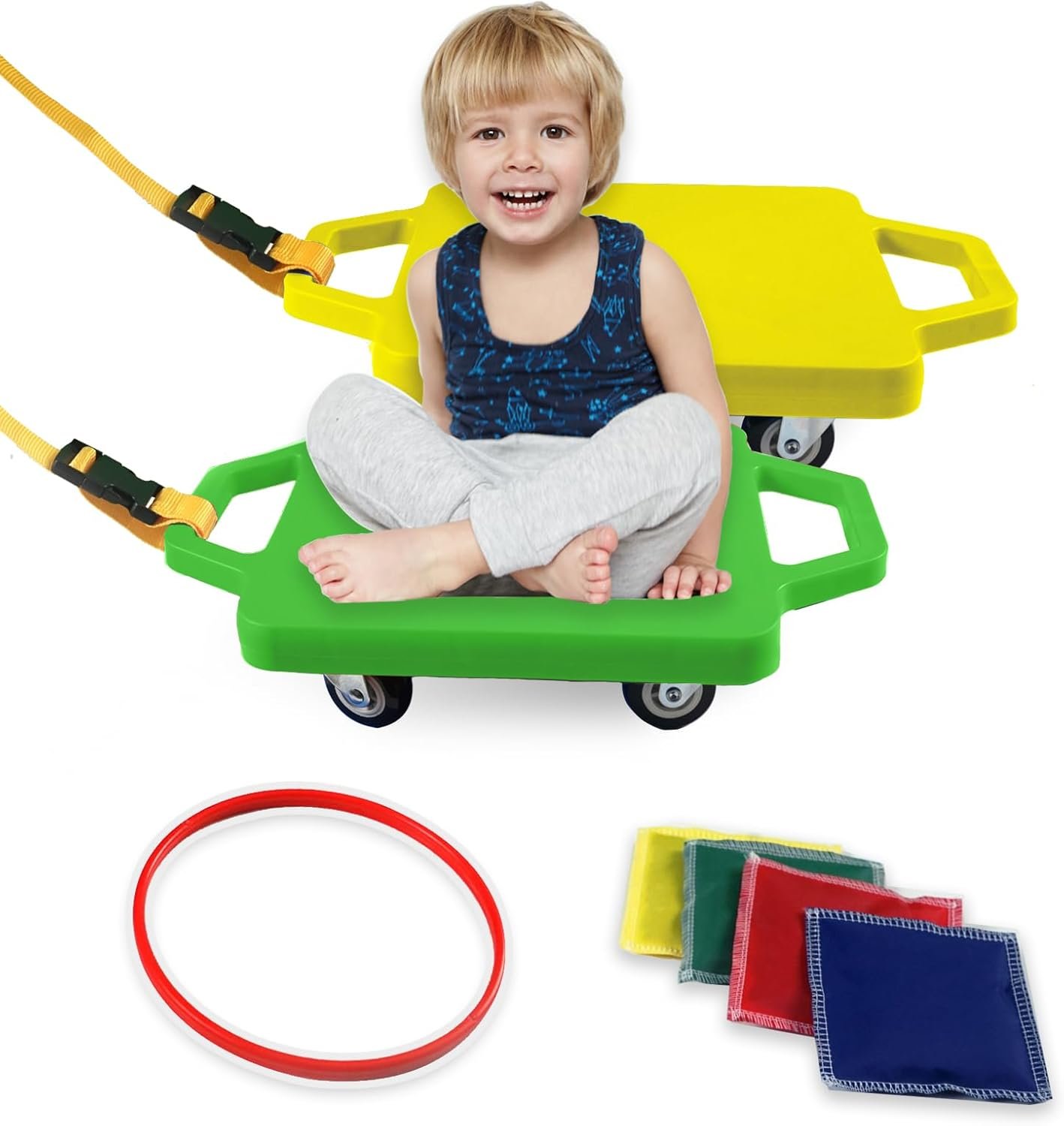
The Champion Sports Scooter Board is a classic tool in occupational therapy. Designed for floor-based movement, it allows kids to propel themselves using arms or legs, promoting coordination and vestibular input.
Key features:
- Strengthens core and upper body muscles.
- Offers a fun physical outlet for hyperactivity.
- Builds motor planning and balance.
Especially beneficial during indoor recess or therapy sessions, this scooter board is both a workout and a focus tool.
Kinetic Sand toys for Kids with ADHD
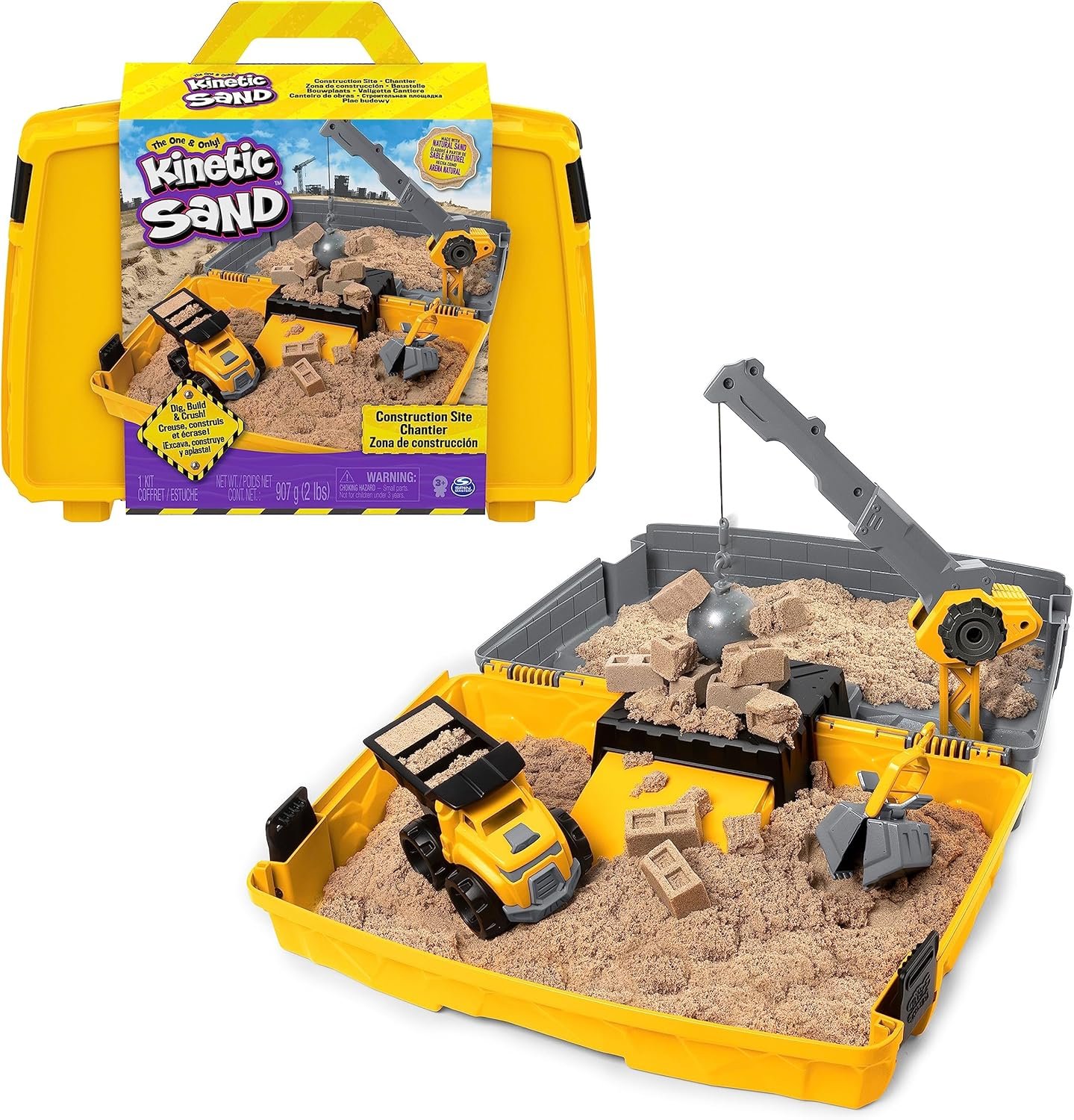
Kinetic Sand toys for ADHD kids is a moldable, sensory-rich material that mimics wet beach sand but never dries out. It’s ideal for calming, creative play.
Therapeutic benefits:
- Encourages mindfulness and sensory exploration.
- Supports fine motor skills through squeezing, scooping, and shaping.
- Engages imagination in low-stimulation environments.
Its mess-free composition and versatility make it a favorite for both structured therapy and unstructured downtime.
Personalized Name Puzzle for Kids
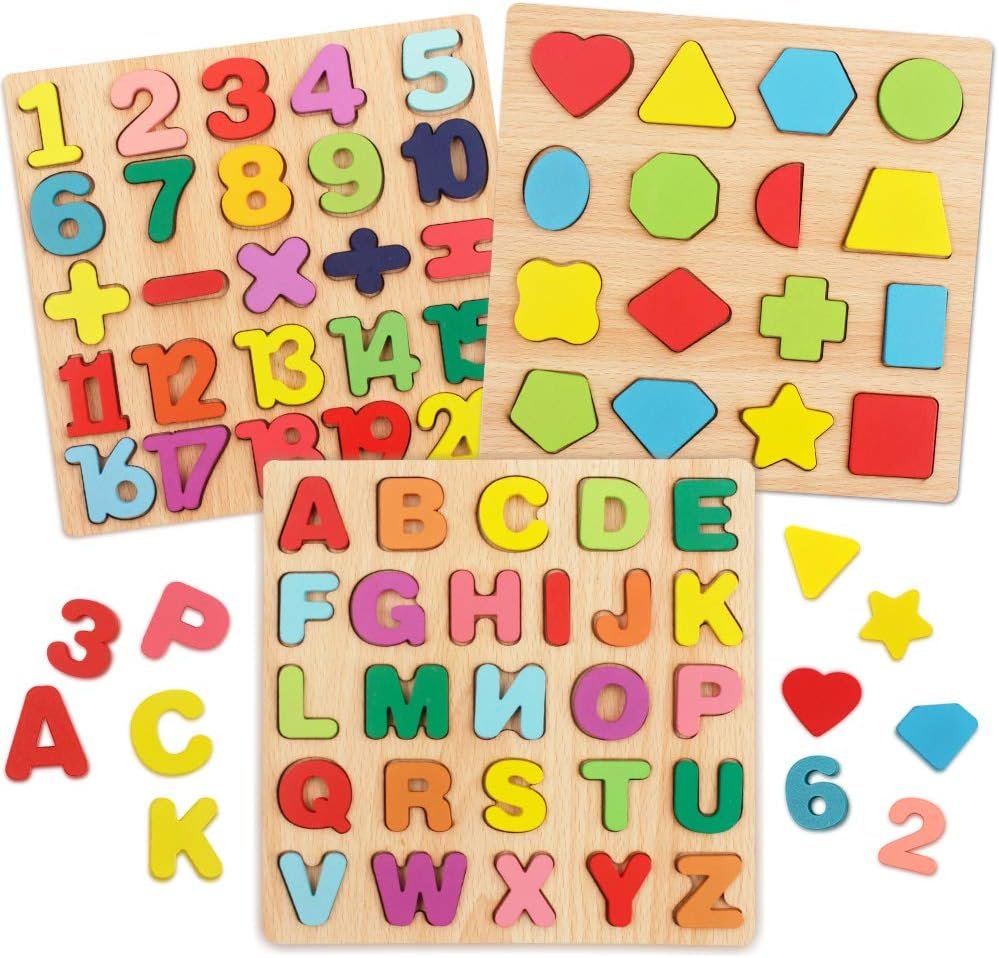
A Personalized Name Puzzle helps young children learn to spell and recognize their name while developing fine motor control. Made from wood or foam, the puzzle pieces provide tactile feedback that enhances spatial reasoning.
ADHD-friendly benefits:
- Builds confidence in early learners.
- Encourages attention to detail through hands-on interaction.
- Doubles as a decor item reinforcing identity and self-awareness.
Customizable and visually engaging, it’s a great tool for pre-K through early elementary-aged children.
Chew Stixx Pencil Topper for sensory kids
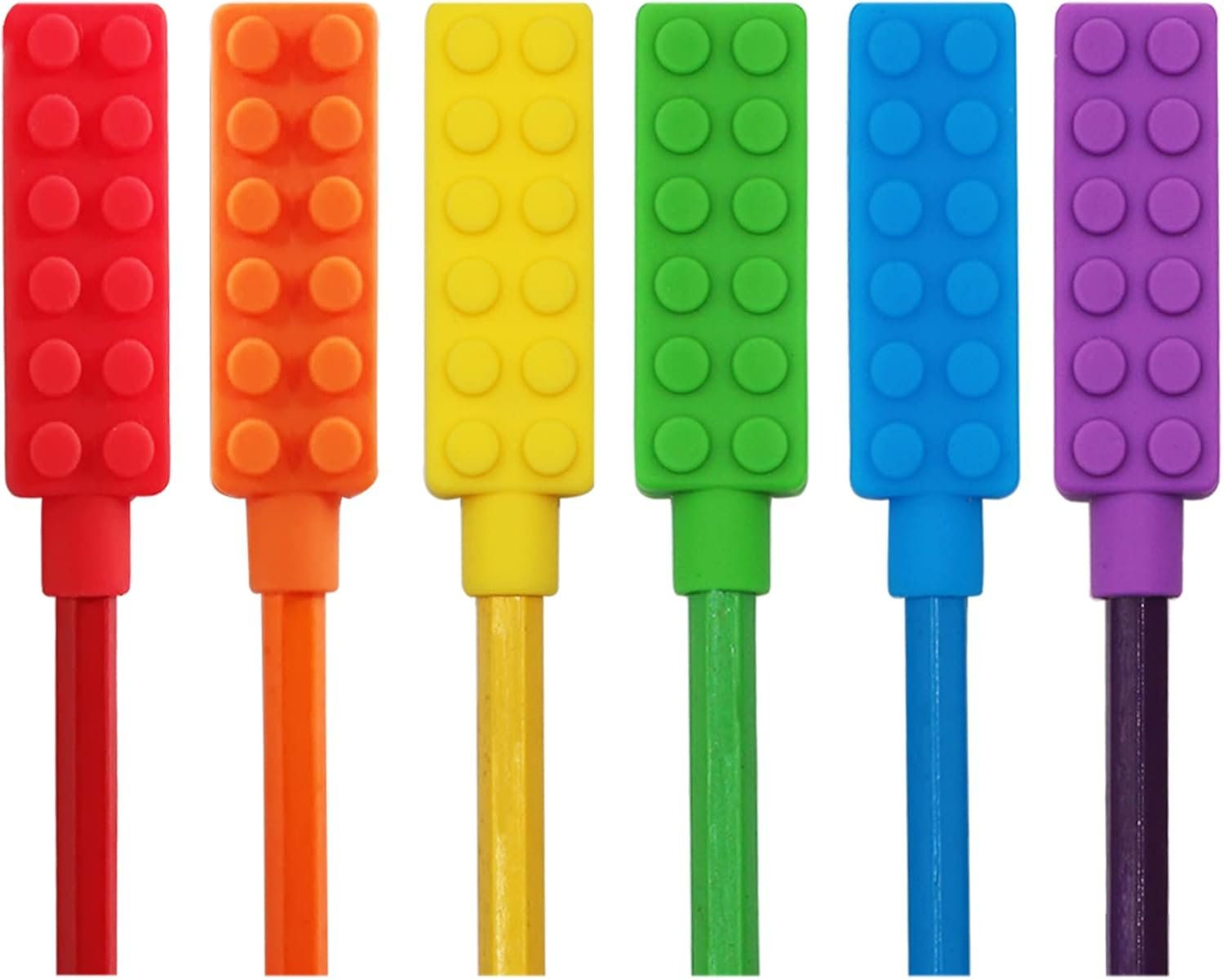
Chew Stixx Pencil Toppers are ideal for kids who seek oral sensory input—often chewing sleeves, collars, or pencil erasers. These non-toxic silicone toppers provide a safe, discreet way to satisfy that need.
Why they’re effective:
- Reduces classroom distractions from chewing inappropriate objects.
- Strengthens jaw and oral muscles.
- Promotes calm through self-soothing oral input.
Teachers appreciate their discreet design, and occupational therapists frequently recommend them as part of a sensory diet.
Teeter Popper ADHD kid toys
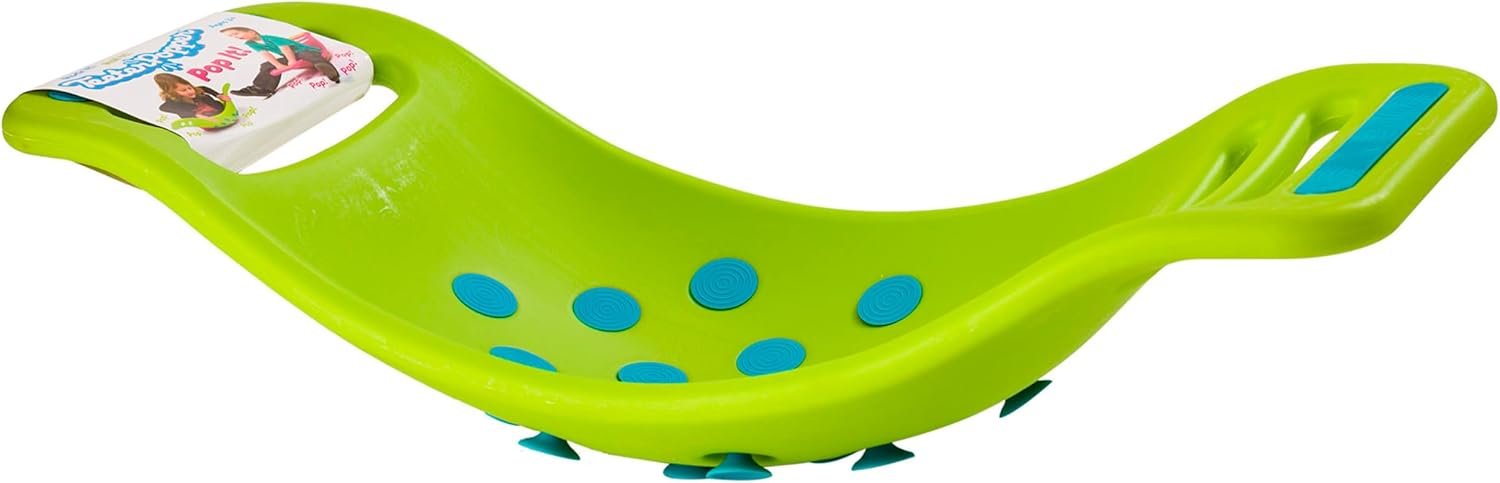
The Teeter Popper is a multi-use balance board that responds to movement with popping sounds and wobbling motion. This combination makes it fun while also enhancing physical development.
Core benefits:
- Builds gross motor skills and coordination.
- Provides vestibular stimulation, which supports attention and body awareness.
- Encourages imaginative play as it can be used sitting, standing, or rocking.
Children with ADHD often crave movement, and the Teeter Popper delivers in an engaging, safe, and creative way.
Spinning fidgets for kids
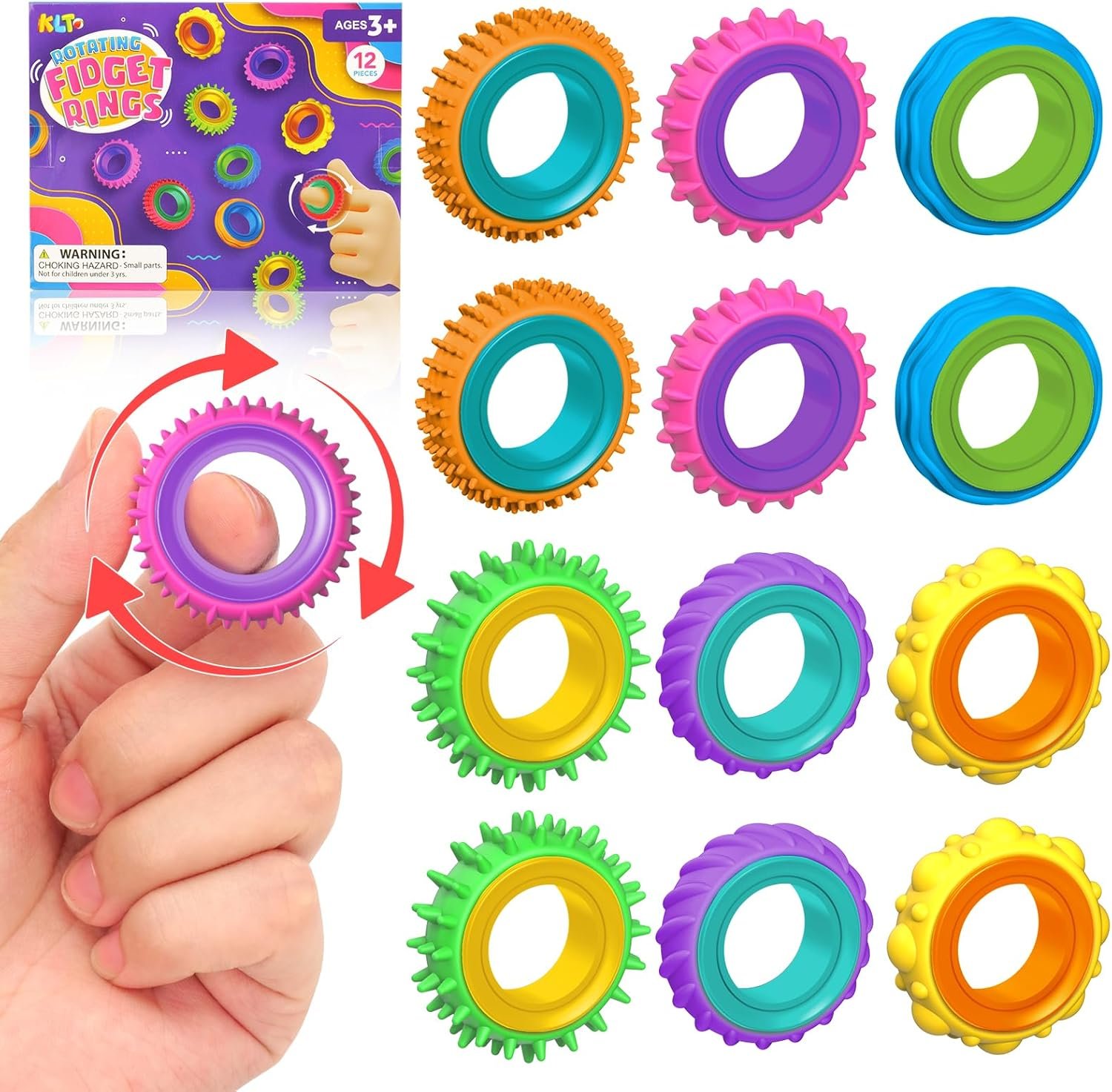
Spinning fidgets include items like fidget spinners, spinning rings, or rotating disks. These satisfy the need for continuous motion and can have a mesmerizing effect that soothes anxious energy.
Why they work:
- Offer rhythmic movement that promotes focus.
- Easy to use discreetly in classrooms or waiting rooms.
- Durable and satisfying for repetitive use.
Not all spinning fidgets are created equal—opt for well-balanced, quiet models for optimal results.
PlayTab – Modular, Sensory Activity Board for Babies and Toddlers
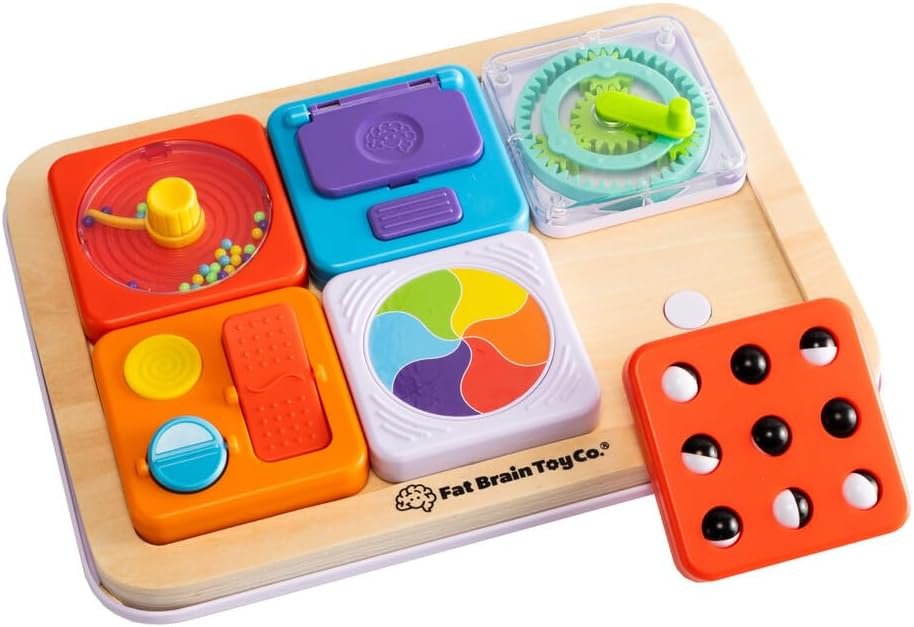
The PlayTab is a modular, wall-mount or tabletop sensory board ideal for younger children (ages 1–4). Designed to develop motor skills and sensory exploration, it’s perfect for toddlers showing early signs of ADHD or sensory sensitivities.
Why it’s a standout:
- Combines textures, colors, and manipulatives in one platform.
- Encourages visual tracking, hand-eye coordination, and tactile exploration.
- Can be updated with new panels for evolving engagement.
The PlayTab creates a safe, constructive play space that grows with your child’s needs.
Commonly Asked Questions about the Best Toys for Kids with Adhd (FAQs)
What types of toys are designed to help kids with ADHD?
Toys designed to help kids with ADHD often include fidget toys, sensory toys, and interactive games. These toys are specifically created to engage children, keeping their hands busy and their minds focused, which can help improve their attention span and play skills.
How do toys help release excess energy in hyperactive children?
Toys that encourage physical activity, such as jump ropes or balance boards, can be beneficial for hyperactive children. These toys provide an outlet for excess energy, allowing kids to channel their restlessness into active play, which can help them stay calm and focused.
Can sensory stimulation from toys improve social skills in kids with ADHD?
Yes, sensory stimulation from toys can enhance social skills in children with ADHD. Engaging in play with sensory toys often occurs in group settings, which encourages interaction and cooperation among peers, helping kids with short attention spans to develop better communication and teamwork skills.
What are lap pads and how do they help children with ADHD?
Lap pads are weighted pads that can be placed on a child’s lap to provide calming pressure. These toys for ADHD kids can help children ADHD feel grounded and focused, making it easier for them to concentrate on tasks or activities, especially in overstimulating environments.
How do rubbery toys benefit kids with ADD?
Rubbery toys, such as stress balls or stretchy figures, are excellent for kids with ADD as they provide tactile stimulation. These toys can help keep their hands busy and distract them from distractions, allowing for improved attention and engagement in activities.
What types of toys can help kids with ADHD improve their planning skills?
Toys that involve strategy and problem-solving, such as building sets or board games, can help children improve their planning skills. Engaging with these toys encourages kids to think ahead and develop cognitive skills while having fun.
Are there toys specifically designed for children with sensory processing issues?
Yes, there are many toys designed specifically for children with sensory processing issues. These toys often provide various textures, sounds, and movements to stimulate the senses and help kids feel more comfortable and focused, enhancing their overall play experience.
What role does physical activity play in managing ADHD symptoms?
Physical activity is crucial for managing ADHD symptoms as it helps to release excess energy and improve concentration. Toys that promote movement, such as scooters or climbing structures, encourage kids to engage in physical play, which can lead to better behavior and focus.
How can parents choose the right toys for their child with ADHD?
Parents should look for toys can help children with ADHD, and cater to their child’s specific needs, focusing on those that promote sensory stimulation, keep hands busy, and encourage physical activity. Consulting with educators or therapists can also provide guidance on selecting toys that will best support their child’s development and play skills.
Conclusion
For children and teens with ADHD kid toys are more than entertainment—they’re powerful tools for growth, regulation, and learning. Each child is unique, so the best toys for helping kids with adhd is one that aligns with their sensory preferences, developmental level, and specific challenges.
From calming sensory input with a Weighted Vest to cognitive stimulation through Rory’s Story Cubes, the right toy can transform frustration into focus. These carefully selected fidget and sensory ADHD toys provide structure, comfort, and creative engagement—three pillars in helping ADHD kids thrive at home, in school, and beyond.
When choosing a toy, consider not just the fun factor but also how it supports emotional regulation, cognitive development, and sensory needs. With the right tools, ADHD doesn’t have to be a limitation—it can be a superpower in the making.
Recommended posts
- Early Signs of ADHD in Newborns – What Parents Should Know!
- I Have No Patience for My ADHD Child: (Parents Coping Guide)
- ADHD and Speech Delay in Toddler: What’s the Connection?
- 504 Vs Iep for ADHD: Differences, Benefits & How to Decide
- 7 Best Sports for Kids with ADHD to Boost Focus & Confidence
- Early Signs of Autism in Babies for New Moms and Dads
- Top 7 Best Toys for Autistic Kids on Amazon: Expert Picks