
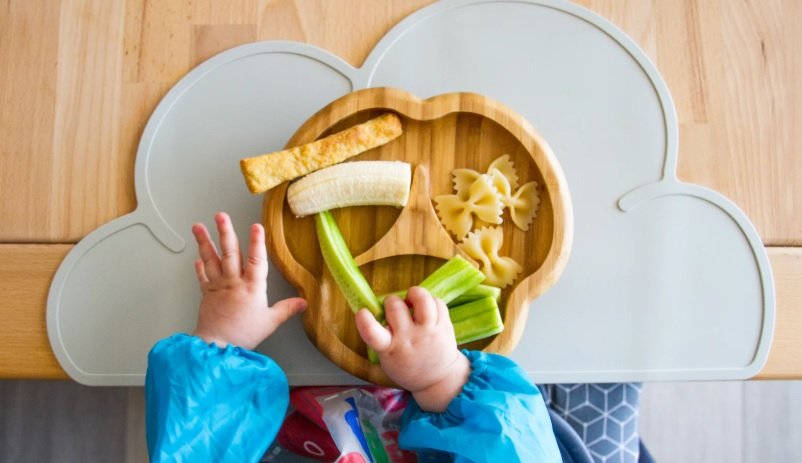
Baby Led Weaning Banana can turn a simple fruit into a powerful starter food, but where should you begin? Parents often ask how to slice, prep, or present bananas so babies can grasp them safely. Doesn’t it feel great when one simple tweak makes feeding smoother and stress-free?
This article walks you through smart banana prep ideas that support baby-led weaning with confidence. You’ll see expert-inspired methods like firm-grip cuts, ripeness tricks, and quick-freeze techniques praised by BLW specialist Gill Rapley. These tips help you serve bananas in ways that encourage independence and reduce frustration.
Plenty of clever banana strategies await you beyond these highlights. Curious to discover how small changes can transform your baby’s mealtime success? Let’s dive into the practical hacks trusted by experienced BLW parents and educators.
Why Bananas in a Baby-Led Weaning Diet?
Bananas are arguably one of the most popular first foods for BLW, and for very good reasons. Their naturally soft texture makes them safe for babies who are still learning how to chew using their gums.
Bananas also provide a satisfying hand-grip for babies practicing their pincer grasp, the developmental milestone that leads to more advanced self-feeding skills.
1. Nutrient-Dense for Growing Babies
Bananas are a powerhouse of vitamins and minerals that support early growth. They contain vitamin B6 (important for brain development), vitamin C (immune support), and potassium (critical for muscle and nerve function). They also supply small amounts of magnesium, copper, and manganese. Babies need nutrient-rich, easy-to-digest foods when transitioning to solids, and bananas check all the boxes.
2. Naturally Sweet and Palatable
Most babies enjoy the mild sweetness of bananas, making mealtime more inviting. The natural sugar in bananas is balanced by dietary fiber, helping to promote healthy digestion as babies adjust to new foods and textures.
3. Portable and Convenient
Bananas are one of the easiest foods for on-the-go feeding. You don’t need to cook or prepare them in advance—simply peel, cut appropriately, and serve. They are ideal for quick snacks, travel days, daycare lunches, and busy parents looking for fast nutrition options.
4. Gentle on Baby’s Digestive System
Bananas are gentle, easy to digest, and less likely to cause allergic reactions compared to many other first foods. Their smooth texture helps support digestive comfort, and their soluble fiber can help normalize bowel movements.
3 Baby Led Weaning Banana Hacks
Introducing solids to your baby can feel overwhelming. Bananas are perfect for baby-led weaning (BLW). They are soft, nutritious, and easy to handle. Here are three essential banana hacks every parent should know.
1. Freeze Bananas for Easy Teething Relief
Freezing bananas transforms them into a soothing teething snack. Simply peel and slice the banana, then freeze on a tray. Frozen banana pieces provide a cold, soft treat that relieves sore gums. This method also reduces mess during feeding. Babies love the natural sweetness without added sugar. Transitioning from purees to finger foods becomes smooth with frozen banana bites.
2. Make Banana “Fries” for Better Grip
Cut bananas into stick-shaped fries for easy handling. This size is perfect for tiny hands, promoting self-feeding skills. Slightly under-ripe bananas hold their shape better. You can lightly toast them to add firmness, making them less mushy. Serve as a quick snack or alongside other soft fruits. This simple hack improves coordination and encourages independence in eating.
3. Combine Banana with Other Nutritious Foods
Pairing bananas with other soft foods boosts nutrition. Mash or slice bananas and mix with avocado, yogurt, or oatmeal. This combination introduces new flavors and textures without overwhelming your baby. It also increases protein, healthy fats, and vitamins in each meal. Start with small portions, then gradually increase as your baby gets comfortable. This approach keeps mealtime fun and educational.
Tips for Safe Baby Led Weaning with Bananas
- Always supervise your baby while eating.
- Cut bananas into manageable sizes to prevent choking.
- Avoid honey for children under one year.
- Introduce one food at a time to check for allergies.
- Choose ripe but firm bananas for best results.
Why Bananas Are Ideal for Baby Led Weaning
Bananas are naturally soft, easy to digest, and packed with potassium. They support healthy growth and energy levels. Their natural sweetness encourages babies to try more fruits.
With proper preparation, bananas reduce the risk of choking. They are versatile for snacks, meals, and teething solutions. Parents can adapt them to multiple recipes for variety and taste.
How Much Banana Can a Baby Eat Per Day?
“Food before one is just for fun.” This adage is a helpful reminder that from 6 to 12 months, a baby’s primary nutrition should still come from breast milk or formula. Solid foods are for exploration, skill development, and supplemental nutrition.
Therefore, there is no strict “rule” on the exact amount of banana your baby can eat. A good starting point is to offer 2-3 tablespoons of mashed banana or a 2-3 inch spear as part of a varied meal. Watch for your baby’s cues—if they turn their head away, become disinterested, or play with the food more than they eat it, they are likely finished.
These are not strict medical recommendations—just commonly accepted portion ideas for babies practicing self-feeding:
| Baby’s Age | Approx. Daily Serving |
|---|---|
| 6–8 months | 1–3 tablespoons mashed OR ¼–½ small banana |
| 9–12 months | ½ small banana OR slices equivalent to ⅓–½ medium banana |
| 12+ months | ½–1 banana depending on appetite |
These portions help babies receive the benefits of bananas without relying on them exclusively. Babies still need a mix of veggies, proteins, healthy fats, and grains.
How To Cut Banana for Baby Led Weaning (As Finger Food)
One of the biggest concerns for parents is how to cut foods safely for BLW. Bananas are naturally soft, but the right shapes can drastically reduce frustration and improve grip.
1. For 6–7-Month-Old Babies (Palmar Grasp Stage)
At this age, babies use their entire palm to hold objects. The best cuts include:
Banana Spears
Cut the banana into long strips about the width of two adult fingers. This gives your baby enough length to hold onto without the piece breaking too easily.
How to make banana spears:
- Cut a banana in half.
- Quarter each half lengthwise.
- Remove any overly slippery strings that might make gripping harder.
Peel-Assist Hack
This is one of the best BLW banana hacks. Peel the banana halfway, leaving the bottom peel intact. The peel acts like a handle and reduces slipperiness.
2. For 8–10-Month-Old Babies (Improving Grip)
As the pincer grasp begins emerging, babies can handle smaller pieces:
Chunky Pieces
Cut the banana into thick half-moon chunks or coin shapes, about 1–2 inches wide. Avoid thin coins, which can become slippery and pose a choking hazard.
3. For 10–12 Months and Up (Advanced Pincer Grasp)
Now babies can explore smaller, bite-sized pieces:
Banana Cubes
Cut small chunks, roughly the size of peas or small grapes, allowing your baby to practice fine-motor precision.
How to Serve Bananas to Baby?
Bananas can be served in a variety of forms depending on age, confidence, and preference.
1. Fresh and Raw
Raw banana remains the most popular choice. Ensure it is ripe—yellow with a few brown flecks—so it’s soft enough for gums.
2. Mashed Banana
Great for spoon-feeding or preloaded spoons in BLW, mashed banana is perfect for younger babies who are learning to lick food off feeding utensils.
How to prepare:
- Mash a small piece of banana with a fork.
- Add breast milk, formula, or a touch of water for a thinner consistency.
3. Mixed With Other First Foods
Bananas combine extremely well with:
- Avocado
- Oatmeal
- Yogurt
- Cooked pear or apple
- Peanut butter (thinly mixed for allergy introduction)
This boosts nutrient diversity while offering new textures and flavors.
4. Lightly Warmed Banana
Gently warming mashed banana for a few seconds can make it softer and more aromatic. Always check temperature before serving.
Watch How to Make Banana Baby Food Video
Many parents prefer to watch step-by-step tutorials before trying a new baby food preparation method. Visual guides help you understand texture, portion, and safe cutting techniques. Follow a high-quality, reputable baby nutrition source that demonstrates:
- Proper banana texture for different ages
- Safety-focused cutting methods
- BLW vs. puree options
- Tips for serving banana with balanced meals
Watching trusted resources gives you confidence and peace of mind during feeding sessions.
More Banana Baby Food Recipes
Bananas are incredibly flexible, and there are many creative ways to offer them beyond simple slices or mash. These nutritious recipes keep things interesting and help your baby develop a diverse palate.
1. Banana & Avocado Mash
Combine equal parts of ripe banana and avocado. Mash until smooth or slightly chunky depending on your baby’s readiness. This blend is rich in healthy fats, fiber, and vitamins.
2. Banana Oat Bites (No Bake)
Mix mashed banana with finely ground oats to form a sticky oatmeal dough. Roll into small bite-sized pieces and refrigerate until firmer. These are ideal for older babies learning to pick up soft solids.
3. Warm Banana Cinnamon Mash
Mash banana and heat for 10 seconds. Sprinkle a tiny pinch of cinnamon for fragrance. Do not add sugar, honey, or sweeteners.
4. Banana Yogurt Swirl
Stir mashed banana into plain whole-milk yogurt. This adds natural sweetness and boosts probiotic intake.
5. Banana Pancakes (Just 2 Ingredients)
For babies 9 months and older, mix:
- 1 ripe banana
- 1 egg
Pan-fry tiny round pancakes in a nonstick pan without added sugar or salt.
6. Banana Chia Pudding
Mix mashed banana with chia seeds and breast milk or formula. Let it thicken for 10–15 minutes. Serve as a nutrient-dense, spoon-fed option.
How To Serve Frozen Banana for Teething Baby
Frozen bananas are one of the simplest, most soothing remedies for teething discomfort. Their cold, soft texture can comfort swollen gums while still providing nourishment.
1. Frozen Banana Spears
Cut ripe banana into long spears and freeze on parchment paper for 1–2 hours. Frozen spears give babies something cool to gnaw while still being soft enough to break down safely as they warm.
2. Mesh Feeding Feeder
Place a chunk of frozen banana inside a mesh or silicone feeder and let your baby suck and gnaw safely. This prevents large chunks from breaking off.
3. Frozen Banana Yogurt Pops
Blend banana with yogurt and freeze in small silicone molds. These mini popsicles are ideal for babies over 8 months who are used to thicker textures.
4. Frozen Banana Coins (For Older Babies Only)
Once your baby is skilled at chewing and handling food safely (typically 12 months+), you can offer small frozen banana coins. Avoid giving these to younger babies, as frozen coins can be too hard.
Common Questions about Baby-Led Weaning Banana Recipes (FAQs)
Are bananas a choking hazard for babies?
Bananas are generally not a choking hazard for babies when served correctly. Offering whole bananas or mashed banana puree can ensure safety. Always monitor your baby while eating, and cut bananas into manageable pieces to reduce any risk.
How to introduce bananas to a baby for the first time?
To introduce bananas to a 6 month old, start with mashed banana puree. Gradually progress to soft slices or strips. This allows your baby to explore taste and texture, promoting safe self-feeding habits while providing essential nutrients.
What are the symptoms of banana allergy in babies?
Symptoms of banana allergy in babies may include skin reactions like hives or rash, digestive issues such as vomiting or diarrhea, and respiratory problems like wheezing or difficulty breathing. If you suspect an allergy, consult your pediatrician for immediate evaluation and guidance.
What is the best banana baby food?
The best food for babies often includes banana puree, as it offers smooth texture and natural sweetness. Combining bananas with other fruits, like avocados or apples, enhances flavor and nutrition, making it a favorite among infants for introducing solids.
It’s okay to stick to purees banana for baby?
Yes, it’s okay to stick to banana puree for your baby, especially in the beginning stages of weaning. Purees provide nutrition and ease of digestion, but gradually introducing solid pieces will encourage self-feeding and improve motor skills over time.
What are the serving options for banana for 9 month old baby?
For a 9 month old baby, serving options include soft banana pieces, mashed banana, and banana mixed with yogurt or oatmeal. You can also offer banana pancakes or muffins to introduce new textures, encouraging exploration while providing essential nutrients.
Conclusion
So, how to serve banana baby led weaning? Bananas are an exceptional choice for baby-led weaning—easy ways to serve bananas to your baby naturally. Whether you’re offering banana spears to a 6 month old baby and toddler, mixing mashed banana into yogurt, or preparing frozen banana snacks for a teething baby, this fruit adapts perfectly to every stage of development.
With these three Baby Led Weaning Banana hacks shared in this guide—proper cutting, peel-assist grip, and creative serving variations—you can confidently incorporate bananas into your baby’s diet with safety and ease. As always, aim for variety, balance, and exploration at every meal. Bananas may be one of the easiest BLW foods, but their benefits are anything but simple.
Recommended posts
- What Is Baby Led Weaning (BLW): Benefits & Safety Tips
- Tips for Transitioning from Formula to Milk (Best Practices)
- How to Wean Off Pumping Without Pain? A Step-By-Step Guide
- The Best Baby Led Weaning Book – Every Parent Should Read
- Purees Vs Baby Led Weaning Comparison (The Great Debate)
- Best 8 Month Old Baby Led Weaning Recipes (Easy Meal Ideas)

