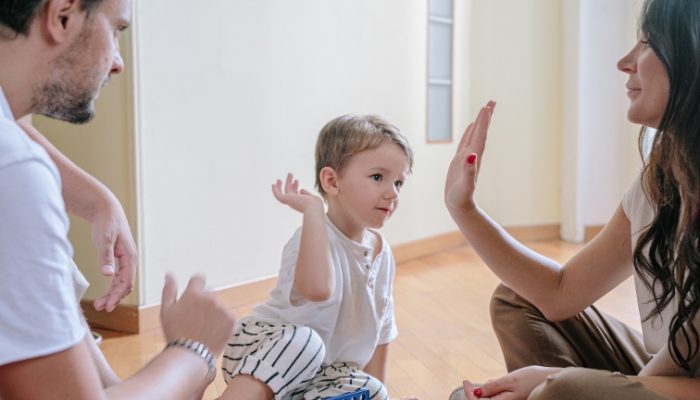
How do the bonds we form with our children shape who they become? Attachment Theory and Parenting Styles are key concepts in understanding child development and emotional health. Whether you’re a new parent or a seasoned one, knowing how these two areas connect can make a huge difference in how your child grows up emotionally and socially.
Attachment Theory, introduced by John Bowlby and later expanded by Mary Ainsworth, explains how early emotional bonds influence lifelong behavior. Parenting styles—authoritative, authoritarian, permissive, and uninvolved—play a crucial role in shaping these attachments. This article breaks down how each style affects a child’s ability to form secure or insecure attachments.
Curious about which parenting style best supports healthy attachment? Or how your approach might influence your child’s future relationships and mental health? Keep reading—we’re diving deep into the science, expert insights, and real-life applications of Attachment Theory and Parenting Styles.
Link Between Attachment Theory and Parenting Styles
The link between attachment theory and parenting styles is crucial for understanding child development. Parenting practices significantly influence attachment styles in children, creating different attachment patterns. For instance, authoritative parenting often fosters a secure attachment style, while neglectful or uninvolved parenting may lead to insecure attachment.
Children with secure attachment are more likely to develop healthy relationships throughout their lives, demonstrating the profound impact of their early attachment experiences. When caregivers respond consistently and sensitively, they provide a secure base from which children can explore the world, fostering both independence and emotional confidence.
Conversely, inconsistent or overly harsh parenting may create anxiety in children, leading to anxious attachment styles or even disorganized attachment. This inconsistency can hinder emotional development and result in difficulties forming healthy relationships later in life.
By recognizing these connections, parents can adopt more mindful parenting practices that align with the principles of attachment theory, ultimately enhancing their child’s emotional well-being and fostering secure attachments. Understanding this dynamic is key to nurturing securely attached children who can thrive socially and emotionally.
Types of Attachment Styles:
There are four main types of attachment styles and parenting, developed through early relationships with caregivers. These styles shape how people form emotional bonds and relate to others in adulthood.
1. Secure Attachment
- Description: Comfortable with intimacy and independence. Trusts others and manages emotions well.
- Origin: Developed from consistent, responsive caregiving.
- Adult Behavior: Healthy relationships, good self-esteem, emotionally open.
2. Anxious (Preoccupied) Attachment
- Description: Craves closeness but fears abandonment. Often seeks constant reassurance.
- Origin: Inconsistent caregiving—sometimes nurturing, sometimes neglectful.
- Adult Behavior: Clingy, overly dependent, sensitive to relationship dynamics.
3. Avoidant (Dismissive) Attachment
- Description: Emotionally distant, values independence over closeness. Avoids intimacy.
- Origin: Caregivers were emotionally unavailable or rejecting.
- Adult Behavior: Difficulty trusting, may seem cold or detached, suppresses emotions.
4. Disorganized (Fearful-Avoidant) Attachment
- Description: Mixed feelings about relationships—wants closeness but fears getting hurt.
- Origin: Often stems from trauma or abuse; caregiving was frightening or chaotic.
- Adult Behavior: Unstable relationships, fear of intimacy, internal conflict.
Each attachment style can influence romantic relationships, friendships, and even workplace behavior. Would you like help identifying your own attachment style or how to shift toward a more secure one?
Bowlby Attachment Theory
John Bowlby’s attachment theory serves as the core framework for understanding the emotional bonds formed between a child and their primary caregiver. He posited that these early attachments are crucial for a child’s survival and overall development, influencing their ability to form relationships in adulthood.
Bowlby emphasized that a secure attachment provides a safe haven for the child, allowing them to explore their environment while knowing they can return to a supportive caregiver. This foundational relationship is critical for healthy emotional development and the establishment of future attachments.
Bowlby’s theory also highlights the importance of a secure base, which enables children to venture out and learn about their world with confidence. The quality of attachment formed during early childhood sets the stage for adult attachment styles, impacting how individuals relate to others in their relationships.
By understanding Bowlby’s insights into attachment theory, parents can better appreciate the significance of their interactions with their children. They can foster an environment that promotes secure attachment, paving the way for their child’s emotional health and interpersonal relationships throughout their lives.
Strange Situation (Ainsworth’s Attachment Theory)
Ainsworth’s Attachment Theory is called the strange situation is a seminal study designed to observe attachment styles in children. This structured studies revealed how children respond to separation and reunion with their primary caregiver in an unfamiliar environment.
Through this procedure, Ainsworth identified three main attachment styles: secure, avoidant, and anxious-resistant. Securely attached children exhibit distress when separated but are quickly comforted upon reunion, demonstrating a healthy bond with their caregiver. In contrast, avoidant children show little emotional response to separation and avoid contact upon reunion, indicating an insecure attachment.
Anxious-resistant children display intense distress when separated and may cling to their caregiver but also display ambivalence upon reunion. Ainsworth’s findings underscore the significance of sensitive and responsive caregiving in fostering secure attachment.
By understanding the outcomes of the Strange Situation, parents can recognize the impact of their interactions on their child’s attachment style. This awareness enables them to adjust their parenting practices to cultivate healthier attachment patterns, ultimately supporting their child’s emotional development and capacity for forming healthy relationships in the future.
🚩 8 Signs of Unhealthy Attachment in Children
Here are some common signs of unhealthy attachment in children, which may indicate difficulties in forming secure emotional bonds with caregivers:
1. Excessive Clinginess or Separation Anxiety
- Becomes extremely distressed when a caregiver leaves, even for short periods.
- Difficulty being comforted by others.
2. Lack of Eye Contact
- Avoids or shows discomfort with direct eye contact.
- May indicate emotional withdrawal or difficulty connecting.
3. Extreme Independence or Detachment
- Avoids seeking comfort or help from adults.
- Seems indifferent to caregiver’s presence or absence.
4. Aggressive or Controlling Behavior
- Attempts to control situations or people through aggression or manipulation.
- Often seen in children who feel insecure in relationships.
5. Poor Emotional Regulation
- Frequent, intense tantrums or emotional outbursts.
- Difficulty calming down without external help.
6. Difficulty Trusting Adults
- Reluctant to engage with or confide in caregivers or teachers.
- May test boundaries or resist authority.
7. Inappropriate Friendships or Relationships
- Becomes overly attached to strangers or has difficulty forming age-appropriate peer relationships.
8. Low Self-Esteem or Negative Self-Image
- Expresses feelings of worthlessness or being unlovable.
- May not respond well to praise or encouragement.
These signs may be more concerning if they persist over time or occur across different settings (home, school, etc.). Early intervention from a child psychologist or counselor can make a significant difference.
How Your Attachment Style Affects Parenting?
Your own attachment style can significantly impact your parenting practices and the attachment styles you foster in your children. For example, individuals with a secure attachment style tend to practice responsive and nurturing parenting, which promotes the same secure attachment in their children.
Conversely, parents with insecure attachment styles, such as avoidant or anxious, may struggle to provide the emotional support their children need, potentially perpetuating cycles of insecurity in attachment. This interplay highlights the importance of self-awareness in parenting.
Understanding your attachment style can empower you to make conscious choices in your parenting approach. For instance, if you recognize tendencies associated with avoidant attachment, you can work towards being more emotionally available and responsive to your child’s needs.
Reflection and personal growth are essential in breaking negative attachment patterns, allowing you to create a more supportive environment for your children temperament. By addressing your attachment experiences, you can foster healthier relationships and secure attachment in your family, ultimately enhancing emotional development across generations.
Strategies for Developing Secure Attachment with Your Kids
Developing a secure attachment with your children is crucial for their emotional, social, and cognitive development. Securely attached children tend to have better self-esteem, stronger relationships, and greater resilience. Here are key strategies to foster secure attachment:
1. Be Responsive to Your Child’s Needs
- Tune into cues: Respond promptly and sensitively to their physical and emotional needs (hunger, comfort, play, distress).
- Consistency matters: A predictable response helps them trust you.
2. Provide Emotional Warmth and Affection
- Physical touch: Hugs, cuddles, and gentle touch release oxytocin (the “bonding hormone”).
- Verbal reassurance: Use loving words like, “I’m here for you,” “You’re safe,” and “I love you.”
- Eye contact & smiles: These non-verbal cues strengthen connection.
3. Create a Safe and Predictable Environment
- Routines: Consistent mealtimes, bedtime rituals, and daily structure help kids feel secure.
- Calm discipline: Set boundaries gently without shaming or harsh punishment.
4. Practice Active Listening & Emotional Validation
- Acknowledge feelings: “I see you’re upset. Do you want to talk about it?”
- Avoid dismissing emotions: Even if their worries seem small, take them seriously.
5. Be a Secure Base for Exploration
- Encourage independence: Let them explore while staying available if they need reassurance.
- Celebrate their efforts: “You tried so hard! I’m proud of you.”
6. Repair After Conflicts
- Apologize if needed: “I’m sorry I yelled earlier. Let’s talk about it.”
- Reconnect: After a disagreement, reassure them of your love.
7. Model Healthy Relationships
- Show secure attachment behaviors in your own relationships (e.g., empathy, trust).
- Demonstrate emotional regulation: Kids learn coping skills by watching you.
8. Limit Distractions During Bonding Time
- Quality time: Engage in undivided attention (reading, playing, talking) without phones or distractions.
9. Be Patient with Separation Anxiety
- Gradual goodbyes: If they struggle with separation, reassure them you’ll return.
- Keep promises: Follow through to build trust.
10. Seek Support If Needed
- If you had an insecure attachment yourself, therapy or parenting classes can help break negative cycles.
Remember: Secure attachment isn’t about perfection—it’s about being emotionally available, consistent, and loving. Over time, your child will internalize the message: “I am safe, loved, and worthy.”
Frequently Asked Questions About Attachment Parenting (FAQs)
What makes the difference in attachment quality or style?
Attachment and parenting style shape attachment quality. Responsive, consistent care fosters secure bonds; neglect or inconsistency leads to anxious or avoidant styles. Early caregiver interactions are key.
How does attachment theory and parenting styles related?
Child attachment is shaped by parenting styles. The role of attachment is vital—responsive care fosters security, while neglect causes insecurity. Children and parents bond through consistent, loving interactions.
What is the core of attachment theory in relation to attachment in childhood?
The core of attachment theory refers to the emotional bond that develops between a child and their caregiver during the early years of human development. This bond is crucial for the child’s sense of security and affects their attachment style in adulthood.
How do different attachment styles affect parenting styles?
Different attachment styles can significantly influence parenting styles. For instance, parents with a secure attachment style are more likely to foster a nurturing environment, while those with avoidant or ambivalent attachment styles may struggle to connect emotionally with their children.
Can understanding attachment theory help improve parent and child relationships?
Yes, understanding attachment theory can help parents recognize their own attachment styles and how these impact their interactions with their children. This awareness can lead to more positive parenting strategies that promote secure attachment in children.
What are the implications of insecure avoidant attachment in childhood?
Children with insecure avoidant attachment style may struggle with emotional expression and may appear distant or aloof. This attachment style may lead to difficulties in forming close relationships in adulthood and can affect their emotional well-being.
What role does disorganized attachment style play in a child’s development?
Disorganized attachment style, often resulting from inconsistent or frightening caregiver behavior, can lead to confusion and anxiety in children. This attachment style may impact their ability to regulate emotions and establish healthy relationships later in life.
How can parents foster secure attachment in their children?
Parents can foster secure attachment by being responsive and sensitive to their child’s needs, providing a consistent and nurturing environment, and encouraging open communication. This helps children feel safe and supported, promoting secure attachment.
What are the characteristics of ambivalent attachment style in children?
Children with ambivalent attachment style often exhibit clinginess and anxiety when separated from their caregiver. child may be difficult to soothe and often display mixed emotions, which can stem from unpredictable caregiver responses during attachment in childhood.
How does attachment and emotional development interconnect?
Attachment and emotional development are closely linked; healthy attachment relationships support emotional regulation, resilience, and social skills in children. Conversely, insecure attachment can hinder emotional growth and lead to challenges in interpersonal relationships.
What are the applications of attachment theory in therapeutic settings?
The applications of attachment theory in therapeutic settings include helping individuals understand their attachment styles, addressing relational issues, and promoting healthier relationships. Therapists often use attachment theory to explore the impact of childhood attachments on current emotional and relational challenges.
Conclusion
How does attachment theory and parenting styles related? In conclusion, understanding the connection between children’s attachment and parenting styles is essential for fostering healthy emotional development in children. The attachment styles formed in early childhood have a profound impact on future relationships and overall well-being. By being aware of their own attachment style and its influence on parenting practices, caregivers can promote secure attachment and break cycles of insecurity. Implementing strategies to develop secure attachment not only benefits children in their formative years but also shapes their ability to form healthy relationships as adults. Ultimately, fostering secure attachment is a critical investment in a child’s emotional health and their capacity to thrive in life.
Recommended posts
- Uninvolved Parenting Style: Traits, Risks, and Consequences
- What Does Present Parenting Mean? A Guide for Mindful Parent
- Gentle Parenting Vs Authoritative Parenting (Pros and Cons)
- Impact of Parenting Styles on Child Development: (Must-Read)
- Top Books About Attachment Parenting – Every Parent Should Read
- Generation X Parenting: A New Parent Generation Raising Gen Z
- Reflective Parenting Training That Raise More Confident Kids