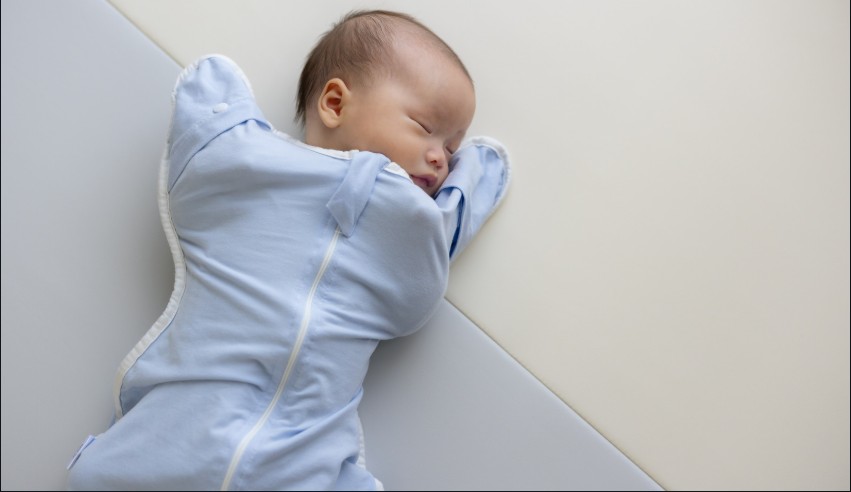
Are sleep sacks safe for newborns, or should you stick to traditional swaddling? With so many baby sleep products on the market, it’s easy to feel unsure about what’s best. Many parents are turning to sleep sacks—but is this cozy option the right choice for your little one?
Sleep sacks are generally considered safe for newborns when used correctly. Designed to reduce the risk of suffocation and Sudden Infant Death Syndrome (SIDS), they help keep babies warm without covering their faces. In this article, we’ll break down the benefits, safety guidelines, and expert tips for using sleep sacks with newborns.
Dr. Rachel Moon, chair of the AAP Task Force on SIDS, supports wearable blankets like sleeping bags as part of a safe sleep environment. Curious if your baby should start wearing one tonight? Let’s explore everything you need to know to keep your newborn safe and snug.
Do Sleep Sacks Help Babies Sleep?
Sleep sacks can significantly aid in helping babies fall asleep and stay asleep throughout the night. They provide a warm, comfortable environment that mimics the swaddling effect, promoting a sense of security for your little one.
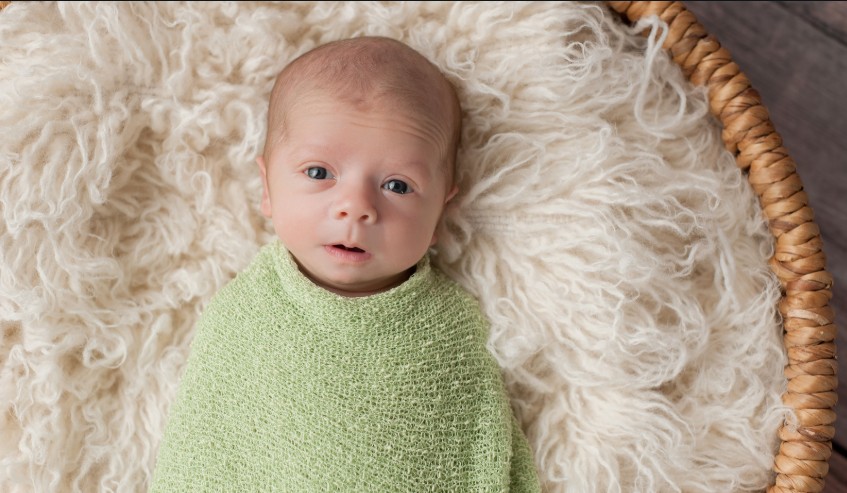
Many parents report that their babies sleep better when they are in a sleep sack compared to using loose bedding. This is particularly beneficial during the early months when a consistent sleep routine is essential for both baby and parent.
Moreover, sleep sacks are designed to ensure that the baby remains comfortable while also allowing them to move freely. Unlike traditional blankets that can easily be kicked off, a baby in a sleep sack stays warm without the risk of overheating.
This feature is essential for maintaining an excellent room temperature, which is vital to reduce the risk of Sudden Infant Death Syndrome (SIDS). Overall, sleep bags offer a practical solution to improve baby night sleep quality while adhering to safe sleep guidelines.
Are Sleep Sacks Safe for Newborns?
Sleep sacks, when properly used, are considered a safe alternative to loose blankets. The American Academy of Pediatrics (AAP) endorses the use of sleep sacks as part of a safe sleep environment for infants.
These wearable blankets eliminate the risks associated with loose bedding, which can pose suffocation hazards. By keeping the arms free, sleep sacks also allow for natural movement, which is essential for babies developing motor skills.
When selecting a sleep sack, it’s important to choose one that fits your baby properly. A snug fit around the neck and shoulders helps to ensure that the sleep sack stays in place while allowing for movement.
Additionally, parents should avoid weighted sleep sacks for newborns, as they may pose safety risks. Overall, when you choose sleep sacks that are the right size and follow safe sleep practices, they can provide a safe sleeping solution for your infant.
When to Start Using a Sleep Sack?
You can start using a sleep sack for your baby as early as 2 months old, especially if your baby shows signs of rolling or has outgrown swaddling.
At this stage, transitioning to a sleep sack is beneficial as it allows for more freedom of movement while still providing warmth. A sleep sack that fits snugly around the body but allows the legs to move freely can help your baby feel secure without restricting their natural movements.
Moreover, many parents find that a sleeveless sleep sack is ideal for warmer months, ensuring that their baby stays comfortable without overheating.
As part of a safe sleep environment, introducing a sleep sack at the right time can help your baby establish a consistent bedtime routine. It’s essential to monitor your baby’s comfort level and adjust their sleepwear as needed to ensure they are cozy and secure while sleeping.
When Should you Stop Using a Sleep Sack?
Generally, parents may consider transitioning their baby out of a sleep sack around 12 months of age, or when the little one shows signs of rolling and sitting independently.
At this point, your baby may be ready to explore their sleeping environment and may no longer require the security that a sleep sack provides. However, transitioning should be done gradually to ensure that your child feels secure and comfortable during sleep.
Parents should also observe their child’s developmental milestones closely. If your baby starts to try climbing out of the crib, it may be a sign that it’s time to stop using a sleep sack.
Transitioning to a regular blanket can be done once your child is more mobile and can safely navigate their sleep space. This gradual approach helps to maintain a safe sleep environment while allowing your child to adapt to their new sleeping conditions.
Are Weighted Sleep Sacks Safe for Babies?
Weighted sleep sacks have become a popular choice among parents looking to help their babies feel more secure during sleep. However, the safety of weighted sleep sacks for infants remains a topic of discussion.
The American Academy of Pediatrics (AAP) recommends avoiding any sleep products that are not specifically designed for infants, including weighted swaddles. This is primarily due to concerns regarding the potential risk of suffocation and restricted movement.
Parents should prioritize choosing sleep sacks that are lightweight and breathable to ensure that the baby’s sleep environment remains safe. A sleep sack that fits properly and allows for natural movement is essential for a baby’s development and safety.
While it may be tempting to try weighted options, sticking to traditional sleep sacks designed for babies is the best way to ensure compliance with safe sleep recommendations and practices.
How Long Can a Baby Wear a Sleep Sack?
Babies can typically wear a sleep sack until they reach about 12 months of age, although this can vary based on individual development. Once your baby begins to show signs of rolling, sitting up, or climbing, it may be time to evaluate their sleepwear.
Sleep sacks can provide warmth and comfort during the early months of baby sleep but should be adjusted as your little one grows and develops new skills.
Furthermore, it’s crucial to ensure that the sleep sack remains the appropriate size as your baby grows. A sleeping bag that fits poorly can lead to discomfort or potential safety hazards.
As your child approaches the one-year mark, consider transitioning them to a lightweight blanket or other appropriate sleepwear that aligns with their developmental stage. This transition should be gradual, ensuring your baby continues to feel secure and comfortable during sleep.
Commonly Asked Questions about Sleep Sacks for Babies Bedtime (FAQs)
How long can babies use sleep sacks?
Babies can use sleep sacks until they outgrow them or start rolling over (typically 6-12 months). Transition to blankets or wearable blankets when they can stand or climb out (12-24 months).
How do I transition to a sleep sack?
To transition to a sleep sack, start by using it during naps, then nighttime. Ensure proper sizing (snug but room to move) and choose appropriate TOG for the season.
How many sleep sacks do I need?
2-3 sleep sacks are ideal: one in use, one spare, and a lighter/heavier one for varying temperatures. Rotate as needed for laundry or seasonal changes.
How to dress your baby under the sleep sack?
Dress baby in light layers (e.g., onesie or pajamas) matching room temperature. Avoid overheating—use breathable fabrics. Adjust based on sleep sack’s TOG rating (warmer sack = lighter clothing underneath).
How do you transition your baby from swaddle to sleep sack?
To transition from swaddle to sleep sack, start with one arm out for a few nights, then both baby arms. Use a sleeveless sleep sack for safe movement.
What are the benefits of a sleep sack?
Sleep sacks keep babies warm safely, reducing SIDS risk by replacing loose blankets. They promote better sleep with a snug feel, allow movement, and prevent climbing out of the crib.
Why are weighted sleep sacks dangerous?
Weighted sleep products increase the risk of suffocation, restricted breathing, and SIDS due to excess pressure on a baby’s chest. Experts warn against them for safe sleep.
Conclusion
Are sleep sacks safe for infants? In summary, sleep sacks are a safe and practical option for newborns and infants, provided they are used correctly. They offer numerous benefits, including warmth and a sense of security while adhering to safe sleep guidelines set by the AAP. Parents can start using sleep sacks as early as 2 months old, transitioning out of them around 12 months. While considering the safety of weighted blankets, it’s best to stick to standard sleep sacks that fit properly and allow for natural movement. By keeping these guidelines in mind, parents can create a safe and comfortable sleep environment for their little ones.
Recommended posts
- Can Newborn Sleep Without Swaddle: (Pros and Cons)
- Is It Safe for Newborn Sleeping on Pillow? (Expert Advice)
- Best Tips for Dressing Newborn for Sleep in Every Season
- When Can Toddler Sleep with Pillow: (Safe Sleep Guidelines)