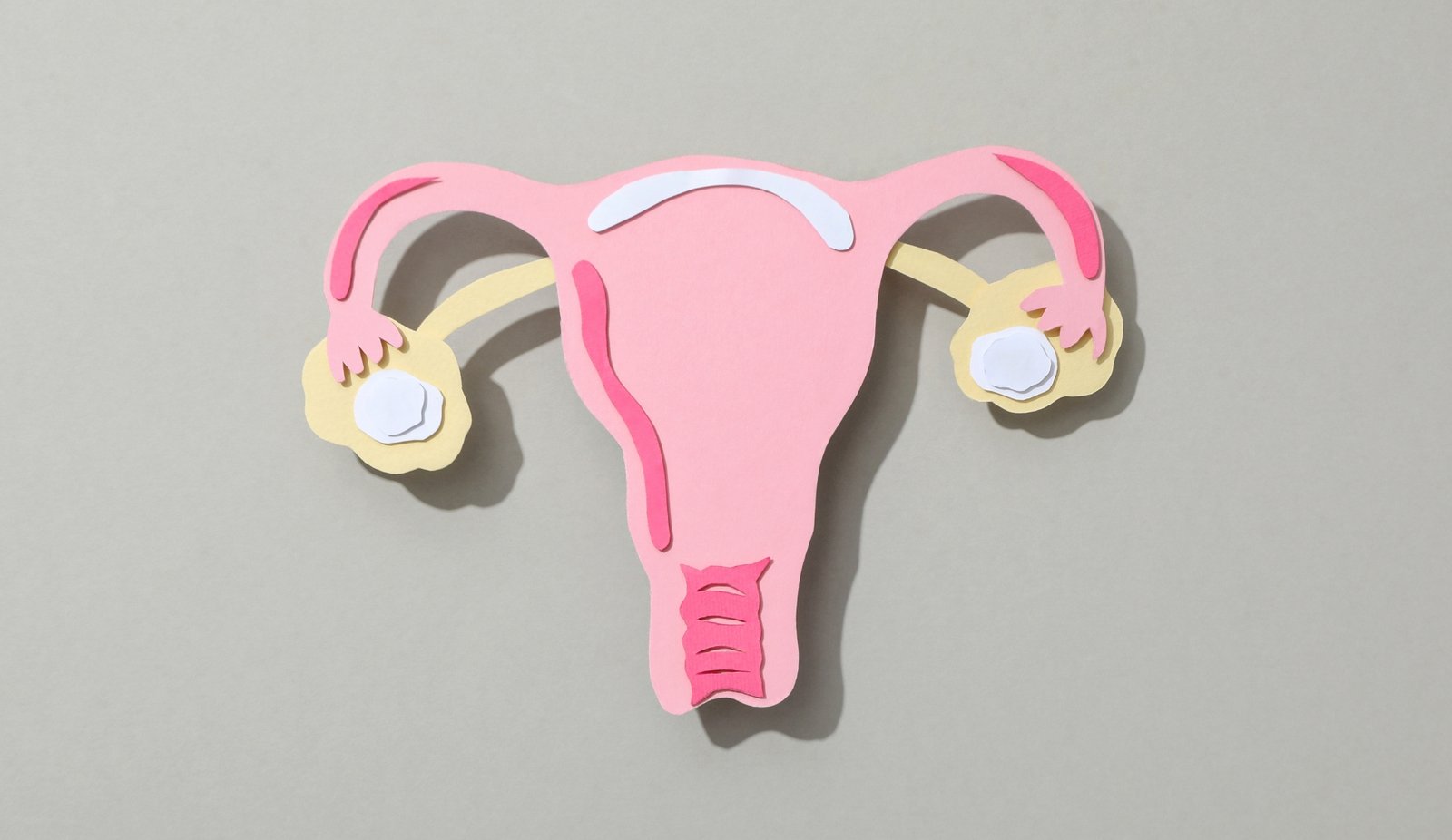
Adenomyosis fertility—can this painful condition stand in the way of your dream to become a parent? If you’ve been diagnosed with adenomyosis, you might be wondering how it affects conception and pregnancy. Is natural pregnancy still possible, or will treatment be necessary?
Adenomyosis, where endometrial tissue grows into the uterine muscle, can cause heavy bleeding, pain, and sometimes infertility. It may interfere with implantation or disrupt the uterine environment. In this post, we explain how it impacts fertility, discuss treatment options, and share what current research reveals.
Dr. Aimee Eyvazzadeh, a leading fertility expert, often discusses how early diagnosis and targeted therapies can help women with adenomyosis conceive successfully. Want to know the strategies to improve your chances? Let’s walk through the science, symptoms, and real solutions together.
Endometriosis and Adenomyosis – How they Can impact your Fertility
Endometriosis and adenomyosis are both conditions characterized by the presence of endometrial tissue outside the uterus or within the uterine wall, respectively. This can lead to significant complications for women with adenomyosis, particularly regarding fertility.
The association between adenomyosis and infertility is well-documented; it may cause alterations in the endometrium of women with adenomyosis, which affects embryo implantation and pregnancy rates.
Furthermore, the inflammation and scarring associated with both conditions can disrupt normal reproductive processes, leading to lower clinical pregnancy rates and live birth rates in women with adenomyosis compared to those without adenomyosis.
Moreover, the presence of adenomyosis may exacerbate the symptoms of endometriosis, further complicating the fertility outcomes for affected women. The chronic pain and heavy menstrual bleeding often experienced by patients with adenomyosis can lead to a decrease in overall reproductive health.
As a result, understanding the interplay between these two conditions is crucial for determining the best approach to treatment and management for women with adenomyosis, especially those seeking to conceive.
Difference Between Adenomyosis and Endometriosis
While adenomyosis and endometriosis share similarities, they are distinct conditions that affect women’s reproductive health differently. Adenomyosis occurs when endometrial tissue infiltrates the muscular wall of the uterus, resulting in an enlarged and painful uterus.
In contrast, endometriosis involves the growth of endometrial tissue outside the uterus, often affecting surrounding organs and tissues. This fundamental difference in location contributes to varying symptoms, diagnosis, and treatment strategies for each condition.
The classification of adenomyosis further distinguishes it from endometriosis, as it can be categorized into different types, including diffuse adenomyosis and focal adenomyosis. Understanding these nuances is vital for healthcare providers when diagnosing adenomyosis, as the symptoms may overlap with those of endometriosis.
Patients with adenomyosis often experience heavy menstrual bleeding and severe cramping, which can also be present in endometriosis. However, the treatment for adenomyosis may focus more on managing the uterine symptoms, while endometriosis treatment often targets pain relief and controlling the growth of endometrial tissue.
Correlation Between Adenomyosis and Infertility
The correlation between adenomyosis and infertility is a topic of significant interest in the field of reproductive medicine. Studies indicate that women with adenomyosis may experience reduced fertility outcomes, including lower pregnancy rates and live birth rates.
This is attributed to the structural changes and inflammatory processes that adenomyosis causes within the uterus, which can hinder embryo implantation and development.
Furthermore, the association between adenomyosis and infertility can also be influenced by the severity of the condition. Infertile women with adenomyosis often report a range of reproductive challenges, including abnormal uterine contractions and impaired endometrial receptivity.
These factors collectively contribute to a poor pregnancy outcome for women diagnosed with adenomyosis. Understanding this correlation is essential for developing targeted treatments that can improve fertility rates among affected women and offer them the best chance of achieving a successful pregnancy.
Types of adenomyosis
Adenomyosis can be classified into several types, which helps in understanding its impact on fertility. The two primary types are focal adenomyosis and diffuse adenomyosis. Focal adenomyosis is characterized by localized areas of endometrial tissue within the uterine wall, while diffuse adenomyosis involves a more widespread infiltration of tissue throughout the uterine muscle. This classification is essential not only for diagnosis but also for determining the appropriate treatment strategies for women with adenomyosis.
In some cases, the type of adenomyosis can influence the patient’s symptoms and their fertility outcomes. For instance, women with diffuse adenomyosis may experience more pronounced symptoms, such as chronic pelvic pain and heavier menstrual bleeding, which can further complicate their fertility journey.
On the other hand, focal adenomyosis may present with milder symptoms but still significantly affect the overall reproductive health of women. Understanding the different types of adenomyosis enables healthcare providers to tailor their approach to managing symptoms and improving fertility outcomes for women seeking to conceive.
Adenomyosis and Its Impact on Fertility
The impact of adenomyosis on fertility cannot be overstated. Women with adenomyosis often face challenges related to hormonal imbalances, which can lead to irregular menstrual cycles and ovulatory dysfunction.
These hormonal disruptions can significantly affect fertility, making it more difficult for women to conceive. Additionally, the structural changes in the uterus caused by adenomyosis may interfere with embryos transferred, further decreasing the chances of a successful pregnancy.
Furthermore, the emotional and psychological toll of dealing with adenomyosis can also play a role in fertility. Women may experience heightened anxiety and stress related to their reproductive health, which can further complicate their efforts to conceive.
This multifaceted impact of adenomyosis on fertility underscores the importance of early diagnosis and comprehensive treatment plans that address both the physical and emotional aspects of the condition. By doing so, healthcare providers can help improve the fertility outcomes for women with adenomyosis and support them on their journey to motherhood.
DIAGNOSIS OF ADENOMYOSIS
The diagnosis of adenomyosis can be challenging due to its overlapping symptoms with other conditions such as endometriosis and uterine fibroids. Typically, a thorough medical history and pelvic examination are the first steps in diagnosing adenomyosis.
Imaging studies, such as transvaginal ultrasound and magnetic resonance imaging MRI, are essential tools that can help confirm the condition by visualizing the characteristic features of adenomyosis, such as an enlarged uterus and the presence of myometrial cysts.
In some cases, a definitive diagnosis of adenomyosis may require a histological examination through a biopsy. However, this is less common, as the condition is often diagnosed based on imaging findings and clinical symptoms.
Understanding the standard diagnostic methods for adenomyosis is crucial, as early detection can lead to more effective management and treatment options for women experiencing fertility challenges. With the proper diagnosis, healthcare professionals can develop tailored treatment strategies to improve the outcomes for women with adenomyosis seeking to conceive.
PROPOSED MECHANISM OF INFERTILITY IN PATIENTS WITH ADENOMYOSIS
The proposed mechanisms of infertility in patients with adenomyosis involve several biological and physiological factors. One significant factor is the impact of adenomyosis on the endometrial lining, which may become less receptive to embryo implantation due to inflammation and abnormal vascularization.
The presence of adenomyosis may also lead to various hormonal imbalances that can disrupt ovulation and the menstrual cycle, further complicating the fertility landscape for these women.
Additionally, the structural changes in the uterus caused by adenomyosis can create a less than ideal environment for embryo development. The altered shape and increased rigidity of the uterus may hinder the embryo’s ability to implant and grow properly.
As research continues to explore the intricate relationships between adenomyosis and infertility, it remains clear that addressing these underlying mechanisms is essential for improving the fertility outcomes of women with adenomyosis. Comprehensive treatment plans focusing on both hormonal and structural aspects can significantly enhance the chances of successful conception.
Fertility Treatments for Women with Adenomyosis: treatment of adenomyosis
The treatment of adenomyosis in women seeking to improve their fertility can encompass a variety of approaches, including medical and surgical options.
Hormonal treatments, such as the use of gonadotropin-releasing gnrh agonist, can help reduce the size of adenomyosis lesions and alleviate symptoms, potentially improving fertility outcomes. These treatments aim to address the hormonal imbalances that contribute to the condition while also managing associated pain and heavy bleeding.
In some cases, surgical intervention may be necessary, particularly for women with focal adenomyosis. Surgical techniques for adenomyosis can range from conservative options, such as endometrial ablation, to more invasive procedures like hysterectomy.
The choice of treatment often depends on the severity of adenomyosis, the patient’s reproductive plans, and their overall health. By tailoring treatment strategies to the individual needs of women with adenomyosis, healthcare providers can significantly enhance fertility outcomes and support their journey toward conception.
What Is the Best Treatment for Adenomyosis?
The best treatment for adenomyosis varies depending on the severity of the condition and the reproductive goals of the patient. For women seeking to conceive, a combination of medical and surgical approaches may be recommended.
Hormonal therapies, such as contraceptives or intrauterine devices (IUDs), can help regulate menstrual cycles and alleviate symptoms while preserving fertility. For those with more severe cases, surgical options may be explored to remove adenomyosis lesions or, in extreme cases, perform a hysterectomy.
Ultimately, the best treatment for adenomyosis is one that considers the patient’s individual needs and circumstances. Collaboration between healthcare providers and patients is critical to identify the most effective and appropriate treatment plan.
Ongoing research into the condition continues to uncover new treatment modalities, and staying informed about the latest advancements is essential for women with adenomyosis. By prioritizing personalized care, healthcare professionals can better support their adenomyosis patients in achieving their fertility goals.
Commonly Asked Questions about Adenomyosis and Fertility (FAQs)
Is Adenomyosis of Uterus Benign or Malignant?
Adenomyosis of the uterus is benign (non-cancerous), where uterine tissue grows into the muscle wall. Though painful, it isn’t malignant. Consult a doctor for diagnosis and treatment options.
What is adenomyosis and how does it affect fertility?
Adenomyosis is a benign condition where the tissue that normally lines the uterus grows into the muscular wall of the uterus. It can have a negative impact on fertility by causing pain, heavy bleeding, and may interfere with embryo implantation, thus affecting the pregnancy rate in women with adenomyosis.
What are the common symptoms of uterine adenomyosis?
Common symptoms include heavy menstrual bleeding, severe cramping, chronic pelvic pain, and pain during intercourse. Some women may also experience infertility issues due to the impact of adenomyosis on reproductive health.
How is adenomyosis diagnosed?
The diagnosis of disturbed uterine peristalsis and sperm transport typically involves a combination of pelvic examinations, imaging tests such as ultrasound or MRI, and sometimes a biopsy. These methods help to confirm the presence of adenomyosis and assess its extent.
What is the effect of adenomyosis on in vitro fertilisation (IVF)?
Adenomyosis is associated with lower pregnancy rates and effect of adenomyosis on reproductive outcome in women with adenomyosis undergoing IVF. Studies have shown that women with adenomyosis may have a higher rate of failure during IVF treatments.
Can women with adenomyosis get pregnant naturally?
Yes, women with adenomyosis can conceive naturally, but the cumulative pregnancy rate in women with adenomyosis may be lower compared to those without the condition. The role of adenomyosis in infertility can complicate natural conception.
What are the recommended management options for adenomyosis?
Management of adenomyosis may include hormonal therapies, long term pituitary down regulation, pain management strategies, and in some cases, surgical options like hysterectomy. The approach depends on individual symptoms and fertility goals.
How does adenomyosis impact implantation during IVF?
Adenomyosis during the implantation window can negatively influence the chances of successful implantation rate. Patients with adenomyosis may face challenges during this critical phase, affecting overall fertility outcomes.
Is there a difference in pregnancy rates between women with localized adenomyosis and those without?
Yes, pregnancy rates in women with localized adenomyosis are often significantly lower compared with the control group. Studies show that adenomyosis has a negative impact on the ability to conceive and maintain a pregnancy.
What are the potential complications of adenomyosis during pregnancy?
While many women with adenomyosis can have successful pregnancies, potential complications may include preterm birth, placental issues, and increased risk of cesarean delivery. Close monitoring by healthcare providers is recommended.
What does an estrogen receptor do?
Estrogen receptors bind to estrogen hormones, regulating gene expression in tissues like breast, uterus, and bones. They control growth, reproduction, and metabolism. Dysfunction may link to cancer or hormonal disorders.
Can I have IVF if I have endometriosis?
Yes,Vitro fertilization IVF is possible with endometriosis, including severe cases like ICSI IVF in patients with colorectal endometriosis. miscarriage rates vary, so consult a fertility specialist for personalized treatment options
Adenomyosis Fertility Conclusion
Adenomyosis is a complex condition that can significantly impact fertility outcomes for women. Understanding the association between adenomyosis and infertility is vital for developing effective treatment strategies and improving pregnancy rates. By recognizing the differences between adenomyosis and related conditions like endometriosis, healthcare providers can offer targeted interventions that address the unique challenges faced by women of reproductive age with adenomyosis. Ultimately, raising awareness and fostering ongoing research into adenomyosis will empower women to seek the care they need, enhancing their chances of achieving a successful pregnancy and fulfilling their dreams of motherhood.
Recommended posts
- Does Mucinex Help You Get Pregnant? (Facts and Myths)
- 7 Benefits of Coenzyme Q10 and Fertility (What Science Says)
- Using Letrozole for Fertility: (ALL Benefits & Side Effects)