
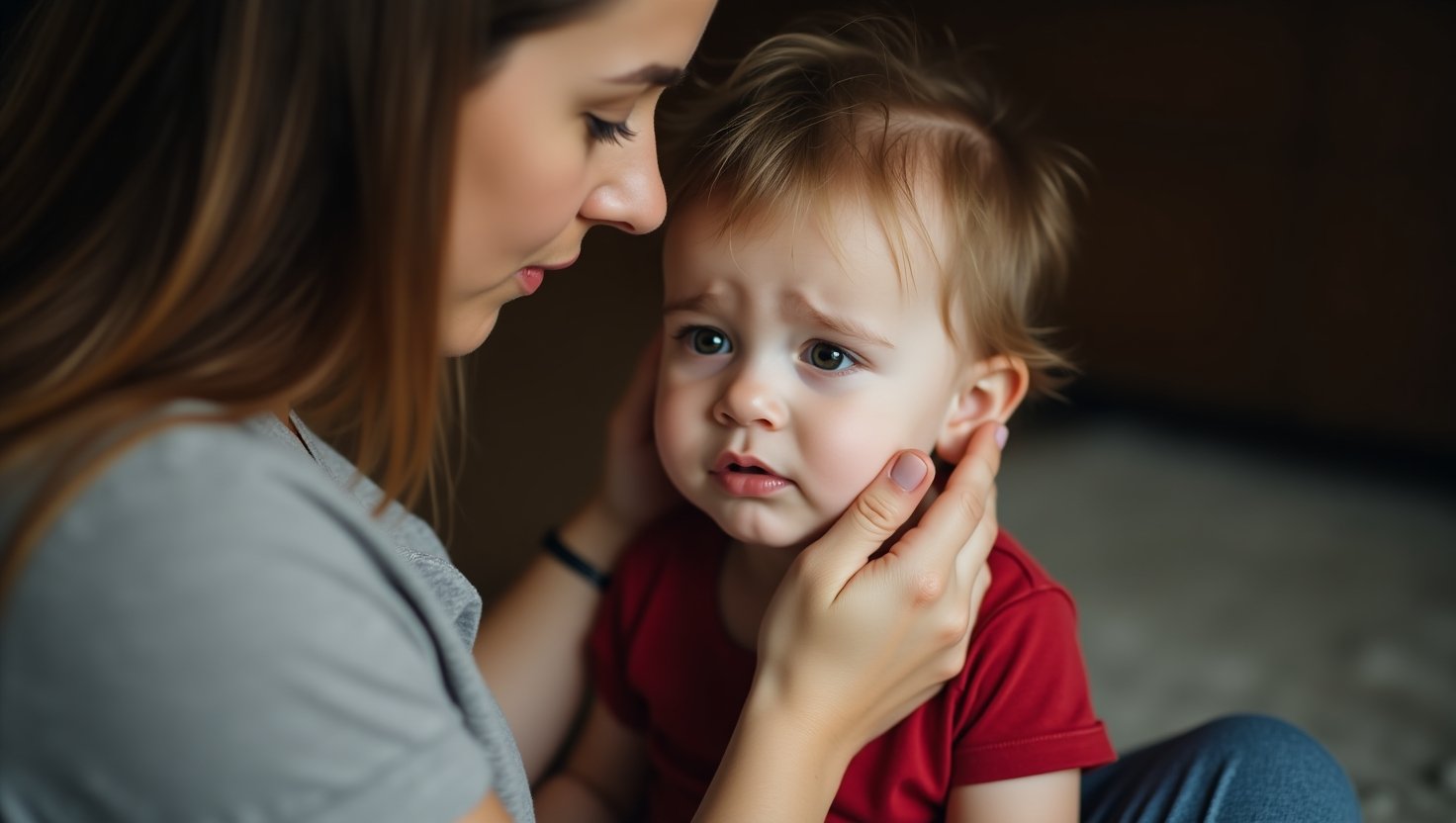
Speech Delay or Autism—how can parents and caregivers tell them apart? Is a late talker just developing at their own pace, or could it be a sign of something more? Recognizing the difference early can make a big impact on support and outcomes.
Speech delay often means a child is developing language skills slower than peers but shows typical social interaction. Autism, on the other hand, may include speech delays along with challenges in social communication, behavior, and sensory responses. Dr. Stephen Camarata, a speech-language expert, stresses the importance of observing the full developmental picture—not just speech.
Worried about your child’s language milestones? Don’t jump to conclusions yet. Let’s unpack what truly separates a simple speech delay from autism, with expert guidance and practical tips every parent should know.
Is It Just A Speech Delay or Autism?
When a child exhibits signs of delayed speech, it is natural for parents to worry about potential underlying conditions, such as autism. While speech delays can occur without any association with autism, the two can sometimes overlap.
It’s essential to recognize that not all children with speech delays are autistic, but many children on the autism spectrum may experience significant language challenges.
Parents should observe their child’s behavior, communication patterns, and social interactions. A thorough understanding of the differences and similarities between speech delays and autism can aid in identifying the right resources and interventions.
Why Speech Delay in Autism Children?
Understanding the connection between speech delay and autism is vital for early intervention. Many children with autism may exhibit speech delays, which can manifest as a child with a speech delay or difficulties in expressive and receptive language skills.
It’s important to note that a child’s speech delay doesn’t automatically mean they have autism; there are differences between speech delay vs autism that can help differentiate the two.
Early signs of autism often include language disorders, which can affect a child’s speech and language development. Speech therapists can help children with autism improve their speech and language skills through tailored online speech therapy or in-person sessions.
By identifying the child’s specific needs, speech therapists can work with children to enhance their speech skills and support their overall language development, ensuring that children with speech delay may receive the appropriate care and support needed for their growth.
What Are the Early Signs of Autism?
Early signs of autism can vary significantly from child to child, but some common indicators include:
- Lack of Eye Contact: Children may avoid eye contact or seem disinterested in social interactions.
- Delayed Speech Development: Many children with autism show delays in speech and language skills, often missing typical milestones.
- Repetitive Behaviors: Engaging in repetitive movements or speech, such as hand-flapping or echolalia, may signal autism.
- Limited Social Skills: Difficulty understanding social cues, such as facial expressions or tone of voice, is common among autistic children.
- Intense Focus on Specific Interests: A child may fixate on particular objects or topics and show little interest in other activities.
If you notice these signs, consider consulting a healthcare professional for further evaluation.
What is the Difference: Speech Delay vs Autism Spectrum Disorder?
Understanding the differences between speech delay and autism spectrum disorder (ASD) is vital for proper diagnosis and treatment.
Speech Delay:
- Definition: A speech delay typically refers to a child’s slower-than-average development of speech and language skills.
- Characteristics: Children may have difficulty pronounce single words, constructing sentences, or using language appropriately in context.
- Social Interaction: Children with speech delays often engage in social interactions and may not exhibit other symptoms of autism.
Autism Spectrum Disorder:
- Definition: Autism is a complex neurodevelopmental disorder characterized by challenges in communication, social skills, and behavior.
- Characteristics: In addition to speech delays, children with ASD may show limited social engagement, repetitive behaviors, and restricted interests.
- Broader Impact: Autism affects multiple areas of development, including cognitive and emotional functioning.
Recognizing these distinctions can help parents and caregivers seek appropriate interventions.
What Causes Speech and Language Delays? (Causes of Autism with Speech Delay)
Why speech delay in autism? Speech and language delays can arise from various factors, including:
- Genetic Factors: Some children may inherit traits that affect speech and language development.
- Environmental Influences: Exposure to limited language during critical development periods can hinder speech acquisition.
- Hearing Impairments: Children with hearing issues may struggle to develop speech, as they cannot fully engage with spoken language.
- Neurological Conditions: Conditions affecting brain development, such as autism, can lead to speech delays.
Understanding these causes can assist in identifying the appropriate interventions and support systems.
Other Causes of Speech Delay in Children
In addition to autism, several other factors can contribute to speech delays:
- Developmental Disorders: Conditions like Down syndrome or cerebral palsy may impact speech development.
- Bilingualism: Children learning multiple languages may initially show delays in speech as they navigate different linguistic systems.
- Trauma or Stress: Emotional or psychological trauma can affect a child’s ability to communicate effectively.
Identifying the root cause of a speech delay is essential for implementing the right intervention strategies.
Can an Autistic Child Learn to Speak Normally?
Many parents wonder if an autistic child can learn to speak normally. The answer is nuanced. While some children with autism may develop typical speech patterns, others may continue to experience challenges.
Language development varies widely among autistic children, and some may require speech therapy and other interventions to enhance their communication skills. Early intervention can significantly improve outcomes, helping children engage more effectively with their peers and caregivers.
How Can Speech Therapy Help Communication Skills?
Speech therapy is a valuable resource for children experiencing speech delays or communication challenges, including those on the autism spectrum. Here’s how it can help:
- Individualized Programs: Speech therapists create tailored plans that focus on a child’s specific needs and goals.
- Skill Development: Therapy can enhance vocabulary, sentence structure, and overall language use.
- Social Communication: Therapists often incorporate social skills training, helping children learn to navigate conversations and social interactions.
- Parent Involvement: Many speech therapy programs encourage parental involvement, providing strategies for continued practice at home.
Investing in speech therapy can lead to significant improvements in a child’s communication skills.
How Can You Find a Qualified Speech Therapist?
Finding the right speech therapist is crucial for effective treatment. Consider these steps:
- Consult Your Pediatrician: Your child’s doctor can provide recommendations based on their experience and your child’s needs.
- Check Credentials: Ensure the therapist is licensed and has specialized training in working with children, particularly those with autism.
- Ask About Experience: Inquire about the therapist’s experience with similar cases, especially regarding speech delay and autism.
- Schedule an Initial Consultation: Meeting the speech therapist can help you assess their approach and determine if it’s a good fit for your child.
By taking these steps, you can find a qualified professional who can support your child’s communication development effectively.
Commonly Asked Questions about Autism vs Speech Delay (FAQs)
How to Recognize the Signs of Autism and Speech Delay in Young Children?
Signs include difficulty with expressive language, limited speech sounds, and challenges in social interaction. Children diagnosed with autism may also exhibit unusual behaviors, highlighting the need for assessment.
How do you know if your child has a speech delay or autism?
Observe social skills and communication. Children diagnosed with autism often struggle with receptive language and social cues, while speech delays focus primarily on expressive language capabilities.
How speech therapy can help both speech delays and autism?
Speech therapy aids children diagnosed with autism by enhancing expressive language and improving speech sounds. It fosters communication skills and social interactions, crucial for development.
What to do if you think your child has a speech or language delay?
Consult a pediatrician if you suspect your child may have a speech delay. Early evaluation can identify issues in receptive language and guide appropriate interventions.
How Can You Tell the Difference Between a Late speech and Autism?
Late talkers typically have social skills intact, while children diagnosed with autism may struggle with both expressive language and social interactions. Observing these differences is key.
What’s the difference between a speech delay and autism?
A speech delay focuses solely on communication skills, whereas autism encompasses broader developmental challenges, including social interaction deficits and issues with receptive language.
What Are the Signs of Delayed Speech?
Signs include limited vocabulary, difficulty with speech sounds, and struggles to form sentences. Children may also exhibit challenges in receptive language, indicating a potential delay.
How Early Intervention Can Improve Outcomes for Children with Autism and Speech Delay?
Early intervention significantly benefits children diagnosed with autism and speech delays by enhancing expressive language skills and social interactions, leading to better communication outcomes.
Autism speech development: how early intervention can help
Early intervention improves speech development in children diagnosed with autism by targeting expressive language and supporting speech sounds, fostering effective communication.
Can early intervention help children with speech delay?
Yes, early intervention can greatly assist children who may have a speech delay, enhancing both expressive and receptive language skills for improved communication development.
Conclusion
Why speech delay in autism? Determining whether a child is experiencing a speech delay or autism requires careful observation and professional guidance. By understanding the early signs, differences, and causes of these conditions, parents can take proactive steps toward intervention and support. Speech therapy can play a vital role in enhancing communication skills, and finding a qualified therapist is essential for your child’s success. If you suspect your child may be facing challenges, don’t hesitate to seek help. Early intervention can lead to better outcomes and a brighter future for your child.
Recommended posts
- Level 2 Autism Spectrum: Symptoms, and Real-Life Examples
- Early Signs of Autism in Newborns for New Parents
- Does High Functioning Autism Get Worse with Age? (Myth or Reality)
- What Is Autism Scripting? The Hidden Communication Style
- Is Toe Walking a Sign of Autism or Something Else?

