
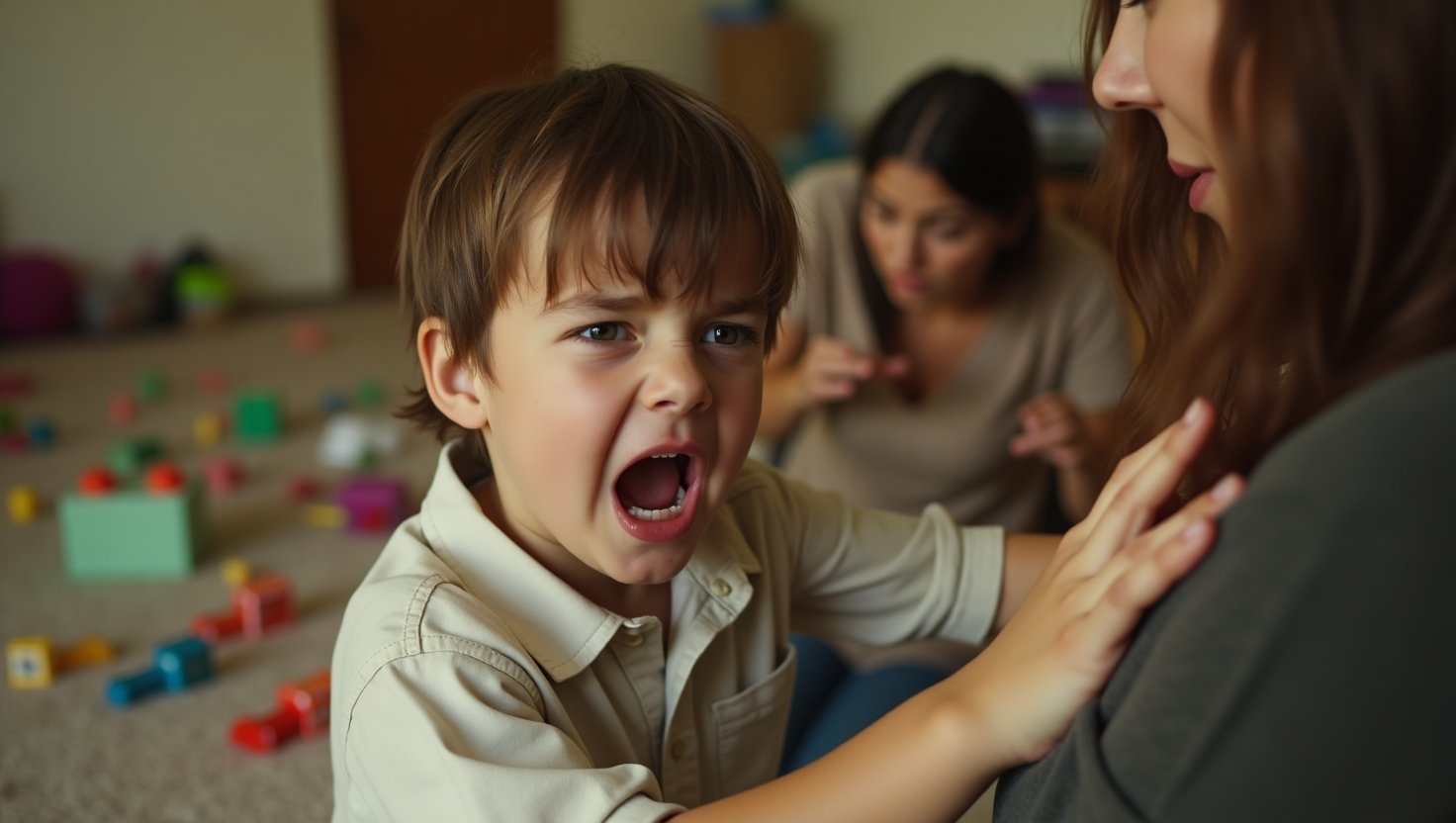
Parenting a child with ADHD can be both rewarding and challenging, but when behaviors turn aggressive, it can leave parents feeling overwhelmed, confused, and even afraid. Many families silently struggle with the difficult reality of an ADHD child hitting parents, unsure of how to respond without escalating the situation or harming the parent-child bond.
This behavior, while deeply concerning, is not uncommon—and it doesn’t mean you’ve failed as a parent. Instead, it points to deeper emotional dysregulation and communication difficulties that can accompany ADHD.
In this comprehensive guide, we explore the causes of aggressive outbursts in children with ADHD and provide effective, gentle strategies for managing and preventing physical aggression in a way that fosters trust, respect, and long-term behavioral growth.
Why Is My ADHD Child Becoming Aggressive?
Managing a child with ADHD can be challenging, especially when dealing with symptoms like impulsivity and hyperactivity that may lead to violent outbursts or lashing out physically at parents.
It’s important for parents to understand the connection between ADHD and aggression, as many children who have ADHD may struggle with emotional regulation and impulse control.
By working with a child psychologist or licensed clinical social worker, parents can develop a treatment plan that includes behavioral therapy and coping strategies to help their child learn to manage their emotions. Reinforcing positive behavior and praising your child for their efforts can also help improve their emotional regulation.
Understanding that a defiant child may be expressing frustration related to their ADHD symptoms can aid in fostering a supportive home environment, making it easier for both the child and parent to navigate challenges together.
Reasons ADHD Child Hitting Parents
There are several underlying factors that contribute to physical aggression in children with ADHD. Understanding these reasons can help parents respond appropriately rather than reacting out of fear or anger.
1. Impulse Control Issues
ADHD affects the brain’s executive functioning, particularly the ability to pause and think before acting. This means that hitting can happen before the child even realizes what they’re doing.
2. Emotional Dysregulation
Children with ADHD often feel emotions more intensely. When they feel frustrated, rejected, or misunderstood, they may explode rather than calmly express their feelings.
3. Communication Struggles
Many ADHD children also have co-occurring language processing delays, making it hard to articulate needs or frustrations. Hitting becomes a primitive form of communication when verbal skills fail.
4. Oppositional Defiant Disorder (ODD)
Roughly 40% of children with ADHD are also diagnosed with ODD, a condition that involves chronic defiance, irritability, and anger. This can intensify aggressive behavior.
5. Feeling Out of Control
When routines change or situations feel chaotic, ADHD children may lash out in an attempt to regain a sense of control.
6. Negative Reinforcement Cycles
If aggression leads to avoidance of unpleasant tasks (e.g., schoolwork, bedtime), the behavior may become reinforced—even unintentionally.
What to Do When an ADHD Child Hits You?
When your ADHD child hits you, it’s critical to remain calm and avoid escalating the situation. Reacting with anger or punishment often worsens the behavior. Instead, focus on de-escalation, teaching, and restoring connection.
- Step-by-Step Response:
1. Ensure Immediate Safety
- Gently block or step away to prevent injury.
- Make sure siblings or other child feels safe.
2. Stay Calm
- Use a low, calm tone.
- Avoid yelling, shaming, or threatening.
3. Set a Clear Boundary
- Say firmly but kindly: “I will not let you hit. That hurts me.”
4. Allow Time to Cool Down
- Give your child space to regulate.
- Offer a calming tool: breathing exercises, stress ball, quiet space.
5. Reconnect Afterward
- When emotions have settled, revisit the moment with empathy.
- Use phrases like: “I saw you were really upset. Let’s talk about better ways to handle that.”
6. Teach Alternative Behaviors
- Role-play responses like using words, asking for help, or taking a break.
- Remember: discipline doesn’t mean punishment. It means guiding, correcting, and building skills your child may be lacking.
Top Warning Signs of Oppositional Defiant Disorder (ODD) in Children
Oppositional Defiant Disorder (ODD) is more than typical childhood defiance. It’s a consistent pattern of angry, irritable moods and argumentative behavior. Children with ODD often struggle at home and in school. Recognizing the signs early can help manage and treat the disorder effectively.
– Frequent Temper Tantrums
Children with ODD often have extreme and regular temper outbursts. These tantrums happen more frequently than in other children of the same age. They may scream, cry, or even become aggressive without a clear reason.
– Constant Arguing with Adults
ODD children challenge authority figures constantly. They argue with parents, teachers, or caregivers over simple instructions. These arguments can turn into major conflicts if not handled properly.
– Refusal to Follow Rules
Defiance is a core symptom. A child with ODD will deliberately refuse to follow rules at home or school. This behavior isn’t occasional; it’s consistent and often intense.
– Blaming Others for Mistakes
A child with ODD rarely admits fault. They often blame others for their actions or mistakes. This makes it difficult to teach them responsibility and self-awareness.
– Deliberately Annoying Others
Some children with ODD purposely irritate others. They may tease, provoke, or disrupt others’ activities. This behavior is often intentional and aimed at gaining control or attention.
– Touchy and Easily Annoyed
ODD children are often hypersensitive to criticism or frustration. They overreact to minor problems. Their emotional reactions are usually intense and prolonged.
– Angry and Resentful Attitude
Anger is a daily struggle for many children with ODD. They often appear bitter or resentful. This mood affects their relationships with peers, parents, and teachers.
– Spiteful or Vindictive Behavior
ODD can include revenge-seeking actions. Children may try to get back at others, even over small slights. This behavior may occur frequently and without remorse.
– Social and Academic Struggles
The symptoms of ODD affect more than just behavior. Children may struggle in school and with friendships. Their defiance can isolate them from peers and adults alike.
– Trouble With Authority
Whether at home, in school, or in public, children with ODD resist authority. They don’t respond well to commands or restrictions. This often leads to disciplinary issues.
– Difficulty Controlling Emotions
Children with ODD struggle with emotional regulation. Their anger or frustration can quickly spiral. They might not understand how to express their emotions in healthy ways.
– Lack of Flexibility
ODD children are often rigid in thinking. They resist changes in routine or unexpected plans. This can cause meltdowns or oppositional reactions.
– How to Respond as a Parent
If your child shows several of these signs consistently, seek professional help. Early intervention can reduce long-term effects. Behavioral therapy and structured routines often improve symptoms.
Oppositional Defiant Disorder is serious, but manageable. Recognizing the signs early helps children lead healthier lives. Consistent support, structure, and therapy can make a real difference.
If your child shows these behaviors regularly, consult a mental health professional.
How to Discipline a Violent Child with ADHD?
Parenting a child with ADHD can be challenging, especially when dealing with episodes of aggression or hitting towards authority figures, such as parents. Many parents find it difficult to understand the underlying causes of their child’s behavior, which can often stem from symptoms of ADHD, such as impulsivity and difficulty with impulse control.
It’s essential to help your child manage their anger and frustration by setting clear expectations and teaching them ways to respond appropriately to demands. Seeking professional help, such as consulting a clinical psychologist or exploring ADHD medication options, can provide valuable strategies for treatment of ADHD.
Additionally, parent training can equip you with tools to foster a positive family environment, enabling better behavior and understanding aggression within the home or at school.
Remember, ADHD kids may struggle with inattention and hyperactivity disorder, but with the right support, both children and parents can navigate these challenges effectively.
Comonly Asked Questions about ADHD Kids Aggressive Behavior (FAQs)
What are common symptoms of ADHD?
Common symptoms of attention deficit hyperactivity disorder (ADHD) include inattention, impulsivity, and hyperactivity, which can significantly affect a child’s daily functioning and relationships.
How to calm down ADHD and anger issues?
To calm down ADHD and anger issues, teach your child coping strategies like deep breathing, mindfulness, and structured routines to manage impulsive behaviors effectively.
What are the symptoms of aggression in children with ADHD?
Symptoms of anger and aggression in children with ADHD may include impulsive outbursts, physical aggression, and difficulty managing frustration or disappointment.
What’s the outlook for kids who have ADHD and aggression?
The outlook for kids with ADHD and aggression can improve with early intervention, therapy, and consistent strategies to manage impulsive behaviors and promote emotional regulation.
What Age Is Hardest for Kids with ADHD?
The age of transition to adolescence is often hardest for children with ADHD due to increased academic and social pressures, leading to heightened impulsivity and emotional challenges.
Why Punishment Doesn’t Work for ADHD Aggression?
Punishment often fails for ADHD aggression because it doesn’t address impulsive behaviors and emotional regulation. Positive reinforcement and teaching coping strategies are more effective.
What Not to Do When Your ADHD Child Is Hitting You?
Avoid reacting with anger or punishment; instead, remain calm and teach your child appropriate ways to express feelings and manage impulsivity.
Conclusion
An ADHD child hitting parents is a painful and distressing experience—but it’s not a sign of failure or hopelessness. Rather, it’s a signal that your child is struggling with regulation, communication, and impulse control. These are teachable skills, and with the right strategies, your family can move from chaos to calm.
By understanding the root causes of aggression, responding with calm consistency, and using gentle discipline methods, you can protect your relationship with your child while also guiding them toward healthier behavior. If aggression is persistent, consider seeking professional support—there are effective therapies and interventions designed specifically for families like yours.
Recommended posts
- ADHD Child Hurting Animals: Signs, Causes & When to Worry
- How to Handle ADHD and Anger Issues Before It Explodes
- ADHD and Sexually Inappropriate Behaviour in Children Solved
- How to Reconnect with Estranged Sibling – Even If It’s Been Years!

