

ADHD Gummies for Kids focus — are these sweet supplements a real solution or just clever marketing? Can a gummy really help your child focus better, stay calmer, or sleep soundly? Parents everywhere are asking the same question.
Attention-Deficit/Hyperactivity Disorder (ADHD) affects millions of children worldwide, often causing challenges with focus, impulse control, and emotional regulation.
With growing concern over the side effects of prescription medications, many parents are now seeking natural alternatives.
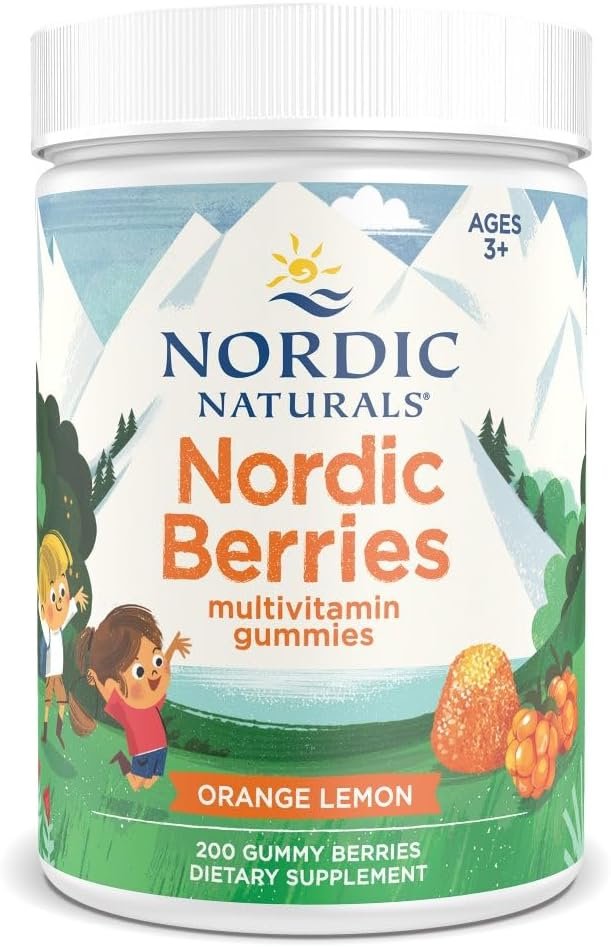
Among the most popular trends are ADHD Supplements For Kids—chewable supplements formulated with vitamins, minerals, and herbs claimed to support focus and behavior. But do they really work, or is it just another health fad?
This article dives deep into the science, expert opinions, and real-life reviews behind kids focus gummies, exploring both the hype and the hope they offer. We’ll also list the top supplements for children, giving you honest, evidence-backed insights to help you make the best choices.
Why Are Parents Drawn to ADHD Gummies for Kids?
ADHD gummies for kids are becoming increasingly popular among parents looking for natural ways to support their children’s focus and concentration.
These tasty supplements are specifically formulated to help manage symptoms associated with attention deficit hyperactivity disorder. With a blend of essential ADHD vitamins kids and minerals, ADHD gummies provide a convenient and enjoyable option for children who may struggle with traditional medication.
Parents appreciate the ease of incorporating these gummies into their child’s daily routine, making it simpler to promote a sense of calm and improved attention in both school and home environments.
Do Focus Gummies Help with ADHD? (Honest Review)
Focus gummies are marketed as a natural way to help children manage symptoms associated with ADHD—like inattention, hyperactivity, and poor memory. These chewable supplements typically include ingredients like omega-3 fatty acids, magnesium, zinc, B-vitamins, and herbal extracts such as GABA, L-theanine, or lemon balm. But do they live up to the promise?
The Science Behind the Ingredients
Let’s examine the key components found in most ADHD gummies for kids:
- Omega-3 Fatty Acids (DHA & EPA): Multiple studies show that omega-3s—especially DHA—support brain health and cognitive function. Children with ADHD often have lower levels of omega-3s, and supplementation has shown modest improvements in focus and behavior.
- Magnesium: This essential mineral plays a critical role in neurotransmitter function. Some small studies suggest magnesium deficiency may exacerbate ADHD symptoms, and supplementation may help calm hyperactivity and restlessness.
- Zinc: Zinc regulates dopamine, a neurotransmitter central to ADHD. Low zinc levels have been associated with more severe symptoms, and some research has shown improvement with zinc supplementation.
- Vitamin B6 and B12: These vitamins aid in neurotransmitter synthesis. B6, in particular, has shown potential in improving mood and cognitive function in some ADHD cases.
- L-Theanine and GABA: Both are amino acids that promote relaxation and mental clarity. While most studies are based on adults or animal models, early evidence suggests potential calming effects in children too.
- Herbal Adaptogens (e.g., Lemon Balm, Rhodiola): Known for reducing anxiety and enhancing focus, adaptogens are increasingly included in children’s supplements. However, clinical evidence in pediatric ADHD is still emerging.
Real Parent Reviews and Case Studies
Honest feedback from parents provides a mixed but insightful picture:
– Positive Experiences: Many report noticeable improvements in their child’s ability to focus, stay calm during school hours, and sleep better at night. Some also mention reduced tantrums and better emotional regulation.
– Neutral or Negative Outcomes: Other parents report little to no change. In some cases, children experienced mild side effects like stomach upset or increased restlessness. Results often vary depending on the child’s unique neurochemistry and the specific formulation used.
Are Gummies Enough?
While focus gummies can support brain health, they are not a cure or standalone treatment for ADHD. Experts recommend using them as part of a broader strategy, which may include behavioral therapy, lifestyle changes (like regular sleep and screen time management), child’s diet improvements, and, if necessary, prescribed medication.
Bottom line: Focus gummies may help mild to moderate cases or serve as a supplementary tool, especially when used consistently and in conjunction with other ADHD management strategies. But parents should keep expectations realistic and consult a pediatrician before starting any supplement.
10 ADHD Supplements For Kids: Vitamins & Natural Medicines
If you’re considering ADHD gummies for kids, it’s essential to know which supplements have the strongest evidence and safest profiles. Below are 10 top-rated, science ADHD supported options that may offer natural relief.
1. Omega-3 DHA/EPA Gummies
Brands like Nordic Naturals and MaryRuth Organics offer high-quality omega-3 gummies that support brain development and reduce hyperactivity. Look for high DHA content.
Why it works: DHA is critical for brain function. Studies show improvements in attention and behavior with consistent use.
2. Magnesium Gummies
Magnesium citrate or glycinate forms are preferred for absorption. Brands like Natural Vitality Calm Kids offer gentle, calming blends.
Why it works: Magnesium has a relaxing effect on the nervous system and may reduce impulsivity and anxiety.
3. Zinc Supplements
Available in chewable forms or combined with other minerals. Zinc is particularly useful for children who are picky eaters or show deficiency signs.
Why it works: Supports dopamine regulation, essential for attention and behavior.
4. B-Complex Vitamins
Some gummies include B6, B12, and folate, all of which are crucial for neurotransmitter health. Garden of Life and SmartyPants are reputable options.
Why it works: B vitamins help regulate mood and cognitive clarity.
5. L-Theanine and GABA Blends
These amino acids work synergistically to promote relaxation without drowsiness. Products like OLLY Kids Chillax incorporate these ingredients.
Why it works: Supports calm focus and emotional balance.
6. Iron Supplementation
Iron is often overlooked but vital. Low levels can mimic or worsen ADHD symptoms.
Why it works: Iron supports oxygen transport to the brain and neurotransmitter synthesis. Should only be used if deficiency is diagnosed.
7. Multivitamin Gummies with ADHD-Specific Formulations
Some multivitamins are specifically designed for neurodiverse kids. Examples include Little DaVinci Focus and BrainMD Kids.
Why it works: Offers a combination of essential vitamins and adaptogens tailored to support cognition and calm.
8. L-Tyrosine Supplements
An amino acid that helps produce dopamine, a neurotransmitter often imbalanced in ADHD.
Why it works: May improve mental performance under stress and boost attention span.
9. Rhodiola Rosea Extract
Though less common in children’s formulas, Rhodiola can help with mental fatigue and increase attention.
Why it works: Adaptogenic effects help balance stress responses and support brain function.
10. Melatonin (for ADHD-Related Sleep Issues)
While not a direct treatment for ADHD, melatonin can help regulate sleep—a common issue in ADHD children. Only use under medical supervision.
Why it works: Improved sleep can dramatically reduce daytime ADHD symptoms and mood swings.
Common Questions about Best ADHD Supplements & Gummy Vitamins For Kids (FAQs)
What are ADHD gummies for kids?
ADHD gummies for kids are chewable support supplements designed to support focus and attention in children diagnosed with ADHD. These gummies often contain a blend of vitamins, minerals, and herbal ingredients such as omega-3 fatty acids and ginkgo biloba, which are known to promote brain health and function.
How do ADHD gummies help manage ADHD symptoms?
ADHD gummies help manage ADHD symptoms by providing essential nutrients that support brain health and cognitive function. Ingredients like omega-3 fatty acids and vitamin B6 can enhance focus and attention, making it easier for kids with ADHD to concentrate on tasks and reduce impulsivity.
Are there specific ADHD vitamins for kids?
Yes, there are specific ADHD vitamins for kids, including formulations that contain omega-3s, vitamin C, and ginkgo biloba. These vitamins and minerals are included to support cognitive function and overall brain health, which can be particularly beneficial for children with ADHD.
What are the benefits of omega-3 in ADHD gummies?
Omega-3 fatty acids are known for their anti-inflammatory properties and their role in brain health. In ADHD gummies, omega-3 can help improve focus and attention in children, contributing to better management of ADHD symptoms.
Can kids with ADHD take gummies for focus calming?
Yes, kids with ADHD can take gummies for focus calming. These gummies are formulated with natural ingredients that can help promote a sense of calm and improve concentration, making them an effective option for managing ADHD symptoms.
How many gummies should a child with ADHD take daily?
The recommended dosage of gummies may vary depending on the specific product and its formulation. Typically, many ADHD gummies come in bottles containing 60 gummies, and it’s essential to follow the dosage instructions provided on the label or consult a healthcare professional for personalized advice.
Are ADHD gummies safe for children?
ADHD gummies are generally safe for children when taken as directed, especially those that are non-GMO and made with natural ingredients. However, it’s important to choose high-quality products and consult with a healthcare provider to ensure they are appropriate for your child.
Do ADHD gummies contain any artificial ingredients?
Many ADHD gummies are designed to be free from artificial ingredients, focusing instead on natural components. Look for products labeled as organic or non-GMO to ensure they do not contain unnecessary additives or preservatives.
What should I look for in a focus supplement for kids?
When selecting a focus supplement for kids, look for ingredients like omega-3 fatty acids, ginkgo biloba, and essential vitamins such as B6 and C. Additionally, ensure the product is designed specifically for children and is free of harmful additives.
Can I give my child ADHD gummies along with other supplements?
It is generally safe to give your child ADHD gummies along with other supplements, but it’s important to consult with a healthcare provider first. They can help determine the appropriate combination of supplements and dosages for your child’s individual needs.
Conclusion
The search for effective, natural ADHD treatments has led many parents to explore options like ADHD gummies for kids—chewable supplements designed to enhance focus, calm behavior, and support overall brain health. While not a replacement for professional treatment or medication, these gummies can offer real benefits when chosen wisely and used consistently.
Scientific evidence supports key ingredients such as omega-3s, magnesium, zinc, and certain B-vitamins. Herbal components and amino acids like L-theanine and GABA also show promising results in reducing anxiety and improving attention. However, effectiveness varies, and results are rarely immediate.
Before starting any supplement regimen, it’s crucial to consult your child’s pediatrician or a child psychologist to ensure safety and appropriateness. ADHD is a complex neurodevelopmental condition, and while natural supplements can be helpful, they are best used as part of a broader, personalized plan for treating adhd.
If you’re looking for a gentle, side-effect-free way to support your child’s mental health and emotional balance, ADHD gummies might just offer a hopeful—and healthy—starting point.
Recommended posts
- Self Regulation Strategies for Kids with ADHD (Really Work)
- Managing Overstimulation and ADHD: (7 Quick Ways to Cope)
- Why Can Amphetamines Be Used to Treat Adhd in Children?
- ADHD and Sexually Inappropriate Behaviour in Children Solved
- ADHD and Eating Disorders: Causes, Concerns, and Responses

