
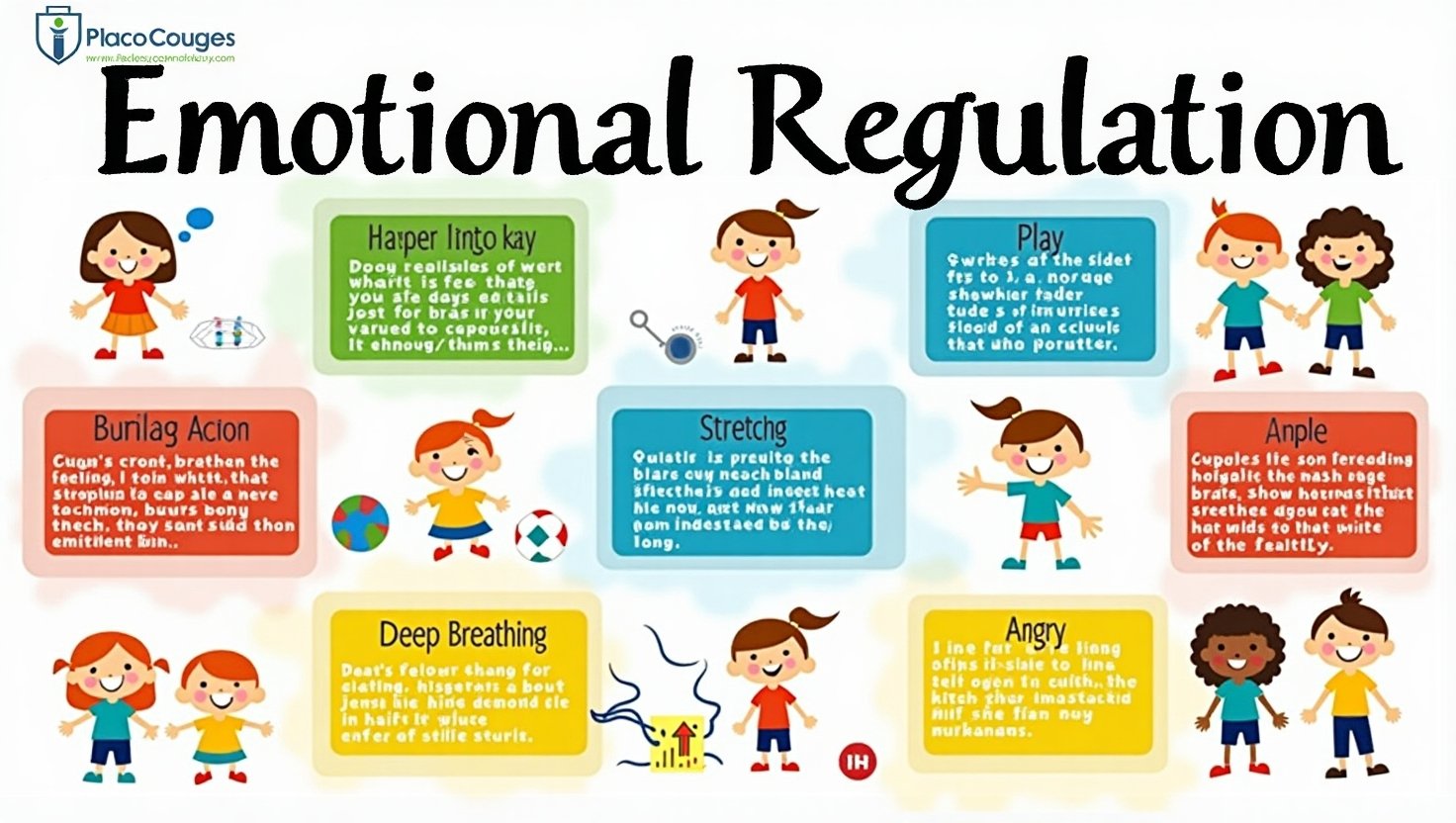
Self Regulation Strategies for Kids with ADHD can be life-changing — but what exactly works best for these energetic and creative minds? Have you ever wondered how children with ADHD can build focus and manage their emotions without constant adult intervention? Let’s explore why self-regulation is the true superpower these kids deserve to develop.
From breathing exercises to visual schedules and mindfulness tools, self-regulation strategies can dramatically improve emotional balance and behavior. Experts like Dr. Russell Barkley emphasize that these skills help kids thrive socially and academically. Parents and teachers can equip children with simple, effective methods that foster independence.
But that’s just scratching the surface of what self-regulation strategies can unlock. There’s a lot more to learn about proven techniques to build confidence and calm. So, let’s dive into the practical tools every ADHD parent and educator should know!
Can Children with ADHD Self-Regulate?
Yes — but not without support. Children with ADHD typically have difficulties with self-regulation because of delays or deficits in executive functioning skills, such as impulse control, working memory, and flexible thinking.
Self-regulation requires the ability to pause, reflect, and choose an appropriate response instead of acting impulsively. Kids with ADHD are more prone to emotional outbursts, frustration, or even aggression because they struggle to manage their reactions in the moment.
That does not mean they cannot learn to self-regulate. With the right tools, strategies, and consistent practice, children with ADHD can dramatically improve their ability to manage their emotions and behaviors over time.
Developing Self-Regulation In Children With ADHD
Building self-regulation in kids with ADHD is a process, not a quick fix. It begins with teaching them to recognize their own feelings, understand triggers, and develop coping strategies that work in real time.
Key components of developing self-regulation include:
- Emotional awareness – Naming and identifying feelings before they explode
- Impulse control – Learning to pause before acting
- Cognitive flexibility – Adapting to change and shifting perspective
- Delayed gratification – Practicing patience and resisting immediate rewards
Behavioral therapy, skills training, and supportive parenting all play crucial roles. Children benefit most when adults model regulation skills themselves, maintain predictable routines, and gently coach kids through difficult emotions and situations.
Executive Functioning and Self Regulation Strategies for Kids with ADHD
Executive functions are the brain’s “management skills,” and they are central to self-regulation. Students with ADHD frequently struggle in these areas, which can impact their academic performance, social relationships, and self-esteem.
Effective executive function and self-regulation strategies for students with ADHD include:
- Visual schedules and planners to externalize memory
- Checklists to break complex tasks into manageable steps
- Time management supports like timers or alarms
- Behavior charts to reward self-regulation efforts
- Breaks and movement to reset attention
Teachers can also provide advance warnings before transitions, repeat instructions calmly, and build in opportunities for self-monitoring.
For example, students might use a self-assessment checklist after completing a task to reflect on how well they stayed focused or controlled impulses.
Emotional Regulation Strategy #1: Organization and Planning
Disorganization is one of the hallmarks of ADHD. By helping children establish clear routines and structured plans, adults can significantly reduce emotional stress and promote self-regulation.
Here’s how:
- Color-coded folders and labels for schoolwork
- Consistent after-school routines (homework time, snack, playtime)
- Weekly planners to break down projects into daily steps
- Visual reminders for chores and responsibilities
Predictable, organized environments help reduce anxiety, giving kids with ADHD the confidence to manage their feelings and behavior.
Emotional Regulation Strategy #2: Mindfulness Meditation
Mindfulness practices have been shown to dramatically improve self-regulation in children with ADHD. By training kids to notice their thoughts and feelings without immediately reacting, mindfulness builds the pause needed for better choices.
Simple ways to integrate mindfulness include:
- Short guided breathing exercises
- Body scans to check in with feelings
- Practicing gratitude at bedtime
- Mindful listening games
These activities help kids slow down their racing thoughts, focus attention, and better control their emotions.
Emotional Regulation Strategy #3: ADHD Medication
For many children, stimulant or non-stimulant medication can be a game-changer in supporting self-regulation. Medications do not teach self-regulation skills directly, but they can make those skills much more accessible by reducing hyperactivity and improving focus.
Combined with behavioral therapies and skills training, medication often provides the stability children need to learn and practice emotional and cognitive self-control. It’s crucial, of course, for parents to work closely with a qualified medical provider to monitor side effects and adjust treatment as needed.
Emotional Regulation Strategy #4: Time Management
Time blindness — an inability to accurately sense how long things take — is a frequent struggle for kids with ADHD. As a result, they may become frustrated, anxious, or impulsive when trying to manage tasks.
Time management strategies to support self-regulation include:
- Visual timers for homework and chores
- Alarms to signal transitions between activities
- Calendars with color-coded events
- Breaking larger tasks into smaller, timed segments
These supports help children feel more in control of their schedules, reducing stress and reactive behaviors.
Emotional Regulation Strategy #5: Working Memory Supports
Working memory is the brain’s regulation is the ability to hold and manipulate information in the short term. Children with attention deficit hyperactivity disorderADHD often experience working memory weaknesses, making it difficult to remember instructions, stay on task, or follow multi-step directions.
Effective supports include:
- Writing down verbal instructions
- Using checklists
- Incorporating visuals, like diagrams or charts
- Encouraging kids to repeat directions aloud before starting
When children can reliably keep track of what they need to do, they are far less likely to act impulsively out of confusion or frustration.
How To Teach Self-Regulation Skills?
Teaching self-regulation is best approached as a step-by-step learning process. Here’s how to break it down:
- Identify emotions – Help the child name their feelings (e.g., “I feel mad”).
- Recognize triggers – Discuss situations that lead to dysregulation.
- Teach coping skills – Practice techniques like breathing or positive self-talk.
- Model regulation – Show calm, respectful responses to stress.
- Use role play – Act out scenarios to practice appropriate responses.
- Provide feedback – Gently coach the child through successes and mistakes.
Consistency is key. Children with ADHD benefit from repeated practice in a calm, structured environment. Over time, these skills become part of their natural toolkit.
Calm Starts at Home: How to Teach Emotional Regulation Skills
Home is the perfect training ground for self-regulation skills. Parents can support their child by creating a calm, predictable, and emotionally safe environment.
Here are ways to build emotional regulation at home:
- Establish clear routines to reduce surprises
- Set consistent, fair limits
- Praise positive efforts at self-control
- Provide calm-down spaces for breaks when overwhelmed
- Use visual cues like emotion charts to help kids communicate
- Practice relaxation skills together – breathing, stretching, quiet time
Family mindfulness or yoga can be a fun way to strengthen regulation skills as a group. Remember that your own calm and consistency as a parent is one of the strongest teaching tools for your child.
Activities to Help Children with ADHD Self-Regulate?
Play-based and movement-based activities are powerful ways for kids with ADHD to practice self-regulation in an engaging way. Some excellent options include:
- Obstacle courses to build impulse control and body awareness
- Simon Says or Freeze Dance to strengthen response inhibition
- Yoga for kids to calm the body and mind
- Art activities like coloring, which provide soothing focus
- Emotion charades to help kids practice naming feelings
- Storytelling or puppet play to rehearse self-control scenarios
These activities build the same self-regulation skills taught in therapy — but in a way that feels fun, safe, and motivating for children.
Commonly Asked Questions about Self-Regulation Techniques for Kids with ADHD (FAQs)
What does emotional dysregulation look like?
Emotional dysregulation looks like intense mood swings, outbursts, or prolonged distress. If your child struggles to calm down, they may need help. Strategies to give your child support include therapy and coping tools.
Does my child with adhd need a 504-plan at school?
If school is difficult for kids with ADHD, a 504-plan provides strategies to help, like extended time, breaks, or seating adjustments. It ensures support for their unique needs. Consult teachers and specialists to decide.
What are self-regulation strategies for kids with ADHD?
Self-regulation strategies for kids with ADHD are techniques that help children manage their emotions, behaviors, and impulses. These strategies empower children to recognize their feelings and take proactive steps to cope with strong emotions, ultimately aiding them in developing emotional control and improving their overall ability to self-regulate.
How can parents help their child develop self-regulation skills?
Parents can help their child develop self-regulation skills by modeling appropriate behavior, providing clear expectations, and using consistent routines. Engaging in parent training can also equip parents with tools and strategies to support their child effectively, ensuring they understand the unique challenges children with ADHD face.
What should I do when my child has a meltdown?
When your child has a meltdown, it’s essential to stay calm and provide a safe space for them to express their feelings. Acknowledge their emotions and help them learn to handle their big emotions by practicing mindfulness techniques or breathing exercises. This approach can help them regain control and reduce the frequency of future meltdowns.
Are there specific tools and strategies that can help kids manage their ADHD symptoms?
Yes, there are various tools and strategies that can help kids manage their ADHD symptoms. Visual schedules, timers, and organizational tools can assist in maintaining focus and structure. Additionally, incorporating breaks and physical activities can help children with ADHD channel their energy positively, making it easier for them to regulate their behavior.
How does sensory processing affect kids with ADHD?
Sensory processing can significantly affect kids with ADHD, as they may struggle to filter and respond to sensory information in their environment. This difficulty can lead to overwhelming feelings and inappropriate behavior. Implementing sensory-friendly strategies, such as providing sensory breaks or using calming tools, can help children manage their responses better.
What are some mindfulness practices to help my child thrive?
Mindfulness practices can be beneficial for children with ADHD by enhancing their self-awareness and emotional regulation. Techniques such as deep breathing, guided imagery, and yoga can help kids focus their attention and calm their nervous system. Regularly incorporating these practices into your child’s routine can foster a sense of calm and improve their coping skills.
How can I help my neurodivergent child during difficult situations?
To help your neurodivergent child during difficult situations, it’s important to remain patient and empathetic. Use clear and concise communication to explain the situation, and offer choices to empower them. Encourage the practice of self-regulation strategies tailored to their needs, and be proactive in identifying triggers that may lead to tantrums or meltdowns.
When should I seek therapy services for my child with ADHD?
You should consider seeking therapy services for your child with ADHD if they are struggling to manage their emotions, frequently exhibiting unwanted behavior, or facing challenges in school or social situations. A therapist can provide tailored strategies and support that can help your child improve their emotional control and develop essential self-regulation skills.
What video game helps with ADHD?
Games like Minecraft, Roblox, or Brain Training can help with ADHD by improving focus, problem-solving, and executive function. Choose structured, engaging games that reward attention without overstimulation.
Conclusion
Supporting kids with ADHD to develop self-regulation is one of the greatest gifts you can give them. These skills are critical for their success in school, relationships, and eventually in the workplace. Whether through mindfulness, medication, structured routines, or playful activities, Self-Regulation Strategies for Kids with ADHD are essential and achievable with the right support.
By combining practical teaching methods, a calm home environment, and evidence-based interventions, you can empower your child to build lifelong skills for managing their emotions and behaviors more effectively. With patience, consistency, and a little creativity, these strategies really do work — helping children with ADHD thrive now and into the future.
You might also like
- Managing Overstimulation and ADHD: (7 Quick Ways to Cope)
- 7 Best Sports for Kids with ADHD to Boost Focus & Confidence
- How to Discipline a Child with ADHD (5 Rules for Parents)
- ADHD Supplements For Kids: Hype, Hope, and Honest Reviews
- ADHD and Eating Disorders: Causes, Concerns, and Responses

