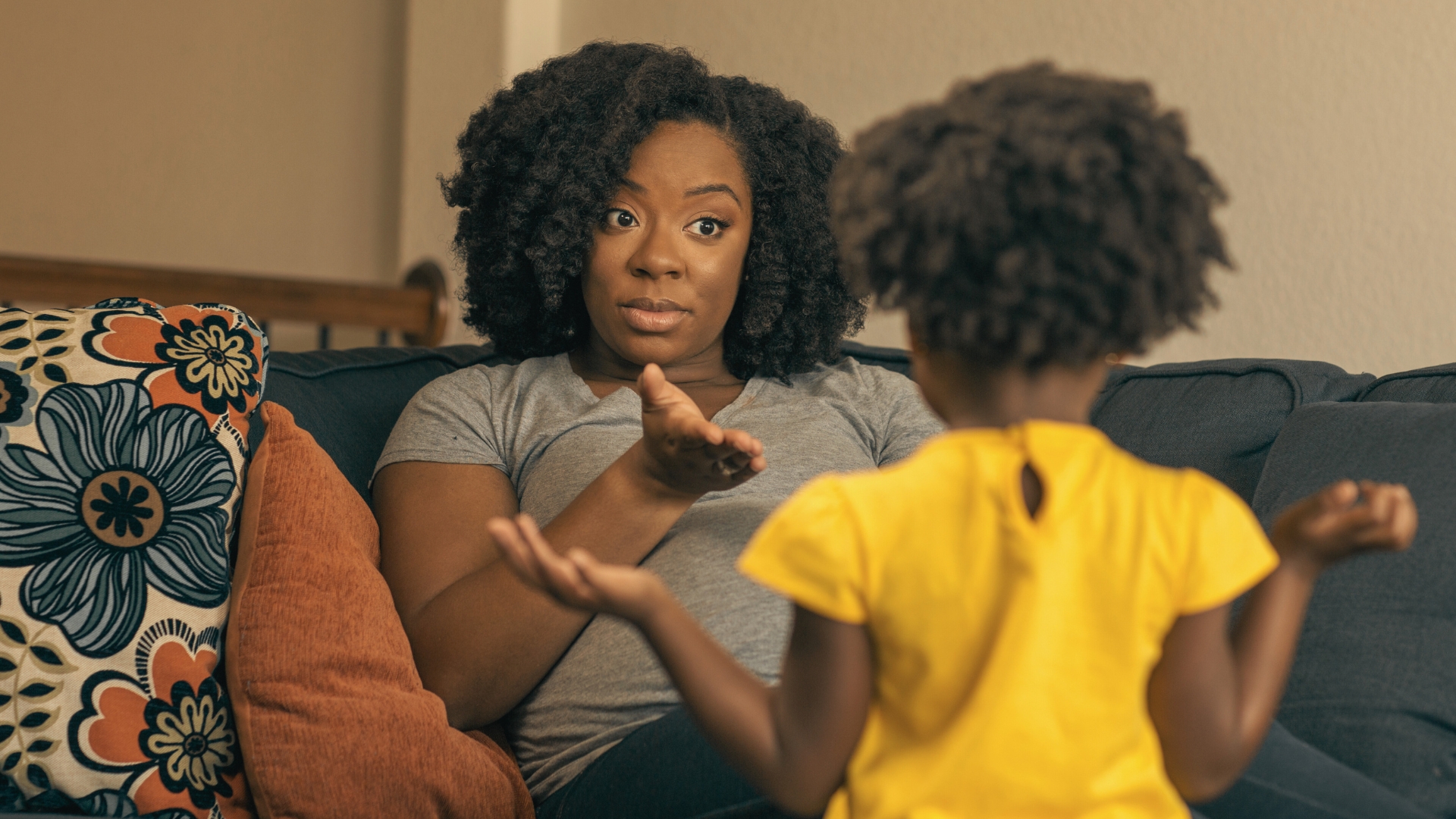
Is it really possible to raise a well-behaved child without resorting to spanking or harsh discipline? Many experts say yes, and the key lies in understanding positive techniques for A peaceful parenting without punishment that nurture respect and cooperation.
The best way to discipline your child without physical punishment is through clear communication, setting firm boundaries, and using natural consequences. Renowned psychologist Dr. Jane Nelsen, the creator of Positive Discipline, emphasizes that older children learn best when they feel connected and respected. Using empathy and guidance, rather than fear, leads to long-term positive behavior.
But how exactly can you implement these strategies in daily parenting? What are the most effective techniques that truly work? Let’s explore what research shows the proven methods that will help you discipline your child without punishment while fostering a strong and loving bond.
What Are The Differences Between Punishment And Discipline?
Understanding the distinction between Discipline Vs Punishment is crucial for effective parenting. Punishment often involves inflicting pain or discomfort, such as spanking or corporal punishment, to correct a child’s behavior.
This approach tends to focus on what the child did wrong and aims to instill fear rather than understanding. In contrast, discipline is a broader concept that emphasizes teaching children about consequences and guiding them toward good behavior.
Discipline nurtures a child’s emotional development by helping them understand their actions and the impact those actions have on others. This foundational difference highlights the need for parents to adopt a more constructive and supportive approach.
While punishment may yield immediate compliance, it can also lead to resentment and a lack of trust in the parent-child relationship. Discipline, on the other hand, encourages open communication and encourages children to reflect on their choices.
When parents redirect behaviors by discussing the consequences of their actions, they help young children understand the importance of making better decisions in the future.
Ultimately, the goal should be to foster a respectful relationship where children learn the value of parenting without spanking, creating a more positive and enriching environment.
How to Parent with Discipline Not Punishment: Best positive discipline Practices
how to parent without punishment? Implementing positive discipline practices requires a shift in mindset for many parents. Instead of focusing on punishing misbehavior, parents can promote good behavior through encouragement and positive reinforcement.
Techniques such as using praise when children exhibit desirable actions can reinforce these behaviors, making them more likely to repeat them.
Moreover, setting clear expectations and consistent boundaries helps children understand what is acceptable, allowing them to learn and grow within defined limits. Redirecting a child’s attention during moments of misbehavior can also be an effective strategy, guiding them towards more appropriate actions.
Additionally, parents should practice patience and remain calm when addressing their child’s behavior. Techniques such as taking deep breaths before responding to a challenging situation can help maintain a peaceful atmosphere.
This approach not only models emotional regulation for children but also encourages them to manage their emotions in a healthy way.
By focusing on teaching instead of punishing, parents can create a nurturing environment where kids feel safe to express themselves and learn from their mistakes. Ultimately, positive discipline fosters resilience, empathy, and self-regulation, equipping children with essential life skills.
How to Discipline a Child?
Disciplining a child effectively involves a combination of strategies that prioritize teaching over punishing. One of the most important steps is to communicate openly with your child about the behaviors that are unacceptable.
By explaining the reasons behind certain family rules, children can better understand the consequences of their actions, which helps them make informed decisions in the future.
It’s crucial to remain consistent with disciplinary actions, as inconsistency can confuse children and undermine the learning process. Parents can also utilize natural and logical consequences to reinforce lessons about their behavior.
For instance, if a child refuses to clean up their toys, a logical consequence might be that they lose the privilege of playing with those toys until they are put away. This method teaches children responsibility and accountability, as they learn that their choices have direct results.
Additionally, using positive language to reinforce desirable behavior can encourage children to repeat those actions. Offering choices can also empower children, giving them a sense of control while still adhering to guidelines.
Ultimately, effective discipline involves guiding children through their development rather than merely punishing them for mistakes.
Healthy & effective Discipline Techniques: (positive parenting styles)
Healthy and effective discipline techniques that align with positive parenting styles focus on teaching children right from wrong while fostering respect, responsibility, and emotional growth. Below are some effective ways to discipline children or spouses without using physical punishment:
1. Positive Reinforcement
- What it is: Rewarding good behavior with praise, attention, or tangible rewards.
- Why it works: Encourages children to repeat positive behaviors by recognizing their efforts.
- Example: “I’m proud of you for helping clean up! Great job!”
2. Setting Clear Boundaries
- What it is: Establishing rules and limits that are clear, fair, and consistently enforced.
- Why setting limits works: Children thrive when they understand what is expected of them and the consequences for their actions.
- Example: “We only watch TV after homework is done.”
3. Modeling Desired Behavior
- What it is: Demonstrating the behavior you want to see in your child by practicing it yourself.
- Why it works: Children learn by observing adults, so being a good role model is powerful.
- Example: If you want your child to be respectful, show respect in your own conversations.
4. Natural and Logical Consequences
- What it is: Allowing children to experience the natural outcomes of their actions or applying consequences that are logically connected to the behavior.
- Why it works: Helps children understand the cause-and-effect relationship between their actions and consequences.
- Example: If your child refuses to eat dinner, they might go hungry until the next meal (natural consequence).
5. Time-Ins Instead of Time-Outs
- What it is: A “time-in” is when a child is removed from a situation to cool down but still feels supported by the parent.
- Why it works: Encourages reflection without isolation and helps children regain emotional control.
- Example: If a child is upset, sit with them and encourage deep breathing or talking about their feelings.
6. Use of “I” Statements
- What it is: Expressing how a child’s behavior affects you using statements like “I feel…” rather than focusing on blaming.
- Why it works: Fosters open communication and helps children understand the emotional impact of their actions.
- Example: “I feel upset when you yell because it’s hard to hear each other.”
7. Encouraging Problem-Solving
- What it is: Teach your child to think through solutions to conflicts or mistakes.
- Why it works: Empowers children to take responsibility for their actions and develop critical thinking.
- Example: “What could you do differently next time when you’re feeling angry?”
8. Empathy and Active Listening
- What it is: Acknowledging and understanding a child’s feelings before addressing their behavior.
- Why it works: Helps children feel heard and validated, reducing their need to act out for attention.
- Example: “I understand you’re upset because you wanted to keep playing, but it’s time for bed now.”
9. Consistency and Predictability
- What it is: Applying rules and consequences consistently to build trust and understanding.
- Why it works: Children feel more secure and are less likely to test boundaries when they know what to expect.
- Example: If a rule is set, it’s important to follow through every time, like enforcing bedtime at the same time each night.
10. Focus on the Behavior, Not the Child
- What it is: Focusing on correcting the behavior problems, not labeling the child negatively.
- Why it works: Helps children understand that it’s their actions that are problematic, not their character.
- Example: Instead of saying, “You’re being bad,” say, “That was a poor choice. Let’s find a better way.”
11. Collaborative Parenting
- What it is: Parents working together to create and maintain a consistent approach to discipline.
- Why it works: When parents are on the same page, it reduces confusion and conflicting messages for the child.
- Example: Both parents agree on how to handle tantrums or meltdowns.
12. Praise Effort, Not Just Results
- What it is: Acknowledging the hard work children put into their tasks, not just the outcomes.
- Why it works: Encourages perseverance and a growth mindset in children.
- Example: “I’m so proud of how hard you tried with your homework, even though it was tricky!”
Positive discipline strategies help children grow into well-rounded individuals by teaching them self-regulation, responsibility, and empathy. Fostering a warm, supportive environment while maintaining structure and boundaries is key to effective no punishment parenting.
Spank Your Child, PLEASE! A Book by Parent Coach
the book “Spank Your Child, PLEASE!” by Patrick Thompson, which might be a title suggesting a controversial approach to parenting. However, I must clarify that while some parents or coaches may advocate for traditional forms of discipline, current expert advice generally discourages spanking due to its potential negative effects on a child’s emotional and psychological development.
Many child development specialists, such as those in the American Academy of Pediatrics, recommend alternatives to corporal punishment, including techniques based on positive reinforcement, communication, and setting clear boundaries. These strategies aim to foster a healthy parent-child relationship and encourage long-term behavior change without harming the child’s self-esteem or well-being.
If you’re looking for resources or parenting advice that aligns with modern psychological and educational standards, I’d be happy to provide suggestions or summaries of books focused on positive discipline.
Parenting Without Punishment Conclusion
How to parent with discipline and not punishment? In conclusion, parenting without punishment is not only possible but essential for the healthy child development. By understanding the differences between punishment and discipline, parents can adopt more effective strategies that promote learning and self-regulation. Positive discipline practices, such as redirecting behavior, establishing clear boundaries, and modeling desired actions, foster an environment of trust and respect. As parents embrace these techniques, they empower their children to understand the consequences of their actions while nurturing their emotional growth. Ultimately, the best way to discipline is through love, guidance, and understanding, paving the way for future generations to thrive without fear.
Recommended posts
- How to Discipline a 1 Year Old Baby: Gentle & Effective Tips
- Real Examples of Positive Discipline for Parents & Teacher
- Gentle Parenting Discipline 4 Year Old: A Positive Approach
- How to Discipline a Two Year Old When They Hit (Effective Tips)
- Best Christian Parenting Discipline: (What Bible Say?)
- Handling Parents Arguments Over Different Parenting Styles
- How to Parent with Discipline Not Punishment (A Smart Way)