
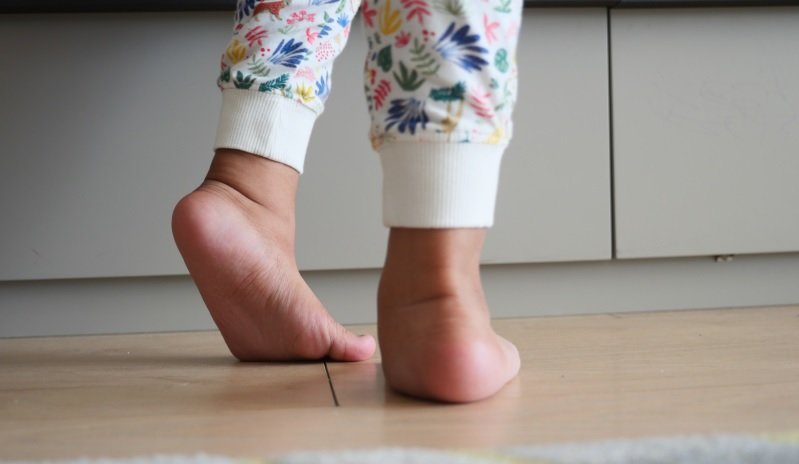
Have you ever noticed your child walking on their toes more often than not? Could there be a connection between toe walking and ADHD? Many parents ask this when they observe unusual walking patterns alongside attention and behavior challenges.
Studies suggest that children with ADHD may display sensory processing issues, and toe walking can be one of the signs. While not exclusive to ADHD, this behavior often overlaps with developmental or neurological conditions. Experts like Dr. Temple Grandin have highlighted sensory sensitivities as a common feature in neurodiverse children.
But toe walking isn’t a standalone symptom, and the link with ADHD isn’t always straightforward. Want to know what specialists say and when to seek help? Stay with us as we uncover the science, expert opinions, and real solutions behind this curious connection.
Is There a Hidden Connection Between Toe Walking and ADHD?
At first glance, toe walking and ADHD appear unrelated. ADHD primarily affects behavior and cognition, while toe walking is a physical, biomechanical issue.
However, emerging clinical observations and studies suggest a potential link between the two, especially in children diagnosed with idiopathic toe walking — a condition where children walk on their toes without a known medical or neurological cause.
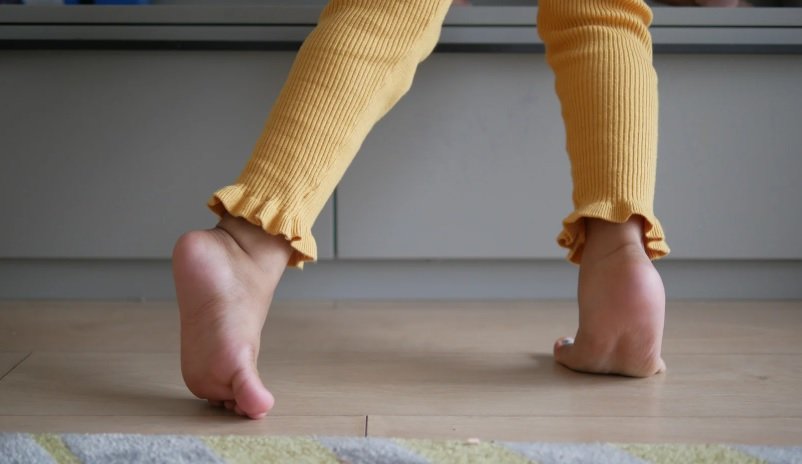
Some pediatricians and occupational therapists have noted a higher prevalence of ADHD among children who persistently toe walk. This has led researchers to examine whether there may be a neurological or sensory processing component common to both conditions.
Although the connection is still being actively studied, early findings suggest that sensory integration issues and atypical motor development — both of which are common in ADHD — might also manifest in persistent toe walking.
Why Might ADHD and Toe Walking Co-Occur?
The potential overlap between toe walking and ADHD may lie in sensory processing dysfunction and neuromotor immaturity, both of which are common among children with ADHD.
1. Sensory Processing Challenges
Children with ADHD often struggle with sensory modulation — how the brain responds to sensory input. Toe walking can sometimes be a compensatory behavior in response to hypersensitivity or hyposensitivity, particularly in the feet. For instance, a child may toe walk to avoid full contact with the ground that feel unpleasant due to tactile defensiveness. Alternatively, they may seek the proprioceptive feedback toe walking provides if they are under-responsive to stimuli.
2. Motor Planning and Coordination
ADHD is associated with delayed motor development, poor coordination, and difficulty with complex motor tasks. These factors may contribute to inefficient gait patterns, including persistent toe walking. Children with ADHD may struggle to transition to a heel-to-toe gait due to lack of focus or difficulty integrating motor learning.
3. Neurological Immaturity
Some experts theorize that toe walking could reflect a delay in neurological maturation, especially of pathways involved in motor control. Since ADHD is also characterized by delays in frontal lobe development and executive function, this shared immaturity might explain their co-occurrence.
4. Behavioral Components
In some cases, toe walking may be linked to compulsive or repetitive behaviors, which are more common in neurodevelopmental disorders, including ADHD. Impulsivity and hyperactivity might also result in unusual gait patterns or make it harder for toe walkers to adopt more typical walking behaviors.
The Results of the Study on idiopathic toe Walking and ADHD indicated the following:
Recent studies exploring the connection between idiopathic toe walking and ADHD have yielded compelling insights. One pivotal study published in the Journal of Pediatric Orthopaedics focused on a cohort of children diagnosed with idiopathic toe walking and analyzed the prevalence of ADHD and other developmental conditions in this group.
Key Findings:
- Higher Incidence of ADHD: Children with idiopathic toe walking were significantly more likely to have a co-diagnosis of ADHD compared to the general pediatric population.
- Sensory Processing Disorder (SPD) Overlap: Many toe-walking children with ADHD also showed signs of SPD, including tactile defensiveness and vestibular instability.
- Executive Function Deficits: The study identified deficits in working memory, attention control, and motor planning in many toe-walking children with ADHD.
- Gender Disparity: Boys were more commonly affected than girls, reflecting similar patterns found in ADHD diagnoses.
- Improvement with ADHD Management: Interestingly, when ADHD symptoms were well-managed through therapy or medication, some parents and therapists reported a reduction in toe walking behavior, suggesting a possible functional connection.
These results don’t prove causation but do indicate that toe walking may be a clinical red flag for undiagnosed ADHD or related neurodevelopmental challenges.
Treatment Options for ADHD Toe Walking
When toe walking and ADHD are present in the same child, a multidisciplinary approach is essential. Treatment must address both the behavioral and physical components to be effective.
1. Occupational Therapy (OT)
OT can play a central role in managing both toe walking and ADHD. Therapists use sensory integration therapy to help children process and respond to sensory information more effectively, which may reduce the need for toe walking as a sensory coping mechanism.
Key interventions include:
- Deep pressure activities to improve proprioception
- Balance and coordination exercises
- Gait training with positive reinforcement
- Environmental modifications to reduce sensory overload
2. Physical Therapy (PT)
PT is crucial for correcting abnormal gait patterns. Techniques include:
- Stretching exercises for tight calf muscles
- Heel cord lengthening in severe cases
- Strength training for lower extremities
- Use of orthotic devices like heel inserts or braces
A PT may also teach proper gait patterns and monitor progress over time.
3. Behavioral Therapy and ADHD Management
Managing core ADHD symptoms can indirectly help reduce toe walking. Behavioral therapy, such as Cognitive Behavioral Therapy (CBT) or Parent Management Training (PMT), can help children improve impulse control and focus — skills that may translate into better motor planning.
4. Medication
Stimulant medications like methylphenidate (Ritalin) or amphetamines (Adderall) are standard treatments for ADHD. While these drugs don’t treat toe walking directly, parents and clinicians have observed behavioral improvements that may help children become more aware of their posture and movements.
5. Orthopedic Consultation
In persistent cases, especially when toe walking causes muscle contractures or impairs daily functioning, consultation with a pediatric orthopedic specialist may be needed. In rare cases, surgical intervention such as tendon lengthening may be considered.
Commonly Asked Questions About Toe Walking ADHD (FAQs)
What is the relationship between idiopathic toe-walking and ADHD in children?
Research suggests that children diagnosed with ADHD may have a higher likelihood of exhibiting toe walking behaviors. Studies indicate that up to 20.8 percent of participants with ADHD engage in idiopathic toe walking, which is a condition where children walk on their toes without any apparent medical cause. This could be linked to the neurodevelopmental disorders associated with ADHD, affecting their motor skills and coordination.
How common is toe walking in children with ADHD?
Toe walking is common among 312 children diagnosed with ADHD, with studies showing that a significant percentage of these children exhibit this gait pattern. It’s noted that ADHD may increase the likelihood of toe walking by as much as 10 times compared to the general population, highlighting the need for awareness and understanding of this behavior in relation to ADHD.
What are the causes of toe walking in children diagnosed with ADHD?
The causes of toe walking in children with ADHD can be multifaceted. Factors may include developmental delays, sensory processing issues, or even a family history of toe walking. In some cases, children with neurodevelopmental disorders may experience muscle tightness or achilles shortening, leading to a preference for walking on their toes.
Can toe walking in children be related to autism spectrum disorder?
Yes, toe walking can also be observed in children with autism spectrum disorder. Both conditions, ADHD and autism, share similar neurodevelopmental characteristics, which can result in altered motor patterns such as toe walking. Understanding this connection can help in addressing the needs of children with these disorders.
What should parents do if their child is toe walking?
If a child is toe walking, especially if they are also diagnosed with ADHD, parents should consult with a healthcare professional. Early intervention can be beneficial, and treatment options may include physical therapy to address potential shortened achilles tendon and improve overall gait patterns.
Is toe walking a sign of a cognitive disorder in children?
While toe walking itself is not a definitive sign of a cognitive disorder, it can sometimes be associated with broader neurodevelopmental issues. Children with attention deficit and hyperactivity disorder ADHD may exhibit different gait patterns, which can be indicative of underlying challenges in motor coordination or sensory processing.
How can families help children who toe walk?
Families can support children who toe walk by encouraging proper footwear, providing opportunities for physical activity, and seeking professional guidance. Engaging in activities that promote balance and coordination can help mitigate toe walking tendencies, especially in children with attention deficit hyperactivity disorder.
What percentage of children diagnosed with ADHD exhibit toe walking?
Research has found that approximately 20.8 percent of children diagnosed with ADHD may exhibit idiopathic toe walking. This statistic underscores the importance of monitoring gait patterns in children with ADHD and understanding the potential implications for their overall development.
What is the main cause of cerebral palsy?
The main cause of cerebral palsy is brain damage or abnormal development before/during birth, often due to oxygen deprivation, infections, or preterm birth. Most cases occur prenatally, not during delivery.
Conclusion
While the connection between toe walking and ADHD may not yet be fully understood, growing evidence points to a meaningful association, particularly through shared issues like sensory processing difficulties, motor coordination challenges, and neurological immaturity. Children who toe walk beyond early childhood — especially when also displaying signs of hyperactivity or inattention — should be evaluated by a multidisciplinary team including pediatricians, neurologists, and therapists.
Early diagnosis and intervention can improve not only gait patterns but also overall developmental outcomes. By treating the whole child — not just isolated symptoms — healthcare providers can offer more targeted and effective care.
As research continues, greater awareness of the relationship between toe walking and ADHD can help families and clinicians alike recognize and address these interconnected developmental challenges sooner and more successfully.
Recommended posts
- TOP 10 Best ADHD Books for Parents and Teachers in 2025
- Early Signs of ADHD in Newborns – What Parents Should Know!
- ADHD and Speech Delays in Toddler: What’s the Connection?
- The Link Between ADHD and Lying and Stealing in Children (Must-Read)
- Does a Neurologist Diagnose ADHD? Signs, Process & Treatment
- Autistic Newborn Signs: Early Symptoms for New Parents

