

Raising a child with ADHD can feel overwhelming—where do you even begin? What are the best ADHD books for parents that truly offer practical guidance and emotional support? If you’re looking for expert-backed resources that simplify the chaos and empower you, you’re in the right place.
Books like 8 Keys to parenting children with ADHD by Cindy Goldrich, The Explosive Child by Dr. Ross W. Greene, Driven to Distraction by Dr. Edward Hallowell, and Parenting Children with ADHD by Vincent J. Monastra offer trusted, research-based tools. These titles stand out for their proven strategies, real-life insights, and clarity. Each book on our list comes from top ADHD experts and has helped thousands of families.
Still, these are just a few highlights from a much richer collection. Curious to see which other children’s books on ADHD made the list and why professionals recommend them? Let’s dive in and explore the top ADHD parenting books every parent should know about.
Top 10 Best ADHD Books for Parents & Teachers
Discover the best invaluable resource for parents. Get in-depth reviews, key features, pros & cons, user opinions, and expert insights to help your child succeed.
1. The Explosive Child” by Ross W. Greene
A groundbreaking book that redefines how to understand and handle children with challenging behaviors, especially those with ADHD.

Long Discussion:
Ross W. Greene offers a compassionate and practical approach for parents of kids who frequently act out due to frustration and lagging skills. Rather than relying on traditional disciplinary measures, Greene introduces the “Collaborative & Proactive Solutions” (CPS) model, empowering both the parent and child to work together on problem-solving. It’s especially relevant for ADHD-related behavioral issues that don’t respond to conventional parenting methods.
Full Features:
- Focuses on skill-building over punishment
- Offers real-life examples and dialogues
- Provides the CPS model for conflict resolution
- Applicable to home and school environments
- Suitable for ADHD, ODD, and other behavioral challenges
Warranty & Service:
As a book, it doesn’t come with a warranty. However, Ross W. Greene offers additional resources and support through his official website and workshops.
Other Users’ Opinion:
Most parents praise the book as a game-changer. They found the methods calming and effective. Some critics note that the strategies may take time and patience to yield results.
Pros and Cons:
Pros:
- Empowers both parent and child
- Empathetic, non-punitive approach
- Easy-to-follow strategies
Cons:
- May feel repetitive for some readers
- Implementation requires time and consistency
2. Smart but Scattered Teens: The Revolutionary “Executive Skills” Approach to Helping Kids Reach Their Potential
An essential guide to understanding and improving executive function skills in children with ADHD.

Long Discussion:
“Smart but Scattered” provides in-depth insights into how executive functioning impacts a child’s ability to manage tasks, emotions, and responsibilities—key challenges for ADHD families. The authors, both experienced clinical psychologists, offer tailored strategies to help children develop organization, planning, and self-monitoring skills. The book includes assessment tools and practical worksheets that are highly engaging for both kids and adults.
Full Features:
- Clear explanation of executive functions
- Customizable strategies based on child’s age and needs
- Worksheets and checklists for progress tracking
- Tailored to ADHD and learning differences
- Emphasis on building independence
Warranty & Service:
No traditional warranty; however, free downloadable resources are available via the publisher’s site.
Other Users’ Opinion:
Parents rave about how practical and specific the advice is. Teachers and therapists also use this book to support children with ADHD in school settings.
Pros and Cons:
Pros:
- Highly actionable content
- Includes tools and templates
- Grounded in clinical research
Cons:
- Some sections are dense with technical language
- May require a structured approach from parents
3. Driven to Distraction” by Edward M. Hallowell & John J. Ratey
A classic book that explores ADHD from childhood through adulthood, offering both insight and hope.

Long Discussion:
Authored by two renowned psychiatrists with ADHD themselves, this book is an empathetic and scientifically grounded deep-dive into how ADHD manifests, is diagnosed, and can be managed. It’s unique in that it addresses not only parenting but also self-awareness and family dynamics. “Driven to Distraction” is packed with real-world stories, clinical case studies, and treatment guidance—including medication, therapy, and lifestyle management.
Full Features:
- Covers ADHD across the lifespan
- Insightful personal and clinical anecdotes
- Overview of treatment options including medication
- Updated information in newer editions
- Focus on both understanding and managing ADHD
Warranty & Service:
No warranty, though later editions offer updated content and access to companion materials.
Other Users’ Opinion:
Many consider it a must-have for any parent or adult dealing with ADHD. Readers praise its compassionate tone and depth of information. Some find it leans heavily on clinical examples.
Pros and Cons:
Pros:
- Authored by ADHD experts with personal experience
- Comprehensive and insightful
- Recognized as a foundational ADHD resource
Cons:
- Not a step-by-step parenting manual
- Older editions may lack up-to-date strategies
4. Parenting Children with ADHD” by Vincent J. Monastra
A no-nonsense, research-based guide that helps parents manage ADHD with structure, consistency, and empathy.

Long Discussion:
Vincent Monastra, a clinical psychologist, provides a structured framework to help parents implement effective behavioral strategies while also understanding the neurological basis of ADHD. This book combines science with empathy, emphasizing the importance of sleep, nutrition, and discipline, making it one of the more well-rounded resources available for parents who want a data-driven approach.
Full Features:
- Focus on neuroscience and behavior
- Covers diagnosis and treatment
- Techniques for effective discipline
- Encourages teamwork with schools and professionals
- Discusses sleep and diet’s impact on ADHD
Warranty & Service:
No warranty available. Readers can access supplementary resources through the publisher.
Other Users’ Opinion:
Parents and educators appreciate the balanced approach between science and practicality. A few readers wish for more real-life examples and less clinical tone.
Pros and Cons:
Pros:
- Science-backed recommendations
- Focuses on the whole child (sleep, diet, behavior)
- Supports parent-teacher collaboration
Cons:
- May feel clinical or dense for some parents
- Less narrative and storytelling
5. ADHD: What Every Parent Needs to Know” by the American Academy of Pediatrics
This best book for parenting ADHD, An authoritative, evidence-based handbook covering every aspect of parenting a child with ADHD.

Long Discussion:
This book is a go-to for parents seeking a medical and developmental overview of ADHD. Written by pediatricians for parents, it covers diagnosis, behavioral treatments, educational support, and medication management. The book also includes updates on digital distractions, screen time, and modern parenting challenges, making it highly relevant today.
Full Features:
- Covers developmental, medical, and behavioral topics
- Updated info on screen time and tech use
- Offers guidance on IEPs and 504 plans
- Written by trusted pediatric professionals
- Balanced discussion of medications
Warranty & Service:
No warranty provided. Additional updates and resources are accessible via the AAP website.
Other Users’ Opinion:
This book is often recommended by pediatricians themselves. Parents find it thorough and trustworthy, though some feel it lacks the personal touch of more narrative-driven ADHD books for kids.
Pros and Cons:
Pros:
- From a trusted medical authority
- Very thorough and up-to-date
- Great for understanding ADHD in a medical context
Cons:
- Less emotionally engaging
- Might feel too formal or clinical
6. The Incredible Years: Trouble Shooting Guide for Parents of Children Aged 3-8 Years

Designed by Dr. Carolyn Webster-Stratton, this guide is part of the world-renowned “Incredible Years” series, offering evidence-based strategies for parents of young children with ADHD or behavioral challenges. It’s structured like a troubleshooting manual for real-life parenting dilemmas.
In-Depth Discussion
The book presents step-by-step methods to handle specific behavioral issues in children aged 3 to 8. It emphasizes positive discipline, building emotional regulation, and teaching social skills. It is grounded in decades of research and fieldwork and is especially helpful for parents struggling with tantrums, aggression, or noncompliance.
Key Features
- Practical solutions for daily challenges
- Behavior management strategies
- Emphasis on building parent-child relationships
- Role-play exercises and homework sheets
- Based on cognitive-behavioral and social learning theories
Warranty & Service
Being a book, it typically comes with a standard return policy from booksellers or publishers. No extended service is applicable.
Other Users’ Opinions
Many parents appreciated its actionable advice and easy-to-follow language. Therapists and educators also use this guide in their professional settings.
Pros and Cons
Pros:
- Evidence-based and practical
- Easy to apply techniques
- Ideal for younger children
Cons:
- May feel structured like a manual rather than a flowing read
- Focuses more on behavior than emotional understanding
7. Thriving with Adult ADHD: Skills to Strengthen Executive Functioning

Written by clinical psychologist Phil Boissiere, this guide is tailored for adults with ADHD but is incredibly insightful for parents—both those who have ADHD and those raising children with it.
In-Depth Discussion
The book centers on executive function—an area where ADHD individuals commonly struggle. It offers strategies for time management, organization, emotional control, and self-motivation. Parents dealing with their own ADHD or co-parenting can gain immense value from its personalized tools.
Key Features
- Self-assessments and goal-setting templates
- Behavioral strategies to improve planning and focus
- Daily habit trackers and cognitive tips
- Focused on real-world application
Warranty & Service
Sold primarily through bookstores and online retailers, returns are subject to seller policy.
Other Users’ Opinions
Adult readers found it empowering, especially those diagnosed later in life. Many noted improvements in focus and daily routines.
Pros and Cons
Pros:
- Specific to adult ADHD management
- Highly actionable and practical
- Suitable for both self-help and professional guidance
Cons:
- Less focus on parenting ADHD children
- Might require external support to apply strategies fully
8. A New Understanding of ADHD in Children and Adults

This groundbreaking book by Dr. Thomas E. Brown redefines ADHD not as an attention disorder, but as an impairment of executive functions. It’s an in-depth, science-backed narrative beneficial for parents seeking a broader understanding of ADHD.
In-Depth Discussion
The author delves into the neuropsychological basis of ADHD and challenges common myths. Parents gain insights into how ADHD affects emotional regulation, motivation, memory, and decision-making—not just attention. This is ideal for those wanting a deep dive into ADHD science.
Key Features
- Explores executive function theory
- Detailed case studies of children and adults
- Includes recent advances in ADHD research
- Debunks misconceptions around laziness and intelligence
Warranty & Service
No specific warranty; subject to bookseller’s return policy.
Other Users’ Opinions
Highly praised by academics, educators, and parents alike. Many say it helped them see their children and themselves with new compassion and clarity.
Pros and Cons
Pros:
- In-depth scientific explanation
- Suitable for parents, teachers, and clinicians
- Helps reduce stigma around ADHD
Cons:
- Dense and academic for casual readers
- Not a hands-on guide with daily strategies
9. Treating Childhood and Adolescent Anxiety: A Guide for Caregivers
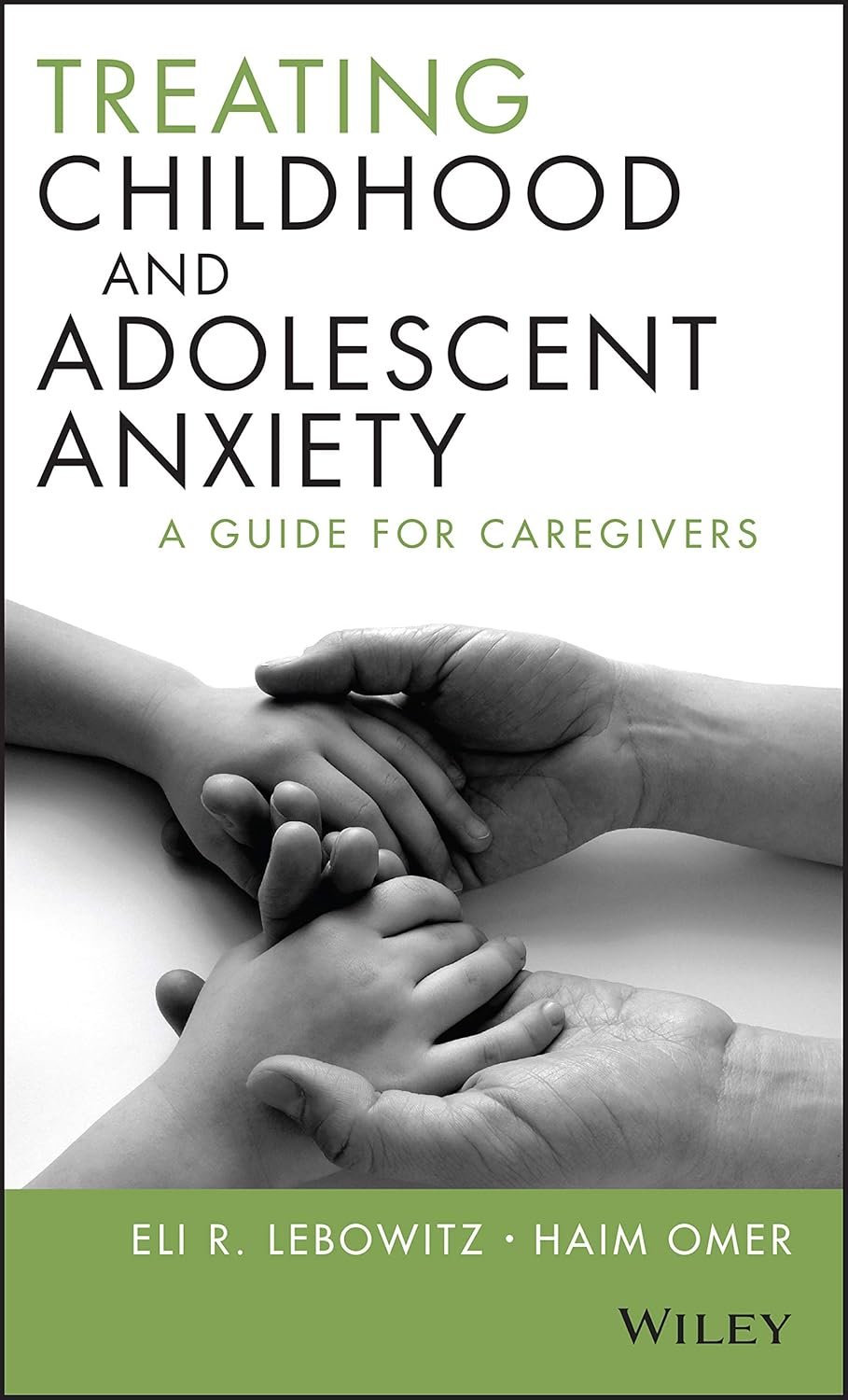
Although not exclusively an ADHD book, this guide by Eli R. Lebowitz is essential for parents of children with ADHD, who also often face comorbid anxiety. It’s a step-by-step manual for reducing anxiety through the SPACE program.
In-Depth Discussion
The book is based on the SPACE (Supportive Parenting for Anxious Childhood Emotions) program developed at the Yale Child Study Center. It empowers parents to help children manage anxiety without forcing exposure or confrontation, which can be especially helpful for kids with both ADHD and anxiety.
Key Features
- Focus on anxiety in children and teens
- Non-confrontational methods for anxiety reduction
- Parent-based intervention model
- Tools for setting boundaries and increasing independence
Warranty & Service
Return policy dependent on point of purchase.
Other Users’ Opinions
Lauded by mental health professionals and parents alike. Many highlight its effectiveness in reducing anxiety-driven behaviors without increasing resistance or meltdowns.
Pros and Cons
Pros:
- Great for kids with both ADHD and anxiety
- Focuses on parental empowerment
- Research-backed techniques
Cons:
- Not specific to ADHD
- Might not cover academic/executive functioning issues
10. Parent-Teen Therapy for Executive Function Deficits and ADHD

By Margaret H. Sibley, this book is targeted at parents of teens dealing with executive dysfunction and ADHD. It presents a structured therapy model based on years of research and practice.
In-Depth Discussion
This book focuses on collaborative therapy between parents and teens. It includes scripts, activities, and strategies to improve organization, motivation, and independence in teenagers. It’s particularly useful for managing school demands and peer relationships in adolescents with ADHD.
Key Features
- Therapy-based, parent-teen collaboration model
- Tailored for teens and high school-aged children
- Concrete planning and accountability tools
- Based on Motivational Interviewing and CBT
Warranty & Service
Standard book return policy applies.
Other Users’ Opinions
Parents report that the joint approach helps reduce conflict. Many liked the clear structure and teen-inclusive strategies.
Pros and Cons
Pros:
- Teen-centered with parental involvement
- Research-supported structure
- Emphasizes independence and accountability
Cons:
- Might be too clinical for casual readers
- Best for parents ready to adopt a structured intervention
Commonly Asked Questions about the Best ADHD Parenting Books (FAQs)
Which books are good for parents with attention deficit hyperactivity disorder?
These invaluable resources for parents with ADHD include Driven to Distraction (Hallowell), The ADHD Effect on Marriage (Orlov), and Smart but Scattered (Dawson). They offer practical strategies and empathy.
Which books are good for parents of children with ADHD?
Top books for parents of kids in the syndrome mix (including attention deficit disorder) include The Explosive Child (Greene) and Taking Charge of ADHD (Barkley)—practical, evidence-based strategies for home/school.
What to Expect When Parenting Children with ADHD?
As a parent of a child with ADHD, expect challenges with focus, impulsivity, and routines—but also creativity and energy. Consistent structure, patience, and professional support (therapy/meds if needed) foster success.
What Your ADHD Child Wishes You Knew?
Your ADHD child wishes you knew they’re trying their best. They need patience, clear routines, and praise—not shame. Their brain works differently, but with support, they thrive.
What are some of the best ADHD books for parents?
Some of the best books on ADHD for parents include “The Explosive Child” by Ross Greene, which offers insights into managing chronically inflexible children, and “Smart but Scattered” by Peg Dawson and Richard Guare, focusing on executive function impairments. These invaluable resources help parents understand ADHD symptoms and provide practical tips for parenting easily frustrated kids.
How can I help my child with ADHD at home?
To help your child with ADHD at home, create a structured environment with clear routines. Incorporate visual aids and consistent schedules to manage impulsivity and distractibility. Books about ADHD often provide strategies for parenting adhd kids, making it easier to cope with sensory processing challenges and other symptoms.
What is the significance of understanding girls with ADHD?
Understanding girls with ADHD is crucial as they often exhibit different symptoms than boys, such as being less hyperactive and more inattentive. This can lead to them being overlooked or misdiagnosed. Books focused on girls and women with ADHD can help parents and caregivers recognize and cope with these unique challenges, promoting better support for their children.
How can I recognize ADHD symptoms in my child?
Recognizing ADHD symptoms involves observing behaviors such as difficulty focusing, impulsivity, and challenges with organization. Additionally, children may struggle with sensory processing disorders or exhibit inflexible behaviors. Resources like ADHD books for parents can provide guidance on what to look for and how to approach potential diagnoses.
What are effective parenting techniques for kids with ADHD?
Effective parenting techniques for kids with ADHD include positive reinforcement, setting clear expectations, and using visual schedules. It’s also important to be patient and understanding, as children with ADHD may feel overwhelmed. Many books on ADHD for parents offer practical tips tailored to the needs of neurodivergent children.
Are there specific books to recommend to parents of children with learning disabilities?
Yes, there are specific books that are highly recommended for parents of children with learning disabilities, such as “The ADHD Effect on Marriage” by Melissa Orlov, which provides insight into the relationship dynamics affected by ADHD. These books for ADHD parents serve as an indispensable resource, helping parents understand the complexities of ADHD and learning disabilities.
What should overwhelmed parents do to manage ADHD symptoms?
Overwhelmed parents can manage ADHD symptoms by seeking support from community resources and networking with other parents. Books about ADHD often provide coping strategies and practical advice on how to create a balanced home environment. Additionally, mindfulness techniques and self-care for parents can also be beneficial in reducing stress.
How can I support my out-of-sync child?
Supporting your out-of-sync child involves fostering an understanding environment and recognizing their unique sensory processing challenges. Engaging in activities that align with their interests can also help. Books on ADHD for parents often discuss the importance of tailoring parenting strategies to suit the needs of children who may not fit traditional molds.
What role does executive function play in ADHD?
Executive function plays a significant role in ADHD, affecting a child’s ability to plan, organize, and execute tasks. Children with ADHD may struggle with these functions, leading to challenges in school and daily life. Understanding this aspect through books can equip parents with strategies to help their children thrive and manage ADHD symptoms more effectively.
Conclusion
Parenting a child with ADHD requires both patience and the right resources. These five books represent the best available in 2025, each offering a different perspective—from emotional empathy to scientific clarity and practical strategies. Whether you’re just starting your journey or looking for advanced strategies to better support your child, there’s a book on this list to help you build confidence and connection with your ADHD child.
Recommended posts
- 10 Red Flags in Teenage Behavior – Parents Shouldn’t Ignore
- Top Attachment Parenting Books Every Parent Should Read
- TOP 7 Must-Read Teenage Parenting Books for Modern Parents
- Toe Walking and ADHD: Is There a Hidden Connection?
- Therapy Activities for Kids with ADHD to Burn Energy & Build Focus
- Help ADHD Child Won’t Sleep Alone: (Proven Tips and Tools)
- How to Discipline a Child with ADHD (5 Rules for Parents)

