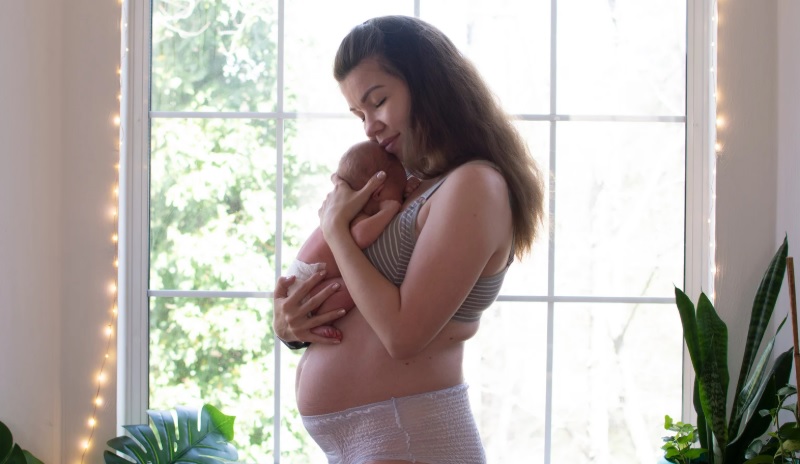
Have you noticed tiny, rough bumps on your skin after giving birth—especially on your arms or thighs? That could be keratosis pilaris postpartum, a harmless but annoying skin condition that flares up due to hormonal shifts. Is your skin suddenly dry and bumpy in places it never was before? You’re not alone in this.
Keratosis pilaris postpartum happens when dead skin cells clog hair follicles, often triggered by hormonal changes and dryness after delivery. Gentle exfoliation, regular moisturizing with urea or lactic acid creams, and maintaining hydration can help ease the condition. Dermatologists like Dr. Whitney Bowe suggest keeping your skincare simple and consistent to see real improvements.
But these are just the basics. In the full article, we’ll uncover expert-approved routines, natural remedies, and what to avoid to manage keratosis pilaris effectively after childbirth. Let’s unlock the secrets to smoother skin—starting now!
Introduction to Keratosis Pilaris (KP) – What Is Keratosis Pilaris?
Keratosis Pilaris, often dubbed as “chicken skin,” is a common but harmless skin condition that affects millions of people. It typically shows up as tiny, rough bumps on the upper arms, thighs, cheeks, or buttocks.
These skin bumps are caused by a buildup of keratin, a protein that protects the skin from infections and harmful elements. However, in people with KP, keratin blocks the hair follicles, leading to rough patches.
While KP isn’t dangerous or painful, it can be annoying, especially when it flares up at unpredictable times. What makes it more frustrating is its resistance to treatment—there’s no permanent cure, but it can be managed well with the right skincare habits.
Why Does KP Flare Up Postpartum?
Postpartum is a time of dramatic change for a woman’s body, and skin conditions often become more noticeable during this phase. Hormonal swings are one of the biggest culprits. During pregnancy, estrogen levels rise, often giving women that radiant “pregnancy glow.”
After childbirth, however, estrogen drops rapidly, which can throw your skin’s balance off-track. Keratosis Pilaris tends to worsen postpartum because the sudden hormonal drop can lead to dryness and irritation—both of which are triggers for KP.
Your immune system also shifts to support recovery and breastfeeding, and this can make your skin more reactive. Many new moms also find themselves short on sleep, dehydrated, or eating less balanced meals—all of which can contribute to flare-ups.
Is It Safe to Treat Keratosis Pilaris Postpartum?
Common Concerns for New Mothers: Let’s face it—new moms have enough to worry about without having to decode complicated skincare labels. One of the biggest concerns postpartum is making sure that whatever you apply to your body is safe, especially if you’re breastfeeding. The good news is that many KP treatments are safe to use after delivery, with a few precautions.
Safety depends on two major factors: the ingredients in your skincare products and where you apply them. Some ingredients can absorb into your bloodstream and potentially pass into breastmilk, while others are perfectly safe when used on non-nipple areas.
Safe vs Unsafe Ingredients While Breastfeeding
Here’s a quick breakdown:
Safe Ingredients to treat postpartum keratosis pilaris
- Lactic Acid – Gently exfoliates and hydrates.
- Urea – Excellent for smoothing your bumpy skin.
- Coconut Oil – Natural moisturizer with antibacterial properties.
- Shea Butter – Rich, non-irritating, and ultra-hydrating.
Ingredients to Use with Caution
- Salicylic Acid – Generally safe in small, topical doses but not recommended over large areas.
- Alpha Hydroxy Acids (AHAs) – Use in moderation.
Unsafe or Best Avoided While Breastfeeding
- Retinoids (e.g., Retin-A, Tretinoin) – These can potentially transfer through breastmilk and are usually advised against.
- High-strength chemical peels – May cause irritation or systemic absorption.
Knowing what’s safe allows you to treat your KP confidently without compromising your health or your baby’s.
Topical Keratosis Pilaris Treatments That Are Safe Postpartum
– Natural Moisturizers (Coconut Oil, Shea Butter)
When you’re freshly postpartum, less is more. Natural moisturizers like coconut oil and shea butter are powerhouses when it comes to softening skin without irritation. Coconut oil has natural antibacterial properties and helps reduce inflammation, while shea butter is packed with vitamins A and E, which help repair the skin barrier.
– Lactic Acid and Urea-Based Creams
If you’re looking for more than basic hydration, consider products with lactic acid or urea. These ingredients not only moisturize but also help break down keratin, which is the root cause of those pesky KP bumps.
– The Importance of Patch Testing
Even if a product is labeled “safe,” your postpartum skin might be more sensitive than usual. Always patch test new treatments on a small area of skin for 24 hours before applying them more widely. This simple step can prevent painful breakouts, rashes, or allergic reactions during an already stressful time.
DIY Home Remedies for Postpartum KP
– Oatmeal Baths for Soothing Skin
Oatmeal isn’t just a breakfast staple—it’s also a skin-soothing powerhouse. Colloidal oatmeal, which is finely ground oats suspended in liquid, has been used for centuries to treat dry, irritated skin. For new moms dealing with itchy, bumpy KP, oatmeal baths offer a natural, safe way to calm inflammation and reduce discomfort.
To make an oatmeal bath, grind 1 cup of plain oats in a blender until they turn into a fine powder. Add this to warm (not hot!) bathwater and soak for 15–20 minutes. The anti-inflammatory properties help reduce redness and the natural oils moisturize without irritating your bumpy skin.
For an added calming boost, you can mix in a tablespoon of baking soda or a few drops of lavender essential oil (though skip essential oils entirely if you’re highly sensitive or allergic).
– Apple Cider Vinegar Rinses
Apple cider vinegar (ACV) has become a go-to for natural beauty enthusiasts for good reason—it’s antibacterial, antifungal, and can balance the skin’s pH. For postpartum KP, ACV works as a gentle chemical exfoliant that may help unclog hair follicles and reduce the keratin plug buildup.
Dilute ACV with water in a 1:1 ratio and apply to affected areas with a cotton pad, or add ½ cup to your bath. Leave it on for a few minutes before rinsing off. The acetic acid in vinegar exfoliates gently and restores the skin barrier. However, avoid applying it to broken or freshly shaved skin, as it can sting.
– Aloe Vera and Honey Masks
This one feels like a little spa day for your skin—and you deserve it! Aloe vera is known for its cooling and hydrating properties, while raw honey is both antibacterial and a natural humectant, meaning it helps your skin retain moisture.
Mix one tablespoon of fresh aloe vera gel with one tablespoon of raw honey. Apply to KP-affected areas and let it sit for 15–20 minutes before rinsing with lukewarm water. You’ll notice softer, calmer skin right away. Repeat this 2–3 times a week to keep flare-ups in check.
Medical Treatments and When to See a Dermatologist
Prescription Topicals and Oral Medications: If over-the-counter and natural remedies aren’t giving you the results you want, it may be time to consult a dermatologist.
Prescription-strength topical treatments, such as creams containing stronger concentrations of urea, lactic acid, or glycolic acid, can make a significant difference. In more severe cases, your dermatologist may recommend oral medications to help manage inflammation.
These are rarely needed for KP but may be considered if the condition is affecting your quality of life. For breastfeeding moms, it’s crucial to discuss safety and ensure the medications won’t interfere with milk production or baby’s health.
Laser Treatments: Pros and Cons
Laser therapy can offer long-term improvement for stubborn KP. These treatments typically work by targeting redness and stimulating collagen production to smooth the skin’s texture. However, there are some important caveats to consider postpartum.
Pros:
- Can significantly reduce redness and bumpiness.
- Results may last for months with proper care.
Cons:
- Expensive and not always covered by insurance.
- Multiple sessions required.
- Not recommended if you’re breastfeeding or your skin is still highly sensitive.
If you’re considering laser therapy, wait at least a few months postpartum and consult both your OB-GYN and dermatologist to ensure it’s the right time.
Commonly Asked Questions about Postpartum Keratosis Pilaris (FAQs)
Can keratosis pilaris go away after pregnancy?
Yes, in some cases KP may improve postpartum as your hormones rebalance, but it often requires consistent treatment to see real change. If you had it before pregnancy, it’s likely to stick around unless managed.
Is it okay to use AHA or BHA while breastfeeding?
Most low-strength AHAs (like lactic or glycolic acid) are considered safe when used topically and not applied to the breast area. BHAs like salicylic acid should be used sparingly and with caution.
Are there natural oils that worsen KP?
Yes, some comedogenic oils like coconut oil may clog pores in some individuals, though they work wonders for others. Always patch test first to be sure it suits your skin type.
How long does postpartum KP last?
There’s no set timeline—it varies by person. With regular moisturizing and gentle exfoliation, many people see improvement within a few months. If KP persists, medical treatments can help.
Should I see a dermatologist or wait it out?
If your KP worsens, becomes painful, or doesn’t respond to at-home treatments after a few months, a visit to a dermatologist is a smart move. They can offer stronger, targeted solutions that are safe for postpartum and breastfeeding.
What is keratosis pilaris postpartum?
Keratosis pilaris postpartum is a common skin condition that can develop after childbirth. It manifests as small, red or white bumps on the arms, legs, and sometimes other areas of the body.
How can I get rid of the bumps on my arms?
To effectively get rid of the bumps on your arms caused by keratosis pilaris postpartum, it is advisable to incorporate gentle exfoliation into your skincare routine. Using a lotion that contains salicylic acid or urea can help to soften and smooth the skin.
Are there any specific beauty products recommended for this condition?
Yes, there are specific beauty products that can help manage keratosis pilaris postpartum. Look for lotions and creams that contain exfoliating ingredients such as alpha hydroxy acids (AHAs) or beta hydroxy acids (BHAs). CeraVe SA lotion is often recommended due to its ability to hydrate and exfoliate the skin simultaneously, making it a great choice for those experiencing this condition.
Is keratosis pilaris postpartum a bad condition?
Keratosis pilaris postpartum is not considered a bad or harmful condition; it is generally benign and does not pose any serious health risks. However, it can cause cosmetic concerns and discomfort for some individuals, particularly if the bumps are itchy or persistent.
What should I do if my keratosis pilaris is getting worse?
If your keratosis pilaris postpartum is getting worse, it is important to consult with a dermatologist. They can provide medical information and specific treatment options tailored to your skin type and severity of the condition.
Can keratosis pilaris develop after pregnancy in anyone else?
Yes, keratosis pilaris can develop in anyone after pregnancy. Hormonal changes, skin dryness, and genetic predisposition can all contribute to the development of this condition. It is not uncommon for new mothers to experience these bumps on their skin, especially in the weeks pp (postpartum).
Why does my skin feel itchy due to keratosis pilaris?
The itchy sensation associated with keratosis pilaris is often due to dry skin and irritation caused by the small bumps. The condition can exacerbate during the winter months when the air is dry, leading to more discomfort. Regularly moisturizing and using gentle soap during showers can help alleviate the itchiness.
What is the best way to manage dry skin with keratosis pilaris?
To manage dry skin with keratosis pilaris, it is essential to incorporate a consistent moisturizing routine. Use a rich lotion or cream that contains hydrating ingredients, and consider applying it immediately after showering to lock in moisture. Additionally, gentle exfoliation with products that contain AHAs or BHAs can help keep the skin smooth and prevent excess keratin buildup.
Conclusion
Navigating keratosis pilaris postpartum can feel overwhelming, especially when you’re juggling sleepless nights, hormonal changes, and the huge task of caring for a newborn. But here’s the good news—you’re not powerless. With the right combination of gentle skincare, smart lifestyle choices, and a bit of patience, you can absolutely manage KP in a way that’s safe and effective.
The most important thing to remember is that your skin just went through a massive transformation. It deserves time, care, and compassion—just like you do. Start simple: stay hydrated, use gentle exfoliants, moisturize religiously, and choose skin-safe products that won’t interfere with breastfeeding. Keep in mind that consistency beats intensity when it comes to KP treatments. You don’t have to go full throttle with a 12-step skincare routine—just a few mindful choices each day can lead to noticeable improvements.
And if things still don’t improve? Don’t hesitate to consult a dermatologist. KP may be stubborn, but it’s manageable—and you don’t have to go it alone. Remember, this postpartum season is temporary, and so is the state of your skin. Give it love, and it will bounce back, just like you will.
Recommended posts
- Postpartum Hives Treatment: Safe Ways to Soothe Your Skin
- When to Start Return to Running Postpartum Safely?
- Postpartum Skin Dryness Causes & Top Remedies to Heal Fast
- Can You Eat Honey While Breastfeeding? (Nutrition Facts)