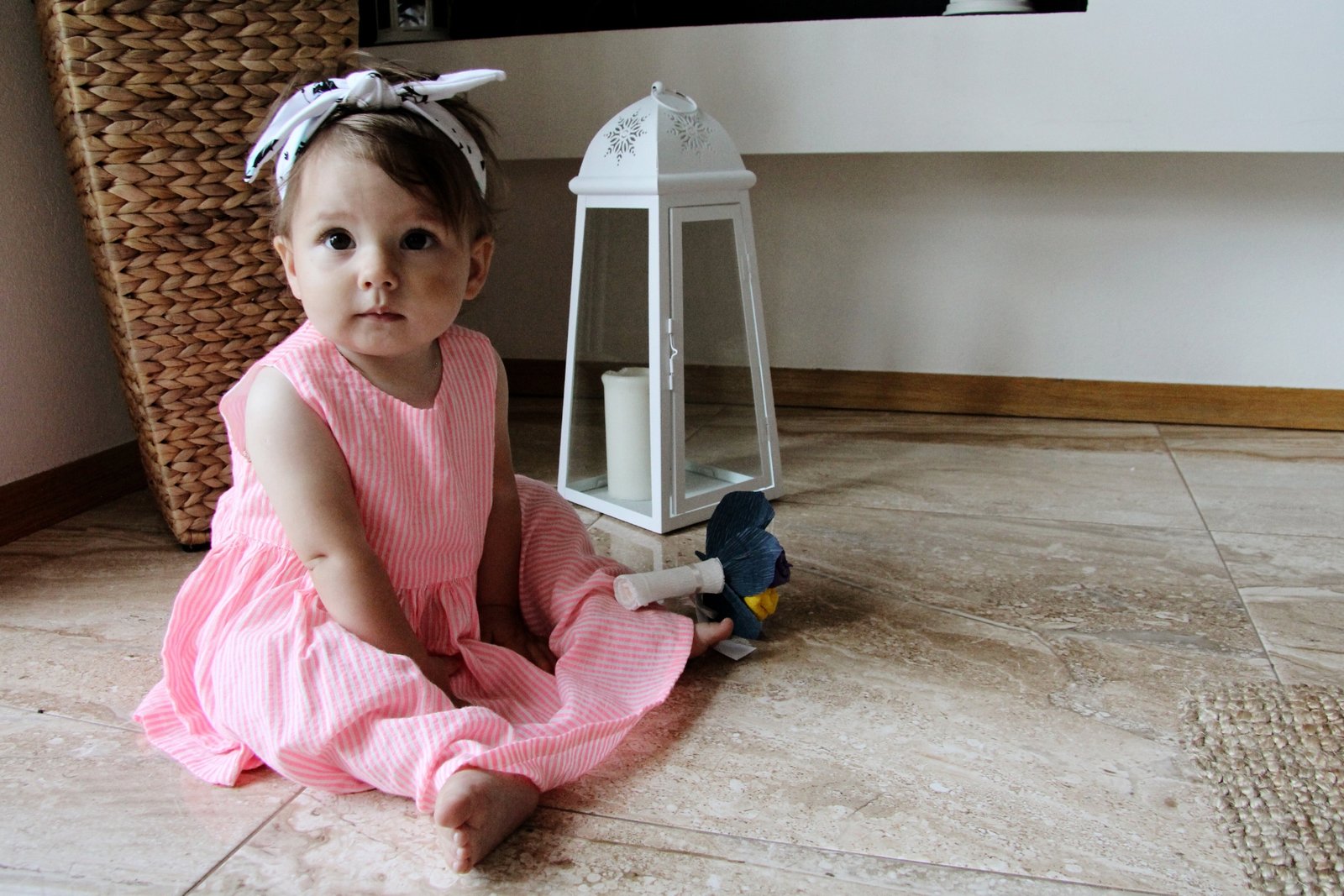
Wondering How to Discipline a 1 Year Old Baby without being too harsh? At this tender age, discipline is about guidance, not punishment. Is it harmful to physically discipline my child by lightly hitting them when they do something wrong?
Experts like Dr. T. Berry Brazelton emphasize that redirection, consistency, and positive reinforcement work best. Simple actions like saying “no” firmly, offering alternatives, attention span, and keeping a calm demeanor help babies understand limits. Gentle discipline teaches lifelong skills without causing fear.
Discipline at one year old isn’t about strict rules—it’s about patience and positive teaching. So, how can you handle tantrums and encourage good behavior? Let’s explore the most effective and loving ways to guide your little one.
Is It Possible to Effectively Discipline a 1 Year Old?
Can you discipline a 1 year old? When addressing whether it is possible to effectively discipline a 1-year-old, it’s important to understand that this age is a period of exploration and curiosity. While a 1-year-old may not fully grasp the concept of discipline, it is still feasible to set boundaries.

Discipline at this age should focus on teaching toddlers the difference between acceptable and unacceptable behavior through consistent guidance rather than harsh punishments. Positive reinforcement, such as praise for good behavior, can significantly contribute to their understanding of limits.
By creating a safe environment, parents can help their little ones learn which actions are dangerous, such as touching hot objects, and redirect their attention to safer alternatives, fostering a sense of security.
At this stage, effective discipline involves modeling appropriate behavior and using a calm tone of voice. Parents can use simple language to explain consequences, ensuring their child begins to understand the impact of their actions.
For example, if a toddler reaches for something dangerous, gently removing the object while saying “hot” or “no” can help convey the message. This approach not only teaches discipline but also nurtures a long term relationship between parent and child, making it easier for the little one to learn over time.
When Should You Start Disciplining Your Baby?
Determining when to start disciplining your baby can be a challenge for many parents. Generally, discipline can begin as early as when your child is around 1 year old. At this age, toddlers begin to understand simple commands and start to test boundaries.
It is crucial to keep in mind that the goal of discipline is not punishment but rather the teaching of acceptable behavior. Parents should aim to establish routines and expectations early on, which helps children feel secure and understand the limits set for them.
Beginning to discipline at this stage involves teaching your child about safety, as they may explore their environment and encounter dangerous situations. Parents can gently guide them by showing which objects are harmful or inappropriate to touch.
For instance, if a toddler reaches for an electric socket, a parent can calmly intervene and explain that it is unsafe. Offering distractions or redirecting their attention to safe toys can be effective child discipline strategies during this learning process, allowing the child to explore their environment safely while fostering understanding of boundaries.
How to Discipline a 1 Year Old Who Doesn’t Listen?
Disciplining a 1-year age children who doesn’t listen can be particularly frustrating for parents. Toddlers at this age are often absorbed in their own world and may not respond to verbal cues.
One effective strategy is to redirect their attention to something else, which can prevent tantrums and behavioral issues. For instance, if your toddler is reaching for a forbidden object, calmly intervene and offer a toy or activity that is acceptable. This redirection not only distracts them but also reinforces good behavior.
Another approach is to establish consistent routines that help your child understand expectations. When your little one knows what to expect, they are less likely to resist boundaries.
Additionally, parents should maintain a calm demeanor and use a stern but gentle tone of voice when communicating limits. If your child throws a tantrum, it’s important to remain patient and not resort to spanking or harsh punishment.
Instead, acknowledge their feelings and offer comfort while gently guiding them away from unwanted behavior. Over time, this consistent approach will help your child learn how to behave appropriately and respond to guidance.
7 Effective Tips To Discipline A One-Year-Old
Here are 7 Effective Tips to Discipline a One-Year-Old while fostering a loving and supportive environment:
1. Set Clear Boundaries
At this age, toddlers begin to explore their environment. Use simple words like “No touching” or “Gentle hands” to set clear limits.
2. Use Positive Reinforcement
Praise and reward good behavior with claps, hugs, or cheerful words like “Good job!” instead of only focusing on misbehavior.
3. Redirect Their Attention
Instead of saying “No” all the time, distract them with a toy or an activity that is safe and engaging when they reach for something inappropriate.
4. Stay Consistent
Toddlers learn through repetition. If you set a timer, make sure to enforce it consistently so they understand what is acceptable.
5. Use a Firm but Gentle Tone
Yelling or harsh punishment is ineffective. Instead, use a calm but firm voice to communicate expectations clearly.
6. Model Good Behavior
Children imitate their caregivers. Show kindness, patience, and the behaviors you want them to learn.
7. Ensure Safety First
Instead of punishing unsafe behavior, childproof your home. Remove hazards to prevent situations that require constant discipline.
Why I Choose Gentle Parenting?
Choosing gentle parenting stems from my desire to foster a nurturing environment for my son, who just turned one. In moments of frustration, when he screams or throws a temper tantrum, I remind myself to stay calm and avoid resorting to methods like time-out.
Instead of saying “no” loudly, I try to redirect his attention to an interesting activity. Babies and toddlers may not fully comprehend cause and effect, but with positive feedback, I encourage his exploration while ensuring he knows that touching a hot stove or a sharp object is dangerous.
When he cries or gets upset, I aim to embrace those moments with a smile and patience, understanding that he is learning. I often browse Parenting Stack Exchange to find insights on toddler discipline that align with my approach.
I intend to guide him through potential hazards without overwhelming him. It’s a messy, trivial process filled with trials, but I believe that as he grows, he will develop the skills to navigate the world with enthusiasm and safety.
By choosing gentle parenting, I hope to build trust and a strong bond, allowing him to explore without fear. This way, he can learn about danger and injure less while understanding the world around him. I know my persistent support will help him thrive and respond positively to life’s challenges.
Commonly Asked Questions about Disciplining a 1 Year Old Child (FAQs)
How to discipline a 1 year old who throws tantrums?
Discipline a 1-year-old by staying calm, redirecting their attention, and setting consistent boundaries. Use simple “no” phrases, offer comfort during meltdowns, and reinforce positive behavior with praise. Avoid yelling or punishment.
How can I effectively discipline my one-year-old child without resorting to harsh methods?
To discipline a one-year-old effectively, it is important to answer this question with gentle methods. Focus on redirecting their attention and offering positive reinforcement rather than punishment.
Is it okay to ignore my son just turned one when he throws a tantrum?
In some cases, it may be appropriate to ignore the behavior for a minute or two, as long as the situation is safe. This can help teach your child that tantrums won’t get them the attention they want.
What should I do if my one-year-old is constantly making a mess?
When your one-year-old creates a mess, try to remain calm and not react negatively. Instead, you can answer this question by gently guiding them to a more appropriate activity and encouraging clean-up as part of playtime.
How can I set boundaries for my one-year-old while still being gentle?
Setting boundaries can be done gently by using clear and consistent language. When you need to say “no,” do so firmly but kindly, and explain why their behavior is not acceptable in terms they can understand.
What are some gentle ways to deal with my child’s exploration of dangerous items like a hot iron or chemicals?
To answer this question, it’s essential to child-proof your home by keeping dangerous items out of reach. If they do reach for something unsafe, calmly redirect them to a safe toy or activity instead.
How long should I give a warning before enforcing discipline with my one-year-old?
A warning can be effective if given a minute or two before a potential consequence. This allows your child to understand the behavior that needs to change and gives them a chance to adjust.
Can I use time-outs as a discipline method for my one-year-old?
Time-outs are generally not recommended for children under two years old since they may not understand the concept. Instead, focus on redirection and positive reinforcement to guide your child’s behavior and mental health.
How can I teach my child about “no” without creating fear?
To answer this question, it is important to use a calm tone when saying “no” and explain why certain actions aren’t acceptable. Emphasize what they can do instead rather than just focusing on what they cannot do.
What is the best way to reinforce positive behavior in my one-year-old?
Reinforce your child’s positive behavior you expect by praising them immediately when they do something good. Acknowledging their good actions as much as possible encourages them to repeat those behaviors in the future.
Conclusion
In conclusion, effective discipline for a one-year-old’s baby revolves around gentle guidance, consistency, and positive reinforcement. While it may seem challenging, parents can successfully teach their toddlers acceptable behavior and boundaries through patience and understanding. It’s essential to focus on redirecting their attention, using praise for positive behavior, and maintaining a calm demeanor during challenging moments. By implementing these strategies, parents can foster a nurturing environment where their children learn and grow, ensuring both safety and emotional well-being as they navigate the early stages of development.
Recommended posts
- Real Life Examples of Positive Discipline for Parents & Teacher
- When Do Babies Start Understanding Discipline?
- Age Appropriate Discipline Chart: Effective Parenting Guide
- Parenting Without Punishment – The Best Way to Discipline
- How to Discipline a Child with Autism (Effective Ways)
- How to Discipline a Child Without Yelling or Spanking?