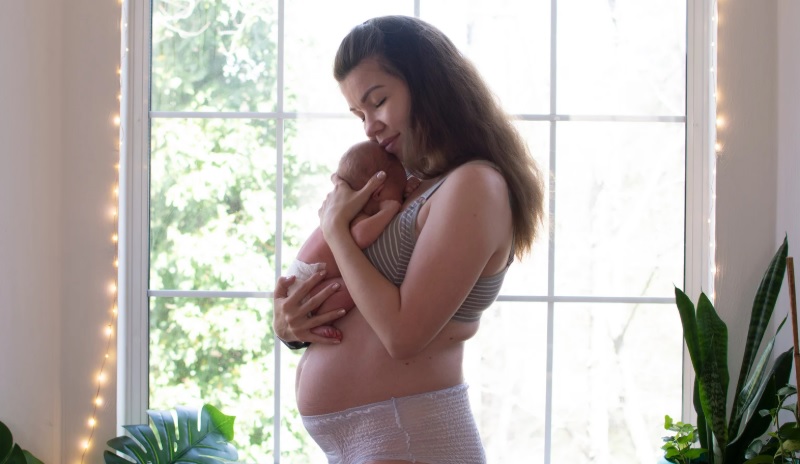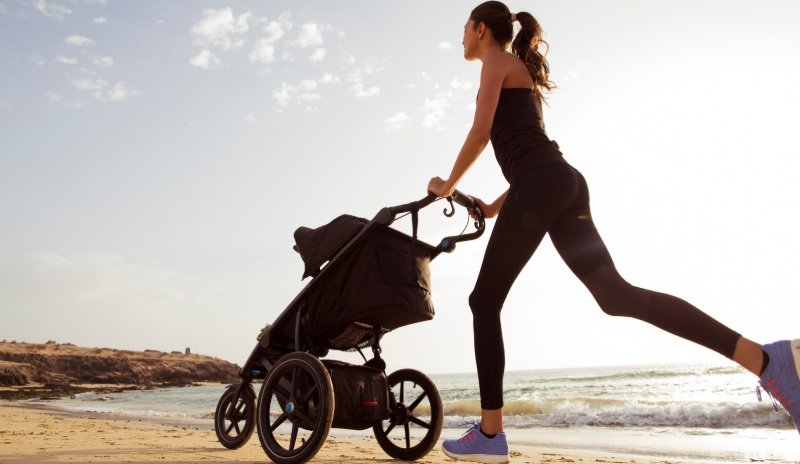
Ready to lace up your shoes and return to running postpartum? Many new moms wonder when it’s safe to hit the pavement again without risking injury or setbacks. What changes in your body should you be aware of before stepping back into your routine? Let’s dive into what it really takes to make a safe and confident return.
Experts like Dr. Carrie Pagliano, a board-certified women’s health physical therapist, recommend waiting at least 12 weeks before resuming high-impact activities. This article covers postpartum recovery stages, warning signs to watch for, and personalized tips for building back your stamina. You’ll also find expert-backed timelines and core strength-training advice tailored specifically for new moms.
But every woman’s journey is different. So how do you know when your body is truly ready? Stick with us as we explore the safe, effective, and empowering path to return running safely — with guidance from top physiotherapists and real-life recovery stories you can trust.
When Can You Start Running Postpartum?
While every woman’s postpartum journey is unique, most healthcare providers recommend waiting at least 6 to 8 weeks after childbirth before starting a running program. This timeframe allows your body to recover from the physical stresses of pre pregnancy and childbirth, especially considering factors such as pelvic floor health, which is crucial for runners.
During these 2 months postpartum, it’s important to focus on the recovery of your pelvic floor muscles, particularly if you experienced a c-section or any complications that could lead to issues like pelvic organ prolapse.
After this initial recovery period, many women are eager to return to running and get back to running as a way to improve their endurance and overall fitness. However, before you start running, it is advisable to consult a physical therapist who specializes in postpartum recovery to ensure that your body is ready for the demands of running.
By 12 weeks postpartum, many women find they can safely resume their running routine while also incorporating core strength training to support their pelvic health, especially if they plan to breastfeed or manage the physical changes that come with motherhood.
How to Start a Postpartum Running Program?
Starting a postpartum running plan can be an empowering step for new mothers looking to regain their fitness and enjoy the many benefits of running. It’s essential to approach this journey thoughtfully and gradually, taking into account the changes your body has undergone during pregnancy and childbirth.
Begin by consulting with your healthcare provider to ensure you’re ready to start exercising, especially if you had a cesarean delivery or any complications. Once you receive the green light, start with gentle activities such as walking or pelvic floor exercises to strengthen your core and pelvic muscles.
As you build endurance, slowly incorporate short running intervals into your routine, focusing on proper form and listening to your body. Remember to prioritize recovery and hydration, and consider joining a supportive community of other postpartum runners to share experiences and stay motivated.
With patience and consistency, running postpartum can not only enhance your physical health but also provide a much-needed mental break and a sense of accomplishment.
Get Running Tips
- Wear the Right Gear: Invest in a good pair of running shoes and consider supportive sports bras.
- Stay Hydrated: Drink plenty of water before, during, and after your runs.
- Choose Soft Surfaces: Running on softer surfaces like grass or trails can reduce impact on your joints.
- Warm Up and Cool Down: Always include a warm-up and cool-down in your routine to prevent injuries.
Physical Therapist’s Tips for Postpartum Running
A physical therapist can provide valuable insights to ensure a safe return to running:
- Pelvic Floor Health: Focus on pelvic floor exercises to strengthen the muscles that support your bladder and uterus.
- Posture and Form: Pay attention to your running posture. A physical therapist can help you correct any issues.
- Gradual Increase in Intensity: Avoid jumping into high-intensity workouts too soon. Gradually increase your running distance and speed.
Postpartum Training and Recovery
In addition to running, consider these aspects for a holistic recovery:
- Sleep: Prioritize rest whenever possible. Quality sleep is essential for recovery.
- Mobility Work: Incorporate stretching and mobility exercises to improve flexibility and prevent injuries.
- Nutrition: Maintain a balanced diet rich in nutrients to support healing and energy.
Pelvic Floor Physical Therapy for Postpartum Running
Pelvic floor physical therapy can be particularly beneficial for postpartum runners. A specialized therapist can help you:
- Assess Muscle Function: Evaluate your pelvic floor muscles and identify any weaknesses or tightness.
- Teach Exercises: Learn specific exercises to strengthen your pelvic floor and core.
- Provide Support: Get advice on how to manage any urinary incontinence or pelvic pain while running.
Benefits of Running After Birth
Running after childbirth can offer numerous benefits for new mothers. Here are some key advantages:
– Boosts Physical Recovery After Pregnancy
Running after childbirth helps restore physical strength. It improves cardiovascular health and supports healthy weight loss. New mothers can regain energy and stamina faster with regular runs. The body feels lighter, and daily tasks become easier.
It also helps tone abdominal muscles and strengthens the pelvic floor. As a result, posture improves, and back pain decreases. These benefits are essential for women recovering from labor and delivery.
– Supports Mental Health and Reduces Stress
Postpartum depression affects many women. Running naturally boosts mood and mental clarity. It releases endorphins, which reduce anxiety and depression. A short daily run can help mothers feel more balanced and in control.
Being outdoors adds extra mental health benefits. Fresh air, sunlight, and nature provide a calming effect. Many moms report feeling more confident and positive after running regularly.
– Improves Sleep Quality
Better sleep is a major advantage of postpartum running. New moms often struggle with sleep interruptions. Regular exercise helps regulate sleep patterns. The body becomes more relaxed and ready for deep rest.
Mothers who run often fall asleep faster and stay asleep longer. Even short runs can promote restful nights. Over time, consistent exercise leads to stronger sleep habits.
– Enhances Energy and Reduces Fatigue
Ironically, running boosts energy levels. Although motherhood can be exhausting, movement revitalizes the body. Blood circulation improves, delivering more oxygen and nutrients to muscles.
With regular running, energy dips decrease. Moms feel more alert, focused, and productive. This energy helps them handle the demands of parenting better.
– Aids in Healthy Weight Management
Pregnancy weight can take time to lose. Running is one of the most effective ways to burn calories. It boosts metabolism and encourages fat loss without extreme diets.
Combined with healthy eating, running helps shed baby weight naturally. It also promotes long-term weight control. Moms stay fit, healthy, and strong for their families.
– Promotes Me-Time and Self-Care
Motherhood is rewarding but demanding. Running offers valuable alone time. It allows women to focus on themselves, even for just 30 minutes a day.
This “me-time” can improve emotional balance. It also helps moms reconnect with their identity beyond parenting. Feeling strong and independent boosts overall well-being.
– Connects You With Other Moms
Many communities offer running groups for new moms. These groups create support networks and friendships. Running with others builds motivation and accountability.
Shared experiences strengthen social bonds. Moms encourage each other through postpartum challenges. The sense of belonging eases loneliness and isolation.
– Strengthens the Immune System
Postpartum running increases overall immunity. A strong immune system is vital for moms who need to stay healthy. Running flushes out bacteria and improves lymphatic flow.
It reduces inflammation and helps regulate hormones. All of this makes the body more resistant to illness. Healthier moms can care better for their babies.
– Encourages Long-Term Healthy Habits
Starting to run after childbirth builds momentum for lifelong wellness. Children watch and often mimic healthy habits. Running sets a positive example for the whole family.
It also builds discipline and resilience. These traits help moms stay focused, balanced, and healthy. Long-term benefits far outweigh the effort of lacing up and getting out the door.
Running after birth provides countless physical and emotional rewards. It strengthens the body, clears the mind, and uplifts the spirit. Whether walking or jogging, start slowly and stay consistent. The journey to health starts one step at a time.
Expert Tip: Let Your Body Rest and Heal Before You Run
After giving birth, it’s essential to prioritize your recovery before resuming any running activities. Your body has undergone significant changes, and allowing yourself the necessary time to rest and heal is crucial for both your physical and mental well-being.
Engaging in running too soon can lead to injuries or exacerbate any discomfort you may already be feeling. Take this time to listen to your body, gradually build your strength, and consult with a healthcare professional to determine the right time to start running postpartum.
Remember, the journey back to running is not a race; it’s about nurturing your body and ensuring a safe return to fitness.
Physical Therapist Advice: Listen to Your Body
Returning to running postpartum is an important step in regaining fitness and well-being, but it should be approached with care. Here are some tips from physical therapists to help you get started safely:
1. Listen to Your Body
- Pay attention to any discomfort or pain during or after running.
- Fatigue, pelvic pain, or incontinence are signs you may need to adjust your activity level.
2. Start Slow
- Begin with walking before progressing to running. Gradually increase your pace and distance.
- Consider a run/walk program, alternating between walking and running intervals.
3. Strengthen Core and Pelvic Floor
- Engage in exercises that strengthen your core and pelvic floor muscles. This can help support your body as you return to running.
4. Check Posture and Form
- Focus on maintaining good posture while running. Keep your shoulders relaxed and your head aligned over your hips.
5. Wear Proper Footwear
- Invest in a good pair of running shoes that provide adequate support and cushioning.
6. Hydrate and Fuel Properly
- Stay hydrated and ensure you’re eating well to support your energy needs during this time.
7. Consult a Professional
- If you’re unsure about your readiness to run, consider consulting a physical therapist specializing in postpartum recovery.
8. Be Patient
- Recovery takes time. Celebrate small milestones and be kind to yourself as you progress.
By following these guidelines and tuning into your body’s signals, you can safely return to running and enjoy the benefits of physical activity postpartum.
Commonly Asked Questions about Running After Giving Birth (FAQs)
How to tell when you’re ready for postpartum running?
Wait at least 6 weeks after giving birth (or longer for C-sections) before running. Start with pelvic floor checks, gentle walks, and progress slowly to exercise postpartum to avoid injury.
Have you Considered Your Breastfeeding Schedule?
Plan your breastfeeding schedule around baby’s hunger cues—typically every 2–3 hours. Consistent feeding supports milk supply and baby’s growth. Adjust as needed and consult a lactation expert for guidance.
What is the best way to get back to running after pregnancy and childbirth?
The best way to get back to running after pregnancy is to start gradually. Begin with walking and low-impact exercises, then slowly incorporate jogging or running intervals. It’s essential to listen to your body and allow adequate recovery time, especially during the first 12 weeks postpartum. Consulting a pelvic health physical therapist can help tailor a personalized postpartum running plan that aligns with your fitness goals and addresses any pelvic floor dysfunction.
How many weeks postpartum should I wait before running?
Most experts recommend waiting at least 12 weeks postpartum before returning to running, especially if you’ve had a vaginal delivery or a c-section. During this time, focus on strengthening your pelvic floor and core muscles. It’s crucial to ensure that your body has healed and is ready for the demands of running, which can put a strain on your body if you return too soon.
Can I run if I’ve had a c-section?
Yes, you can run after having a c-section, but it’s vital to wait until you are fully healed, typically around 12 weeks postpartum. Engage in gentle exercises and consult with a pelvic floor physical therapist to assess your recovery and prepare your body for running. They can help you develop a safe training plan that considers your specific needs.
What are the signs of pelvic floor dysfunction when returning to running?
Signs of pelvic floor dysfunction can include urinary incontinence, pelvic pain, or a feeling of heaviness in the pelvic area. If you experience these symptoms while running, it’s essential to consult a healthcare professional or a pelvic health physical therapist. They can provide exercises that help improve pelvic health and guide you safely back into running.
How can I prepare my body for running postpartum?
Preparing your body for running postpartum involves focusing on pelvic health and overall fitness. Strengthening your core and pelvic floor muscles through targeted exercises like pilates or yoga can be beneficial.
Is it safe to run while breastfeeding?
Yes, it is generally safe to run while breastfeeding. However, consider the demands of breastfeeding and how it might affect your energy levels. Staying hydrated and wearing a supportive sports bra can help make your running experience more comfortable.
What should be included in a postpartum running checklist?
A postpartum running checklist should include: consulting a healthcare provider, assessing pelvic health with a physical therapist, ensuring a proper warm-up and cool-down routine, wearing appropriate running gear, staying hydrated, and starting with a gradual running schedule.
How can I incorporate running with my baby?
Incorporating running with your baby can be a fun way to stay active. You can use a jogging stroller designed for running, ensuring that it has proper support and safety features. Start with short distances and gradually increase as you and your baby become accustomed to the routine.
What are some alternatives to running postpartum?
If you’re not ready to run postpartum or are looking for alternatives, consider low-impact exercises such as swimming, cycling, or walking. Activities like pilates or yoga can also improve your strength and flexibility, making them excellent choices during the postpartum period.
Conclusion
How soon can you start running postpartum? Returning to running postpartum can be an empowering journey, but it’s essential to approach it with care. By following guidelines, listening to your body, and seeking professional advice when needed, you can safely enjoy the benefits of running while supporting your recovery. Embrace this new chapter of motherhood, and remember that every step counts towards your health and happiness.
Recommended posts
- Postpartum Gassiness Causes, Treatment & Home Remedies
- How to Tighten Your Vigina After Giving Birth (Proven)
- Effective Umbilical Hernia Postpartum Treatment
- Safe Keratosis Pilaris Postpartum Treatment Methods to Try
- Can Postpartum Prolapse Heal Itself Without Medical Help?
- When Can You Swim After Giving Birth Safely (Experts Advice)
- 5 Post Natal Pilates Exercises That Are Safe for New Moms
- The Ultimate Postpartum Weight Loss Plan for Busy New Moms