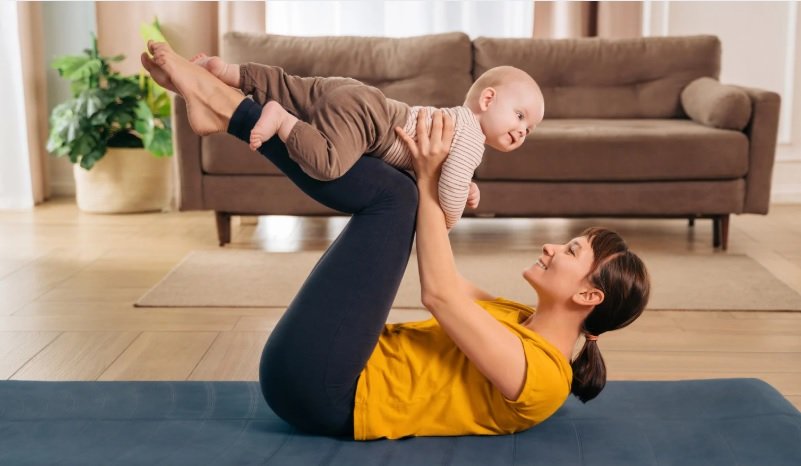
Postpartum ab workout exercises are key to rebuilding core strength after pregnancy. Are you looking to tone your belly and improve posture without risking injury? Knowing which moves are safe—and when to start—is essential for your recovery.
The best postpartum ab exercises include pelvic tilts, dead bugs, heel slides, and gentle bridges. These help close abdominal separation (diastasis recti) and support your lower back. Experts recommend starting slowly, focusing on breath and form, not intensity.
But healing your core takes more than just crunches. According to physical therapist Dr. Carrie Pagliano, understanding your body’s signals is crucial to avoid setbacks. So, let’s break down the safest and most effective postpartum ab workouts for a stronger, healthier you.
Top Signs of a Weak Core After Giving Birth
Why Core Strength Matters Postpartum? After childbirth, your abdominal muscles and pelvic floor take time to recover. A weak core can affect posture, movement, and even daily tasks. Recognizing the signs helps prevent long-term issues and supports healing.
– Poor Posture and Slouching
One of the first signs is poor posture. If you find yourself slumping forward or struggling to sit up straight, your core may be weak. It often feels like your upper body lacks support.
– Lower Back Pain
Weak abdominal muscles force your lower back to compensate. This leads to aches, stiffness, or even sharp pain, especially when standing, lifting, or walking for extended periods.
– Bulging Belly or “Mom Pooch”
A persistent bulge in your lower belly, even after weight loss, may signal diastasis recti. This condition separates the abdominal muscles, making it hard to engage the core properly.
– Difficulty Lifting or Carrying
If holding your baby or lifting groceries feels unusually hard, your core might not be fully recovered. Weak muscles make it harder to balance and control your movements.
– Pelvic Floor Issues
Leaking urine when coughing, sneezing, or laughing? That’s often linked to both weak core and pelvic floor muscles. These systems work together, and weakness in one affects the other.
– Feeling “Disconnected” From the Core
Many new moms describe a lack of connection or control in their midsection. This may feel like your core isn’t “activating” when doing simple tasks like getting out of bed or sitting up.
– Abdominal Doming or Coning
During physical activity, you might notice your belly forming a cone or dome shape. This is a classic sign of muscle separation and poor core engagement.
– Fatigue During Basic Movements
If daily movements like rolling over, climbing stairs, or standing for long periods feel tiring, your core might be struggling. The core supports nearly every action you take.
– Balance and Stability Issues
A weak core often causes poor balance. If you feel wobbly or unstable while walking or exercising, your core may lack the strength needed to keep your body aligned.
– Trouble Breathing Deeply
Your diaphragm works with your core. If your breaths are shallow or feel restricted, your weakened core might be contributing to poor breathing mechanics.
A weak core after giving birth is common but treatable. Recognizing the signs early supports healing and helps prevent further complications. Stay active, listen to your body, and seek expert help when needed.
Core Changes During Pregnancy and Postpartum
During pregnancy, the body undergoes significant changes that affect the core muscles. The abdominal muscles, particularly the rectus abdominis, stretch to accommodate the growing belly, leading to potential diastasis recti.
After giving birth, the body continues to adapt, and the core muscles may feel weak or disengaged. Understanding these changes is vital for new moms as they embark on their postpartum recovery journey, ensuring they approach core exercises safely and effectively.
Postpartum, many women experience a weakened pelvic floor, which is intricately connected to core stability. This weakened state can lead to issues such as urinary incontinence or further abdominal separation if not adequately addressed. Engaging in postpartum core exercises can help restore strength and stability to both the core and pelvic floor.
It’s essential to start with gentle movements that promote healing, focusing on proper breathing techniques like inhaling and exhaling to engage the deep core muscles effectively. By recognizing these core changes and respecting the body’s limits, new moms can gradually rebuild their strength.
Is It Safe to Do Postpartum Core Exercises After Giving Birth?
Generally, it is advisable to wait until you receive clearance from your healthcare provider, typically around six weeks postpartum. However, gentle movements can begin earlier, depending on individual recovery.
It’s essential to listen to your body and proceed with caution, especially if you experience any discomfort or pain during exercise. Consulting with a physical therapist who specializes in postpartum care can provide guidance on when and how to safely engage in core workouts.
They can help tailor a workout routine that considers your specific needs, ensuring that you progressively strengthen your core without risking injury. By prioritizing safety and being mindful of your body’s signals, you can effectively incorporate postpartum core exercises into your recovery plan.
10 Benefits of Strengthening Your Core After Having a Baby
After giving birth, your body goes through major changes. One of the most affected areas is your core. Strengthening your core helps rebuild muscle, improve function, and restore stability. It’s key to feeling strong, supported, and confident again.
1. Improved Posture and Alignment
A strong core supports your spine. It helps you stand tall, sit straight, and move with balance. Poor posture leads to back and neck pain, especially when holding your baby. Core strength corrects alignment and reduces pressure on your joints.
2. Reduced Back Pain
Many new moms struggle with lower back pain. Weak core muscles cause the back to work harder. Strengthening your abs and obliques helps distribute weight evenly. This reduces stress on your back and brings relief.
3. Faster Recovery from Diastasis Recti
Diastasis recti is the separation of abdominal muscles during pregnancy. Rebuilding your core gently can help close the gap. With the right exercises, you can improve muscle tone and regain a flatter, firmer belly.
4. Better Bladder Control
Your core and pelvic floor work together. Strengthening your core helps support the pelvic floor muscles. This can reduce or prevent urinary incontinence—a common issue after childbirth.
5. Increased Energy and Stamina
Core exercises build strength and endurance. You’ll feel more energized for daily tasks like lifting, bending, and chasing after your baby. A strong core supports better movement efficiency, which means less fatigue.
6. Improved Balance and Stability
Caring for a baby requires constant movement. A strong core improves your balance, helping you avoid falls or injuries. It stabilizes your body during every twist, reach, or step.
7. Supports Mental and Emotional Health
Exercise, especially core work, releases feel-good hormones. You’ll not only feel stronger physically but also mentally. Feeling capable and in control boosts confidence and reduces stress or anxiety.
8. Enhanced Breathing and Circulation
Core strength promotes better breathing. Deep breaths engage your diaphragm and core muscles. This improves oxygen flow, reduces tension, and aids in recovery.
9. Prepares You for Future Pregnancies
Building a strong core now supports your body for future pregnancies. It reduces the risk of complications and makes recovery easier the next time around.
10. Improves Overall Strength and Movement
Your core is the center of every movement. Whether you’re picking up your baby, reaching for a bottle, or getting out of bed—your core is involved. Strengthening it improves overall physical performance.
Best Postpartum Ab Workout: 4 Exercises from a Pelvic Floor PT
Here are four effective postpartum ab exercises recommended by pelvic floor physical therapists to help strengthen your core while being mindful of pelvic health:
1. Diaphragmatic Breathing
- How to do it:Lie on your back with knees bent or sit comfortably.
- Place one hand on your chest and the other on your belly.
- Inhale deeply through your nose, allowing your belly to rise while keeping your chest still.
- Exhale slowly through your mouth, feeling your belly fall.
- Reps: 5–10 breaths.
2. Heel Slides
- How to do it:Lie on your back with knees bent and feet flat on the floor.
- Engage your core, drawing your belly button toward your spine.
- Slowly slide one heel away from you, keeping your knee bent.
- Return to the starting position and switch sides.
- Reps: 10–15 reps per side.
3. Modified Side Plank
- How to do it:Lie on your side with your knees bent and stacked on top of each other.
- Prop yourself up on your forearm, keeping your elbow directly under your shoulder.
- Lift your hips off the ground, forming a straight line from your head to your knees.
- Hold for 15–30 seconds, then switch sides.
- Reps: 2–3 holds per side.
4. Bird-Dog
- How to do it:Start on your hands and knees in a tabletop position.
- Engage your core and extend your right arm forward and left leg back simultaneously.
- Hold for a moment, then return to the starting position and switch sides.
- Reps: 10–12 reps per side.
Tips:
- Always consult with your healthcare provider before starting any new exercise routine postpartum.
- Focus on form and breathing to avoid straining your pelvic floor.
- Listen to your body; if something feels uncomfortable, stop and reassess.
These exercises can help you gradually rebuild strength and stability in your core and pelvic floor.
Bonus Exercise Tip: Wear An Abdominal Binder
Wearing an abdominal binder can be a beneficial addition to your postpartum exercise routine. An abdominal binder provides support to the abdominal muscles and pelvic floor, helping stabilize the core during movements.
Many new moms find that utilizing an abdominal binder can alleviate back pain and promote better posture, making it easier to engage in postpartum core exercises.
Additionally, an abdominal binder can enhance the effectiveness of your core workouts by providing gentle compression, which may help in the healing of diastasis recti. When worn during exercises, it can remind you to maintain proper alignment and engage your core effectively.
It’s essential to select a binder that fits well and allows for comfortable movement. Combining the use of an abdominal binder with targeted exercises can significantly enhance your postpartum recovery efforts.
5 Gentle Postpartum Exercises To Increase Core Strength
Rebuilding core strength after childbirth is essential for posture, balance, and long-term fitness. These low-impact postpartum exercises support recovery and help re-engage abdominal muscles safely.
Always consult your doctor before starting any postpartum workout routine.
1. Pelvic Tilts
Pelvic tilts are simple yet powerful. They activate deep abdominal muscles and support your lower back.
How to Do It:
- Lie on your back with knees bent, feet flat on the floor
- Tighten your core and flatten your back against the ground
- Tilt your pelvis slightly upward
- Hold for 5 seconds, then release
- Repeat 10–15 times
This movement strengthens your transverse abdominis and eases back pain.
2. Diaphragmatic Breathing
Deep breathing with core engagement helps reconnect your mind and body. It gently restores inner core muscles.
How to Do It:
- Sit or lie comfortably
- Inhale deeply through your nose, filling your belly
- Exhale slowly through your mouth while pulling your belly button toward your spine
- Hold for a few seconds
- Repeat for 5–10 minutes daily
This breathing also reduces stress and supports healing.
3. Heel Slides
Heel slides target the lower abdominal muscles without straining your body.
How to Do It:
- Lie on your back with knees bent
- Tighten your core
- Slowly slide one heel out until your leg is straight
- Bring it back to the starting position
- Alternate legs, 10 reps each side
Keep your spine neutral and move slowly for maximum benefit.
4. Glute Bridges
Glute bridges strengthen the hips, glutes, and core. They’re ideal for improving pelvic stability.
How to Do It:
- Lie on your back, knees bent, feet hip-width apart
- Tighten your abs and lift your hips toward the ceiling
- Squeeze your glutes at the top
- Hold for 5 seconds, then lower
- Repeat 10–15 times
This exercise also eases lower back pressure.
5. Modified Side Plank
Side planks work your obliques and improve overall core balance.
How to Do It:
- Lie on your side with knees bent
- Support your upper body on your forearm
- Lift your hips to form a straight line
- Hold for 10–15 seconds
- Switch sides and repeat
Start slow and increase hold time as you gain strength.
Final Tips for Safe Postpartum Fitness
- Start slow and be consistent
- Focus on breathing and control, not speed
- Hydrate and rest when needed
- Listen to your body and stop if you feel pain
Building core strength after delivery takes time. These gentle exercises offer a safe and effective path to regain stability, improve posture, and feel strong again.
Importance of Postpartum Core Strengthening
Postpartum core strengthening is crucial for new moms as it lays the foundation for overall physical health and well-being. A strong core supports not only daily activities but also enhances recovery from childbirth.
Strengthening the core can help prevent issues such as back pain and pelvic floor dysfunction, which are common among women after giving birth.
Moreover, as mothers are often busy caring for their newborns, a strong core enables greater ease in performing physical tasks, such as lifting and carrying. It also contributes positively to self-image and confidence during the postpartum period.
By focusing on core strengthening exercises, new moms can reclaim their strength and functionality, ultimately leading to a more fulfilling motherhood experience. Emphasizing the importance of core stability and strength encourages a healthier lifestyle and better overall physical health.
The Best Exercises for Diastasis Recti
For new moms dealing with diastasis recti, it’s essential to focus on exercises that promote healing and restore core strength without exacerbating the condition.
The best exercises typically involve gentle movements that engage the deep core muscles without straining the abdominal wall. The pelvic tilt is an excellent option, as it targets the core while minimizing pressure on the abdomen.
Other effective exercises include the modified crunch, where you engage your core while keeping your lower back flat against the floor. Additionally, the heel slide and wall sit can help strengthen the core while supporting proper alignment.
It is crucial to avoid traditional crunches and sit-ups, as these can worsen diastasis recti. Engaging in these targeted exercises will help facilitate healing and strengthen your core safely, allowing new moms to regain their confidence and physical ability after childbirth.
Mistakes to Avoid When Doing Postpartum Core Exercises
When doing postpartum core exercises, it’s important to avoid common mistakes that can lead to injury or hinder recovery. Here are key mistakes to watch out for:
Starting Too Soon Without Medical Clearance
One of the biggest mistakes new moms make is jumping into workouts too quickly. Even if you feel fine, your body needs time to heal. Always wait for your doctor’s approval before starting any core routine. Healing from childbirth is not a race.
Ignoring Diastasis Recti
Doing traditional ab workouts with diastasis recti can worsen the condition. Crunches, planks, and sit-ups may increase abdominal separation. Always check for this condition before exercising and follow a safe recovery program if needed.
Skipping Breathing Techniques
Breathing correctly is essential for core recovery. Shallow or chest breathing limits engagement. Focus on deep belly breaths. Inhale to expand your ribcage, then exhale slowly while drawing your belly button inward.
Rushing Into High-Intensity Workouts
Postpartum recovery isn’t the time for boot camps or HIIT. Overdoing it can cause injury or delay healing. Begin with low-impact movements and progress slowly. Build your foundation before adding intensity.
Forgetting to Engage the Pelvic Floor
The pelvic floor is part of your core. Ignoring it during workouts leads to imbalances and issues like leakage. Combine core movements with gentle pelvic floor activations like Kegels for full recovery support.
Using Poor Form
Doing exercises with bad form reduces effectiveness and increases injury risk. Quality matters more than quantity. Move slowly, stay aware of your posture, and avoid overextending or arching your back.
Holding Your Breath During Movements
Many new moms hold their breath when concentrating on movements. This puts pressure on the pelvic floor and weakens abdominal muscles. Exhale with effort—especially during lifting or bracing.
Expecting Quick Results
Healing takes time. Don’t compare your progress to others. Expect gradual improvement, not instant transformation. Stay consistent, and your strength will return steadily.
Neglecting Rest and Recovery
Rest is just as important as movement. Overtraining can lead to burnout and setbacks. Make sure to get enough sleep, stay hydrated, and give your body the recovery time it needs.
Not Seeking Expert Guidance
Trying to figure it all out alone can be overwhelming. A postpartum physical therapist or certified trainer can guide you safely. Personalized plans prevent mistakes and help you reach your goals faster.
Wearing Tight Waist Trainers or Compression Belts Too Often
While some support garments may help, wearing them too tightly or too long weakens your core. Your muscles won’t activate properly if they’re constantly being squeezed.
Commonly Asked Questions about Ab Workouts for Postpartum (Postpartum Workouts FAQs)
Is It Safe To Do Ab Exercises After Giving Birth?
Wait 6–8 weeks postpartum before ab exercises, or longer for C-sections. Start gently with pelvic tilts or deep breathing—avoid crunches until cleared by your doctor to prevent injury.
When to See a Physical Therapist?
See a physical therapist if you experience persistent pain, limited mobility, recovery from surgery, injury rehabilitation, or chronic conditions affecting movement. Early intervention can enhance recovery and prevent further issues.
How to Integrate Postpartum Core Exercises Into Your Workout Routine?
Integrate postpartum core exercises by starting with pelvic floor workouts, gradually adding gentle abdominal exercises, and incorporating them into daily routines.
What are the 10 best postpartum core exercises for new moms?
The 10 best postpartum core exercises include pelvic tilts, modified planks, glute bridges, dead bugs, and side-lying leg lifts, among others. These exercises focus on rebuilding postpartum core strength safely and effectively.
How can I check for diastasis recti after giving birth?
To check for diastasis recti, lie flat on your back with your knees bent. Place your fingers just above your belly button and lift your head slightly. If you feel a gap of more than two fingers, you may have separation of the abdominal muscles.
Are the recommended 5 exercises safe for all new moms?
Yes, the 5 exercises are generally safe for new moms, especially those looking to strengthen their core muscles post-pregnancy. However, it’s essential to consult your doctor or a physical therapist, especially if you experience any pain or have significant ab separation.
What role do the transverse abdominal muscles play in postpartum core strength?
The transverse abdominal muscles are crucial for postpartum core strength as they help stabilize the pelvis and spine. Strengthening these muscles can aid in the recovery from pregnancy and improve overall core stability.
Can I do regular core workouts after childbirth?
It is advisable to start with safe and effective postpartum core exercises before progressing to regular core workouts. Always listen to your body and consult with a healthcare professional to ensure it is safe to begin more intense ab work.
What are some best diastasis recti exercises for new moms?
Some of the best diastasis recti exercises include pelvic tilts, heel slides, and modified planks. These exercises can help close the gap in the abdominal muscles while promoting a strong core.
How can postpartum pelvic floor exercises support core strength?
Postpartum pelvic floor exercises, such as Kegels, support core strength by strengthening the muscles that support the pelvic organs and stabilizing the core. This can enhance your overall postpartum journey and improve functional movement.
Is it normal to feel weak in my abdominal muscles after giving birth?
Yes, it is normal to feel weak in your abdominal muscles after childbirth due to the physical changes that occur during pregnancy. Engaging in postpartum core exercises can gradually help rebuild strength.
How long after childbirth can I start doing the 10 best postpartum core exercises?
Most new moms can begin doing the 10 best postpartum core exercises within a few days after delivery, especially if they had a vaginal birth. However, it’s crucial to get approval from your healthcare provider before starting any exercise routine.
Conclusion
In conclusion, postpartum core strengthening is vital for new moms looking to regain their strength and stability after giving birth. By recognizing the signs of a weak core and understanding the changes that occur during pregnancy, mothers can safely engage in targeted exercises that promote healing and recovery. Incorporating gentle postpartum ab workouts, utilizing tools like abdominal binders, and focusing on proper techniques can significantly enhance the effectiveness of core exercises.
By avoiding common mistakes and prioritizing core health, new moms can achieve a strong core, alleviate discomfort, and improve their overall well-being. Whether dealing with diastasis recti or simply aiming to strengthen their abdomen, these exercises serve as a foundation for a healthier, more confident postpartum experience. Embracing this journey will empower mothers to enjoy their new roles while nurturing their bodies and minds.
Recommended posts
- 5 Effective Tips for Relief Postpartum Back Pain that Work!
- How to Tighten Your Vigina After Giving Birth (Proven)
- When Can I Start Bending After C-Section Without Risk?
- Why Postpartum Pelvic Pain When Walking? The Shocking Truth
- 7 Surprising Benefits of Postpartum Belly Binding for Recovery
- Postpartum Weight Gain: Why It Happens & How to Take Control
- The Ultimate Postpartum Weight Loss Plan for Busy New Moms