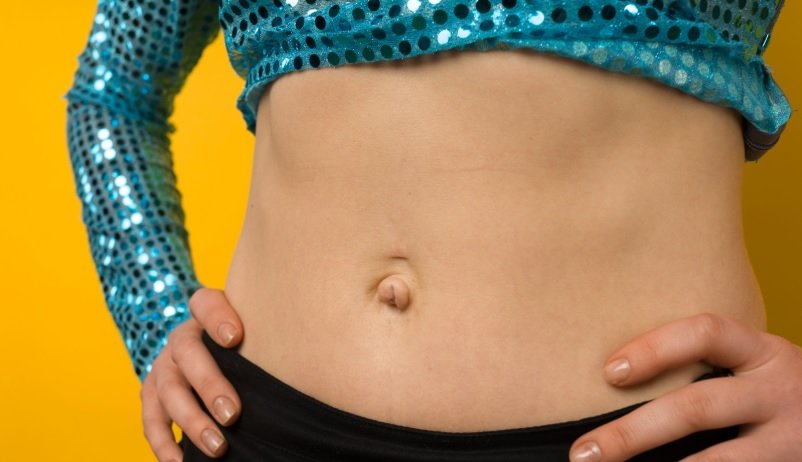
Noticing a soft bulge near your belly button after giving birth? You might be dealing with an umbilical hernia postpartum. It often appears when abdominal muscles weaken during pregnancy and can cause discomfort or pressure. But is it something to worry about?
An umbilical hernia occurs when part of the intestine pushes through the abdominal wall near the navel. Postpartum women are more at risk due to stretched or separated muscles. According to Dr. Sherry Ross, OB-GYN and women’s health expert, mild cases may resolve on their own, but others might need surgery.
Wondering how to tell if it’s serious or how to ease the discomfort? Let’s explore the signs, risks, and treatment options to help you heal safely and confidently after childbirth.
What is a Postpartum Umbilical Hernia?
A postpartum umbilical hernia occurs when a portion of the intestine or tissue protrudes through an opening in the abdominal wall near the belly button. This type of hernia can develop when the abdominal muscles weaken during pregnancy, leading to a noticeable bulge.
Typically, the hernia may not cause severe pain but can lead to discomfort, especially when straining or lifting objects. Surgical repair may be necessary if the hernia worsens or causes complications. Understanding this condition is crucial, as it can significantly impact a woman’s recovery and physical activities following childbirth.
Postpartum umbilical hernias are not uncommon, affecting many women who have undergone changes during pregnancy. The abdominal wall becomes compromised due to the stretching of the tissue and muscles, resulting in a weakness that allows the intestine to push through. The protrusion can sometimes resemble a soft lump or bulge near the belly button area.
In some cases, the hernia may resolve on its own, but if it persists or worsens, consulting a surgeon for potential hernia repair surgery is essential. Awareness of this condition can empower women to seek timely treatment to avoid further complications.
Common Signs of a Postpartum Hernia (Hernia Symptoms)
A postpartum hernia occurs when internal tissue, like part of the intestine, pushes through a weakened area in the abdominal muscles after childbirth — often due to strain from pregnancy or labor. Here’s how to recognize the signs and symptoms:
1. Bulge or Lump
- A visible or palpable bulge in the abdomen, usually near the belly button (umbilical hernia) or at the site of a C-section scar or previous surgery (incisional hernia).
- The bulge may get bigger when coughing, standing, or straining, and may flatten when lying down.
2. Pain or Discomfort
- Sharp or aching pain around the hernia site, especially when lifting, bending, or straining.
- Pain may come and go, or increase with activity.
3. Abdominal Pressure or Heaviness
- A feeling of fullness, pressure, or weakness in the abdominal area.
- May feel worse later in the day or after physical activity.
4. Nausea or Bloating
- If part of the intestine is involved, you may feel bloated, gassy, or slightly nauseous.
5. Constipation or Bowel Changes
- Rarely, a hernia may cause bowel obstruction, leading to constipation or trouble passing gas.
6. Symptoms Worsen With Activity
- Standing for long periods, lifting your baby, or coughing can increase symptoms.
⚠️ Emergency Symptoms – Get Immediate Help If You Notice:
- Severe pain or tenderness at the hernia site
- Redness or discoloration over the bulge
- Fever, vomiting, or signs of bowel obstruction
- Hernia becomes hard or can’t be pushed back in (incarcerated or strangulated hernia)
Who Is at Risk for Postpartum Hernias?
- Women with multiple pregnancies
- Large babies or twins/triplets
- C-section delivery or abdominal surgery
- Pre-existing abdominal muscle weakness or diastasis recti
Why Does Umbilical Hernia Happen after Pregnancy?
During pregnancy, the body undergoes various changes, including the stretching and weakening of abdominal muscles, which can lead to an umbilical hernia. The growing uterus exerts pressure on the abdominal wall, and after delivery, the muscles may not regain their previous strength.
Additionally, factors such as having multiple pregnancies or undergoing a cesarean section (C-section) can increase the risk of developing an umbilical hernia. These changes may create a vulnerable area near the belly button where a hernia can form.
The hormonal fluctuations during pregnancy also contribute to the weakening of the abdominal wall. As the body prepares for childbirth, the connective tissues can become more elastic, facilitating the stretching of the muscles.
This process is necessary for the growth of the baby but can lead to complications like an umbilical hernia postpartum. Furthermore, if a woman experiences significant weight gain or loss during or after pregnancy, the risk of hernia formation increases.
Understanding these causes helps in addressing the issue and implementing preventive measures in the future.
Effective Postpartum Hernia Repair: Tips to Relieve Hernia
A postpartum hernia often develops due to strain during pregnancy or delivery. It typically occurs when internal tissue pushes through a weak spot in the abdominal wall. Most common types include umbilical and incisional hernias. You may notice a bulge near your belly button or surgical site, especially when coughing or sneezing.
Common Symptoms of Postpartum Hernia
- Visible bulge in the abdomen
- Discomfort when lifting, coughing, or bending
- Mild to moderate abdominal pain
- Feeling of heaviness or pressure
These symptoms may worsen with activity and improve with rest.
1. Use a Postpartum Support Binder
Wearing a high-quality abdominal binder or hernia belt helps reduce pressure. It provides support to the abdominal wall, especially when standing, walking, or lifting your baby. Always consult your doctor before using any binder.
2. Avoid Heavy Lifting
Lifting heavy objects can strain the abdominal muscles further. Avoid lifting anything heavier than your baby. Use proper posture and body mechanics when moving around.
3. Strengthen Core Muscles Gradually
Core recovery is essential after delivery. Once your doctor gives you clearance, start with gentle exercises like:
- Pelvic tilts
- Deep belly breathing
- Modified planks
- Leg slides
Avoid crunches or intense abdominal workouts until fully healed.
4. Maintain a Healthy Weight
Extra weight adds pressure on your abdominal wall. Eat a balanced diet rich in fiber, lean proteins, fruits, and vegetables. Drink plenty of water. Slow, steady weight loss supports long-term hernia relief.
5. Manage Constipation
Straining during bowel movements worsens hernias. Prevent constipation by:
- Eating fiber-rich foods
- Staying hydrated
- Taking stool softeners if needed (with doctor approval)
- Walking daily to encourage digestion
6. Monitor for Worsening Symptoms
If the bulge becomes hard, painful, or discolored, seek immediate medical care. These may be signs of a strangulated hernia—a serious condition requiring emergency surgery.
7. Consider Physical Therapy
A pelvic floor therapist can guide you through safe, targeted movements. They’ll help restore core strength and alignment, easing hernia pressure. Customized rehab is often more effective than general exercise.
8. Surgical Repair (When Needed)
In some cases, hernia repair surgery may be the best option. This is especially true if:
- The hernia causes ongoing pain
- It gets larger over time
- It interferes with daily activities
Modern surgical techniques are safe and often done as outpatient procedures. Recovery is faster when combined with rest and physical therapy.
9. Rest and Listen to Your Body
Recovery takes time. Avoid overexerting yourself in the first few months postpartum. Get help from family or friends when needed. Your health is just as important as your baby’s.
When to Call a Doctor:
Seek medical advice if you notice:
- Severe or sharp pain
- Nausea or vomiting
- Sudden swelling or redness
- Bulge that doesn’t go away when lying down
Postpartum hernia can be painful but manageable. With the right care, lifestyle changes, and support, most women find relief. Don’t ignore symptoms or delay treatment. Early action leads to better healing and fewer complications. Prioritize your recovery—you deserve it.
Can Diastasis Recti Cause a Hernia?
Yes, diastasis recti can contribute to the development of a hernia. Diastasis recti is a condition defined by the separation of the abdominal muscles along the midline, often occurring during pregnancy.
This separation weakens the abdominal wall, making it easier for a hernia to form. Women with diastasis recti may notice a protruding belly button or bulge, particularly when engaging in activities that strain the abdominal muscles.
Addressing diastasis recti through targeted exercises can help strengthen the abdominal wall and reduce the risk of hernia development.
When the abdominal muscles separate, the integrity of the abdominal wall is compromised, leading to potential complications such as an umbilical hernia. The weakened area can struggle to support the internal organs, increasing the likelihood of a hernia.
For many women post-pregnancy, recognizing the signs of diastasis recti is crucial, as it offers an opportunity to engage in rehabilitation exercises that can prevent further issues. Consulting a healthcare professional for guidance on managing this condition is vital to ensuring a safe recovery and preventing hernia recurrence.
Alignment Adjustments to Relieve Umbilical Hernia Postpartum symptoms
Making alignment adjustments can significantly alleviate postpartum umbilical hernia symptoms. Proper posture and body mechanics during daily activities can reduce strain on the abdominal wall.
For instance, using supportive devices like a belly band can help distribute pressure away from the hernia site. Additionally, avoiding heavy lifting and strenuous activities during the early postpartum period is crucial to allow the abdominal muscles to heal.
Gentle movements and stretches can also promote muscle recovery and improve alignment, reducing discomfort.
Practicing alignment techniques, such as engaging the core muscles during movements, can provide additional support to the abdominal wall. Techniques like pelvic tilts and diaphragmatic breathing can help strengthen the muscles surrounding the hernia, offering relief from symptoms.
Furthermore, consulting a physical therapist specializing in postpartum care can provide tailored exercises and guidance to improve alignment and strengthen the abdominal area. These adjustments can help manage symptoms and promote overall well-being during recovery.
If you have pelvic organ prolapse (POP), certain exercises can help strengthen your pelvic floor muscles, reduce symptoms, and support recovery without surgery. The key is to focus on low-impact, pelvic floor-safe movements that build core and pelvic strength without adding pressure.
✅ Safe Exercises for Pelvic Organ Prolapse – Find Relief Without Surgery
If you have pelvic organ prolapse (POP), certain exercises can help strengthen your pelvic floor muscles, reduce symptoms, and support recovery without surgery. The key is to focus on low-impact, pelvic floor-safe movements that build core and pelvic strength without adding pressure.
1. Kegel Exercises
- Purpose: Strengthens the pelvic floor muscles that support the bladder, uterus, and rectum.
- How to do it:
- Tighten the muscles you’d use to stop urination.
- Hold for 3–5 seconds, then release.
- Repeat 10–15 times, 2–3 times a day.
- Tip: Don’t squeeze your thighs or butt — isolate the pelvic floor.
2. Deep Diaphragmatic Breathing (Core Breathing)
- Purpose: Coordinates your breath with pelvic floor relaxation and engagement.
- How to do it:
- Inhale deeply through your nose, letting your belly expand.
- As you exhale, gently lift your pelvic floor (a light Kegel).
- This trains the core and pelvic floor to work together.
3. Bridge Pose (With Pelvic Floor Activation)
- How to do it:
- Lie on your back with knees bent, feet flat.
- Engage pelvic floor and lift hips off the floor.
- Hold for a few seconds, then lower.
- Avoid pushing through your belly — the effort should come from glutes and pelvic floor.
4. Heel Slides
- How to do it:
- Lie on your back, knees bent.
- Engage your pelvic floor.
- Slowly slide one heel out along the floor, then return.
- Alternate legs, keeping your core engaged.
5. Modified Squats
- How to do it:
- Stand with feet hip-width apart.
- Gently engage your pelvic floor.
- Lower into a small, shallow squat, keeping your back straight.
- Rise back up slowly.
- Avoid deep squats, jumping, or breath-holding.
6. Side-Lying Leg Lifts
- How to do it:
- Lie on your side, knees bent or straight.
- Lift your top leg slowly, keeping hips stacked.
- Engage your core and pelvic floor throughout.
❌ Avoid These Exercises
To prevent worsening prolapse:
- High-impact movements: jumping, running
- Heavy lifting or straining
- Crunches, sit-ups, planks (unless modified)
- Breath-holding during effort (always exhale with exertion)
🧘♀️ Pelvic Floor Yoga
- Gentle yoga practices like child’s pose, cat-cow, and supported bridge can help relieve pressure and promote healing.
- Choose instructors trained in pelvic floor or postpartum recovery if possible.
🩺 Bonus Tip: See a Pelvic Floor Physical Therapist
A specialist can personalize exercises based on the type and severity of your prolapse. This is one of the most effective non-surgical treatments available.
Commonly Asked Questions about Postpartum Umbilical Hernias After a C-Section (FAQs)
Should I get surgery for postpartum umbilical hernia?
Postpartum umbilical hernias often heal with time, but if severe (pain, bulging), abdominal surgery may be needed. Incisional hernias (from C-sections) require evaluation—consult a surgeon for personalized advice.
Do Inguinal Hernias Only Occur in Men?
No, inguinal hernias can occur in women too, though less common. Unlike a ventral hernia (weakened muscle or tissue), it involves the groin—but hernia doesn’t discriminate by gender alone.
How do you treat an umbilical hernia after pregnancy?
For a small umbilical hernia after pregnancy, most need treatment only if painful or enlarging. Getting a postpartum hernia checked is key— Laparoscopic surgery may be required for severe cases.
What is an umbilical hernia and how does it occur postpartum?
An umbilical hernia happens when a portion of the fatty or intestine tissue protrudes through a weak area in the abdominal wall near the umbilical cord. Postpartum, factors such as increased abdominal pressure during pregnancy can lead to the development of an umbilical hernia.
What are the common symptoms of an umbilical hernia in pregnancy?
Common postpartum hernia symptoms include a noticeable bulge near the belly button, discomfort or pain in the area, especially when coughing or lifting, and in some cases, nausea. Women with an umbilical hernia may feel tenderness at the site.
How is an umbilical hernia diagnosed?
Diagnosis typically involves a physical examination by a healthcare provider, who will assess the bulge and may order imaging studies like an ultrasound if necessary to confirm the diagnosis and rule out other conditions.
What are the treatment options for an umbilical hernia postpartum?
Treatment options may include watchful waiting if the hernia is small and not causing symptoms, or surgical treatment to repair the hernia, which may involve the use of mesh to reinforce the abdominal wall and reduce the risk of recurrence.
What is the risk of a hernia recurring after surgery?
The risk of a hernia coming back after umbilical hernia repair varies, but using a surgical mesh can significantly reduce the chance of recurrence compared to traditional suture techniques, especially in cases of larger or complicated hernias.
Can an umbilical hernia strangulate?
Yes, an umbilical hernia can strangulate, which means that the blood supply to the trapped tissue is compromised. This is a serious condition that requires immediate medical attention to prevent complications.
Is it safe to undergo hernia surgery while postpartum?
Generally, hernia surgery is safe postpartum, but the timing depends on individual recovery and any complications from pregnancy or childbirth. It is crucial to consult with a healthcare provider to determine the appropriate timing for surgical treatment.
Are there ways to prevent getting an umbilical hernia postpartum?
While not all cases can be prevented, maintaining a healthy weight, avoiding heavy lifting, and strengthening abdominal muscles can lower the risk of developing an umbilical hernia during and after pregnancy.
What should I do if I suspect I have an umbilical hernia?
If you suspect you have an umbilical hernia, it is important to consult a healthcare provider for an evaluation. They can assess the hernia and discuss potential treatment options to ensure your health and well-being.
Conclusion
In conclusion, addressing a postpartum umbilical hernia is critical for women’s health and recovery after childbirth. From understanding the causes and symptoms to exploring effective treatment options, being informed empowers women to take control of their health. Whether through surgical intervention or natural healing methods, timely action can prevent complications and enhance overall well-being. By incorporating safe exercises and making necessary lifestyle adjustments, women can effectively manage hernia symptoms and promote a smoother recovery. Consulting healthcare professionals remains essential to ensure appropriate care and support throughout the healing process.
Recommended posts
- 5-5-5 Rule Postpartum Recovery: (A Must for Every New Mom)
- Postpartum Dizziness: Causes, Symptoms & When to Seek Help?
- After Giving Birth When Can I Take a Bath? (How To Do It Safely?)
- What to Eat After C-Section for Fast Recovery (Diet Chart)
- When to Start Return to Running Postpartum Safely?
- TENS Unit for Labor Pain: How It Works and Why Moms Love It