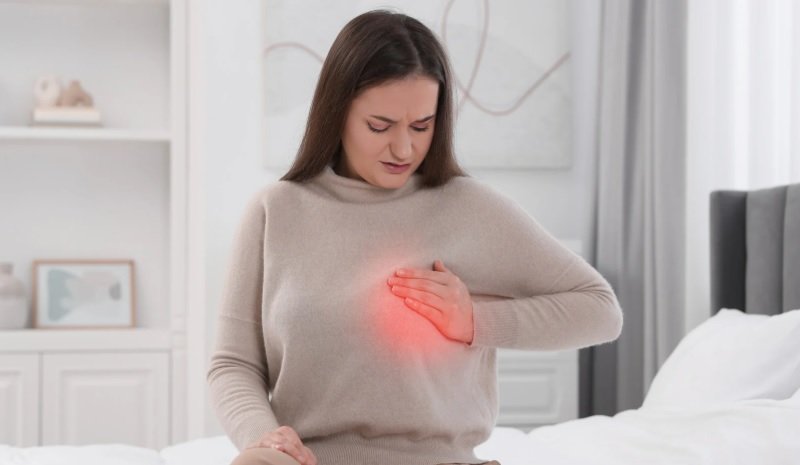
How long do your breasts stay sore after ovulation? Do you notice tenderness that lingers for days, making you wonder if it’s normal or a sign of something more? Breast soreness is a common concern in the second half of the cycle—but what’s causing it, and when should it end?
This discomfort is driven by rising progesterone levels in the luteal phase. According to Dr. Jen Gunter, OB-GYN and author of The Vagina Bible, it’s a typical premenstrual symptom and often resolves once hormone levels drop during menstruation.
Breast soreness can stick around for a few days to up to two weeks, depending on your hormone levels. If you don’t get pregnant, it typically eases right before or when your period starts.
Still feeling unsure about what’s normal and what’s not? In this article, we break down the causes, timeline, and relief strategies for post-ovulation breast pain mastalgia. Let’s help you track your cycle with confidence and comfort.
Do Breasts Hurt While Ovulation?
Many women experience breast pain due to ovulation, especially around ovulation. This discomfort can manifest as sore nipples, which can also be a sign of ovulation.
The hormonal fluctuations that occur during this phase—particularly the surge in luteinizing hormone and the increase in progesterone—may cause sore nipples and other ovulation symptoms. It’s essential to distinguish between breast pain due to ovulation and other causes, such as pregnancy or hormonal imbalances.
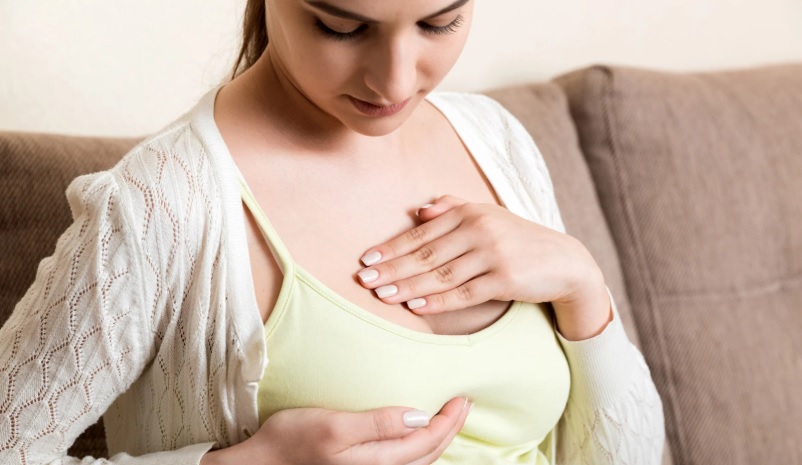
For some women, nipple or breast pain is a common type of breast pain that can occur right after ovulation and may last until their period starts.
Understanding the causes of breast pain is crucial, as it can help women assess whether they are experiencing normal cyclical breast pain due to hormonal changes or if there may be a more significant issue at hand. Utilizing an ovulation test can also help track ovulation signs and better understand the effects of ovulation on your body.
How Long Do Your Breasts Stay Sore After Ovulation?
Sore breasts before period how many days? Breast tenderness or soreness after ovulation is a common experience for many women. Generally, sore breasts can last from a few days to a couple of weeks, depending on individual hormonal fluctuations.
This breast pain is primarily due to elevated progesterone levels that occur after ovulation, leading to cyclical mastalgia. For some, the soreness may diminish as their menstrual cycle progresses, while others may continue to experience tender breasts until their period begins.
During the luteal phase of the menstrual cycle, which occurs after ovulation, the body prepares for a potential pregnancy. If fertilization does not occur, hormone levels drop, which may relieve breast pain.
However, if pregnancy is achieved, breast tenderness can persist or even increase. Therefore, the duration of breast soreness is closely related to hormonal changes during this phase and varies from woman to woman.
What Kind of Breast Pain Indicates Pregnancy?
Breast pain can be a common symptom of pregnancy, often manifesting as sore nipples or tender breasts. This breast soreness is frequently attributed to rising hormone levels, particularly progesterone, which prepares breast tissue for potential lactation.
Many women report that this pain differs from cyclical breast pain experienced during their menstrual cycle, often described as a more acute or persistent discomfort.
In addition to sore breasts, other early signs of pregnancy may include sensitivity around the nipples, swelling, or noticeable changes in breast size.
These symptoms usually emerge within a few weeks of conception, making breast tenderness a significant early pregnancy symptom. If a woman suspects pregnancy, taking a pregnancy test can confirm her condition, especially if coupled with other pregnancy symptoms.
Why Are My Breasts So Sore 2 Weeks After My Period?
Experiencing breast soreness two weeks after a period can be perplexing for many women. This breast pain may be related to hormonal changes that occur during the luteal phase of the menstrual cycle.
After ovulation, progesterone levels rise, which can lead to swelling and tenderness in breast tissue. This condition is commonly referred to as cyclical breast pain, occurring in a predictable pattern aligned with the menstrual cycle.
Another potential cause for breast tenderness at this time could be related to factors such as stress, dietary changes, or hormonal imbalances.
In some cases, breast pain may also be a symptom of conditions like fibrocystic breast disease, which can cause swollen breasts and discomfort. If breast soreness persists or is accompanied by other concerning symptoms, consulting a healthcare provider is recommended for further evaluation and management of breast pain.
How Long After Conceiving Do You Get Breast Pain?
Breast pain can occur as an early sign of pregnancy, typically manifesting within one to two weeks after conception. This breast soreness arises from significant hormonal changes, particularly increased progesterone levels, which prepare the body for pregnancy.
Many women report that the discomfort is often more intense than the usual cyclical breast pain they experience during their menstrual cycles.
As the body adapts to pregnancy, the breasts may become more sensitive, and women may notice additional symptoms such as swollen breasts or sore nipples. This breast pain can vary in intensity from woman to woman and may last throughout the first trimester as hormone levels remain elevated.
If breast pain is experienced alongside other early pregnancy symptoms, such as nausea or fatigue, it may further confirm the possibility of pregnancy, prompting many to take a pregnancy test for clarity.
FAQs about How Many Days After Ovulation Do Your Breasts Hurt
How long do breast soreness symptoms typically last after ovulation?
Breast soreness can last from a few days to about two weeks after ovulation, depending on individual hormonal fluctuations and the menstrual cycle.
Is breast tenderness a sign of pregnancy or just related to ovulation?
Breast tenderness can be a symptom of both pregnancy and ovulation; however, if soreness persists beyond the expected menstrual period, it may indicate an early sign of pregnancy.
What causes breast pain during ovulation?
Breast pain during ovulation is often due to hormonal changes, particularly increased levels of progesterone, which can lead to breast tenderness and sensitivity.
Can sore nipples be a sign of ovulation?
Yes, sore nipples can be a symptom of ovulation due to hormonal fluctuations that occur around the time of ovulation.
What are some common signs of pregnancy related to breast soreness?
Common signs of pregnancy related to breast soreness include increased breast tenderness, sensitive nipples, and swelling, often occurring after a missed period.
How do hormone changes affect breast pain during the menstrual cycle?
Hormone changes, particularly fluctuations in progesterone and estrogen levels, can lead to cyclical breast pain, commonly experienced throughout the menstrual cycle and especially during ovulation.
What should I do to relieve the pain from sore breasts?
To relieve breast pain, consider wearing a supportive bra, applying warm or cold compresses, and over-the-counter pain relievers. If the pain persists, consult a healthcare professional.
Are sensitive nipples a common symptom of ovulation?
Yes, sensitive nipples are a common symptom of ovulation and can occur due to hormonal changes, making them more tender during this phase of the menstrual cycle.
What are the causes for nipple pain during the menstrual cycle?
Causes for nipple pain during the menstrual cycle can include hormonal fluctuations, breast tissue swelling, and other cyclical effects of ovulation.
How can I tell if my breast discomfort is due to ovulation or something else?
If breast discomfort coincides with the ovulation phase of your cycle and resolves soon after, it is likely related to ovulation. If discomfort persists or is severe, consider consulting a healthcare provider.
Why are my breasts still sore after ovulation?
Breast soreness after ovulation occurs because progesterone rises once the ovary releases an egg, causing swelling and tenderness. If pregnancy doesn’t occur, pain fades with your period.
Conclusion
So, how long do your breast stay sore after ovulation? In conclusion, breast soreness can be a common experience linked to various phases of the menstrual cycle, ovulation, and early pregnancy. Understanding how long your breasts stay sore after ovulation and recognizing the signs related to pregnancy can help in managing expectations and addressing concerns. If breast pain persists or worsens, seeking guidance from a healthcare professional can provide clarity and relief. Ultimately, being aware of your basal body temperature to hormonal changes will empower you to navigate these experiences more comfortably.
You might also like
- 7 Hidden Luteal Phase Symptoms Every Woman Should Know
- Is Breast Soreness During Ovulation a Sign of pregnancy?
- 5 DPO Symptoms After Ovulation If Pregnant Shouldn’t Ignore!