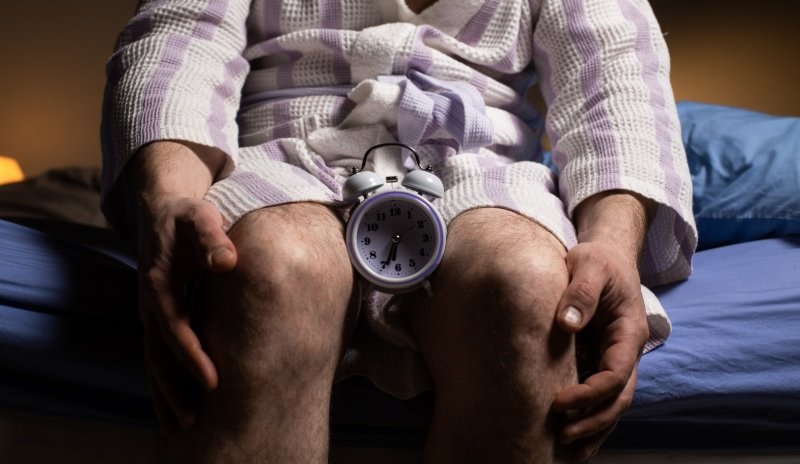
Do men have hormonal cycles too? It’s a fascinating question that challenges what we usually think about hormones and biology. While we know women have monthly cycles, people often ask, can men ovulate or go through something similar? Let’s break down the facts and clear up the confusion.
No, men don’t ovulate since they don’t produce eggs, but they do experience daily hormonal fluctuations. Testosterone, the primary male hormone, rises in the morning and dips at night. According to endocrinologists, these patterns affect energy, mood, and even libido throughout the day.
But is that the whole story? New research suggests that male hormones may also shift over longer cycles—weekly or even seasonally. Ready to uncover the science behind male hormonal rhythms? Let’s dive into what really happens inside the male body.
Do Men Have Hormonal Cycles Like Women?
Research suggests that men do experience hormonal cycles, albeit in a different manner than women. While women undergo a monthly menstrual cycle characterized by significant hormonal changes, men exhibit more subtle fluctuations in testosterone levels. These changes can occur daily or throughout the month, influencing mood, energy levels, and even libido.
Studies indicate that testosterone levels peak in the morning and gradually decline throughout the day, highlighting a daily cycle that can impact male behavior and sexual health. Furthermore, factors such as stress and lifestyle choices can also contribute to these variations, emphasizing the importance of maintaining a healthy lifestyle for optimal hormonal balance.
Men’s hormonal cycles can be influenced by various external and internal factors, including diet, exercise, and even environmental conditions. Unlike the more pronounced monthly cycle seen in women, male hormonal changes may not be as easily observable.
However, understanding that these fluctuations exist is crucial for recognizing how they can affect male fertility and overall health. Moreover, research continues to explore how these cycles relate to reproductive capabilities, shedding light on the nuanced ways that male biology operates and the importance of hormones in sexual function and fertility.
Why are There Male Fertility Cycles?
Male fertility cycles are primarily influenced by the production and regulation of hormones, particularly testosterone. This hormone plays a critical role in sperm production and sexual function. Unlike the cyclical process of ovulation in women, men continuously produce sperm throughout their lives, but the quantity and quality can vary.
Factors such as age, lifestyle, and health conditions can impact these variations, leading to fluctuations in male fertility. Understanding the reasons behind these cycles is essential for addressing fertility issues and enhancing reproductive health.

The male fertility cycle may also relate to evolutionary factors, with fluctuations in testosterone levels potentially linked to reproductive success. For instance, higher testosterone levels can enhance libido and sexual performance, increasing the chances of successful fertilization during peak fertility periods.
Additionally, external factors such as seasonal changes and environmental stressors may further influence male fertility cycles, suggesting that men are also subject to biological rhythms that affect their reproductive capabilities. This understanding highlights the complexity of male reproductive health and the factors influencing sperm production and fertility.
Male Versus Female Fertility Cycles
Fertility plays a crucial role in reproduction. Both male and female bodies are designed differently. Their reproductive cycles follow distinct biological patterns. Understanding these differences helps in better planning and awareness.
Female Fertility Cycle: Monthly Hormonal Changes
The female fertility cycle is hormonal and monthly. It averages 28 days but can range from 21 to 35. Ovulation typically occurs around day 14.
During this time, the body releases an egg. If it meets sperm, pregnancy may occur. If not, the cycle ends in menstruation.
Estrogen and progesterone drive this process. Hormones peak and dip throughout the cycle. These changes affect mood, energy, and fertility windows.
The fertile window spans about six days. It includes five days before ovulation and the day of ovulation. Tracking cycles can improve chances of conception.
Male Fertility: A Constant Production
Unlike women, men don’t have a cycle. Male fertility is continuous. Sperm is produced daily in the testes through spermatogenesis.
It takes about 64 to 74 days to develop mature sperm. However, men can release sperm at any time after puberty. Their fertility remains relatively stable until about age 40 to 50.
Testosterone regulates sperm production. Healthy levels support strong libido and sperm quality.
Hormonal Differences in Reproductive Cycles
Women have cyclical hormone patterns. Men’s hormone levels remain more stable. Estrogen and progesterone shift through the month in women. In men, testosterone stays steady with small daily fluctuations.
This difference affects fertility timing and behavior. Women may feel more fertile or energetic mid-cycle. Men maintain a more even reproductive readiness.
Age and Fertility: How It Changes Over Time
Age affects fertility in both sexes. However, the impact is more dramatic in women. Female fertility declines significantly after age 35. Egg quality and quantity drop sharply.
In men, sperm quality may decline with age too. But the drop is more gradual. Older men can still father children, though risks slightly increase.
Maintaining health can slow age-related fertility decline. Lifestyle choices matter for both genders.
Factors That Influence Fertility
Several factors influence fertility in men and women:
- Underlying medical conditionshumans.
- Diet and nutrition
- Body weight
- Stress and mental health
- Smoking and alcohol use
- Environmental toxins
When is a Man Most Fertile?
A man is typically most fertile when his testosterone levels are at their peak, which often occurs in the morning. During this time, sperm production is maximized, and male libido may also be heightened. Factors such as frequency of ejaculation can influence sperm quality, with studies suggesting that regular sexual intercourse can enhance sperm health.
Additionally, lifestyle choices such as maintaining a healthy diet and exercise routine can positively impact male fertility, providing a conducive environment for optimal sperm production.
It’s important to note that while men may not have a distinct ovulation cycle like women, they do experience periods of heightened fertility. These periods can be influenced by various factors, including stress, sleep patterns, and overall health.
Men should be aware of their bodies and recognize that maintaining a healthy lifestyle can significantly affect their reproductive capabilities. Understanding these cycles can help men make informed decisions regarding family planning and reproductive health, ultimately aiding in their efforts to conceive or support their partner’s reproductive journey.
Commonly Asked Questions about Male Hormones & Skin Health (FAQs)
What Is the Best Age for Female to Get Pregnant and Why?
The best age for pregnancy is 20–35, when egg quality peaks and the ovary reliably releases eggs to reach the fallopian tube. Fertility declines after 35 due to aging eggs.
Do men ovulate too like females?
No, men do not ovulate. While men produce sperm continuously, women ovulate monthly, releasing eggs from ovaries. Male fertility relies on sperm production, not cyclical ovulation.
What are the signs of men’s menopause?
Signs of male menopause (andropause) include low energy, reduced libido, mood swings, and muscle loss due to declining testosterone. Symptoms are gradual—consult a doctor for diagnosis and treatment.
Do men have hormonal cycles similar to ovulation in women?
Do men have a monthly hormonal cycle? While men do not experience ovulation, they do have hormonal fluctuations, primarily with testosterone levels, which can change throughout the 24 hours and over longer periods. Understanding these changes can provide insights into male behavior and health.
How do hormonal changes in men relate to their overall health?
Hormonal changes can greatly affect a man’s physical and mental health. For instance, fluctuations in testosterone can influence mood, energy levels, and even libido. Understanding these changes is crucial for maintaining good health.
Is it true that men can experience hormonal changes during puberty?
Yes, during puberty, men experience significant hormonal changes as their bodies begin to produce more testosterone. This change is crucial for the development of secondary sexual characteristics and overall growth.
Can genetic factors influence a man’s hormonal cycles?
Yes, genetic factors can play a role in how a man’s body regulates hormones. Individual genetic makeup can affect testosterone levels and how they fluctuate over time.
What is the relationship between testosterone levels and a man’s ability to ejaculate?
Testosterone is essential for male sexual function, including the ability to ejaculate. Lower levels of testosterone can lead to issues with libido and sexual performance.
How often do testosterone levels change in men?
Testosterone levels in men can fluctuate daily, typically peaking in the morning and declining throughout the day. Additionally, long-term changes can occur due to age, stress, and health conditions.
Are there specific tests to monitor hormonal changes in men?
Yes, men can undergo blood tests to measure testosterone levels and assess hormonal balance. These tests can help diagnose hormonal disorders and guide treatment options.
Can lifestyle factors affect hormonal changes in men?
Absolutely. Factors such as diet, exercise, stress levels, and sleep can significantly impact testosterone production and overall hormonal health in men.
How do hormonal changes in men relate to fertility?
Hormonal balance is crucial for male fertility. Testosterone plays a key role in sperm production, and fluctuations can affect the quantity and quality of sperm, influencing the ability to fertilize an egg.
Conclusion
Does men ovulate like women? In conclusion, while men do not have hormonal cycles that mirror the female menstrual cycle, they do experience fluctuations in testosterone levels that can impact their fertility and overall health. Understanding these variations is crucial for men looking to optimize their reproductive health. By acknowledging the existence of male fertility cycles, we can foster a more comprehensive understanding of human reproductive biology. As research continues to evolve, it is essential for men to be aware of how hormonal changes can affect their well-being and fertility, ultimately encouraging healthier lifestyle choices and informed family planning decisions.
Ultimately, recognizing that men also have hormonal cycles provides valuable insights into male reproductive health. This understanding encourages men to take proactive steps in maintaining their health and fertility. As we continue to explore the intricacies of male hormonal cycles, we can work towards a more holistic approach to reproductive health that considers both male and female perspectives. By fostering this awareness, we can promote better reproductive outcomes and empower individuals on their journey toward conception and family building.
Recommended posts
- Best Male Fertility Supplements to Boost Sperm Health
- How At Home Fertility Screening Test Work & What to Expect
- Can I Purchase Infertility Insurance: 5 Ways to Get Covered