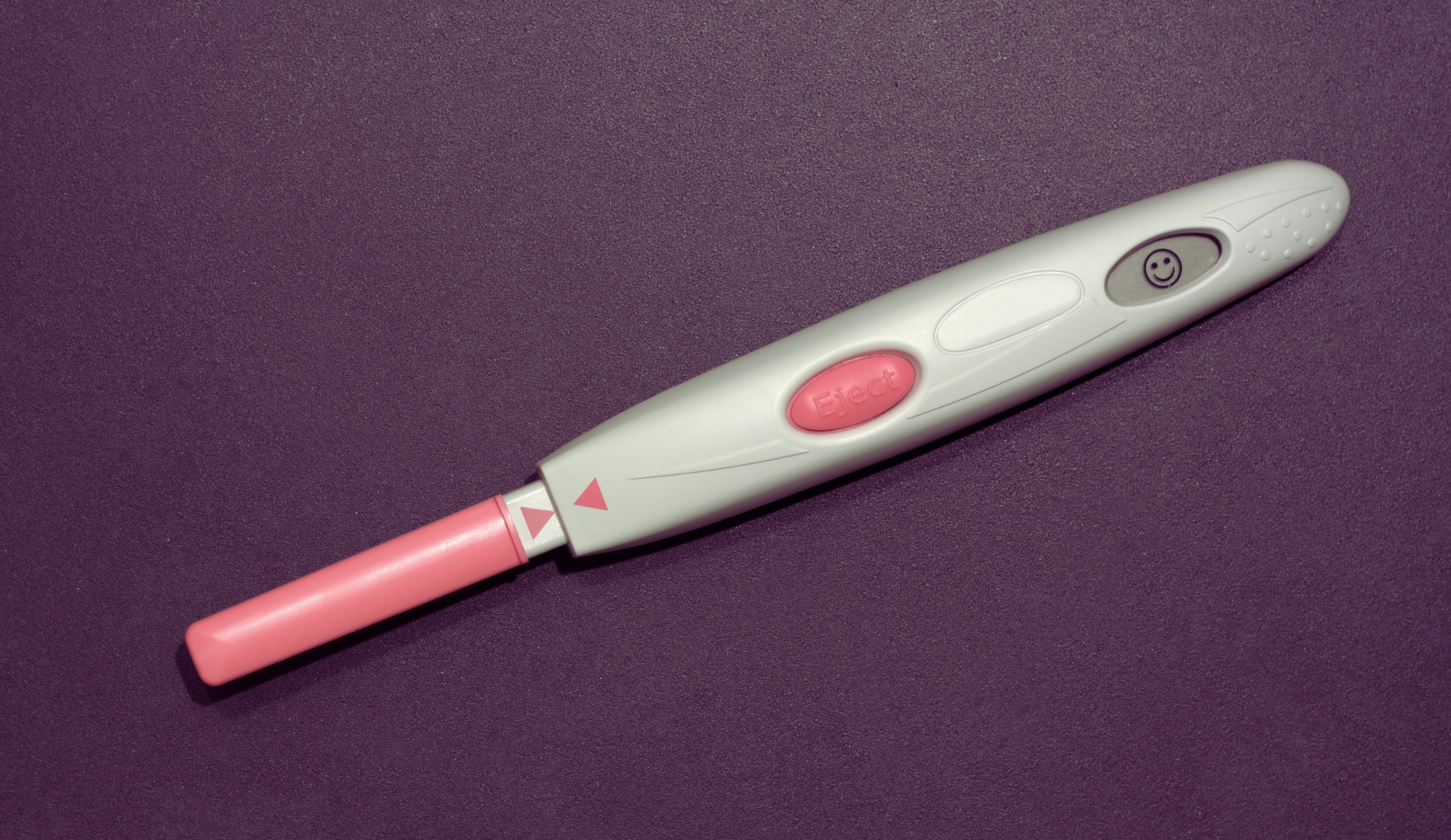
Will ovulation test be positive if pregnant? That’s a question many women ask when they see unexpected results on a test strip. Could a positive ovulation test actually signal early pregnancy instead of ovulation? Let’s break down what’s really happening with your hormones.
A positive ovulation test while pregnant can happen, but it’s not a reliable pregnancy indicator. Ovulation tests detect the luteinizing hormone (LH), which can be similar in structure to the pregnancy hormone hCG. According to Dr. Serena Chen, a reproductive endocrinologist, some pregnancy-related hormone surges may trigger a false positive on ovulation kits.
But don’t rely on ovulation tests to confirm pregnancy. Want to know why this hormonal overlap happens and how you can avoid confusion? Keep reading as we dive into expert insights and accurate ways to detect pregnancy with confidence.
Will Ovulation Test Be Positive If Pregnant?
An ovulation test is primarily designed to detect the surge of luteinizing hormone (LH) in your urine, signaling that ovulation is imminent. However, it is possible for an ovulation test to yield a positive result if you are pregnant.
This is due to the fact that the hormone human chorionic gonadotropin (hCG) can sometimes mimic LH in its structure, especially in early pregnancy.

If you receive a positive ovulation test when you suspect you might be pregnant, it could be an indication of hCG presence in your body rather than an actual LH surge. Thus, while a positive ovulation test can occur during pregnancy, it is not a reliable method to confirm if you’re pregnant.
Moreover, relying solely on an ovulation test to confirm pregnancy can lead to confusion. Since the ovulation test is not designed to detect pregnancy, it can produce false positives, particularly in the early stages of pregnancy.
Therefore, if you suspect pregnancy, it is recommended to take a pregnancy test that is specifically designed to detect hCG levels in your urine. This way, you can obtain a more accurate and reliable result regarding your pregnancy status.
Can I Use Ovulation Tests to Test for Pregnancy?
While some women may consider using an ovulation test to test for pregnancy, it is not the ideal approach. Ovulation tests and pregnancy tests are specifically designed to detect the LH surge, which occurs before ovulation, rather than the pregnancy hormone hCG.
Hence, using an ovulation test to determine if you’re pregnant may lead to confusion and misinterpretation of results. If you’re trying to get pregnant and suspect you might be, it’s more effective to take a home pregnancy test that is designed to detect hCG levels.
However, if you do choose to use an ovulation test stick to test for pregnancy, there are a few things to keep in mind. A positive result could potentially indicate pregnancy if taken after a missed period.
Still, it’s essential to understand that such a result might not be definitive. For accuracy, waiting a few days after the missed period to take a pregnancy test is advisable, as this will allow hCG levels to rise sufficiently for detection.
Pros of Using an Ovulation Test Kit:
Using an ovulation test kit (OTK) offers several advantages for women who are trying to conceive or tracking their fertility. Here are several advantages of using an ovulation test kit:
✅ 1. Accurate Prediction of Ovulation
Ovulation test kits detect the luteinizing hormone (LH) surge, which typically occurs 24–36 hours before ovulation. This helps identify your most fertile days with high accuracy.
✅ 2. Convenient and Easy to Use
Most kits are simple urine tests that can be used at home. No need for doctor visits, blood draws, or complicated procedures.
✅ 3. Helps in Planning Pregnancy
By pinpointing your fertile window, these kits increase the chances of conception by helping you time intercourse more effectively.
✅ 4. Useful with Irregular Cycles
For women with irregular menstrual cycles, ovulation kits can be especially helpful in identifying ovulation when calendar tracking is unreliable.
✅ 5. Non-Invasive
Unlike blood tests or ultrasounds, ovulation kits are completely non-invasive, making them a stress-free option.
✅ 6. Affordable
Ovulation kits are generally inexpensive and widely available at pharmacies or online.
✅ 7. Immediate Results
Most tests offer results within a few minutes, allowing for quick decision-making in the fertility window.
✅ 8. Can Be Used with Fertility Apps
Many modern kits sync with fertility tracking apps or come with digital readers, providing more detailed insights and predictions.
✅ 9. Supports Fertility Treatments
For couples undergoing fertility treatment, these kits can help monitor ovulation and time medication or procedures.
When to Take an Ovulation Test?
Timing is crucial when it comes to taking an ovulation test. To maximize its effectiveness, you should begin testing a few days before you expect ovulation to occur. This is typically around the midpoint of your menstrual cycle.
Most ovulation kits provide guidelines on when to start testing, often based on your cycle length. Monitoring your cycle and recognizing the ovulation signs can help you determine the best time to take an ovulation test.
Moreover, using the test at the same time each day can provide more consistent results. It is advisable to avoid testing first thing in the morning, as LH surges are more concentrated in the afternoon or evening.
By adhering to these testing guidelines, you’ll be better equipped to detect the LH surge accurately, which will help you identify your most fertile days and increase your chances of conception.
Can an Ovulation Test Detect Early Pregnancy?
Can ovulation test detect early pregnancy? An ovulation test is not designed to detect early pregnancy, but some women wonder if it can be used for this purpose. The primary function of an ovulation test is to measure LH levels, which rise before ovulation. However, in some cases, if you are pregnant, the presence of hCG in your urine can lead to a positive ovulation test result.
This phenomenon may cause some confusion, as a positive ovulation test might suggest that you are experiencing an LH surge when, in fact, you could be pregnant.
Nevertheless, relying on an ovulation test to detect early pregnancy is not recommended. The best method for confirming pregnancy is to take a home pregnancy test, which is specifically designed to detect hCG levels.
If you suspect that you are pregnant, waiting until after your missed period and using a pregnancy test will provide you with a more reliable and accurate result.
What’s the Difference Between an Ovulation Test and a Pregnancy Test?
The main difference between an ovulation test and a pregnancy test lies in what they detect and what they’re used for:
1. Purpose:
- Ovulation Test:
- Used to predict ovulation, helping identify the most fertile days in a woman’s cycle. It’s often used by those trying to conceive.
- Pregnancy Test:
- Used to detect pregnancy after conception has occurred.
2. What They Detect:
- Ovulation Test:
- Detects a surge in luteinizing hormone (LH) in urine, which happens 24–36 hours before ovulation.
- Pregnancy Test:
- Detects the hormone human chorionic gonadotropin (hCG) in urine or blood, which is produced after a fertilized egg implants in the uterus.
3. When They’re Used:
- Ovulation Test:
- Used mid-cycle, often around day 10 to 14 of a 28-day cycle, depending on the individual’s regular cycle length.
- Pregnancy Test:
- Used after a missed period, typically about 10–14 days after ovulation or intercourse.
4. Test Appearance:
- Both tests often look similar (strips or digital devices) and involve urine samples, but they detect different hormones.
Summary:
| Feature | Ovulation Test | Pregnancy Test |
|---|---|---|
| Detects | LH (Luteinizing Hormone) | hCG (Human Chorionic Gonadotropin) |
| Purpose | Predict fertile window | Confirm pregnancy |
| Timing | Mid-cycle (before ovulation) | After missed period |
| Common Users | Trying to conceive | Suspecting pregnancy |
Commonly Asked Questions about LH Surges and Pregnancy (FAQs)
Why are ovulation tests sometimes positive during pregnancy?
Ovulation tests detect LH, but they can also react to high hCG levels in early pregnancy, causing a false positive result even though ovulation isn’t occurring.
How does a positive pregnancy test differ from a positive ovulation test?
A pregnancy test detects hCG, confirming pregnancy, while an ovulation test detects LH, indicating upcoming ovulation. They measure different hormones and have distinct purposes.
Can Ovulation Tests Detect the Pregnancy Hormone, HCG?
Can a ovulation kit detect pregnancy? Yes, some ovulation tests can mistakenly detect hCG due to its similarity to LH, potentially giving a false positive result during early pregnancy.
How to Read Ovulation Test Results?
A test line as dark or darker than the control line means a positive result, indicating an LH surge and likely ovulation within 24–36 hours.
Is an ovulation test positive if you’re pregnant?
Can ovulation kit predict pregnancy? Sometimes, yes. High hCG levels in early pregnancy can trigger a false positive on ovulation tests due to hormone similarity with LH.
How can an ovulation test detect pregnancy?
Ovulation tests may detect pregnancy when hCG levels are high enough to cross-react with LH test strips, though they aren’t designed for pregnancy detection.
LH Levels & Surges: What Does a ‘Normal’ LH Level Look Like?
Normal LH levels range from 1.9–14.6 IU/L, surging to 25–40 IU/L just before ovulation. Surges indicate fertile windows and ovulatory function.
What Does a Faint Line on an Ovulation Test Mean?
A faint line means a negative result, as the LH level isn’t high enough. For a positive, the ovulation test strips line must match or exceed the control line.
Is it the same as fertility testing?
No. Ovulation tests track LH for timing ovulation, while fertility testing involves broader hormone assessments and physical evaluations to diagnose reproductive health.
Should you use an ovulation test as a pregnancy test?
No. Ovulation tests are not reliable for pregnancy detection and can give misleading results. Use a dedicated pregnancy test for accurate hCG measurement.
How do ovulation tests work?
How can an ovulation predictor kit detect pregnancy? Ovulation tests detect luteinizing hormone (LH) in urine. A surge in LH indicates ovulation is likely to occur within the next 24 to 36 hours.
How Ovulation Predictor Kits Can Help With Pregnancy
Ovulation predictor kits identify LH surges, helping you time intercourse during the fertile window, increasing the chances of conception naturally and efficiently.
How many weeks of pregnancy can a test strip detect?
Pregnancy test strips can typically detect hCG as early as 1–2 weeks after conception, or around the time of a missed period.
Can you tell signs of pregnancy on an ovulation test?
Ovulation tests detect LH, not hCG, so they can’t confirm pregnancy symptoms. A positive pregnancy test and missed period are reliable signs—ovulation tests aren’t designed for pregnancy detection.
Conclusion
Would an ovulation test be positive if pregnant? In conclusion, while an ovulation test can yield a positive result if you are pregnant, it is not a reliable method for confirming pregnancy. Ovulation tests are designed to detect LH levels, not the pregnancy hormone hCG, which can lead to confusion and false positives. If you suspect you are pregnant, it is always best to take a home pregnancy test specifically designed to detect hCG levels. By understanding the differences between an ovulation test and a pregnancy test, you can make informed choices during your journey to get a positive result and ensure that you have the information needed to confirm pregnancy accurately.
You might also like
- How Long Will an Ovulation Test Stay Positive? (Explained)
- Fatigue During Ovulation? Causes, Symptoms & How to Cope
- How Soon Can You Become Pregnant After a Miscarriage?
- Pregnancy Test at 7 Dpo: Accuracy, Symptoms & What to Expect?