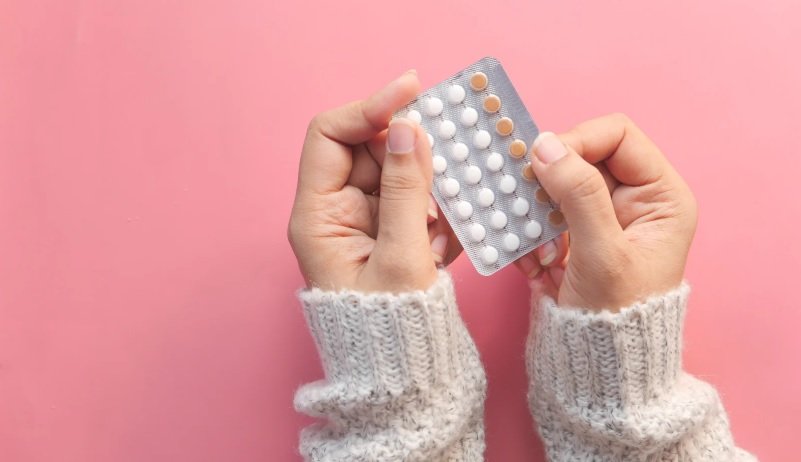
Do you still ovulate on birth control pills? It’s a question many women ask when choosing the right contraceptive. How can a tiny pill change such a natural process in your body? If you’ve ever wondered what’s really happening inside your cycle while on the pill, you’re not alone.
Can you ovulate on birth control? Most birth control pills stop ovulation. Combination pills use hormones like estrogen and progestin to prevent the ovaries from releasing an egg. Dr. Mary Jane Minkin, a clinical professor at Yale School of Medicine, confirms that this is the primary mechanism of action.
But there’s more to birth control than just stopping ovulation. What happens to your cycle, and are there exceptions to the rule? Stick around as we unpack expert-backed facts and explain how these pills really work inside your body.
Do You Still Ovulate on Birth Control Pills?
Do you still ovulate when on birth control? Generally, hormonal birth control pill patch are designed to stop ovulation. Most combination birth control pills contain estrogen and progestin, which work together to prevent the ovaries from releasing an egg. When you take the pill consistently, the hormones in the medication maintain a steady level in your body, effectively preventing ovulation.

However, there are instances where some women may still ovulate while on the pill. This is more likely to occur with progestin-only pills, also known as the mini pill, which can allow for some ovulatory activity under certain conditions. Understanding the specific type of birth control pill you are using is crucial, as it directly impacts whether or not you are likely to ovulate.
Additionally, factors such as the timing of pill consumption, missed doses, or individual hormonal responses can influence ovulation. In rare cases, if the hormonal levels fluctuate significantly, it may lead to the release of an egg despite being on a hormonal birth control method.
While the odds are low with consistent use of most combined birth control pills, it is important to recognize that no contraceptive method is 100% effective in preventing ovulation or pregnancy. Therefore, discussing with a healthcare provider about the best birth control method for your needs and understanding its function can provide clarity and peace of mind.
Why You Still Have Ovulation Symptoms While on Birth Control Pills?
Even when taking hormonal birth control, some individuals may experience ovulation symptoms, which can be perplexing. These symptoms can include changes in cervical mucus, mild cramping, or breast tenderness, which are typically associated with the ovulatory phase of the menstrual cycle.
This phenomenon can occur for several reasons. For instance, hormonal fluctuations during the menstrual cycle can still happen even when on birth control, leading to sensations often linked with ovulation. Additionally, the body might respond differently to hormonal levels, which can manifest as symptoms that mimic ovulation.
Furthermore, some women may experience a phenomenon known as “breakthrough ovulation,” where the hormonal control of the birth control pill is not strong enough to fully suppress the ovarian function. This can lead to symptoms that are confusing, as they may feel similar to what one would experience during a natural ovulatory cycle.
It is important to remember that while these symptoms may occur, the likelihood of actually ovulating and being fertile is significantly reduced when using hormonal birth control. Keeping track of these symptoms can help you better understand your body’s responses and inform discussions with your healthcare provider regarding your contraceptive method.
Top things you should know about ovulation on hormonal birth control:
When considering how hormonal birth control impacts ovulation, there are several important points to keep in mind.
- Firstly, combination birth control pills are highly effective at preventing ovulation, as pills work by maintaining consistent hormone levels that inhibit the release of an egg.
- Secondly, the progestin-only pill may allow for some ovulatory activity, so understanding the differences between these types of birth control is essential for effective contraception.
- Thirdly, the timing and consistency of taking your birth control pills will significantly influence their effectiveness in preventing ovulation. Missing doses or taking the pill at irregular intervals can increase the risk of ovulation and potential pregnancy.
- Additionally, it is crucial to note that hormonal birth control can alter the menstrual cycle’s typical patterns, affecting the lining of the uterus and cervical mucus. This modification not only helps prevent ovulation but also creates a less favorable environment for sperm to fertilize an egg, should ovulation occur.
- Lastly, understanding the unique characteristics of each birth control method can improve your experience with contraception.
For those interested in planning for future pregnancies, tracking ovulation symptoms and understanding the hormonal influences of birth control can provide valuable insights into your fertility and reproductive health.
The importance of Tracking Birth Control and Ovulation Symptoms
Tracking your birth control and ovulation symptoms is crucial for maintaining reproductive health, whether you’re trying to prevent pregnancy, plan for conception, or simply understand your body better. Here’s why it’s important:
1. Effective Pregnancy Prevention or Planning
- If you’re using fertility awareness methods (FAM) or natural family planning, tracking ovulation helps identify fertile windows to avoid or achieve pregnancy.
- For hormonal birth control users (pills, IUDs, patches), tracking ensures you’re using it correctly and noticing any irregularities (e.g., missed pills).
2. Identifying Hormonal Imbalances & Health Issues
- Changes in cervical mucus, basal body temperature (BBT), or cycle length can signal conditions like PCOS, thyroid disorders, or endometriosis.
- Spotting, unusually heavy bleeding, or absent periods may indicate a problem with your birth control or underlying health issues.
3. Understanding Your Body’s Natural Rhythms
- Tracking helps you recognize normal vs. abnormal symptoms, such as mid-cycle pain (mittelschmerz) or hormonal mood swings.
- Over time, patterns emerge, making it easier to predict periods, PMS, and ovulation.
4. Early Detection of Pregnancy
- If you’re sexually active, tracking ovulation and symptoms (like implantation bleeding or breast tenderness) can help detect early pregnancy.
5. Improving Communication with Your Doctor
- Detailed records of your cycle, symptoms, and birth control use help healthcare providers diagnose issues faster and adjust treatments.
How to Track Effectively
- Apps: Clue, Flo, Natural Cycles, or Ovia.
- Physical Tracking: BBT charting, cervical mucus observations, ovulation predictor kits (OPKs).
- Journaling: Note mood swings, cramps, bleeding patterns, and side effects from birth control.
Final Thoughts
Whether you’re on birth control or monitoring natural cycles, tracking empowers you to make informed decisions about your reproductive health. Consistency is key—regular monitoring helps catch irregularities early and optimize your health strategy.
Commonly Asked Questions about Combination Birth Control Pills (FAQs)
When you might ovulate on the pill?
If you’re on progesterone based or combination pills, ovulation is typically suppressed. Breakthrough ovulation is rare but possible if doses are missed. Always take pills as directed to prevent ovulation.
Do you still have ovulation symptoms on birth control?
Most hormonal birth control pills prevent ovulation, so you shouldn’t ovulate while taking them correctly. However, some may experience cycle-related symptoms, but these aren’t true ovulation signs.
How does hormonal birth control stop ovulation?
Hormonal birth control suppresses ovulation on birth control by using synthetic hormones (estrogen & progestin) in the oral contraceptive to block the LH surge needed for egg release, preventing pregnancy.
What about other hormonal birth control methods?
During inactive pills, you’re likely to ovulate if using progestin-only or low-dose pills. Whether ovulation occurs depends on the type of pill you’re taking— medically reviewed combination pills usually suppress it more effectively.
How does the pill prevent pregnancy?
Hormonal contraceptives prevent pregnancy by ensuring you don’t ovulate while you’re taking them. They also thicken cervical mucus and thin the uterine lining, blocking sperm and implantation.
Conclusion
Can you still ovulate on birth control? In conclusion, the relationship between birth control pill patch and ovulation is multifaceted and often misunderstood. While most hormonal birth control methods, particularly combination birth control pills, are effective at preventing ovulation, there are exceptions, especially with progestin-only options. Symptoms that resemble ovulation can still occur due to hormonal fluctuations and individual responses. Understanding the specific type of birth control you are using, tracking your symptoms, and maintaining open communication with your healthcare provider can significantly enhance your experience with contraception.
Ultimately, being informed about how your birth control method functions and its potential impact on your menstrual cycle and ovulation can help you navigate your reproductive health more effectively. Whether you are using pills, considering other types of birth control, or planning for future pregnancies, knowledge is power. By staying attuned to your body and its changes, you can make the best decisions for your health and well-being.
Recommended posts
- Headache During Ovulation: Causes, Symptoms & Quick Fixes
- Does Plan B Work During Ovulation! (Is It Still Effective?)
- Can You Take Plan B While Ovulating? Learn If It’s Effective