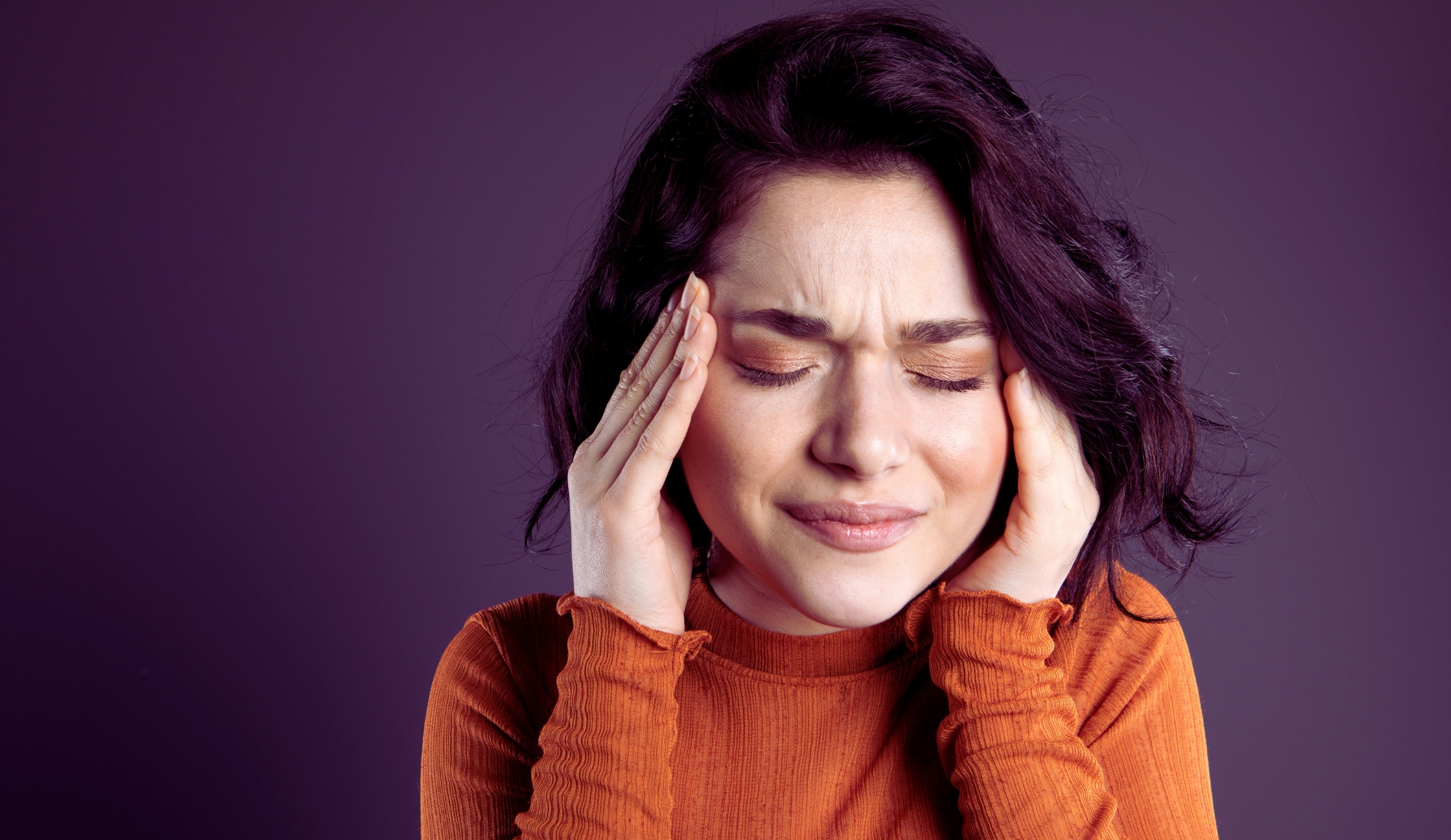
Headache during ovulation—have you ever noticed a throbbing pain sneaking in mid-cycle? While many women track their ovulation for fertility, few expect headaches to come along for the ride. Could this be your body’s unusual way of signaling hormone changes? Let’s break down what’s going on behind the scenes.
Headaches can strike during ovulation due to a sudden dip in estrogen just before the egg is released. This hormonal shift can trigger migraines or tension-type headaches in sensitive individuals. According to Dr. Jennifer Payne, a women’s health specialist, many mid-cycle headaches are closely tied to ovulatory hormone patterns.
But hormone shifts aren’t the only factors. Could dehydration, sleep patterns, or birth control be making it worse? Stay with us as we uncover expert insights, proven remedies, and what you can do to keep ovulation-related headaches at bay.
Is Headache During Ovulation Normal?
Many women wonder if headaches during ovulation are normal. The short answer is yes; it is relatively common to experience headaches during this phase of the fertile window. Hormonal changes, especially fluctuations in estrogen levels, can trigger headaches or migraines in some women.
These hormonal shifts may lead to increased sensitivity, resulting in what is often referred to as an ovulation headache. While experiencing headaches during ovulation is not uncommon, the severity and frequency of these headaches may vary significantly among individuals.
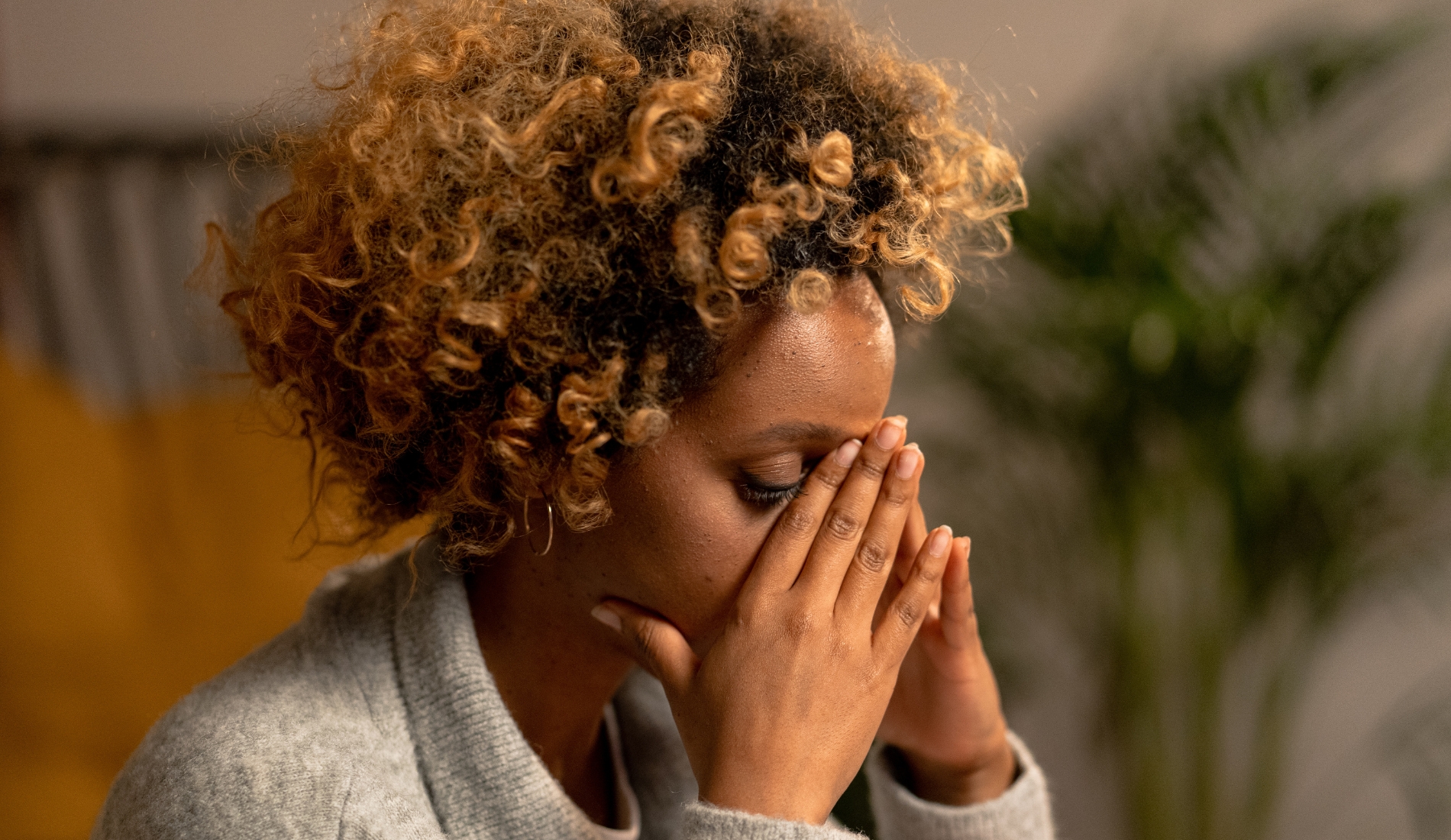
For some, the hormonal fluctuations that accompany ovulation can act as a catalyst for these headaches. It’s essential to recognize that while these headaches may be normal, they should not be debilitating.
If headaches significantly disrupt daily activities or are accompanied by other severe symptoms, it may be time to consult a healthcare professional. Keeping a headache diary can help track patterns and triggers associated with ovulation headaches, providing valuable insights into their frequency and intensity.
What Causes Ovulation Headaches?
Understanding the underlying causes of ovulation headaches is crucial for managing them effectively. One of the primary factors is the fluctuation of hormones, particularly estrogen and luteinizing hormone, which occur during the ovulation phase of the menstrual cycle.
As estrogen levels rise and fall, they can lead to changes in blood vessel dilation and inflammation, triggering headache pain. Additionally, some women may experience headaches due to the physical symptoms of ovulation, such as ovary pain or other discomforts that can amplify sensitivity to headache triggers.
Moreover, lifestyle factors such as stress, dehydration, and lack of sleep can exacerbate these headaches. Women with a history of migraines may find that ovulation headaches are particularly pronounced due to their heightened sensitivity to hormonal shifts.
Identifying these triggers can be key in preventing ovulation headaches. For those who frequently experience headaches during this time, it may be beneficial to discuss preventive strategies and treatment options with a healthcare provider, especially if hormonal changes are suspected to play a significant role.
Symptoms of Ovulation or Menstrual Headaches – Ovulation Headache Symptoms
Ovulation headaches are often linked to hormonal changes, particularly the drop in estrogen that occurs just before ovulation. These headaches typically affect people who are prone to hormone-related migraines. Here are common symptoms associated with ovulation headaches:
Typical Symptoms of Ovulation Headaches
- Throbbing or Pulsating Pain
- Often one-sided (unilateral)
- Moderate to severe in intensity
- Timing
- Occurs around the middle of your menstrual cycle (about 14 days before your period)
- Sensitivity to Light and Sound
- Photophobia (light sensitivity)
- Phonophobia (sound sensitivity)
- Nausea or Vomiting
- Especially if the headache is migraine-like
- Aura (in some cases)
- Visual disturbances such as flashing lights or blind spots
- Numbness or tingling before the headache begins
- Neck Stiffness or Pain
- May accompany head pain or be a precursor
- Fatigue or Mood Changes
- Low energy, irritability, or emotional sensitivity
- Scalp Tenderness
- Sometimes occurs with hormonal migraines
Tips for Identifying Ovulation Headaches
- Track your menstrual cycle and symptoms to see if headaches align with ovulation.
- Note if symptoms lessen or resolve after ovulation (within 1–2 days).
- Consider keeping a headache diary to share with your healthcare provider.
When to See a Doctor
- If headaches interfere with daily life
- If they worsen over time or change in pattern
- If you experience headaches after ovulation symptoms like confusion or weakness
How to Manage and Mitigate Headaches and Migraine
Managing and mitigating headaches during ovulation involves a multifaceted approach that includes lifestyle modifications and potential medical interventions. Over-the-counter medications, such as NSAIDs, can be helpful in alleviating headache pain.
In addition, maintaining a healthy lifestyle through regular exercise, adequate hydration, and balanced nutrition can significantly improve headache management. Stress reduction techniques, such as yoga or meditation, can also play a crucial role in preventing tension headaches that may accompany hormonal fluctuations.
Home remedies such as applying a cold compress to the forehead or engaging in relaxation techniques can provide immediate relief from headache symptoms. Some migraine patients may also find that certain dietary adjustments, such as avoiding caffeine or processed foods, can prevent headache triggers.
For those who experience severe or recurring headaches, prescription medications like triptans may be necessary to manage migraine pain effectively. Consulting with a healthcare provider can help determine the most suitable treatment plan tailored to individual needs.
Types of Hormonal Headaches:
Hormonal headaches are primarily triggered by fluctuations in hormone levels, particularly estrogen. They are most common in women due to menstrual cycles, pregnancy, menopause, or anti inflammatory medications. Here are the main types:
1. Menstrual Migraines (Hormone-Related Migraines)
- Cause: A drop in estrogen levels just before or during menstruation.
- Symptoms: Similar to typical migraines—throbbing pain, nausea, light/sound sensitivity—but often more severe and longer-lasting.
- Timing: Usually occurs 2 days before to 3 days after the start of menstruation.
2. Pregnancy-Related Headaches
- First Trimester: Rising hormone levels and increased blood flow can trigger headaches.
- Later Pregnancy: Headaches may decrease due to stabilized hormones, but new ones could signal complications (e.g., preeclampsia).
3. Perimenopausal & Menopausal Headaches
- Cause: Declining and fluctuating estrogen levels during perimenopause.
- Symptoms: Migraines may worsen initially but often improve post-menopause.
4. Birth Control & Hormone Therapy-Related Headaches
- Estrogen-Containing Pills: Can trigger migraines during the placebo week (when estrogen drops).
- Hormone Replacement Therapy (HRT): May cause headaches as the basal body temperature adjusts.
5. Ovulation Headaches
- Cause: A surge in estrogen (and sometimes luteinizing hormone) around ovulation.
- Symptoms: Mild to moderate headaches or migraines mid-cycle.
Key Differences from Non-Hormonal Headaches:
- Timing linked to hormonal shifts (menstruation, ovulation, menopause).
- Often more resistant to standard headache treatments.
Management Tips:
- NSAIDs (e.g., ibuprofen) taken preemptively before expected hormonal drops.
- Hormonal stabilization (e.g., continuous birth control, estrogen patches).
- Lifestyle adjustments (stay hydrated, stress management, regular sleep).
What’s the Best Way to Treat an Ovulation Headache?
Treating an ovulation headache effectively requires a personalized approach based on the type and severity of the headache. Over-the-counter medications are often the first line of defense, providing quick relief for mild to moderate headache pain.
For more severe headaches or migraines, prescription medications such as triptans may be recommended. Additionally, hormonal birth control pills can help regulate hormone levels, potentially reducing the frequency and severity of ovulation headaches for some women.
Complementary treatments such as acupuncture, chiropractic care, and dietary supplements like magnesium or riboflavin may also be beneficial in managing headache symptoms. Lifestyle modifications, including maintaining a consistent sleep schedule and managing stress levels, can further contribute to the prevention of ovulation headaches.
Consulting with a healthcare provider to develop a comprehensive treatment plan tailored to individual circumstances is essential for effective management of headache symptoms during ovulation.
When to Seek Help for Menstrual Migraine
Recognizing when to seek help for menstrual migraines is crucial for effective management and relief. If headaches become increasingly severe, persistent, or interfere with daily activities, it is advisable to consult a healthcare professional.
Additionally, if headache symptoms are accompanied by other alarming signs such as visual disturbances, confusion, or sudden onset of severe headache pain, immediate medical attention is necessary. These symptoms may indicate a more serious underlying condition that requires prompt evaluation.
Women who experience significant changes in their headache patterns or those who find that over-the-counter medications are no longer effective should consider seeking professional help.
A healthcare provider can offer a thorough assessment and recommend appropriate treatment options, which may include prescription medications, lifestyle changes, or alternative therapies. Early intervention can lead to better management of menstrual migraines and overall improvement in quality of life.
Commonly Asked Questions about Managing Headaches After Ovulation (FAQs)
Can Ovulation Cause Headaches?
Yes, ovulation can cause headaches due to hormonal fluctuations, particularly estrogen drops. Some women experience mild to moderate pain, but severe or persistent headaches should be checked by a doctor.
Do hormone headaches change across life stages?
Yes, hormone headaches can change across life stages due to shifts in estrogen levels. They often flare during the menstrual cycle phase, pregnancy, perimenopause, or menopause, varying in intensity.
What’s the best way to treat ovulation or menstrual headaches?
To treat ovulation or menstrual headaches (a common type of migraine in women), drink plenty of water, NSAIDs (like ibuprofen), magnesium supplements, caffeine moderation, and stress reduction. Hormonal birth control may help prevent them.
Why do headaches occur during ovulation?
A: Headaches during ovulation can occur due to hormonal activity that leads to fluctuations in estrogen and progesterone levels. These hormonal changes may trigger headaches in some women.
What type of headache do women with migraine experience during ovulation?
Women with migraine may experience migraine headaches during ovulation, which can be more intense due to the changes in hormone levels associated with this part of the menstrual cycle.
Can ovulation lead to frequent migraine attacks?
Yes, ovulation can lead to frequent migraine attacks in women who are susceptible to migraines, particularly during the luteinizing hormone surges that occur around this time.
What symptoms are associated with headaches during ovulation?
Symptoms of headaches during ovulation may include throbbing pain, sensitivity to light and sound, and in some cases, migraine with aura, which involves visual disturbances.
Are over-the-counter medications effective for headaches during ovulation?
Over-the-counter medications such as acetaminophen may help alleviate headaches during ovulation, but it’s essential to consult a healthcare provider if headaches are severe or persistent.
How can hormonal activity impact headaches during different phases of the menstrual cycle?
A: Hormonal activity can significantly impact headaches during different phases of the menstrual cycle, with many women experiencing migraines or tension headaches linked to hormonal fluctuations.
What should I do if my headaches during ovulation are severe?
If your headaches are severe, it’s important to seek medical advice. A healthcare provider may recommend specific preventive medications or adjustments in treatment to better manage your symptoms.
Can birth control help prevent headaches related to ovulation?
Yes, women who are already on birth control may find that it helps prevent hormonal fluctuations that can lead to headaches during ovulation. However, individual responses can vary, and discussing options with a healthcare provider is recommended.
Conclusion
Headaches during ovulation are a common experience for many women, often resulting from hormonal fluctuations throughout the menstrual cycle. Understanding the causes, symptoms, and types of headaches can empower individuals to manage their conditions effectively. With proper treatment options, including over-the-counter medications, lifestyle changes, and professional advice, women can alleviate the discomfort associated with ovulation headaches. If headaches persist or worsen, it is essential to seek medical attention to ensure that appropriate interventions are in place, allowing for a better quality of life.
Recommended posts
- Risks of Taking Clomid When You Already Ovulate (Must-Read)
- Feeling Nausea While Ovulating – Is It a Sign of Fertility?
- Does Ovulation Make You Horny: (Here’s What Science Says)
- Do You Still Ovulate When on Birth Control: (Myths & Facts)
- Do You Feel Emotional During Ovulation: (Is It Just Mood Swings?)