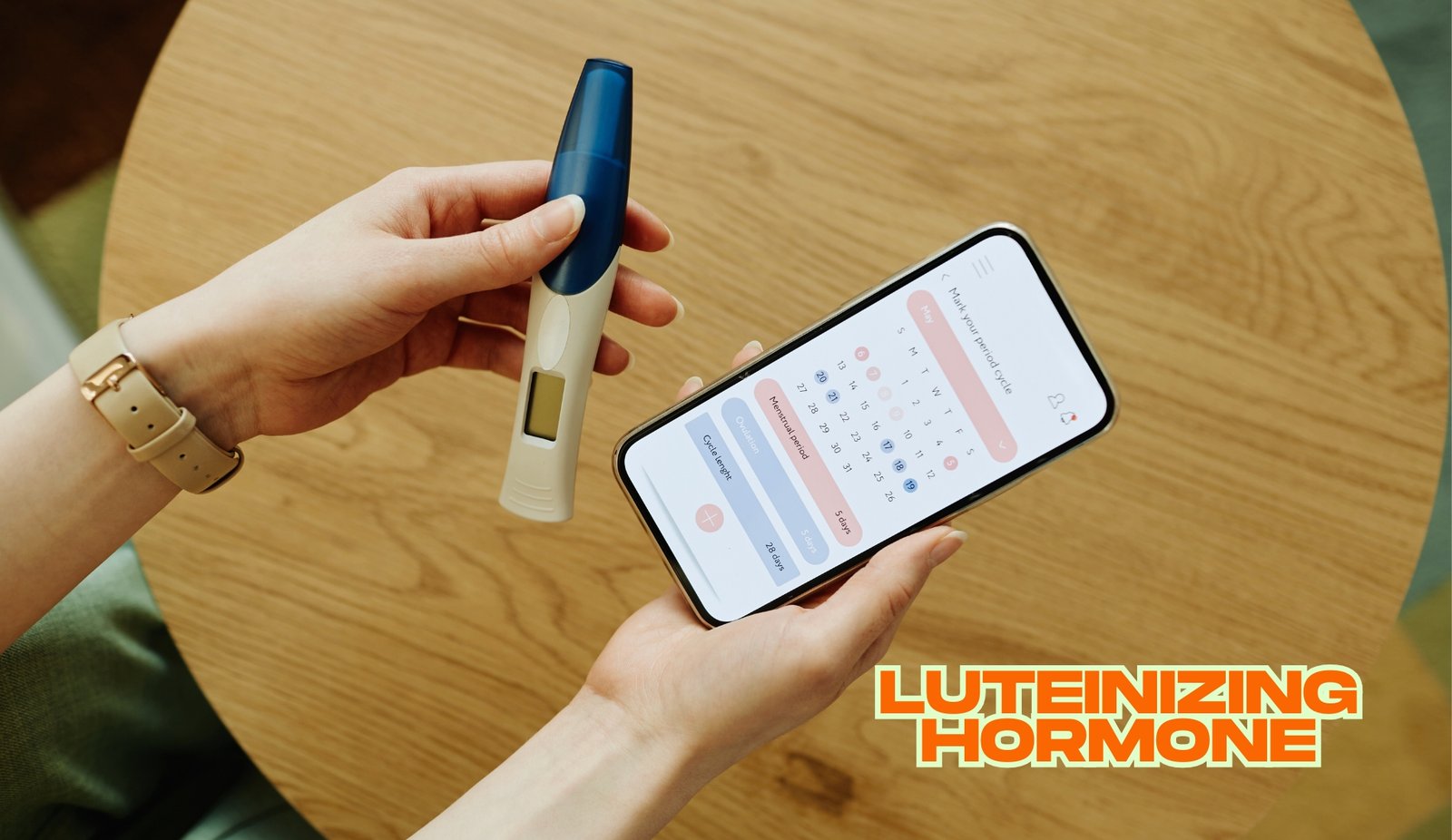
How long after LH surge do you ovulate? If you’re tracking your cycle to boost fertility, understanding the LH surge is key. But once that line gets darker on your ovulation test, when exactly should you expect the egg to be released?
Ovulation usually happens 24 – 36 hours after the LH surge begins. This surge triggers the ovary to release a mature egg, making it the most fertile window of your cycle. According to Dr. Nataki Douglas, a fertility specialist, timing intercourse during this window can significantly increase your chances of conception.
But every body is a little different. Some may ovulate slightly sooner or later, depending on hormone levels and cycle regularity. Ready to get the timing just right? Let’s break down the LH surge, ovulation timing, and how to predict your peak fertility like a pro.
What is Luteinizing Hormone (LH)?
Luteinizing hormone (LH) is a critical hormone in the reproductive system, produced by the anterior pituitary gland. It plays a pivotal role in regulating the menstrual cycle and initiating ovulation. During the menstrual cycle, LH levels fluctuate, peaking just before ovulation.
This surge in LH is essential for the release of an egg from the ovary, making it a key player in the process of conception. Elevated LH levels can also influence the production of estrogen and progesterone, hormones that prepare the body for potential pregnancy. Understanding LH helps women track their ovulation and fertile window, increasing their chances of conception.
As a part of the hormonal regulation of the menstrual cycle, LH works alongside other hormones, including follicle-stimulating hormone (FSH) and estrogen.
The interaction between these hormones ensures the development of follicles in the ovaries, which house the eggs. When the body senses the right conditions for ovulation, a surge in LH levels is triggered, signaling the ovaries to release an egg.
This surge is what ovulation test kits (OPKs) aim to detect, allowing women to plan intercourse during their fertile days effectively. By understanding the role of LH, women can better navigate their menstrual cycles and enhance their fertility awareness.
How Long After Lh Surge Do You Ovulate?
How soon do you ovulate after lh surge? Typically, ovulation occurs about 24 to 36 hours after the LH surge is detected in the body. This timing can vary based on individual hormonal levels and cycle length. For women tracking their cycles, knowing how long after the LH surge they ovulate is crucial for timing intercourse to maximize the chances of conception.
Since the egg is viable for about 12 to 24 hours post-ovulation, pinpointing this timing increases the likelihood of successful fertilization. Women often utilize LH test to detect the surge, which can help predict ovulation day accurately.

Additionally, many women may experience changes in cervical mucus and basal body temperature (BBT) around the time of ovulation. A rise in BBT, for example, typically follows the LH surge, indicating that ovulation is imminent. Therefore, tracking LH levels through home ovulation tests, alongside observing physical signs, can provide a comprehensive view of one’s fertile window. It’s important to note that while the LH surge is a reliable indicator, individual variations exist, and some women may ovulate slightly earlier or later. This variability underscores the importance of consistent tracking for those trying to conceive.
🔍 LH Surge vs. LH Peak: What’s the Difference?
Both LH surge and LH peak refer to key moments in your menstrual cycle related to ovulation, but they describe different phases of the hormone luteinizing hormone (LH).
🔹 LH Surge
- The LH surge is the sudden and rapid increase in luteinizing hormone levels that triggers ovulation.
- This surge begins roughly 24 to 36 hours before ovulation.
- It signals the body to release a mature egg from the dominant follicle.
- The surge can last 12 to 48 hours, depending on the person.
🧪 Detected by: Most ovulation predictor kits (OPKs) detect the start of the LH surge, giving you a fertile window.
🔺 LH Peak
- The LH peak is the highest point or maximum concentration of LH during the surge.
- It usually occurs a few hours after the start of the surge and is often short-lived.
- Ovulation typically occurs 12 to 24 hours after the LH peak.
📈 Why it matters: Timing intercourse before or around the LH peak gives the best chance for conception, as sperm needs time to travel and survive until the egg is released.
🧬 Analogy:
Think of the LH surge as the ramp-up to ovulation and the LH peak as the tipping point that signals the egg is about to be released.
📝 Summary Table
| Term | Description | Timing | Significance |
|---|---|---|---|
| LH Surge | Rapid rise in LH levels | Begins 24–36 hours before ovulation | Signals that ovulation is approaching |
| LH Peak | Highest LH level during the surge | Occurs shortly before ovulation (often 12–24 hours before) | Most accurate marker of imminent ovulation |
🔄 Why It Matters for Fertility Tracking:
- LH surge = Start of the fertile window.
- LH peak = Ovulation is imminent—ideal time for conception.
- If you’re using OPKs, you’ll likely catch the surge, but peak timing is harder to pinpoint without advanced hormone testing or frequent testing.
Importance of Accurate Ovulation Tracking:
Accurate ovulation tracking is essential for those trying to conceive, as it helps determine the most fertile days within the menstrual cycle. By tracking the LH surge through ovulation predictor kits or monitoring changes in basal body temperature and cervical mucus, women can pinpoint their ovulation day more effectively.
This knowledge allows for strategic timing of intercourse, increasing the chances of conception. Moreover, understanding one’s cycle can also aid in recognizing irregularities, which may indicate underlying hormonal issues or reproductive health concerns.
In addition, accurate ovulation tracking can empower women by providing insights into their menstrual cycle patterns. By knowing when ovulation occurs, they can better plan for pregnancy, avoid unintended pregnancies, or simply understand their bodies more thoroughly.
Furthermore, for women experiencing difficulties with fertility, tracking ovulation can provide valuable information for healthcare providers, aiding in diagnosis and treatment options. Thus, the importance of precise ovulation tracking cannot be overstated, as it plays a vital role in reproductive health and family planning.
Factors That Can Affect LH Surge and Ovulation
The luteinizing hormone (LH) surge plays a key role in triggering ovulation. This sudden spike in LH stimulates the release of a mature egg from the ovary, making it a critical event for fertility.
However, several internal and external factors can delay, weaken, or prevent the LH surge altogether—ultimately impacting ovulation. Understanding these factors can help you better track your cycle and improve your chances of conception.
1. Stress and Emotional Imbalance
Why it matters: High stress increases cortisol levels, which can suppress reproductive hormones, including LH.
What to do: Practice stress-relief techniques like meditation, light exercise, or deep breathing to maintain hormonal balance.
2. Polycystic Ovary Syndrome (PCOS)
Why it matters: PCOS causes hormonal imbalances that may prevent a normal LH surge or cause irregular surges.
What to do: Work with a doctor to manage PCOS through lifestyle changes, medication, or ovulation-inducing treatments.
3. Underweight or Overweight
Why it matters: Extreme body weight can disrupt hormonal signals and reduce the strength or timing of the LH surge.
What to do: Aim for a healthy BMI through balanced nutrition and regular activity to support ovulation.
4. Excessive Exercise
Why it matters: Overtraining may suppress the hypothalamic-pituitary-ovarian axis, interfering with LH production.
What to do: Opt for moderate exercise and allow recovery days, especially if your cycle is irregular.
5. Thyroid Disorders
Why it matters: An overactive or underactive thyroid affects all reproductive hormones, including LH.
What to do: Have your thyroid levels checked if you experience irregular cycles or struggle with ovulation.
6. Certain Medications
Why it matters: Drugs like hormonal contraceptives, antidepressants, or steroids can interfere with LH release.
What to do: Talk to your doctor about alternative medications if ovulation is a concern.
7. Aging and Perimenopause
Why it matters: As women age, especially after 35, LH surges may become less predictable or weaker.
What to do: Consider fertility tracking tools and consult a fertility specialist for guidance.
8. Sleep Disruption
Why it matters: Poor or inconsistent sleep affects the body’s hormone regulation, including LH secretion.
What to do: Maintain a consistent sleep schedule and get 7–9 hours of rest per night to support reproductive health.
9. High Prolactin Levels
Why it matters: Elevated prolactin (hyperprolactinemia) can inhibit the LH surge and prevent ovulation.
What to do: Blood tests can detect high prolactin levels. Treatment may include medication like bromocriptine or lifestyle changes.
Commonly Asked Questios about Luteinizing Hormone and Fertility
How long after an LH surge do you ovulate?
How long after lh peak is ovulation? Ovulation typically occurs 24–36 hours after an LH surge. To confirm ovulation, track basal body temperature or use progesterone tests—cervical mucus changes also signal fertility.
How can I test my LH levels?
Use an LH test strip (ovulation predictor kit) with urine. A positive LH test means your LH surge is detected, signaling ovulation will likely occur in 24–36 hours.
Trying to conceive? Understanding OPK Results
A positive OPK means “it’s possible,” as levels of LH surge 24–36 hours before ovulation—the best time to conceive. Test daily mid-cycle for accurate results.
What to do when I see an lh surge?
When you see an LH surge on Premom, ovulation typically occurs the day before ovulation or the next day. Have sex now for the best chance of conception.
What triggers ovulation and how can I identify it?
The LH surge triggers ovulation to occur. You can identify this surge through daily OPK (ovulation predictor kits) or by monitoring ovulation signs like changes in cervical mucus.
When should I start testing for ovulation?
It’s recommended to start testing for ovulation around day 10 of your menstrual cycle, but this can vary based on your cycle length. Tracking your cycle can help make ovulation prediction more accurate.
How do I confirm that ovulation has occurred?
You can confirm that ovulation has occurred through various methods such as a blood test measuring progesterone levels, checking for ovulation signs, or using a urine test after the expected ovulation window.
How can I use LH tracking to improve my chances of conception?
By monitoring the rise in LH levels and identifying the 24 hours before ovulation and the day of ovulation, you can better time intercourse, increasing the chances of conception.
How long after ovulation can I take a pregnancy test?
It’s best to wait until at least the day after ovulation to take a pregnancy test, as this allows enough time for fertilization and implantation to occur, increasing the accuracy of the test result.
How long after lh peak is ovulation?
How long after lh peak do you ovulate? Ovulation typically occurs 24–36 hours after an LH peak. The best time to conceive is within this window, as the egg is released and viable for ~12–24 hours.
Conclusion – Key takeaways about the LH surge before ovulation
How long after an lh surge do you ovulate? The LH surge is a crucial indicator of impending ovulation, and understanding its timing and significance can greatly enhance fertility awareness. By knowing that ovulation typically occurs 24 to 36 hours after the LH surge, women can better plan their intercourse during their fertile window. Tracking LH levels through ovulation tests, along with observing physical signs like changes in cervical mucus and BBT, can provide a comprehensive understanding how long do you ovulate after lh surge. This knowledge is essential for those trying to conceive, as it increases the chances of successful conception.
Additionally, recognizing the factors that can affect LH levels and ovulation timing is vital for maintaining reproductive health. Stress, hormonal imbalances, and lifestyle choices can all impact the LH surge and the overall menstrual cycle. Therefore, accurate ovulation tracking is not just about timing intercourse; it is also about understanding one’s body and its unique patterns. By taking these insights into account, women can navigate their menstrual cycles with greater confidence and clarity, ultimately enhancing their chances of conception.
You might also like
- 7 Clear Signs of High Fertility in a Woman (Shouldn’t Miss)
- Does Cramping During Ovulation Mean Pregnancy? (The Truth)
- Can You Ovulate Twice in a Month? The Surprising Truth!
- Can Ovulation Make You Emotional: (Is It Just Mood Swings?)