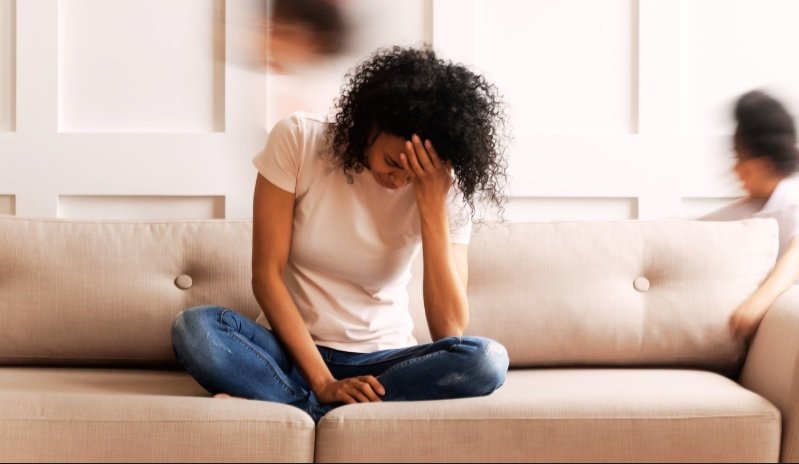
Does ovulation make you tired? Ever feel unusually tired in the middle of your cycle and wonder why? If your energy suddenly dips, fatigue during ovulation could be the hidden culprit. Ovulation affects more than just fertility—it can also impact your mood, stamina, and overall wellbeing.
Hormonal shifts, particularly the spike in luteinizing hormone (LH) and estrogen, often lead to ovulation-related fatigue. Many women also experience sleep disruptions, minor inflammation, and energy crashes during this time. Experts like Dr. Jolene Brighten explain that ovulation isn’t just about releasing an egg—it’s a full-body process.
But tiredness isn’t the only symptom your body shows during ovulation. There’s more happening beneath the surface than most realize. Let’s dive into what causes this mid-cycle exhaustion and how to manage it effectively.
Fatigue During Ovulation? Understanding Ovulation Fatigue
Ovulation fatigue refers to the tiredness that many women feel around ovulation, the time when an egg is released from the ovary. This fatigue can be attributed to hormonal fluctuations, primarily involving estrogen and progesterone levels.
As these hormone levels rise and fall during the menstrual cycle, they may affect energy levels, leading to feelings of exhaustion. Many women report that they feel fatigue while ovulation, which can be distressing, especially if they are trying to conceive. Recognizing ovulation fatigue as a symptom of ovulation can help women understand their bodies better and anticipate these changes.
In addition to fatigue, other ovulation symptoms like cramping, breast pain, and mood swings may accompany this phase. Understanding ovulation fatigue is crucial, as it can influence daily activities and overall well-being. If you’re feeling tired around ovulation, it’s essential to listen to your body and prioritize self-care during this time.
This may involve adjusting your schedule to allow for more rest, engaging in light exercise, or practicing relaxation techniques to minimize stress. Awareness of ovulation fatigue can empower women to manage their energy levels more effectively.
Is it Normal to Feel Tired During Ovulation?
Feeling tired during ovulation is a common experience for many women due to various factors, including hormonal changes and the body’s natural response to these fluctuations. It is entirely normal for women to feel a dip in energy levels around ovulation, as this phase marks significant hormonal shifts that can affect mood and physical vitality.
The relationship between ovulation and fatigue varies from person to person, so while some may feel mildly exhausted, others might experience extreme fatigue. Understanding what is typical for your body can help in managing these symptoms.

In fact, recognizing that tiredness during ovulation is normal can be reassuring. It can help mitigate concerns about underlying health issues or fertility problems. However, if fatigue becomes overwhelming or is accompanied by other concerning symptoms, it’s essential to consult a healthcare provider.
They can help assess whether the fatigue is a symptom of ovulation or if other factors may be contributing to your tiredness. Open communication about these experiences can lead to better management strategies and, ultimately, improved reproductive health.
The Link Between Ovulation And Fatigue
The link between ovulation and fatigue is primarily driven by hormonal changes that occur during this phase of the menstrual cycle. As the body prepares for ovulation, estrogen levels peak, which can lead to a burst of energy for some women.
However, this spike is often followed by a decline in energy levels once ovulation occurs, leading many to feel tired. Additionally, as progesterone levels rise post-ovulation, women may experience increased tiredness due to its sedative effects. Understanding this connection can help women anticipate and manage their energy levels during the fertile window.
Moreover, ovulation fatigue is compounded by other physical symptoms associated with ovulation, such as cramping and breast tenderness, which can further drain energy levels. The cumulative effect of these physical and hormonal changes can leave women feeling exhausted during ovulation.
It’s important to note that while ovulation can affect energy, the overall impact varies significantly among individuals. Recognizing your unique patterns can aid in developing personalized strategies to combat fatigue during this time.
Does Ovulation Fatigue Affect Fertility?
Ovulation fatigue itself does not directly affect fertility, but the symptoms associated with it can influence a woman’s overall reproductive health. Feeling tired during ovulation may lead to decreased motivation to engage in activities conducive to conception, such as intimacy.
It’s essential to maintain awareness of your body’s signals and energy levels, especially when trying to conceive. Managing fatigue effectively can help ensure that you remain proactive in your attempts to conceive.
Additionally, chronic fatigue or extreme tiredness may disrupt regular ovulation patterns or hormonal balance, which could indirectly affect fertility. When the body is under stress or feeling exhausted, it may impact the menstrual cycle and hormone levels, leading to irregular ovulation or anovulation.
Therefore, while ovulation fatigue is not inherently detrimental to fertility, it is crucial to monitor and manage these symptoms to support reproductive health and increase the chances of conception.
Hormonal Changes and Their Impact
The impact of hormonal changes on fatigue during ovulation cannot be understated. As estrogen and progesterone levels fluctuate throughout the menstrual cycle, they can significantly affect mood, energy levels, and overall well-being.
During the ovulation phase, a spike in estrogen can initially boost energy, but this is often followed by fatigue as ovulation occurs and progesterone levels rise. These hormonal fluctuations can also lead to mood swings, further contributing to feelings of tiredness. Understanding how these hormones interact can provide insights into managing fatigue during this time.
Moreover, hormonal changes can affect other aspects of health, including sleep quality and appetite, which can compound feelings of fatigue. For instance, some women may experience increased cravings or changes in sleep patterns that can lead to tiredness during ovulation.
By being aware of these changes, women can take proactive steps to manage their symptoms, such as practicing good sleep hygiene, maintaining a balanced diet, and engaging in regular physical activity. By balancing hormone levels through lifestyle choices, women can better cope with ovulation fatigue.
Tips on How to Manage and Overcome Ovulation Fatigue (Master Hormones)
Ovulation fatigue is a real and often overlooked symptom of the menstrual cycle. Many women experience sudden tiredness or low energy around ovulation. Hormonal shifts—especially spikes in estrogen and luteinizing hormone—can leave you feeling drained. The good news? You can manage it naturally. Here are practical tips to fight ovulation fatigue and stay energized.
1. Prioritize Sleep
Why it matters: Hormonal changes increase your need for rest. Poor sleep worsens fatigue.
What to do: Aim for 7–9 hours of quality sleep. Stick to a sleep routine. Avoid screens and caffeine before bed.
2. Stay Hydrated
Why it matters: Even slight dehydration can make fatigue worse and affect hormone regulation.
What to do: Drink at least 8–10 glasses of water daily. Add electrolyte-rich drinks if needed.
3. Eat Small, Balanced Meals
Why it matters: Blood sugar dips during ovulation can drain energy fast.
What to do: Eat every 3–4 hours. Focus on protein, complex carbs, and healthy fats. Avoid sugar spikes.
4. Get Gentle Exercise
Why it matters: Low-impact activity increases circulation and energy levels without overexertion.
What to do: Try walking, yoga, or stretching during ovulation. Avoid heavy workouts if you’re feeling exhausted.
5. Take Magnesium and B Vitamins
Why it matters: These nutrients help reduce tiredness and support hormone balance.
What to do: Add leafy greens, nuts, seeds, and whole grains to your meals. A supplement may help if you’re low.
6. Listen to Your Body
Why it matters: Pushing through fatigue makes it worse and slows recovery.
What to do: Take breaks. Rest when needed. Don’t feel guilty for slowing down during this phase.
7. Practice Stress Management
Why it matters: Stress amplifies hormonal symptoms, including fatigue.
What to do: Try deep breathing, journaling, or meditation. Even 10 minutes can make a difference.
8. Track Your Cycle
Why it matters: Knowing when ovulation hits helps you prepare and adjust your routine.
What to do: Use a period tracker or app. Look for signs like cervical mucus changes or mid-cycle cramps.
Ovulation fatigue is common but manageable. By tuning in to your body, adjusting your habits, and staying consistent with healthy choices, you can ease the symptoms and boost your energy. Small changes make a big difference—listen to your body and give it what it needs.
Commonly Asked Questions about Extreme Fatigue Ovulation (FAQs)
Does ovulation make you tired and hungry?
Yes, ovulation can cause fatigue and increased hunger due to hormonal shifts, particularly rising progesterone. These symptoms are normal but should be mild—consult a doctor if severe.
Why do I feel sleepy during ovulation?
Feeling sleepy when you ovulate is normal—hormonal shifts (like rising progesterone) can cause fatigue. Your body uses extra energy for ovulation, leading to tiredness. Rest and hydrate; see a doctor if severe.
Progesterone Levels by Week: What’s Normal During Pregnancy?
Normal progesterone levels during pregnancy range from 9 to 47 ng/mL in the first trimester, increasing to 17 to 146 ng/mL in the second, and 55 to 200 ng/mL in the third trimester.
Hormonal fluctuations during your menstrual cycle?
Hormonal fluctuations during your menstrual cycle are normal. Estrogen and progesterone levels rise and fall to regulate ovulation, periods, ovaries releases, and other reproductive functions, causing natural changes.
Can tiredness around ovulation be a sign of pregnancy?
Tiredness around ovulation isn’t a direct pregnancy sign, but if implantation occurs, rising progesterone thickens the uterine lining, causing fatigue. Early pregnancy fatigue typically starts post-missed period.
What Does a Faint Line on an Ovulation Test Mean?
A faint line on an ovulation test means low LH levels—ovulation isn’t imminent. A darker test line indicates an LH surge, signaling peak fertility. Test daily for accurate tracking.
Does sleep change over the menstrual cycles?
Yes, sleep quality often changes during menstrual cycles due to hormonal fluctuations. Many women experience poorer sleep before menstruation (PMS) and during early periods, while ovulation may improve sleep.
What are the common symptoms of ovulation?
The symptoms of ovulation can include changes in cervical mucus, mild cramping, breast tenderness, and sometimes fatigue. Some may also experience a slight increase in body temperature and emotional changes.
What is the cause of ovulation fatigue?
The cause of ovulation fatigue is often due to hormonal changes that occur during the luteal phase of the menstrual cycle. These hormonal fluctuations can lead to tiredness and fatigue as the body prepares for potential pregnancy.
Does ovulation make you tired?
Yes, many individuals report feeling tired during ovulation. This tiredness and fatigue can be attributed to the hormonal changes occurring in the body at this time, which can affect energy levels.
How can I cope with ovulation exhaustion?
To cope with ovulation exhaustion, consider maintaining a balanced diet, staying hydrated, getting regular exercise, and ensuring adequate rest. Additionally, managing stress and practicing relaxation techniques can also be beneficial.
Is there a connection between ovulation and fatigue?
Yes, there is a connection between ovulation and fatigue. Many individuals experience low energy during ovulation due to the hormonal changes that occur at that time, which can lead to body fatigue and mental fatigue across the menstrual cycle.
Conclusion
In conclusion, fatigue during ovulation is a common experience influenced by hormonal changes throughout the menstrual cycle. Understanding the causes and symptoms of ovulation fatigue can help women better manage their energy levels during this time. Recognizing that feeling tired during ovulation is normal can alleviate concerns and empower women to take proactive steps to address their fatigue. By maintaining a healthy lifestyle, managing stress, and prioritizing self-care, women can navigate ovulation fatigue more effectively and support their reproductive health. Ultimately, being aware of one’s body and its signals is essential for a positive approach to fertility and overall well-being.
You might also like
- 7 Clear Signs Ovulation Is Over – here’s What Happens Next
- Could You Ovulate Twice in a Month? The Surprising Truth!
- Does Cramping During Ovulation Mean Pregnancy? (The Truth)
- Does Ovulation Make You Horny? (Here’s What Science Says)
- Will Ovulation Test Be Positive If Pregnant? Shocking Truth
- Hungry During Ovulation? Here’s How to Manage Extra Hunger