
Are you searching for the best fertility tea to get pregnant naturally and boost your chances? Wondering which ingredients truly make a difference in reproductive health? You’re not alone—many women are turning to herbal remedies to support conception in a more holistic way.
Fertility teas like red raspberry leaf, nettle, Chasteberry, and cinnamon tea have shown promising results in supporting hormonal balance and uterine health.
Experts like Dr. Aviva Romm, a renowned herbalist and midwife, highlight the effectiveness of these blends in improving fertility outcomes. In this post, we break down the top teas, their benefits, and how they actually support your body.
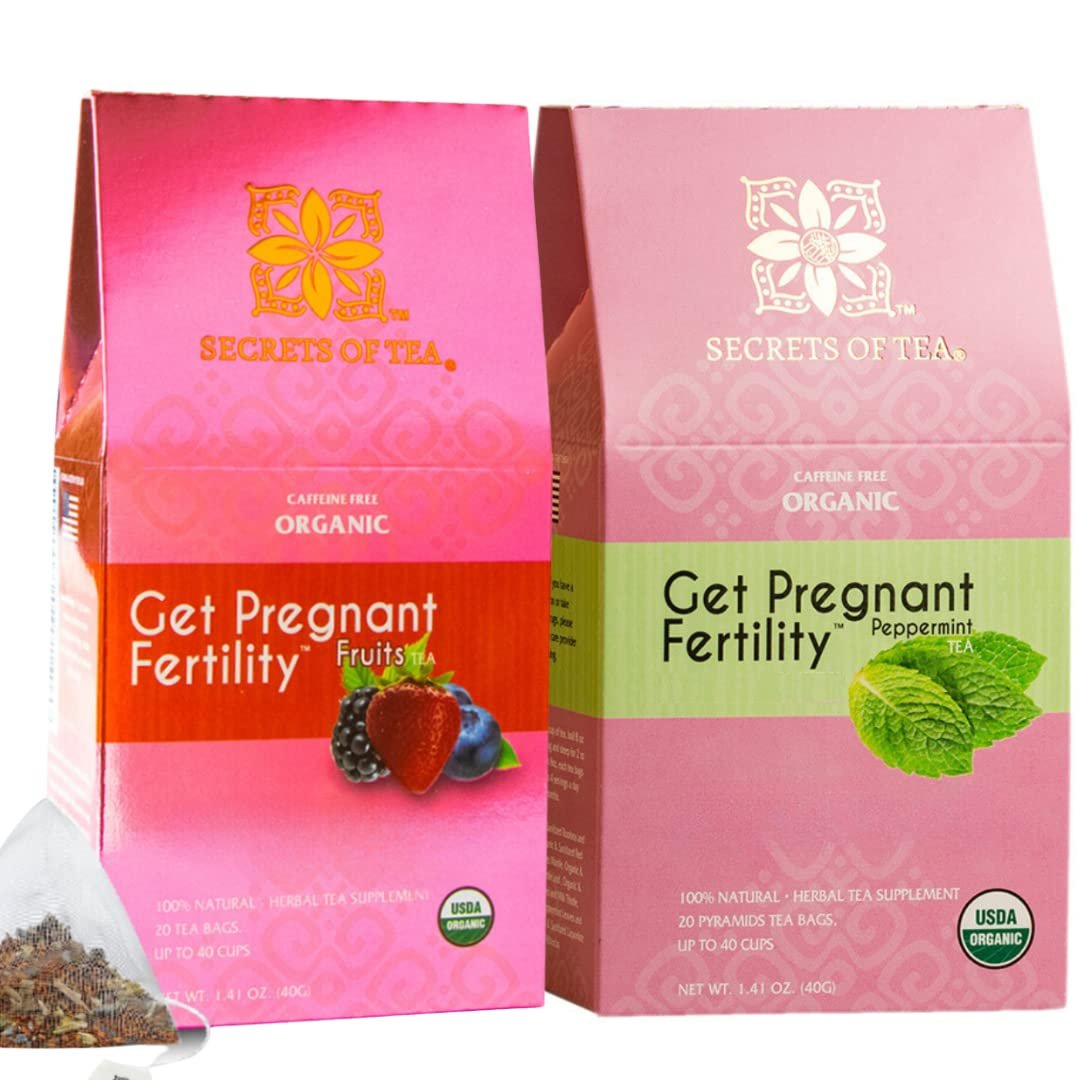
But herbal teas go far beyond just these three names. Some blends work better for ovulation, while others help regulate cycles or reduce stress.
So, let’s dive into the world of fertility teas trusted by experts and discover the best tea to drink for fertility.
Which Drink Is Best for Conceiving?
When it comes to enhancing fertility, not all beverages are created equal. Fertility tea, in particular, has been used for centuries as a natural remedy to support reproductive health. Among various options, red raspberry leaf tea is often recommended due to its ability to strengthen the uterine lining, making it more receptive for implantation.
Additionally, nettle tea is celebrated for its nutritional benefits, providing essential vitamins and minerals that support overall reproductive function. For women with polycystic ovary syndrome (PCOS), herbal teas like chaste tree can help balance hormones, which is crucial for regulating the menstrual cycle and improving fertility outcomes.

Furthermore, incorporating organic herbal teas into your daily routine not only promotes relaxation but also aligns with a holistic approach to conception. The antioxidants and anti-inflammatory properties found in these teas can play a significant role in enhancing reproductive health.
Green tea is another favorable option, as it contains compounds that may help boost fertility by improving egg quality and promoting ovulation. Choosing the right drink is essential for preparing your body for a healthy pregnancy, as well as for supporting your fertility journey.
What Tea Can Help You Get Pregnant?
Several types of herbal tea can be beneficial for those aiming to conceive. Red raspberry leaf tea is one of the most popular choices among women trying to conceive, as it is known to tone the uterus and regulate menstrual cycles. This tea may also help improve fertility by enhancing blood flow to the reproductive organs.
Nettle leaf tea is another fantastic option, as it is rich in vitamins and minerals that can support hormonal balance and overall reproductive health. Furthermore, ginger and lemon tea can aid digestion and reduce inflammation, which may also positively impact fertility.
Chaste tree tea has been highlighted for its ability to help manage hormonal imbalances, making it particularly useful for women with PCOS. By promoting regular ovulation, this herbal tea can increase your chances of conception.
Jasmine tea, known for its calming properties, may also contribute to a stress-free environment conducive to fertility. These herbal teas not only support the reproductive system but also help create a nurturing atmosphere for a healthy pregnancy. Incorporating these options into your diet can be a delightful way to enhance your fertility journey.
Enjoy Fertility Teas and Support Your Conception Journey
Integrating fertility teas into your lifestyle can be a wonderful way to support your conception journey. Drinking herbal tea not only provides numerous reproductive health benefits but also creates a comforting ritual that can help reduce stress.
Whether you choose nettle tea for its nutritional properties or red raspberry leaf tea for its uterine support, each cup can be a step toward improving your fertility. The soothing nature of these teas can also foster a sense of well-being, which is essential when navigating the emotional ups and downs of trying to conceive.
Moreover, supporting your fertility with tea doesn’t have to be a solitary endeavor. Sharing a cup of fertility tea with your partner can enhance the emotional connection during this journey. It provides an opportunity for open conversations about your aspirations for starting a family while enjoying the health benefits of these herbal blends.
As you explore the various types of fertility teas available, consider how each one aligns with your personal health needs, dietary preferences, and lifestyle. Ultimately, enjoying these herbal infusions can empower you and offer support during your conception journey.
5 Best Fertility Tea to Get Pregnant & Trying To Conceive
Fertility teas are a natural, gentle way to support hormone balance, ovulation, and uterine health. Packed with medicinal herbs, they’ve been used for centuries to enhance reproductive wellness. Below are the best pregnancy tea to get pregnant, and conceive naturally.
1. Red Raspberry Leaf Tea
Benefits: Strengthens the uterine lining, regulates menstrual cycles, and prepares the womb for implantation.
When to Drink: From menstruation to ovulation
Tip: Drink 1–2 cups daily for best results.
2. Nettle Leaf Tea
Benefits: Rich in iron, chlorophyll, and vitamins A, C, D, and K. Supports adrenal glands, kidney function, and egg quality.
When to Drink: Throughout the entire cycle
Tip: Combine with red raspberry for a powerful fertility blend.
3. Chasteberry (Vitex) Tea
Benefits: Balances progesterone, supports ovulation, and regulates irregular cycles. Especially useful for women with luteal phase defects or PCOS.
When to Drink: From day 1 of cycle to ovulation
Tip: Be consistent—it may take 2–3 months to see results.
4. Green Tea (Caffeine-Free or Low-Caffeine)
Benefits: High in antioxidants that improve cervical mucus and protect eggs from free radical damage.
When to Drink: In the follicular phase (before ovulation)
Tip: Limit to one tea bag in a cup daily due to caffeine.
5. Peppermint and Spearmint Tea
Benefits: Helpful for women with high androgen levels or PCOS. Reduces testosterone and improves hormonal balance.
When to Drink: After meals, especially during follicular phase
Tip: Choose organic spearmint for the strongest effect.
Fertility teas are a soothing, natural way to nurture your body and enhance your chances of getting pregnant. For best results, drink them regularly, pair with a healthy lifestyle, and track your cycle. Always consult your doctor before combining teas with fertility treatments or medications. Let every sip bring you one step closer to your baby dream.
FAQs about Boosting Fertility with Herbal teas for conception
What is the best fertility tea to get pregnant?
The best fertility tea may vary for each individual, but popular options among couples trying to conceive (ttc) include herbal fertility teas that contain ingredients known to support your reproductive health, such as nettle, raspberry leaf, and red clover tea.
How do herbal fertility teas influence fertility?
Herbal fertility teas can influence fertility by providing essential nutrients, helping regulate hormones, and improving overall reproductive health. Ingredients in fertility teas are often chosen for their fertility benefits, which can enhance your ability to conceive.
Are there specific ingredients in fertility teas that are beneficial for ttc?
Yes, some powerful teas contain ingredients like vitex (chaste tree), maca root, and ashwagandha, which are believed to have fertility benefits and support hormonal balance, making them popular choices for couples trying to conceive.
Can drinking tea affect sperm quality?
Certain teas, particularly those rich in antioxidants, may have a positive impact on sperm quality. However, it’s important to choose organic fertility tea and avoid excessive caffeine, which can negatively affect sperm health.
What types of tea are recommended for fertility?
Recommended types of tea for natural fertility include herbal blends specifically designed to improve reproductive health, such as raspberry leaf tea, nettle tea, and green tea. Each type offers unique fertility benefits and can help support your fertility goals.
How often should I drink fertility tea to see benefits?
While there is no specific guideline, most herbal supplement experts recommend drinking 1-3 cups of fertility tea daily to potentially experience its fertility benefits. Consistency is key in supporting your reproductive health.
Can I drink regular tea like English breakfast tea while trying to conceive?
While you can enjoy English breakfast tea in moderation, it is recommended to limit caffeine intake when trying to conceive. Opting for herbal fertility tea may provide more specific benefits for your reproductive health.
What are the main ingredients in fertility teas?
The main ingredients in fertility teas often include herbs like red clover, nettle, raspberry leaf, and other natural elements known for their fertility benefits. These ingredients work together to support your reproductive system.
Is it safe to drink mint tea while trying to conceive?
Mint tea is generally safe to consume while trying to conceive; however, excessive consumption should be avoided. Moderation is important as it may have mild hormonal effects, depending on the individual.
Can fertility tea be used as a fertility booster?
Yes, fertility tea may serve as a fertility booster for some individuals. By incorporating natural ingredients that promote reproductive health, these teas can complement a healthy lifestyle and support couples on their journey to conception.
Conclusion
Incorporating the best fertility teas into your routine can significantly support your journey toward conception. From red raspberry leaf tea, which strengthens the uterus, to nettle leaf tea, rich in essential nutrients, each herbal option offers unique benefits. These teas not only improve reproductive health but also create a soothing ritual that can ease the emotional challenges of trying to conceive. Remember, while fertility teas can provide supportive benefits, they are most effective when combined with a healthy lifestyle, including proper nutrition and stress management. As you embark on this journey, consider exploring these herbal options to naturally boost your fertility and increase your chances of conception.
Recommended posts
- 28 Day Diet Plan to Get Pregnant (Best Fertility Food List)
- Is Coq10 Safe During Pregnancy: (Here’s What Science Says)
- Does Caffeine Affect Conceiving Naturally (What Experts Say)