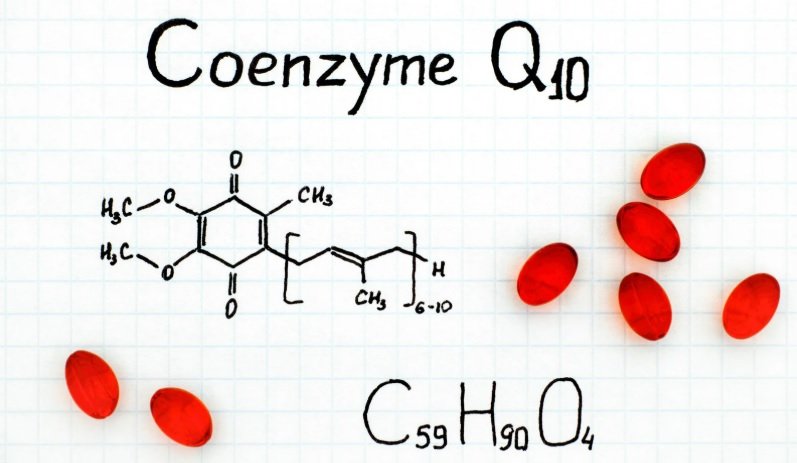
Thinking about supplements during pregnancy and wondering, is CoQ10 safe during pregnancy? Many expecting mothers turn to CoQ10 for its antioxidant benefits, but is it truly safe for you and your baby? Could this popular supplement support your health—or pose risks?
CoQ10 is generally considered safe in moderate doses during pregnancy, but research is still limited. Some studies suggest it may support egg quality and reduce complications like preeclampsia. Dr. Tori Hudson, a respected expert in women’s health, notes that while CoQ10 shows promise, you should always consult your healthcare provider before use.
But safety isn’t the only concern. Want to know the best ways to use CoQ10 during pregnancy, what doses are recommended, and what research really says? Let’s break it all down so you can make the most informed decision for you and your baby.
Can You Take CoQ10 During Pregnancy?
Many women wonder if it’s safe to take CoQ10 during pregnancy, particularly when trying to conceive or during the gestation period. Research suggests that CoQ10 supplementation may be beneficial, especially for women at risk of conditions like pre-eclampsia.
CoQ10, a potent antioxidant, can help combat oxidative stress, which is crucial for maintaining healthy pregnancy outcomes. While some studies indicate that CoQ10 may improve cellular energy production and support fetal development, it is essential to consult with a healthcare provider before adding any supplement to your routine.
Healthcare professionals in the fields of obstetrics and gynecology generally consider CoQ10 to be “possibly safe” during pregnancy. This means that while there is no conclusive evidence indicating harm, more research is needed to fully understand its effects.
Pregnant women should discuss their specific health needs and any potential risks associated with CoQ10 supplementation with their healthcare provider. Ultimately, the decision to take CoQ10 during pregnancy should be made on an individual basis, weighing the benefits against any possible risks.
Is CoQ10 Safe During Pregnancy?
Safety concerns surrounding CoQ10 during pregnancy primarily stem from limited research. While some studies suggest that CoQ10 supplementation can reduce the risk of pre-eclampsia in women at risk, others indicate that its effects on pregnancy outcomes remain inconclusive.
CoQ10 is generally recognized as safe, but it is crucial to consider individual health circumstances. Pregnant women should closely monitor their coenzyme Q10 levels and consult healthcare providers to ensure that their supplementation aligns with their health goals.
Furthermore, understanding the potential effects of CoQ10 on both the mother and fetus is vital. Some studies indicate that CoQ10 may help improve energy levels and reduce fatigue, common complaints during pregnancy.
Additionally, its antioxidant properties might help protect against oxidative damage, potentially benefiting both the mother and baby. However, until more definitive research is conducted, women should approach CoQ10 supplementation thoughtfully and under medical guidance.
How Much CoQ10 Should I Take While Pregnant?
The amount of CoQ10 deemed appropriate during pregnancy can vary based on individual health conditions and nutritional needs. While current recommendations for CoQ10 supplementation during pregnancy are not standardized, many experts suggest a daily dosage ranging from 100 to 300 mg.
This dosage aims to maintain adequate coenzyme Q10 levels and support overall health. However, the specific amount of CoQ10 should be tailored to each woman’s unique situation and health status.
It’s important for pregnant women to engage in discussions with healthcare providers about the appropriate dosage of CoQ10. Factors such as lifestyle, dietary supplements, and existing medical conditions can influence the ideal amount.
Additionally, women should consider any potential interactions with other medications or supplements to ensure their health and the health of their baby. Ultimately, personalized guidance from a medical professional can enhance the safety and effectiveness of CoQ10 supplementation during pregnancy.
When to Stop Taking CoQ10 for Fertility?
Women trying to conceive often question when to stop taking CoQ10 supplements. CoQ10 may enhance fertility by improving sperm quality and egg health, making it a valuable supplement during the preconception phase.
However, once pregnancy is confirmed, the need for CoQ10 may change. Healthcare providers often recommend reassessing the necessity of CoQ10 supplementation during early pregnancy to ensure optimal health for both mother and baby.
For women who have been taking CoQ10 for fertility, it’s essential to consult with healthcare professionals regarding the continuation of the supplement once pregnancy is achieved.
While CoQ10 may still provide benefits during pregnancy, particularly in reducing the risk of complications, the specific requirements can differ. Monitoring Coenzyme Q10 levels and adjusting supplementation based on individual health status can help ensure a healthy pregnancy journey.
Commonly Asked Questions about Coenzyme Q10 Safety (FAQs)
Is it safe to take CoQ10 during the first trimester of pregnancy?
is coq10 safe while pregnant? CoQ10 is considered “possibly safe” during pregnancy, but it’s important to consult with a healthcare provider before starting any supplementation, especially in the first trimester when the fetus is developing rapidly.
Can CoQ10 supplementation help with pregnancy complications?
Some studies suggest that CoQ10 supplementation may improve total CoQ10 levels and potentially reduce the risk of complications such as gestational diabetes mellitus and preeclampsia, but further research is needed.
How does CoQ10 affect coQ10 levels in pregnant women?
During pregnancy, women may experience lower coQ10 levels. Supplementation with CoQ10 can help increase plasma levels of CoQ10, which may benefit both the mother and the developing fetus.
What is the role of CoQ10 in pregnancy?
CoQ10 plays a crucial role in energy production and antioxidant protection, which may improve overall health during pregnancy reduces the risk of certain pregnancy-related conditions.
Should I take a pregnancy test before starting CoQ10 supplements?
If you suspect you might be pregnant, it’s advisable to take a pregnancy test. If you are pregnant, consult a healthcare provider before taking CoQ10 or ubiquinone supplements.
Are there any specific risks associated with taking CoQ10 during pregnancy?
While CoQ10 is considered “possibly safe, potential risks may vary based on individual health conditions. It’s essential to discuss any existing health issues with your healthcare provider, particularly those related to obstetrics and gynecology.
Do CoQ10 gummies have the same benefits as other forms of CoQ10 during pregnancy?
CoQ10 gummies may provide similar benefits as capsules or tablets, but it’s important to check the dosage and consult with a healthcare provider to ensure they are appropriate for use during pregnancy.
Can CoQ10 supplementation reduce the risk of developing gestational diabetes mellitus?
Some evidence suggests that CoQ10 supplementation may reduce the risk of developing gestational diabetes mellitus, particularly in women at increased risk, but more research is needed to confirm these findings.
How long can I take CoQ10 supplements during pregnancy?
The duration of CoQ10 supplementation during pregnancy should be discussed with a healthcare provider, who can provide guidance based on individual health considerations and the specific trimester of pregnancy.
What heart failure drugs are safe during pregnancy?
Safe heart failure drugs in pregnancy include labetalol, methyldopa, and digoxin (monitored). Avoid ACE inhibitors/ARBs. Always consult a cardiologist and OB-GYN for tailored treatment due to fetal risks.
Can you take CoQ10 if you have high blood pressure?
CoQ10 is generally safe for high blood pressure and may even help lower it. However, consult your doctor first—especially if on BP meds—to avoid any side effects.
Does CoQ10 fight free radicals?
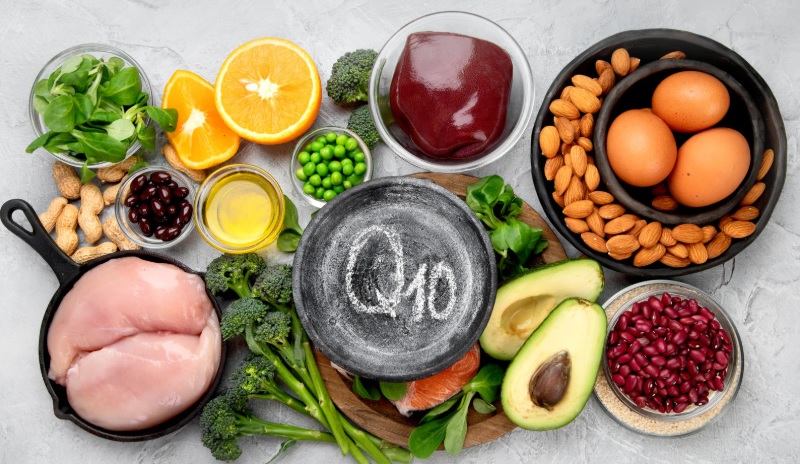
Yes, CoQ10 is a potent antioxidant that fights free radicals, reducing oxidative stress and cell damage. It supports energy production and may slow aging. Boost levels via supplements or foods like fish.
Conclusion
Is coenzyme q10 safe during pregnancy? In summary, the safety of CoQ10 during pregnancy remains a topic of interest and inquiry. While current research indicates that coenzyme q10 CoQ10 supplementation may offer potential benefits, particularly for women at risk of pre-eclampsia, more studies are needed to establish its overall safety and effectiveness. Pregnant women should always consult healthcare providers regarding CoQ10 usage, focusing on personalized health needs and potential risks associated with supplementation.
As with any supplement, individual experiences and health conditions will dictate its appropriateness. Women should remain informed about the current research and make decisions based on thorough discussions with their healthcare team. Ultimately, prioritizing health and safety will help mothers navigate the complexities of pregnancy and supplementation, including the use of CoQ10.
You might also like
- How Much CoQ10 for Fertility: (Dosage Guide & Expert Tips)
- Benefits of Coenzyme Q10 and Fertility (What Science Says)
- Best Tea to Help Get Pregnant Naturally & Fast
- Best Natural Way to Fight Preeclampsia in Pregnancy (Tested)