What is DPO in pregnancy, and why does it matter so much when you’re trying to conceive? Have you come across this term in fertility forums or while tracking ovulation and wondered what it really means? If you’re on your TTC journey, understanding DPO can make all the difference. So, what exactly is DPO?
DPO stands for “Days Past Ovulation.” It marks the number of days since ovulation occurred—crucial for timing pregnancy tests and spotting early symptoms. For instance, at 6–8 DPO, implantation might begin, while at 12–14 DPO, many women take pregnancy tests. This guide will break down each stage, symptoms, and how experts like Dr. Serena Chen interpret DPO’s role in early pregnancy detection.
But that’s just the start of your learning. Curious to know how DPO affects your chances of getting that positive result? Let’s explore the science, the signs, and everything else you need to track and understand what is dpo pregnancy like a pro.
What Is DPO in Pregnancy?
DPO stands for “days past ovulation,” which refers to the time elapsed since ovulation occurred in a woman’s menstrual cycle. This timeframe is critical for anyone trying to conceive, as it indicates the potential for pregnancy following the fertilization of an egg.
Typically, this period ranges from 1 DPO to about 14 DPO, at which point, individuals often begin to experience various symptoms related to pregnancy or menstruation.
Understanding your DPO can provide insight into your fertility and can help you better predict when to take a pregnancy test. By knowing your DPO, you can better assess whether you might be pregnant or if you should expect your period soon.
Tracking your DPO involves noting the day of ovulation and counting the days following that event. For those trying to conceive, this means paying attention to specific symptoms and changes in the body that occur post ovulation.
With each passing day, the likelihood of detecting the pregnancy hormone hCG increases if conception has occurred. Therefore, understanding DPO is essential for interpreting various signs of pregnancy accurately and timing when to take a pregnancy test effectively. Many find that observing changes in their body during this window can provide early insights into their reproductive health.
Pregnancy Symptoms After Ovulation, Days Past Ovulation (DPO)
After ovulation, if fertilization and implantation occur, some women may begin to notice early signs of pregnancy within a few days. These symptoms are linked to rising levels of hormones such as progesterone and, later, hCG (human chorionic gonadotropin). Here’s a day-by-day breakdown of possible pregnancy symptoms after ovulation (DPO = Days Past Ovulation):
1–3 DPO:
- What’s happening:
- Ovulation has just occurred. The egg is fertilized (if sperm is present) and begins its journey down the fallopian tube.
- Symptoms:
- Usually no noticeable symptoms related to pregnancy yet. Any signs are due to ovulation itself (e.g., mild cramping, breast tenderness).
4–6 DPO:
- What’s happening:
- A fertilized egg may be traveling toward the uterus.
- Symptoms:
- Most women will not feel any pregnancy symptoms yet. Progesterone remains high and may cause symptoms similar to PMS:
- Bloating
- Fatigue
- Mood swings
- Breast tenderness
7–10 DPO: (Possible Implantation Window)
- What’s happening:
- The embryo may implant in the uterine lining. This can trigger the production of hCG.
- Symptoms:
- Implantation spotting: Light pink or brown spotting for 1–2 days
- Mild cramping
- Fatigue
- Increased basal body temperature
- Mood changes
- Slight nausea or food aversions (rare this early)
11–14 DPO:
- What’s happening:
- If implantation occurred, hCG levels start rising significantly. Early pregnancy tests may detect it.
- Symptoms:
- Missed period (around 14 DPO)
- Nausea or morning sickness
- Breast fullness or tenderness
- Increased urination
- Heightened sense of smell
- Metallic taste in mouth
- Mild pelvic or back pain
Important Notes:
- Symptoms vary greatly: Not all women experience symptoms, and many early pregnancy signs mimic PMS.
- Implantation usually occurs between 6–12 DPO.
- Best time to take a pregnancy test: Around 14 DPO or after a missed period for the most accurate result.
Tracking symptoms after ovulation can be helpful, but it’s not a guaranteed way to confirm pregnancy. The most reliable confirmation comes from a positive pregnancy test and a follow-up with a healthcare provider. If you’re actively trying to conceive, stay patient and listen to your body, but avoid over-analyzing every twinge—easier said than done, but important for your peace of mind.
DPO Symptoms: What if You’re Not Pregnant?
It’s critical to note that not all DPO symptoms indicate pregnancy. Many women may experience symptoms such as cramping, mood swings, or changes in appetite even when they are not pregnant. This can be due to the hormonal fluctuations that occur during the menstrual cycle.
For instance, premenstrual syndrome (PMS) can mirror early pregnancy symptoms, creating confusion for those trying to conceive. If you find yourself experiencing DPO symptoms but later receive a negative pregnancy test, it may be a sign that your body is preparing for menstruation.
Moreover, understanding that a negative test result does not automatically mean you’re not pregnant is essential. Sometimes, chemical pregnancies can occur, which may lead to early pregnancy symptoms followed by a negative pregnancy test.
If you are at 12 DPO and still unsure, it might be worth waiting a few more days before taking another test, as hormone levels may not yet be detectable in your urine. This wait can be challenging, but it’s crucial to give your body time to produce adequate levels of the pregnancy hormone for a more accurate test result.
Common Early Pregnancy Symptoms
Early pregnancy symptoms can begin as soon as a week after conception, although some women may not notice any signs until a missed period or later. These symptoms are primarily caused by hormonal changes, especially rising levels of hCG, progesterone, and estrogen.
Most Common Early Pregnancy Symptoms
1. Missed Period
- Often the first noticeable sign of pregnancy.
- Especially significant for women with regular menstrual cycles.
2. Fatigue
- Caused by increased progesterone levels and changes in metabolism.
- You may feel unusually tired even with adequate rest.
3. Breast Changes
- Soreness, tenderness, or swelling.
- Darkening of the areolas or more visible veins on the breasts.
4. Nausea (Morning Sickness)
- Can occur at any time of day.
- Usually begins around week 6, but some women feel queasy earlier.
5. Frequent Urination
- Hormonal changes and increased blood flow to the kidneys cause you to urinate more often.
6. Food Aversions or Cravings
- Sudden dislike for certain foods or intense cravings.
- Often influenced by hormonal changes affecting taste and smell.
7. Mood Swings
- Emotional highs and lows due to shifting hormones.
8. Mild Cramping and Spotting (Implantation)
- Light spotting (implantation bleeding) and mild cramps can occur 6–12 days after ovulation.
9. Bloating
- Similar to PMS bloating, caused by increased progesterone slowing digestion.
10. Headaches
- Hormonal shifts and increased blood volume may trigger headaches in early pregnancy.
11. Constipation
- Progesterone slows the digestive tract, leading to fewer bowel movements.
12. Increased Basal Body Temperature
- If you’ve been charting your temperature, a sustained rise may indicate pregnancy.
Less Common Symptoms
- Metallic taste in the mouth
- Dizziness or lightheadedness
- Nasal congestion
- Acne or skin changes
The most common acronyms and abbreviations when you’re trying to conceive
When you’re trying to conceive, you’ll encounter various acronyms and abbreviations that are essential for understanding fertility and pregnancy. Some of the most common terms include DPO, which stands for days past ovulation, and HCG, the pregnancy hormone detected in pregnancy tests.
Another term you’ll likely come across is TTC, which means trying to conceive. Familiarizing yourself with these acronyms can help streamline your journey and facilitate communication with healthcare professionals.
Additionally, recognizing terms like OPK (ovulation predictor kit) and BBT (basal body temperature) can enhance your understanding of your fertility cycle. Tracking these aspects can give you a clearer picture of when you ovulate, helping you determine your DPO accurately.
Many find that keeping a journal of these terms along with their definitions can serve as an invaluable resource while navigating the complex world of conception. By being well-versed in these common acronyms, you can better equip yourself for discussions about fertility and pregnancy testing.
When To Take a Pregnancy Test?
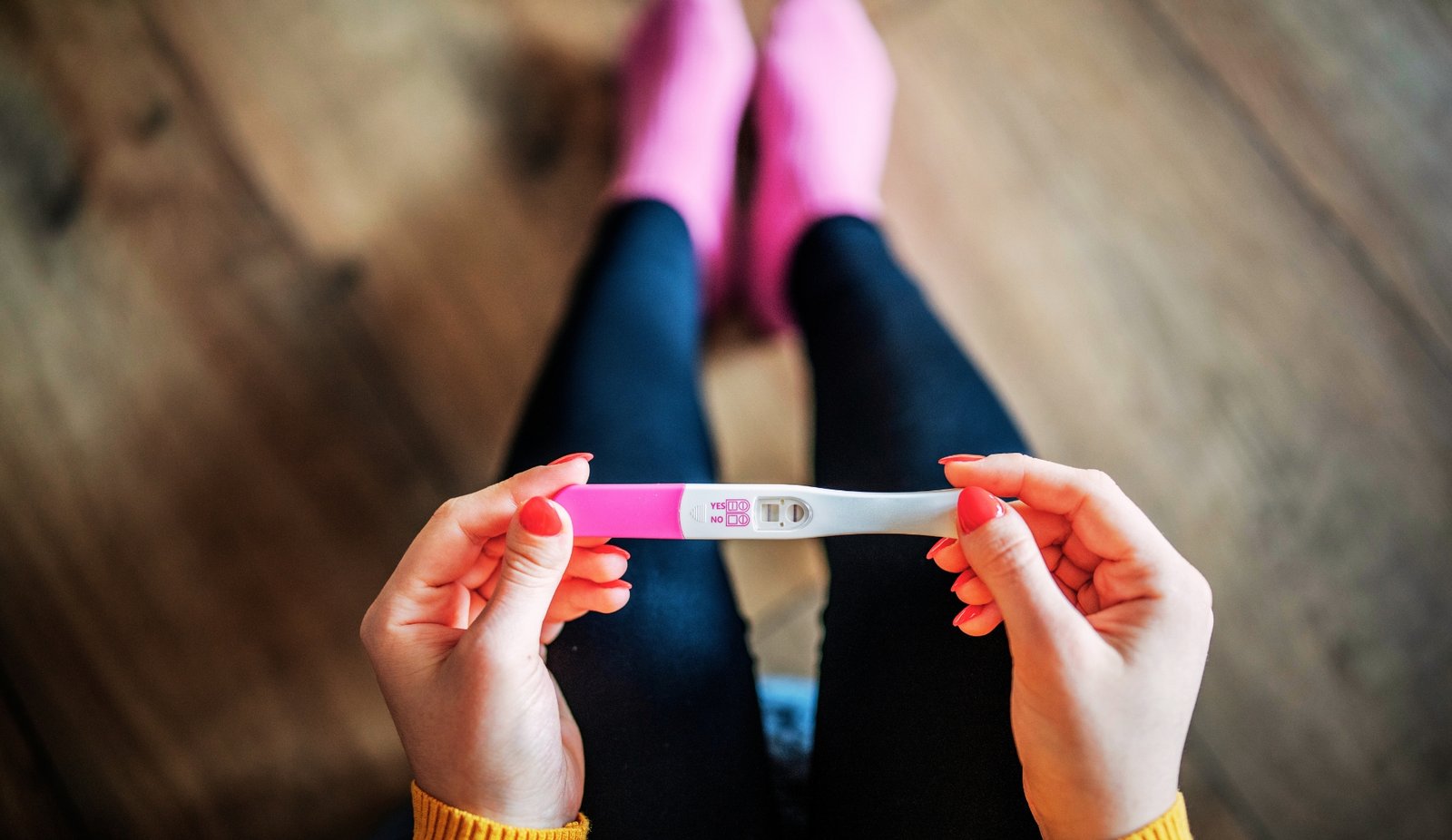
Knowing when to take a pregnancy test is crucial for accurate results. Most home pregnancy tests are designed to detect hCG, which typically becomes detectable around the time of a missed period, generally 14 DPO. However, some sensitive tests can provide a positive result as early as 10 DPO.
To increase your chances of getting a positive test result, it is advisable to wait until at least 12 DPO for the best accuracy. Testing too early can lead to a negative result, even if you are pregnant, due to insufficient hormone levels.
Timing matters not only in testing but also in understanding your body’s signals. If you notice early pregnancy symptoms and suspect you might be pregnant, waiting until at least the first day of your missed period can provide more reliable results.
However, if you can’t wait, using a highly sensitive home pregnancy test a few days before your expected period could still yield a positive result if you are pregnant. Ultimately, understanding when to test can greatly enhance your experience while trying to conceive and help you make informed decisions about your reproductive health.
Do this Next if You Get a Negative Pregnancy Test
Receiving a negative pregnancy test can be disheartening, especially if you have been tracking your DPO and experiencing symptoms. However, it’s essential to remember that a negative test does not always mean you’re not pregnant.
If you suspect you might be pregnant but receive a negative result, consider waiting a few more days and then testing again. Hormone levels can vary, and testing too early may yield a false negative, particularly if you are only at 10 DPO or 12 DPO.
Moreover, if you continue to experience symptoms of pregnancy after a negative test, it’s wise to consult your healthcare provider. They may recommend a blood test, which can detect pregnancy hormones earlier than a home pregnancy test.
Additionally, if you have had a recent chemical pregnancy or irregular cycles, your doctor can provide guidance tailored to your situation. Taking proactive steps following a negative pregnancy test can help you navigate your fertility journey more effectively and provide clarity on your next steps.
Commonly Asked Questions about DPO Meaning Fertility (FAQs)
Is a Faint Line On a Pregnancy Test Considered Positive?
Yes, a faint line on a pregnancy test is usually positive, indicating early hCG detection. Retest in 2-3 days for darker results. Always confirm with a doctor.
What does it mean to be 14 DPO?
4 DPO (days past ovulation) means you’re likely near your expected period. A pregnancy test is now accurate—if positive, implantation occurred. If negative, ovulation may have been later.
Is a pregnancy test at 6 to 8 DPO reliable?
A test for pregnancy at 6-8 DPO is often unreliable—hCG levels may be too low. For accurate results, wait until 12-14 DPO or after a missed period.
What are 5 DPO symptoms?
DPO symptoms days post ovulation, trying to get pregnant: Mild cramping, light spotting, breast tenderness, fatigue, and heightened sense of smell. Early signs but not definitive for pregnancy. Wait for a missed period.
Is a pregnancy test at 5 DPO reliable?
Pregnancy test at 5 DPO? No, it’s too early. Implantation likely hasn’t occurred yet. Wait until 12-14 DPO for accurate results if you experience pregnancy symptoms. Early at-home pregnancy tests may show false negatives.
Is a pregnancy test at 8 to 10 DPO reliable?
A pregnancy test at 8–10 DPO may detect early pregnancy, but results aren’t always reliable due to low hCG levels. For accuracy, test at 12–14 DPO or after a missed period.
What are the common symptoms during the two week wait?
Common two-week wait symptoms include mild cramping, breast tenderness, fatigue, mood swings, spotting, and bloating. These can mimic PMS, so only a pregnancy test confirms pregnancy after a missed period.
What happens in the luteal phase?
The luteal phase occurs after ovulation, lasting 10–16 days. The corpus luteum produces progesterone to thicken the uterine lining for possible implantation. If no pregnancy occurs, progesterone drops, triggering menstruation.
Conclusion
What is a dpo in pregnancy? Understanding DPO in pregnancy and its implications can significantly impact your journey if you are trying to conceive. Monitoring your days past ovulation helps you identify early pregnancy symptoms and determine the best time to take a pregnancy test. While DPO can provide valuable insights, it is essential to remember that not all symptoms indicate pregnancy, and negative test results can happen even if you are pregnant. By staying informed and proactive, you can enhance your chances of getting a positive result and better understand your body’s signals during this critical time.
Ultimately, the journey of trying to conceive can be filled with ups and downs. By recognizing the importance of DPO and being mindful of the signs your body displays, you can navigate this experience with confidence. Early detection through understanding DPO and its related symptoms can empower you in your journey towards parenthood. Whether you ultimately receive a positive or negative test result, the knowledge gained during this process is invaluable and can guide you in your future reproductive health decisions.
Recommended posts
- Does Folic Acid Help in Conceiving a Healthy Baby (Advice)
- Can Ovarian Cyst Cause Infertility: (Causes & Treatments)
- Conceiving After Miscarriage Tips: How to Boost Your Chances
- Does Mucinex Help You Get Pregnant? (Facts and Myths)
- Proven Tips for Pregnancy After Chemical Pregnancy
- Brown Discharge While Ovulating: Is it Normal & What to Do?
- Feeling Nausea While Ovulating – Is It a Sign of Fertility?
- Is Sore Boobs After Ovulation a Sign of pregnancy?
- Constipation During Ovulation? Why It Happens & What to Do
- Pregnancy Test at 7 Dpo: Accuracy, Symptoms & What to Expect?