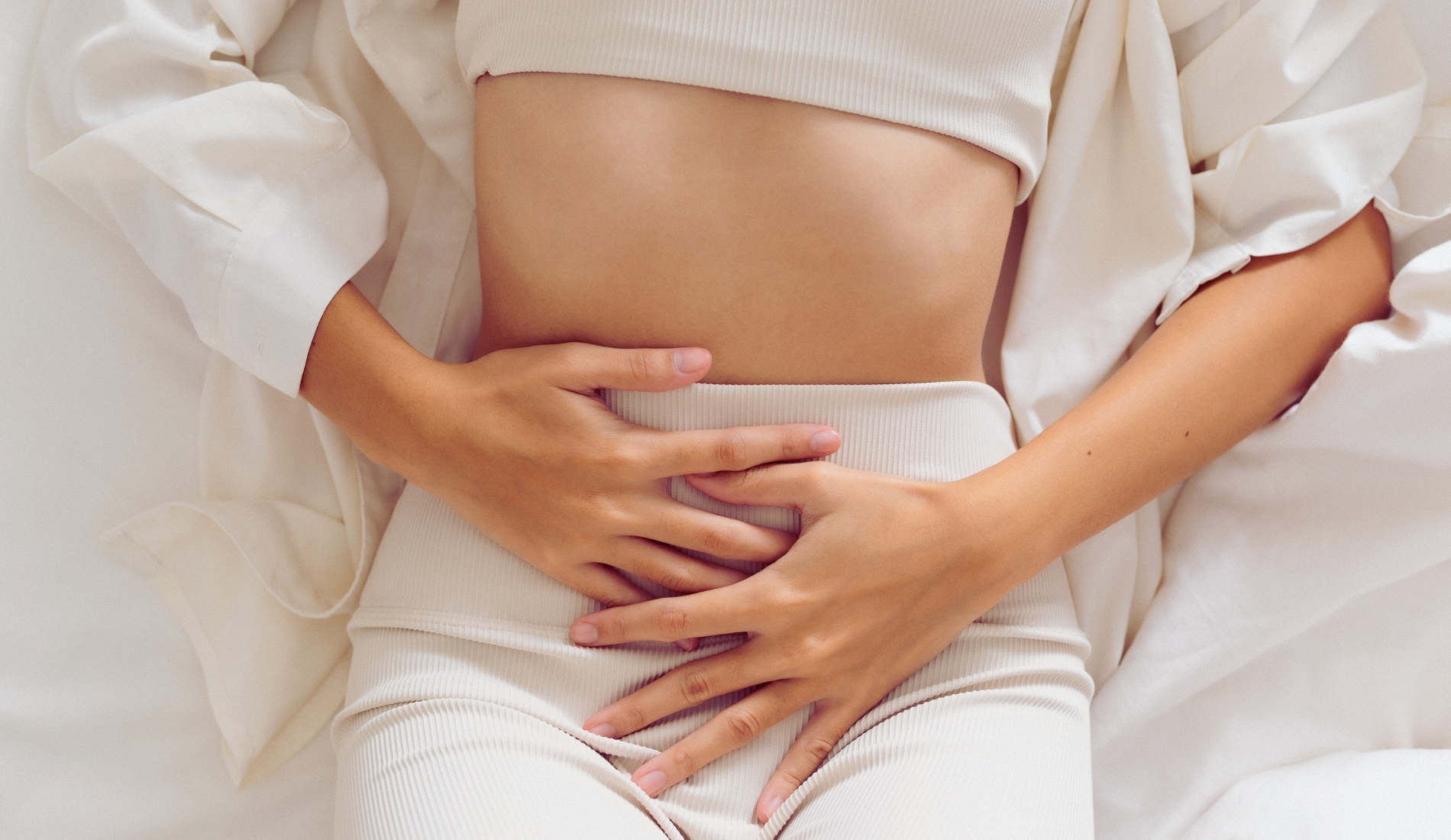
Are painful periods a sign of good fertility? Many women wonder if the intensity of their menstrual cramps could actually be a hidden indicator of reproductive strength. Could those monthly aches mean your body is working just as it should? Let’s uncover the truth behind this commonly asked question.
Painful periods don’t directly mean high fertility. While some underlying causes of pain—like ovulatory cycles—do relate to fertility, others, such as endometriosis, can harm it. According to Dr. Mary Jane Minkin, a Yale School of Medicine OB-GYN, the relationship between period pain and fertility is complex and case-specific.
There’s a lot more to know beyond the myths and assumptions. Do cramps signal a healthy ovulation process, or are they a red flag for deeper issues? Let’s dive deeper into the science, expert insights, and what it really means for your fertility health.
Are Periods Linked to Fertility?
The menstrual cycle plays a crucial role in the reproductive health of women. It is directly linked to fertility, as it prepares the uterus for potential implantation of a fertilized egg. Each month, the uterine lining thickens, and if there is no pregnancy, this lining is shed during menstruation.
Regular periods can indicate that a woman is ovulating and has a healthy reproductive system. However, irregular periods may signal underlying fertility issues that could impact the ability to get pregnant. Conditions such as polycystic ovary syndrome (PCOS) or hormonal imbalances can disrupt the cycle, leading to challenges in conceiving.
Moreover, understanding the timing of the menstrual cycle is vital as it defines the fertile window when a woman is most likely to conceive. Tracking ovulation can provide insights into fertility health, making it easier to identify if there are any abnormalities. Thus, while periods are indeed linked to fertility, they serve as an indicator of overall reproductive health rather than a definitive measure of one’s ability to conceive.
Are Painful Periods a Sign of Good Fertility?
Many women wonder if painful periods indicate good fertility. While some degree of menstrual pain is common, severe menstrual cramps and pain can be a sign of underlying issues such as endometriosis or fibroids. These conditions can cause inflammation, pelvic pain, and may even lead to infertility.
Therefore, while some women with painful periods may still be fertile, for others, these symptoms could indicate a fertility problem. It is essential to differentiate between typical menstrual discomfort and severe pain that could signify a more serious condition affecting the uterus or ovaries.
In fact, painful periods should not be misconstrued as a sign of good fertility. Instead, they may serve as a warning signal to examine one’s reproductive health more closely. If painful menstrual cramps are frequent, consulting a healthcare provider is advisable. Only through proper diagnosis can one determine whether the pain is a symptom of good fertility or an underlying issue that needs treatment.
How Periods Relate to Fertility?
The relationship between periods and fertility is intricate. Regular menstrual cycles typically indicate that a woman is ovulating, which is essential for conception. During menstruation, the shedding of the uterine lining occurs to prepare for a new cycle.
However, if a woman experiences irregular periods or severe menstrual pain, it could indicate potential fertility issues. Conditions such as pelvic inflammatory disease pid can disrupt the normal menstrual flow and impact overall reproductive health. Maintaining a healthy menstrual cycle is vital for those looking to become pregnant.
Additionally, painful periods can be linked to conditions that may affect fertility. For example, endometriosis can lead to scarring and inflammation around the ovaries and fallopian tubes, making it more challenging to conceive.
Thus, understanding the health of the menstrual cycle can provide valuable insights into one’s fertility status. Women should monitor their periods closely, paying attention to any changes in flow, duration, or associated pain, as these factors can provide clues about their reproductive health.
The Menstrual Cycle And Fertility Explained
The menstrual cycle consists of several phases: menstruation, the follicular phase, ovulation, and the luteal phase. Understanding these phases is essential for grasping how they relate to fertility. During the follicular phase, follicles in the ovaries mature, and one dominant follicle is selected for ovulation.
Ovulation is critical because it is the time when a woman is most fertile, and sperm can fertilize the egg. If fertilization occurs, the uterine lining prepares for implantation; if not, menstruation follows. Thus, each phase of the menstrual cycle plays a pivotal role in determining fertility.
Moreover, disruptions in any phase can lead to fertility problems. For instance, hormonal imbalances may cause irregular cycles, while painful periods could indicate underlying reproductive health issues.
Understanding the menstrual cycle can empower women to track their fertility and recognize when something might be amiss. If menstrual cycles are consistently irregular or accompanied by severe pain, it is crucial to consult a healthcare provider to explore possible underlying causes that may affect fertility.
Can You Get Pregnant Right After Periods?
Many women wonder if it is possible to get pregnant right after their periods. The answer is yes, although the chances are relatively low. The menstrual cycle’s timing varies among women, and sperm can survive in the female reproductive tract for several days.
If a woman has a shorter cycle, ovulation could occur shortly after menstruation, making it possible to conceive even shortly after the period ends. Therefore, understanding one’s cycle can significantly enhance the chances of becoming pregnant.
However, the fertile window typically occurs a few days leading up to and including ovulation. Engaging in intercourse during this time increases the likelihood of sperm meeting the egg.
Women looking to enhance their chances of conception should track their menstrual cycles and ovulation patterns carefully. Although it is possible to conceive right after periods, women should be aware of their unique cycles and ovulation to maximize their chances of getting pregnant.
Can Painful Periods be a Sign of Infertility?
Painful periods can indeed be a sign of infertility in some women. Conditions that cause severe menstrual pain, such as endometriosis or fibroids, can disrupt the reproductive system. Endometriosis occurs when tissue similar to the uterine lining grows outside the uterus, leading to chronic pelvic pain and potentially affecting fertility.
Similarly, fibroids can create an environment in the uterus that is less conducive to implantation. Therefore, painful periods should not be dismissed as a normal part of menstruation but rather evaluated as possible indicators of fertility issues.
Women experiencing severe menstrual pain, particularly if accompanied by other symptoms such as irregular periods or pelvic discomfort during sex, should consider consulting a healthcare provider.
Early diagnosis can help identify any underlying issues that may affect fertility, allowing for timely intervention. Recognizing that painful periods can indicate potential infertility is crucial for women who are planning to conceive or are experiencing difficulty in getting pregnant.
When to See a Doctor for Treating Fibroids?
It is essential to know when to seek medical advice regarding fibroids, especially if they are causing painful periods. If you experience severe menstrual pain, prolonged bleeding, or symptoms such as pelvic pain, it is advisable to consult a healthcare provider.
They can perform examinations and imaging to assess the presence of fibroids and determine the appropriate treatment. In some cases, fibroids can lead to complications that affect fertility, making timely intervention crucial.
Additionally, if the painful menstrual cramps interfere with daily activities or are accompanied by other symptoms, such as pain during sex or significant changes in your menstrual cycle, seeking medical help is essential.
A healthcare professional can provide guidance on managing pain relief and discuss options for treatment that may improve reproductive health. Understanding the importance of addressing fibroids and other underlying issues can significantly impact a woman’s overall fertility journey.
Commonly Asked Questions about Period Pain and Fertility (FAQs)
Do Painful Periods Mean Good Fertility?
Painful periods (dysmenorrhea) don’t necessarily mean good fertility. While ovulation can cause mild cramps, severe pain may signal conditions like endometriosis, which can harm fertility. Consult a doctor if concerned.
Can menstrual pain be linked to fertility issues?
Severe period pain can be a sign of an underlying condition like endometriosis or fibroids, which may affect fertility. Consult a doctor if pain disrupts daily life.
What causes painful periods?
Painful cramps during periods are often caused by prostaglandins, ectopic pregnancy, which trigger uterine contractions. Conditions like endometriosis, fibroids, or infections can also worsen pain. Severe pain may need medical evaluation.
How To Confirm Whether Sperm Went Inside?
To confirm if sperm entered, check for semen leakage or take a fertility test later. Tracking ovulation and a healthy lifestyle can improve fertility and conception chances.
What causes menstrual pain?
Menstrual pain is caused by uterine contractions triggered by prostaglandins, hormones that help shed the lining. Cramps, inflammation, and reduced blood flow contribute to the discomfort during periods.
Is there a link between painful periods and fertility?
Painful periods (primary dysmenorrhea) can sometimes indicate conditions like endometriosis or uterine fibroids, which may affect fertility. However, not all painful periods lead to infertility. Consult a doctor for evaluation.
What else can I do to increase my chances of getting pregnant?
Track ovulation, maintain a healthy weight, reduce stress, avoid smoking/alcohol, eat a balanced diet, exercise moderately, and have regular intercourse during fertile days. Consult a doctor if concerns persist.
How IVF London is working to overcome fertility problems?
IVF London offers advanced fertility treatments like IVF, ICSI, and egg freezing. Their expert clinics use cutting-edge technology and personalized care to help patients overcome infertility and achieve successful pregnancies.
What are the symptoms of being fertile?
Signs of fertility include regular menstrual cycles, clear egg-white cervical mucus, mild ovulation pain, increased libido, and a slight rise in basal body temperature mid-cycle.
What is the best type of birth control?
The best birth control depends on your needs. Options like IUDs (long-term), pills (daily), or condoms (STI protection) vary in effectiveness, convenience, and side effects. Consult a doctor for personalized advice.
Conclusion
In conclusion, while painful periods are a common experience for many women, they are not necessarily a sign of good fertility. Instead, they can indicate underlying issues that may affect reproductive health. Understanding how periods relate to fertility is crucial for women who wish to conceive. Regular monitoring of menstrual health and awareness of any unusual symptoms can help identify potential fertility problems early on. If you experience severe menstrual pain or irregular cycles, it is essential to talk to your doctor to explore possible causes and treatment options. Taking proactive steps can enhance your reproductive health and improve your chances of becoming pregnant.
You might also like
- Maximum Delay Periods If Not Pregnant (Here’s What to Do)
- How to Boost Fertility in Your 30s Naturally and Safely
- Can Plan B Affect Fertility! (Is There a Real Risk?)
- 5 Symptoms of Ectopic Pregnancy with IUD (Shouldn’t Ignore)