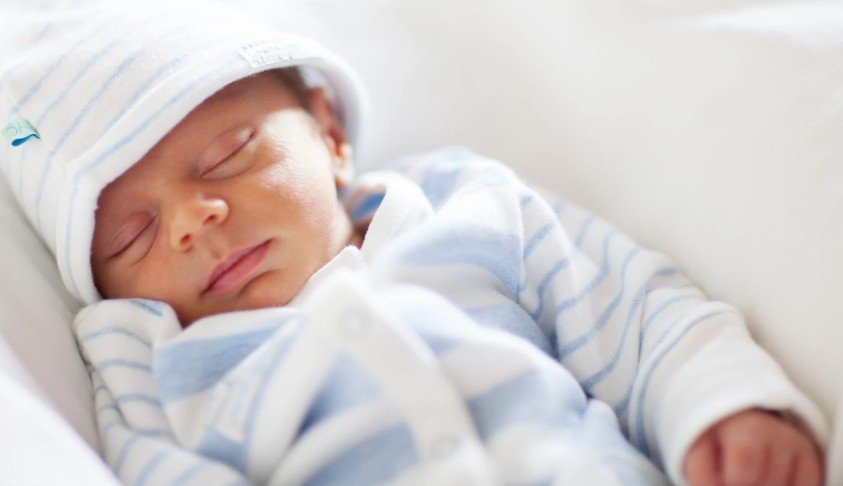
Thinking about adopting a child in Florida? Do you know what steps you need to take, and what legal requirements you must meet? Whether you’re starting a family or expanding one, adoption in Florida offers a path filled with hope, but it comes with its own challenges and processes.
Florida’s adoption process includes home studies, background checks, and matching with the right child through licensed agencies or the state’s foster care system. You’ll also learn about open vs. closed adoptions, court procedures, and post-adoption support. Experts like Jeanne Tate, a nationally recognized adoption attorney in Florida, emphasize the importance of legal clarity and emotional readiness.
But there’s much more to understand about timelines, eligibility, and costs. Ready to explore the full journey and expert tips for adopting a child in Florida? Let’s walk through the essential steps that make this life-changing decision a reality.
How to Adopt a Child in Florida?
The process of adopting a child in Florida begins with understanding the various pathways available. Prospective adoptive parents can choose to adopt through the Florida Department of Children and Families (DCF), a licensed adoption agency, or even private agencies.
Each route offers unique benefits, including access to a wider range of available children for adoption. Interested individuals should first attend adoption orientation sessions, which provide essential adoption information and outline the steps involved in the adoption process. Following orientation, the next step is to complete an application, undergo a home study, and prepare for the placement of a child.
Once the application is approved, the journey toward becoming an adoptive parent continues with training sessions, where potential parents learn about the emotional and psychological needs of children in foster care. This training equips them with the necessary skills to create a nurturing environment.
As part of the process, prospective parents are encouraged to engage with the community and local support networks, which can provide invaluable assistance during and after the adoption process. Ultimately, the goal is to ensure a smooth transition for both the child and the adoptive family.
Remember: If you are thinking about adopting a child, so please contact to Florida’s Adoption Information Center at 1-800-96-ADOPT.
Requirements for Adopting a Child in Florida:
To adopt a child in Florida, there are specific eligibility requirements set forth by the Florida Department of Children and Families. Prospective adoptive parents must be at least 18 years old, pass background checks, and demonstrate the ability to provide a stable home environment.
Additionally, individuals must complete a home study, which evaluates their readiness and suitability for adoption. This assessment includes interviews, home inspections, and financial evaluations to ensure that the prospective parents can meet the needs of the child.
Furthermore, a significant aspect of the requirements includes understanding the emotional and mental health needs of children in foster care. Adoptive parents should be prepared for the unique challenges that may arise during the placement and adjustment phases.
The state of Florida also emphasizes the importance of post-adoption support services, which are vital for both the adoptive family and the child to thrive long-term. Such services can include counseling and access to parent resources that address the diverse needs of adopted children.
Foster and Adoption Licensing Requirements
Florida’s foster care system plays a crucial role in the adoption process, as many children available for adoption come from foster care. To become a licensed foster parent, individuals must meet specific criteria, including age, background checks, and completion of training programs.
This licensing process ensures that foster families are equipped to provide a safe and nurturing environment for children until they can be adopted. Potential foster parents undergo a rigorous evaluation to assess their suitability for fostering and ultimately adopting a child. This includes a thorough review of their living situation, financial stability, and emotional readiness.
Agencies often collaborate with the Department of Children and Families to provide training and support for foster parents, helping them navigate the complexities of caring for children with diverse backgrounds and needs. By meeting these licensing requirements, foster parents can transition to becoming adoptive parents, offering a forever family to children in need.
How Much Is It to Adopt a Child in Florida?
The cost of adopting a child in Florida can vary significantly depending on the route chosen. Adoptions through the Florida Department of Children and Families are generally less expensive than private agency adoptions, as the state often covers many associated fees.

However, prospective adoptive parents should be aware of potential expenses such as legal fees, home study costs, and any required training sessions. For those considering private agency adoptions, the financial commitment can be more substantial, often including care agency fees, birth parent expenses, and additional legal costs.
It is essential to budget for these expenses and explore available financial assistance options, such as the adoption tax credit, which can help offset some of the costs involved in the adoption process. Understanding the financial implications of adoption is crucial for prospective adoptive families to ensure they are prepared for the journey ahead.
General Adoption Information
Adoption is a complex process that involves various steps and considerations, particularly in Florida. The state’s Department of Children and Families provides a wealth of adoption information to guide prospective parents through the process.
Interested individuals can find resources online, attend information sessions, and connect with adoption specialists who can answer questions and provide support. Understanding the legal aspects of the adoption process is also essential, as it ensures that all necessary paperwork is completed correctly and timely.
It is important for adoptive parents to familiarize themselves with the differences between open and closed adoptions, as these choices can significantly impact the child’s relationship with their birth family. Open adoptions allow for ongoing contact with birth parents, while closed adoptions typically do not share any identifying information.
Each option has its benefits and challenges, and adoptive families should carefully consider which path aligns best with their values and the child’s needs. Additionally, knowing about post-adoption support services is vital for the long-term success of the adoption.
How Does an Agency Or Intermediary Help Adoptive Parents?
Adoption agencies and intermediaries play a pivotal role in the adoption process, serving as a bridge between prospective adoptive parents and children needing homes. These licensed adoption agencies provide comprehensive support, including home studies, training, and matching services.
They help facilitate communication between adoptive parents and birth parents, ensuring that everyone involved understands their roles and rights throughout the adoption journey.
Agencies also offer valuable resources and post-adoption support services, which can be crucial for families as they navigate the challenges of integrating a new child into their home. These services can include counseling for both the child and the adoptive parents, as well as workshops that address various aspects of parenting adopted children.
By partnering with a licensed agency, adoptive families can feel more confident in their decisions and equipped to provide a loving, supportive environment for their new family member.
10 Traits of Successful Adoptive Families
Successful adoptive families often share a combination of emotional, relational, and practical traits that help them navigate the unique dynamics of adoption. Here are key traits commonly found in thriving adoptive families:
1. Strong Communication Skills
- Open, honest, and age-appropriate discussions about adoption.
- Willingness to talk about difficult topics like identity, birth families, and trauma.
- Active listening and validation of the child’s feelings.
2. Flexibility and Patience
- Understanding that adoptive parenting may not follow a typical trajectory.
- Willingness to adapt expectations and parenting styles based on the child’s needs.
- Patience with the child’s emotional or behavioral challenges, especially if there’s a history of trauma.
3. Emotional Resilience
- Ability to manage their own emotions while supporting the child’s healing process.
- Persistence through setbacks or slow progress.
- Capacity to cope with uncertainty, especially in open or international adoptions.
4. Commitment and Stability
- A deep, unconditional commitment to the child.
- Providing a stable, consistent, and nurturing environment.
- Long-term view of the adoption relationship, beyond the legal process.
5. Strong Support System
- Connections with extended family, friends, or community who support the adoption.
- Willingness to seek professional help when needed (e.g., therapy, support groups).
- Engagement with other adoptive families for shared experiences and advice.
6. Cultural and Identity Awareness
- Respect and support for the child’s cultural, racial, or ethnic background.
- Efforts to help the child develop a positive identity.
- Education on and celebration of the child’s heritage.
7. Understanding of Trauma and Loss
- Awareness of how early life experiences affect behavior and development.
- Trauma-informed parenting practices.
- Sensitivity to the loss of the child and family identity.
8. Education and Advocacy
- Ongoing learning about adoption issues, child development, and trauma.
- Advocacy for the child’s needs in schools, healthcare, and the community.
- Proactive in finding resources and support tailored to adoptive families.
9. Healthy Boundaries
- Managing relationships with birth families (in open adoptions) with respect and clarity.
- Creating secure, safe limits for behavior while remaining nurturing and supportive.
- Balancing protectiveness with encouragement of independence.
10. Love and Empathy
- Genuine affection and child welfare.
- Ability to see the world through the child’s eyes.
- Building trust through consistent, compassionate caregiving.
Conclusion
Adopting a child in Florida is a fulfilling journey that requires careful planning and understanding of the requirements involved. By familiarizing themselves with the adoption process, prospective parents can ensure they are well-prepared for the challenges and rewards of creating a forever family. With the support of licensed agencies, the Department of Children and Families, and community resources, adoptive families can navigate the complexities of adoption with confidence. Ultimately, the commitment to providing a loving and stable home is what truly makes the difference in the lives of children awaiting adoption in Florida.
Recommended posts
- How Much Do Foster Parents Get Paid Monthly (Per Child)
- Single Parent Adoption: Steps, Support, and Success Stories