Adopting an older child—have you ever considered the powerful impact it could make? While many people picture babies when they think of adoption, thousands of older children are still waiting for permanent homes. Could your heart and home be the one they need?
Older child adoption comes with unique rewards and challenges. This article explores what to expect when adopting a child over age five, how to build trust and attachment, and the support services available to help families thrive. We also share inspiring stories from parents who’ve walked this path.
Dr. Karyn Purvis, a respected voice in child development and adoption, said, “Every child who’s experienced loss needs to know they’re precious.” So if you’re ready to provide love, structure, and second chances, let’s discover what it truly means to adopt an older child.
Realities of Adopting an Older Child – What to Expect?
When you Considering Adoption, it is essential to recognize the complexities involved in their backgrounds. Many older adopted children may have experienced trauma, neglect, or abandonment, which can affect their behavior and emotional responses.
Adoptive families need to approach these children with empathy, understanding that their past experiences can influence their attachment styles and interactions. Additionally, older children may have established coping mechanisms that might manifest as anger or withdrawal. This can be particularly challenging for adoptive parents who are trying to build a connection with their new child.
Moreover, older children often come with their own unique set of expectations and desires. They may have formed bonds with previous caregivers, whether in foster care or other placements, leading to feelings of loss during the transition.
Adoptive families should be prepared to support their child through the grief of leaving behind familiar environments and possibly even birth parents. Understanding these realities can help parents foster a sense of security and belonging, which is crucial for healing and forming a new family dynamic.
Remember: Youth who age out of foster care system often face a unique set of challenges as they transition into adulthood. Many of these high school teens have experienced instability, trauma, and a lack of consistent support throughout their lives, which can complicate their journey to independence.
How Much Does It Cost to Adopt an Older Child?
The financial aspect of adopting an older child can vary significantly depending on the adoption agency and the specific circumstances surrounding the child. In many cases, adopting through the foster system can be less expensive than international adoption, as many youth in foster care are available for adoption without the high fees associated with private agencies.
However, there can still be costs involved, such as legal fees, home study expenses, and therapy for trauma-related issues that the child may face. It’s essential for prospective adoptive families to budget accordingly and explore potential financial assistance programs.
Additionally, some states offer subsidies for families who adopt older children from the foster care adoption program, which can help ease the financial burden. Families should research their options and speak with social workers about the support available to them. Understanding the costs associated with adopting an older child is a vital step in the preparation process, allowing families to focus on building a loving and supportive environment for their new family member.
Adopt an Older Child, How to Prepare?
Preparing to adopt an older child requires a multifaceted approach that includes emotional, educational, and practical preparations. First, prospective adoptive parents should educate themselves about the unique challenges faced by older adopted children, including trauma and attachment issues.
Engaging with books, workshops, and support groups can provide valuable insights. Furthermore, speaking with a therapist who specializes in adoption can help families navigate any concerns or fears they may have.
Creating a welcoming environment is also crucial. This means setting up a space that reflects the child’s interests and experiences while allowing them to bring their personal items into the home. Establishing open lines of communication about the adoption process is essential, so the child feels included and valued during this transition.
Building trust and demonstrating patience can significantly aid in the attachment process, which may take time, especially for older children who have experienced disruption in their lives.
How to Adopt an Older Child: What you need to know?
The process of adopting an older child typically starts with reaching out to an adoption agency or social worker who specializes in older children. It’s important to complete a home study, which assesses the family’s readiness and suitability for adoption.
This step involves interviews, background checks, and home visits, ensuring that the environment is safe and nurturing for the child. Families should be prepared to share their motivations for adopting, as well as their parenting philosophy.
Once the home study is approved, families can begin the matching process with waiting children. This may involve reviewing profiles of older adopted children available for adoption and considering their needs, preferences, and histories.
Some families may also choose to foster a child before adoption to assess compatibility and build a foundation of trust. Throughout the process, open communication with social workers and therapists is vital to ensure that the integration of the child into the family is as smooth as possible.
Adopting the Older Child Book by Claudia Jewett (recommended)
Claudia Jewett’s book offers an in-depth and compassionate look into the complexities of older-child adoption. With a firm grounding in both professional experience and personal insight, Jewett brings clarity to a process often clouded by bureaucracy and emotional uncertainty.
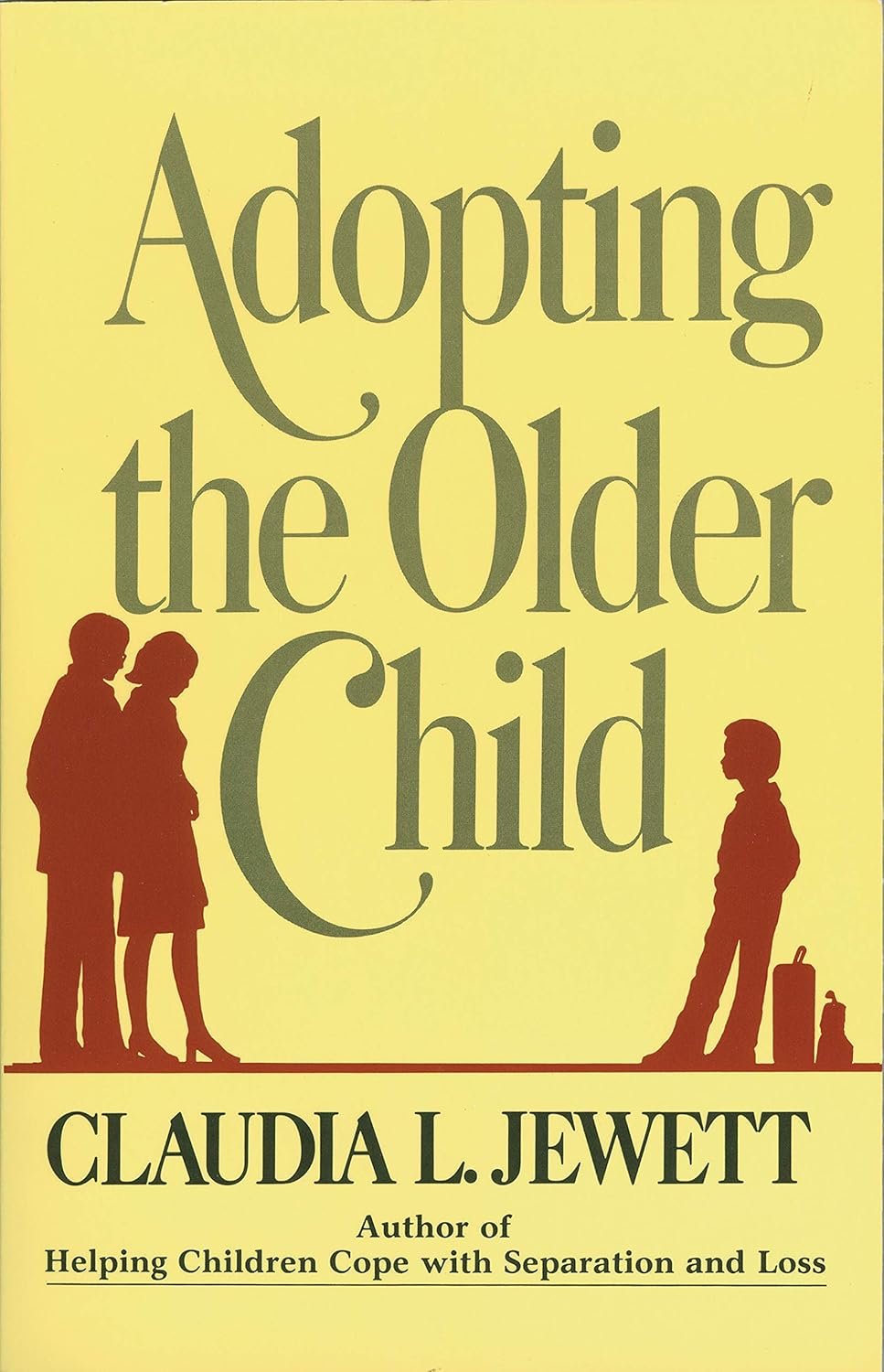
Her narrative is grounded in real-world composite cases, which help illuminate common challenges and rewards. The book stands out for its empathy and balance, addressing the needs and perspectives of all involved—children, adoptive and biological families, and social workers alike.
What makes this book truly exceptional is its practical approach. Readers are guided through the process step-by-step, with clear explanations and realistic expectations. Jewett doesn’t sugarcoat the difficulties, but her tone remains hopeful and encouraging.
She recognizes the emotional hurdles but also celebrates the transformational outcomes that are possible when families persist with love and resilience. The book’s structure allows both prospective and current adoptive parents to relate and reflect as they move forward on their journey.
Endorsed by Publishers Weekly and hailed as essential by Child Welfare experts, this book remains a cornerstone for anyone involved in adoption. Jewett’s dual lens—professional counselor and adoptive mother—adds authenticity and trustworthiness to every page. It’s not just informative; it’s a heartfelt guide through child’s life-changing process.
Commonly Asked Questions about Adopting Older Kids (FAQs)
What should a mother consider when adopting an older child?
A mother should consider the unique benefits and challenges associated with adopting an older child, including their previous experiences, potential behavioral issues, and the need for a supportive environment to address any grief or trauma they may have faced.
How can foster parents prepare to adopt a teenager?
Foster parents can prepare to adopt a teenager by undergoing hours of training to understand the specific needs of teens, including how to navigate their emotional challenges, ensure they feel safe, and support their mental health as they adjust to a new family dynamic.
What common issues do many older kids face when waiting to be adopted?
Many older kids waiting to be adopted may struggle with grief over their past experiences, feelings of abandonment, and attachment issues, which can stem from their relationship with their biological parents or previous foster placements.
Are there any regret or challenges associated with adopting older children?
Yes, some parents may experience regret or face challenges after adopting older children, particularly if they encounter behavioral issues or if the child struggles with their past, which can sometimes lead to overwhelming feelings for the adoptive family.
How do case workers assist in the adoption of older children?
Case workers play a crucial role in the adoption process by providing support to both the adoptive parents and the children, helping to match families with children, and ensuring that all parties are prepared for the transition, including addressing any mental health concerns.
What are some common behavioral disorders found in foster children?
Foster children, especially those who have experienced abuse or trauma, may exhibit a range of behavioral disorders, which can include anxiety, depression, or attachment disorders that need to be addressed through consistent support and understanding.
How can adoptive families address the grief of an older child?
Adoptive families can address the grief of an older child by providing a safe space for emotional expression, encouraging open communication about their feelings, and seeking professional counseling to help process their experiences and foster healing.
What are the benefits of adopting a sibling group of older children?
Adopting a sibling group of older children can provide them with a sense of stability and connection, as they already share a bond and can support each other through the transition, making the adjustment period smoother for everyone involved.
How can a mother help a foster child adjust to their new home?
A mother can help a foster child adjust to their new home by being patient, providing consistent routines, actively listening to their needs, and gradually introducing them to family dynamics, while being aware of any emotional wounds they may carry from their past.
Conclusion
Adopting an older child is a significant commitment that brings both challenges and rewards. Families must prepare emotionally, financially, and practically to ensure a successful transition. Understanding the realities of older adopted children, including their backgrounds and needs, can create a nurturing environment where healing and attachment can flourish. By educating themselves, seeking out resources like Claudia Jewett’s book, and working closely with adoption agencies and social workers, families can navigate this journey with confidence. Ultimately, the love and support provided can help older children heal from past traumas and thrive in their new adoptive homes.
Recommended posts
- Adopting Step Daughter: A Guide to Legal & Emotional Steps
- Why Is Adoption So Expensive: (Uncover the Hidden Costs)
- How Long Can Adoption Process Take: (The Exact Timeline)
- Down Syndrome Adoption Guide: A Journey of Heart and Hope
- Is There an Age Limit for Adoption: (Key Facts & Insights)
- Do Adopted Kids Get Free College (Foster Care Scholarship)