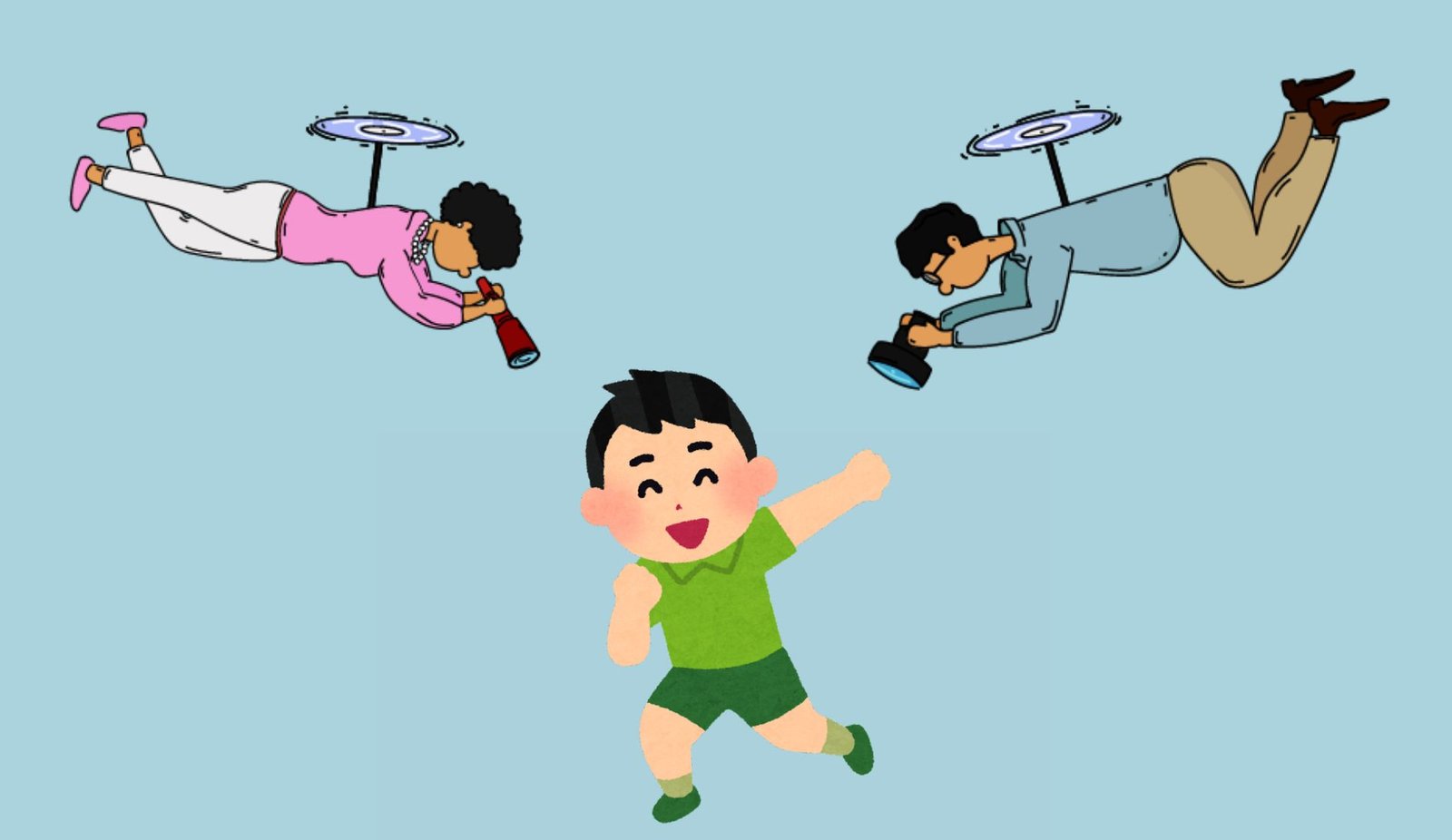
Have you ever found yourself constantly hovering over your child’s every move, decision, or interaction? That’s the core of Helicopter Parenting Style. It’s a parenting method where adults are overly focused on their children’s experiences, often taking control of situations meant to be handled by the kids themselves. But is this approach truly helpful—or is it hurting more than helping?
Helicopter parenting involves excessive involvement, constant monitoring, and limited child independence. Experts like Dr. Haim Ginott and Dr. Deborah Gilboa warn that this style, although rooted in good intentions, may hinder a child’s growth and problem-solving skills. The article explores its characteristics, psychological effects, and expert opinions.
But this is just the beginning. We’ll dive deeper into how helicopter parenting compares to other styles and reveal what research and child psychologists truly say about it. Let’s unpack the full picture and find out if this parenting style is doing more harm than good!
What Is Helicopter Parenting Style?
What parenting style is helicopter parenting? The term “helicopter parenting” describes a parenting style where parents are overly involved in their child’s life, often to the point of hovering over them. Helicopter parents tend to micromanage their children’s activities, making decisions for them and intervening in situations that require independence.
This overprotective approach can stem from good intentions, as tiger parents often believe they are safeguarding their child’s well-being. However, this parenting technique can limit a child’s ability to develop essential life skills, such as decision-making and problem-solving.
Helicopter parents may also inadvertently create a psychological environment where their child feels less capable of handling challenges independently. The constant oversight can lead to a lack of self-confidence in adolescents, who might begin to rely heavily on their parents instead of cultivating their own abilities.
Additionally, this parenting style can impact children’s health, as they may become overly dependent on their parents for emotional and social support, ultimately hindering their growth into autonomous adults.
Negative Effects of Helicopter Parenting
Helicopter parenting can have significant negative effects on children’s emotional and psychological well-being. 2019 Studies have found that children raised by helicopter parents are more susceptible to issues like depression and anxiety, primarily due to the lack of autonomy and independence instilled in them.
When parents overbear in their children’s lives, it can lead to a sense of helplessness in the face of challenges, as they have not learned to navigate difficulties on their own.
Moreover, the effects of helicopter parenting can extend beyond childhood and into adolescence, where the pressure to meet parental expectations may intensify.
Adolescents raised in such environments may struggle with self-esteem and feel overwhelmed by the need for parental approval. This can create a cycle of overparenting, where children feel the need to constantly seek validation from their helicopter parents, perpetuating feelings of inadequacy and anxiety that can last into adulthood.
The Pros and Cons of Helicopter Style Parenting:
Helicopter parenting is a style where parents are overly focused on their children, often taking too much responsibility for their experiences and outcomes. This style has both advantages and disadvantages, depending on the context and how it’s applied.
✅ Pros of Parenting Styles Helicopter
- Increased Safety and Supervision
- Children are less likely to engage in risky behaviors or get into dangerous situations.
- Academic Support
- Close involvement can help children succeed academically, especially in early years.
- Strong Parent-Child Bond
- Children may feel loved and supported, leading to a strong emotional connection.
- Early Detection of Problems
- Parents may notice and address issues (e.g., bullying, learning difficulties) more quickly.
- Better Prepared for Opportunities
- Parents may help children stay organized, meet deadlines, and apply for programs or scholarships.
❌ Cons of Helicopter Style Parenting
- Lack of Independence
- Children may struggle to make decisions or solve problems on their own.
- Increased Anxiety and Pressure
- Constant oversight can make children feel they must always succeed or live up to expectations.
- Poor Coping Skills
- Kids may not develop resilience or the ability to handle failure.
- Strained Parent-Child Relationship Over Time
- As children seek autonomy (especially in adolescence), they may rebel or withdraw.
- Reduced Self-Esteem
- Overparenting can signal to a child that the parent doesn’t trust their competence.
- prevents children from developing
Different Types of Parenting Styles Helicopter
Within the umbrella of helicopter parenting, several nuanced styles exist, each with unique characteristics and implications. For instance, lawnmower parents take the concept further by “mowing down” obstacles in their child’s path, ensuring that their children face minimal challenges.
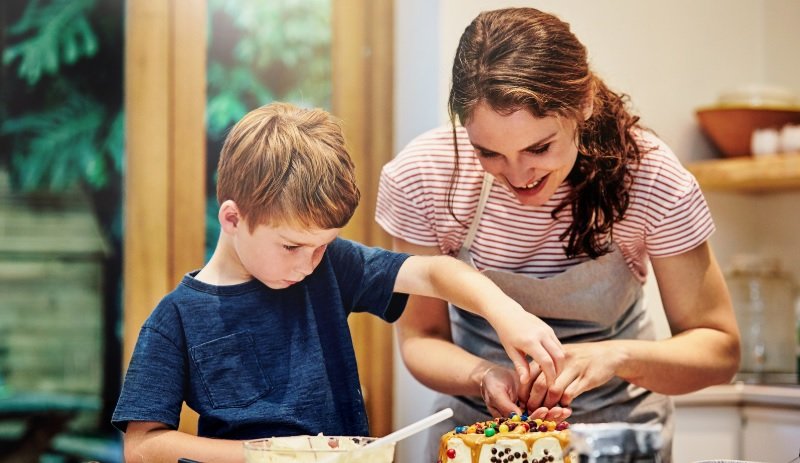
This extreme form of overparenting can potentially lead to an inability for children to manage difficulties effectively as they grow older. On the other hand, some helicopter parents may adopt a more authoritative approach, balancing their protective instincts with encouragement for independence. These parents can provide guidance while still allowing their children to make their own choices.
In contrast, permissive parenting often lacks the structure found in helicopter parenting, potentially leading to a different set of challenges, such as behavioral issues. Understanding these various styles helps parents identify their own approaches and adjust their parenting practices to better support their child’s development.
Commonly Asked Questions about the Parenting Styles Helicopter (FAQs)
What is the term “helicopter parenting” and how does it relate to parenting approaches?
The term “helicopter parenting” refers to a style of parenting where parents are overly involved in their children’s lives, often hovering over them to manage their activities. This approach contrasts with other parenting approaches like free-range parenting, which encourages independence.
What are the pros and cons of helicopter parenting?
Pros of helicopter parenting include providing guidance and support to children, which can lead to higher academic success. However, the cons often involve fostering overdependence, leading to poorer coping skills in adult children and potential issues with autonomy.
How does helicopter parenting affect children in college?
Research indicates that helicopter parenting on college students can lead to increased anxiety and stress and mental health problems. Students may struggle with self-management and independence due to a lack of experience in making decisions for themselves.
What did Schiffrin discover about helicopter parenting?
Schiffrin’s studies reported that helicopter parenting was associated with higher levels of psychological control and lower levels of self-esteem in children. This research highlights the potential negative effects of excessive parental involvement.
How does authoritarian parenting differ from helicopter parenting?
Authoritarian parenting typically involves strict rules and high expectations, often with less emotional support, while helicopter parenting focuses on over-involvement and control. Both styles can impact children, but authoritarian parenting may lead to rebellion, while helicopter parenting can lead to dependency.
Can parents have good intentions while practicing helicopter parenting?
Yes, many parents have good intentions when establishing helicopter parenting. They often believe that by being heavily involved, they are helping their children succeed and protecting them from failure, though this can backfire.
What are some contemporary parenting approaches that contrast with helicopter parenting?
Contemporary parenting approaches such as free-range parenting emphasize fostering independence and resilience in children. These methods encourage children to learn from their mistakes rather than shield them from all potential difficulties.
How do researchers like Bradley-Geist and Olson-Buchanan view the impact of helicopter parenting?
Researchers like Bradley-Geist and Olson-Buchanan have reported higher levels of anxiety and stress in children raised under helicopter parenting. Their work suggests that this style may hinder children’s ability to develop essential life skills needed for adulthood.
What is the impact of overprotection in helicopter parenting?
Overprotection in helicopter parenting can lead to a lack of problem-solving skills in children. As parents hover and manage their children’s experiences, these children may become less capable of navigating challenges independently.
How does the book “Battle Hymn of the Tiger Mother” relate to helicopter parenting?
“Battle Hymn of the Tiger Mother” by Amy Chua describes an authoritarian parenting style that emphasizes high achievement and strict discipline, reflecting some elements of helicopter parenting. 2018 study showcases how cultural expectations can influence parenting styles and the outcomes for children.
is helicopter parenting a western style?
Helicopter parenting is often seen as a Western style, but overprotective parenting exists globally. Cultural values shape its intensity, with Western individualism often linked to higher parental control.
Conclusion
In conclusion, helicopter parenting is a complex style of parenting that can have a range of effects on children and adolescents. While it is rooted in good intentions, the overprotective nature of this parenting style can hinder a child’s ability to develop crucial life skills and independence. The psychological consequences, including increased anxiety and depression, highlight the need for balance in parenting techniques. By exploring different parenting styles and their effects, tiger parents can make informed decisions that promote their child’s well-being and foster resilience, allowing children to thrive in an increasingly complex world.
Ultimately, strikes a balance between guidance and independence is essential for healthy child development. Encouraging children to navigate challenges while providing support can help them grow into confident and capable adults. As the understanding of helicopter parenting continues to evolve, it is vital for controlling parents to remain adaptable and open to incorporating various parenting practices that best suit their family dynamics and their child’s needs.
Recommended posts
- Uninvolved Parenting Style: Traits, Risks, and Consequences
- Handling Parenting Arguments Over Different Parenting Styles
- What Does Present Parenting Mean? A Guide for Mindful Parent
- The Impact of Parenting Styles on Child Development: (Must-Read)
- Brain-Body Parenting Book by Mona Delahooke (Honest Review)