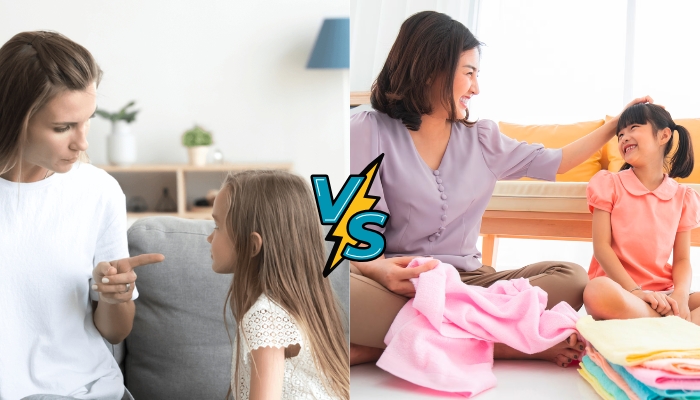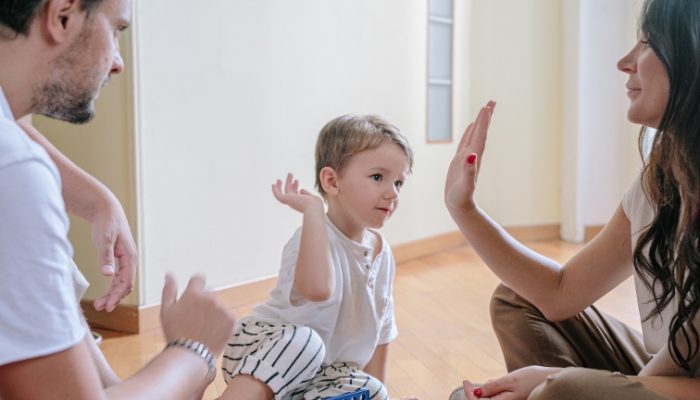
What is the best parenting style Psychology? Every parent wants their child to grow up with confidence, kindness, and resilience, but the right approach to parenting can make all the difference. Could the secret to raising happy kids lie in a specific parenting style?
Experts suggest that the authoritative parenting style is the most effective. Dr. Diana Baumrind, a renowned developmental psychologist, found that children raised with warmth, clear boundaries, and consistent discipline tend to be happier and more successful. Unlike authoritarian or permissive parenting, this balanced approach fosters independence while maintaining structure.
But there’s more to great parenting than just a style. Factors like emotional intelligence, communication, and understanding your child’s unique needs play a crucial role. Let’s explore the key principles of different parenting styles and how you can apply them to nurture happy, well-rounded children.
What Is the Best Parenting Style to Raise Children?
The best parenting style is often considered to be authoritative parenting, as it effectively balances nurturing and discipline. This approach encourages open communication, allowing children to express their thoughts while also setting clear expectations and limits.

Research has shown that children raised by authoritative parents tend to exhibit higher academic performance, better social skills, and a greater sense of self-esteem. This combination of support and structure creates an environment where children can thrive and develop essential life skills, making authoritative parenting a preferred choice for many parents.
In contrast to other parenting styles, such as authoritarian or permissive parenting, authoritative parenting fosters a healthy relationship between parents and children. Authoritarian parents may impose strict rules without room for discussion, while permissive parents often let their children make decisions without guidance.
By blending warmth with firmness, authoritative parents nurture their children’s independence while also teaching responsibility, which is vital for successful child rearing. Overall, the authoritative parenting style not only promotes happiness but also prepares children for future challenges in life.
The 4 Parenting Styles: What They Are and How to Use Them
Understanding the 4 types of parenting styles is essential for any parent aiming to raise happy children. The first style, authoritarian parenting, is characterized by high demands and low responsiveness. Authoritarian parents often enforce strict rules and expect obedience without questioning.
This approach may lead to children feeling less secure and less capable of making independent decisions, as they might fear disapproval from their parents. As a result, children raised under authoritarian parenting may struggle with self-esteem and social skills.
The second style is permissive parenting, where parents are lenient and allow considerable freedom for their children. Permissive parents tend to avoid setting firm rules, believing that their children should learn by experience.
While this style fosters creativity and independence, it can also lead to a lack of structure, causing children to struggle in environments where rules are necessary. Balancing nurturing with guidance is crucial for successful parenting, and permissive parents may need to adjust their approach to provide essential limits.
1 – Authoritarian Parenting
Authoritarian parenting is a style defined by high standards and low responsiveness, where parents impose strict rules and expect absolute obedience from their children. This approach often includes a lack of warmth or emotional support, making it difficult for children to feel secure and valued.
Children raised by authoritarian parents may experience feelings of anxiety and fear, which can hinder their social development and self-esteem. As they grow, these children might struggle with decision-making, as they have not been encouraged to express their opinions or engage in discussions about rules.
This type of parenting may lead to children who are compliant but lack independence, often relying on others to make decisions for them.
While some parents believe that authoritarian parenting produces disciplined and obedient children, research indicates that the long-term effects can be detrimental. Children raised in this environment might face challenges in forming healthy relationship with your child.
For effective child rearing, it is crucial to find a balance between discipline and nurturing that allows your children mental health to thrive.
2 – Permissive Parenting Style
Permissive parenting is characterized by high responsiveness and low demands, where parents are warm and nurturing but fail to establish firm boundaries and rules.
Permissive parents often let their children take control of their own decisions, believing that this freedom fosters creativity and self-expression. While this style can lead to strong emotional bonds between parent and child, it may also result in a lack of discipline and structure, making it difficult for children to understand the importance of limits.
Children of permissive parents may struggle with authority and have difficulty coping in structured environments, such as schools. They often test boundaries and may not respect rules, which can lead to behavioral issues.
While permissive parenting aims to create a loving and supportive atmosphere, parents should recognize the need for balance. Establishing clear expectations while remaining emotionally available can help children develop responsibility and social skills, ultimately contributing to their happiness and success.
3 – Authoritative Parenting Type
Authoritative parenting is often regarded as the most effective style for raising happy kids, as it combines warmth and responsiveness with structure and high expectations. Authoritative parents set clear rules and boundaries but also encourage open communication and emotional support.
This approach nurtures children’s independence while ensuring that they understand the importance of responsibility and accountability. Research has shown that children with authoritative parents tend to exhibit better social skills, higher academic performance, and improved self-esteem.
The authoritative style fosters a positive parent-child relationship, as parents engage in discussions about rules and expectations rather than imposing them unilaterally. This collaborative approach helps children develop critical thinking skills and emotional intelligence, allowing them to navigate various social situations effectively.
Moreover, authoritative parenting promotes resilience, enabling children to cope with challenges and setbacks. By striking a balance between nurturing and discipline, authoritative parents create an environment that supports healthy child development and long-term happiness.
4 – Uninvolved Style
The uninvolved or neglectful parenting style is characterized by low responsiveness and low demands, where parents are emotionally distant and disengaged from their children’s lives.
Neglectful parents may provide basic needs but fail to offer emotional support, guidance, or structure. This lack of involvement can lead to children of neglectful parents experiencing feelings of abandonment and insecurity, ultimately affecting their self-esteem and social skills.
Children raised in neglectful environments often struggle academically and may face challenges in forming healthy relationships.
Research has shown that children with uninvolved parents tend to exhibit behavioral issues, as they lack the necessary guidance and support to navigate their emotional development.
This parenting style can hinder children’s ability to develop essential life skills, leading to difficulties in managing emotions and forming connections with others.
For parents, recognizing the importance of being actively engaged in their children’s lives can significantly impact their development and overall happiness. Nurturing and supportive environments are crucial for fostering healthy emotional growth and resilience in children.
Why Experts Agree Authoritative Parenting is the Most Effective Style
Experts widely agree that authoritative parenting is the most effective style due to its balanced approach to nurturing and discipline.
Research conducted by developmental psychologists, such as Diana Baumrind, has shown that children raised by authoritative parents tend to demonstrate higher levels of emotional intelligence, academic success, and strong social skills.
This parenting style encourages children to express their thoughts and feelings while also setting clear expectations, which fosters a sense of security and independence. As a result, children with authoritative parents are better equipped to navigate challenges and build healthy relationships.
The effectiveness of authoritative parenting lies in its emphasis on open communication and mutual respect. Authoritative parents actively engage with their children, allowing them to voice their opinions and contribute to family discussions.
This collaborative approach nurtures critical thinking skills and helps children develop a strong sense of self. Furthermore, authoritative parenting promotes resilience, enabling children to cope with setbacks and learn from their experiences.
The long-term benefits of this parenting style are evident in the well-adjusted, happy individuals that emerge from nurturing environments, making it the preferred choice for many modern families.
How to Set Limits for Children?
Setting limits for children is a critical aspect of effective parenting, particularly within the authoritative style. Establishing clear boundaries helps children understand expectations and fosters a sense of security.
To set limits effectively, parents should communicate their rules clearly and consistently, ensuring that children understand the reasons behind them. This approach allows children to feel respected and valued, as they can engage in discussions about the rules and their importance.
Additionally, it is essential for parents to model appropriate behavior and demonstrate the consequences of actions. Consistency is key, as children thrive in environments where they know what to expect.
Instead of punitive measures, authoritative parents can use positive reinforcement to encourage good behavior while addressing undesirable actions with understanding and guidance.
By setting limits in a nurturing manner, parents can help children develop self-discipline and responsibility, ultimately preparing them for future challenges and fostering their happiness.
Conclusion
So, What Parenting Style Is the Best? In conclusion, the best parenting style for raising happy kids is often the authoritative approach, which balances warmth and structure. By understanding the four major parenting styles—authoritarian, permissive, authoritative, and uninvolved—parents can adjust their approaches to nurture their children’s development effectively. Authoritative parenting has been shown to promote emotional intelligence, academic success, and strong social skills, making it the most effective style for fostering happy, well-adjusted individuals. Ultimately, by setting clear limits and engaging in open communication, parents can create supportive environments that empower their children to thrive in all aspects of problem solving life.
Recommended posts
- What Makes a Great Parent: (Key Qualities of A Good Parent)
- Authoritative vs Authoritarian Parenting: Which is Better?
- Which Parenting Style Is Most Encouraged in Modern America?
- Authoritative Parenting Vs Gentle Parenting (Pros and Cons)
- What Is Horizontal Parenting? A Lazy Yet Effective Hack
- Handling Parents Argument Over Different Parenting Styles
- Parenting Tips Live Moments: Practical Advice for Happy Kids
- Permissive Indulgent Parenting:(Impacts on Child Behavior)
- Uninvolved Parenting Style: Traits, Risks, and Consequences