What happens when a parent is neither demanding nor responsive? The uninvolved parenting style—also known as neglectful parenting—raises serious concerns about emotional and developmental outcomes for children. Have you ever seen a child left to figure everything out alone and wondered how that shapes their future?
Uninvolved parenting is marked by low warmth, minimal communication, and little to no guidance. Parents may provide basic needs but remain detached from their child’s emotional or social life. Psychologist Diana Baumrind identified this as one of the most damaging styles, often linked to low academic achievements, poor social skills, and emotional withdrawal.
But how does this style compare with other parenting approaches? Are there warning signs to look out for in your own habits? Keep reading as we unpack the effects, expert insights, and real-life examples that define the uninvolved style of parenting.
What is an Uninvolved Parenting Style?
The uninvolved style of parenting is marked by a significant absence of attention and care from parents towards their children. This type of parenting often results in parents who are indifferent, emotionally distant, or even neglectful.
Unlike authoritarian or authoritative parenting, uninvolved parents tend to disengage from their children’s lives, failing to meet even their basic needs. This lack of involvement can lead to a range of detrimental effects on children, including poor emotional regulation and social skills, as they struggle without the necessary guidance and support from their caregivers.
In essence, uninvolved or neglectful parenting creates an environment where children feel unvalued and unsupported. The absence of parental interaction can hinder their emotional growth and cognitive development, leading to lasting issues.
Child of a neglectful parent may grow up feeling isolated and unworthy, affecting their ability to form healthy parent and child relationships in the future. Understanding this style of parenting is the first step in addressing its potential repercussions on child development.
What Are The Characteristics Of Uninvolved Parenting?
Uninvolved parenting is characterized by several distinct traits. Primarily, uninvolved parents exhibit a lack of emotional engagement and fail to provide the necessary support for their children.
They often show little interest in their children’s lives, decisions, or feelings, which can leave children feeling neglected and unimportant. Additionally, uninvolved parents typically do not set rules or boundaries, resulting in chaotic environments where children have little guidance.
Furthermore, these parents may also struggle with their own mental health issues, which can further exacerbate their inability to provide care. As a result, children of uninvolved parents may experience a range of developmental challenges.
These characteristics of uninvolved parenting not only affect the immediate family dynamic but can also have long-lasting effects on the child’s self-esteem and ability to navigate social situations.
Characteristics of an Uninvolved Parent:
Uninvolved parents often display specific characteristics that set them apart from other parenting styles. One notable trait is their emotional unavailability; they frequently prioritize their own needs over their children’s. This lack of attachment can manifest in children who experience low self-esteem and difficulties in emotional expression.

Furthermore, uninvolved parents usually offer little to no guidance or support, leading to children who may struggle with decision-making and problem-solving skills.
In addition to emotional detachment, neglectful parents often lack consistency in their expectations or rules, creating an unpredictable environment. This unpredictability can hinder a child’s academic performance and social skills, as they may not understand how to navigate relationships or responsibilities.
The gap in parenting involvement can have profound effects on children, shaping their perception of themselves and their ability to succeed in various aspects of life.
Examples of Neglectful Parenting
Neglectful parenting can take many forms, and some uninvolved parenting examples illustrate this style’s impact. it is marked by a lack of attention, support, and responsiveness to a child’s emotional, physical, and developmental needs. Below are several real-life examples of uninvolved parenting that illustrate this parenting style:
1. Emotional Neglect
- A parent ignores their child when the child is visibly upset or crying, offering no comfort or support.
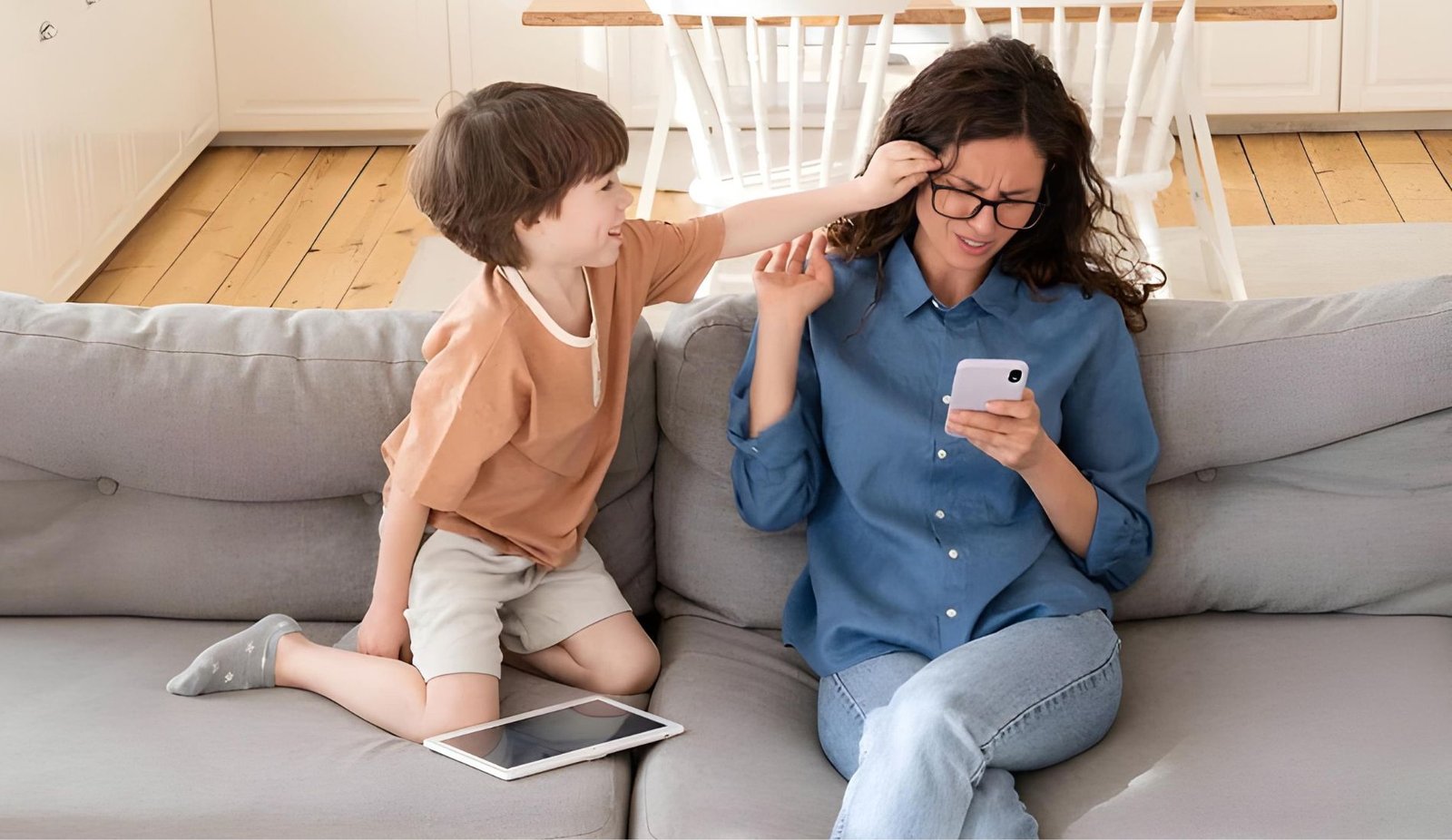
- A child tries to talk about their day or feelings, but the parent is too distracted (e.g., on their phone or watching TV) to listen or respond.
2. Lack of Supervision
- Leaving young children home alone for extended periods without checking on their safety.
- Not knowing where a child is, who they are with, or what they are doing on a regular basis.
3. Absence from School Involvement
- A parent never attends parent-teacher conferences or school events.
- Failing to help with homework, projects, or ensuring the child attends school regularly.
4. Ignoring Basic Needs
- Not providing enough food, clean clothes, or appropriate shelter.
- Allowing a child to go without necessary medical or dental care.
5. Lack of Boundaries or Discipline
- Not setting any rules or expectations for children’s behavior.
- Ignoring or not addressing harmful or risky behavior like stealing, lying, or drug use.
6. Minimal Communication
- Rarely talking to the child or engaging in meaningful conversation.
- Never asking the child about their feelings, thoughts, or experiences.
7. Emotional Distance
- Showing little to no affection or positive reinforcement.
- Avoiding physical contact like hugging or offering praise and encouragement.
8. Ignoring Signs of Distress
- A child is bullied, anxious, or depressed, and the parent does not notice or take action.
- Not seeking help when a child shows signs of academic or social difficulties.
Neglectful parenting may stem from various factors, including mental health issues, substance abuse, financial stress, or a lack of parenting knowledge. Regardless of the cause, it can have serious consequences on a child’s development.
Effects of Uninvolved Parenting
The effects of uninvolved parenting can be profound and long-lasting. Children raised by uninvolved parents often face challenges in their emotional and social development. They may struggle with forming healthy attachments and have difficulty trusting others due to their experiences of neglect.
Moreover, the lack of guidance can lead these children to develop poor academic performance, as they may not have the necessary support to succeed in school.
Additionally, the emotional toll of uninvolved parenting can manifest as mental health problems later in life. Children of uninvolved parents may experience anxiety, depression, and other mental health issues, stemming from their feelings of unworthiness and isolation.
This cycle of neglect can perpetuate itself, as individuals raised in such environments may struggle to break free from the patterns established in their childhood, making it imperative to recognize and address the effects of uninvolved parenting.
Consequences of Uninvolved Parenting for Children
This parenting style can have significant and long-lasting consequences for children across various areas of development. Here are the primary consequences:
1. Emotional and Psychological Impact
- Low self-esteem: Children may feel unworthy of attention or love, leading to a poor self-image.
- Feelings of rejection: The emotional distance of uninvolved parents can lead to feelings of abandonment and rejection.
- Increased risk of mental health issues: Anxiety, depression, and emotional instability are common among children raised with this style.
2. Behavioral Issues
- Aggression or defiance: Lack of guidance and boundaries may result in behavioral problems, including acting out or rule-breaking.
- Difficulty forming relationships: Children may struggle with trust, attachment, and developing healthy social connections.
- Substance abuse: Adolescents may turn to drugs or alcohol to cope with emotional neglect.
3. Academic Challenges
- Poor academic performance: Lack of parental support and encouragement often leads to low motivation and poor grades.
- Lack of discipline and focus: Without guidance or routine, children may struggle with organization and meeting school expectations.
4. Social Development Problems
- Poor social skills: Limited parental modeling and support can lead to difficulty in understanding social norms or empathizing with others.
- Social withdrawal or isolation: Some children may become socially anxious or avoidant.
5. Physical and Developmental Risks
- Neglect of basic needs: In extreme cases, uninvolved parenting can lead to neglect of physical health, nutrition, and hygiene.
- Delayed development: Emotional and cognitive development may be hindered without stimulating interaction and engagement.
6. Long-Term Effects
- Difficulty with adult relationships: Children may carry attachment issues into adulthood, affecting romantic and professional relationships.
- Low life satisfaction: A lack of early emotional support can contribute to chronic dissatisfaction and instability later in life.
Uninvolved parenting, while sometimes unintentional due to stress or other life factors, can be deeply harmful. Early intervention, support systems, and parenting education can help mitigate these effects and improve outcomes for children.
Should You Practice Permissive Parenting? While it allows freedom, research shows that children often thrive under authoritative parents, who balance structure and support. In contrast, authoritarian parent and uninvolved parents lack warmth, leading to child neglect and adverse effects on the needs of their children.
Studies have found that children of uninvolved parents exhibit behavioral issues due to neglectful parenting styles. Adolescents with uninvolved parents may struggle with emotional regulation and social skills. Understanding these different parenting styles is crucial for fostering a nurturing environment, as permissive and neglectful approaches can have detrimental impacts.
How to Recover From Uninvolved Parenting
Recovering from the effects of neglectful parenting is a complex journey that requires time, effort, and often professional help. One crucial step is acknowledging the impact of neglectful parenting on one’s life.
Individuals may benefit from therapy or counseling to process their experiences, learn coping strategies, and develop healthier self-esteem. Support groups can also provide a sense of community and shared understanding, facilitating healing.
Additionally, fostering self-awareness and emotional intelligence can help individuals break free from the cycles of neglect. Engaging in positive relationships and establishing boundaries can create a supportive network that encourages personal growth.
As individuals work through the ramifications of their upbringing, they can begin to recover from uninvolved parenting and strive to create healthier dynamics in their own lives and future families.
Conclusion
In conclusion, the neglectful or uninvolved parenting style has significant traits, risks, and consequences that can shape a child’s development in profound ways. Understanding the characteristics of uninvolved parenting, including its effects on emotional regulation, academic performance, and self-esteem, is vital for fostering healthier relationships between permissive parents and children. By recognizing the importance of involvement and support, parents can work towards adopting more positive and engaged parenting styles, ultimately ensuring a brighter future for their children. Recovery from the impacts of uninvolved parenting is possible through self-awareness, support, and healing, paving the way for healthier family dynamics in the future.
Recommended posts
- What Is Horizontal Parenting? A Lazy Yet Effective Hack
- Authoritarian vs Authoritative Parenting: Which is Better?
- What Is the Best Parenting Style for Raising Happy Kids?
- What Is a Helicopter Style Parenting? (Pros, Cons & Effects)
- Attachment Theory and Parenting Styles: (How They’re Formed)
- Impacts of Parenting Styles on Child Development: (Must-Read)
- Parental Involvement: The Game-Changer Every Child Deserves