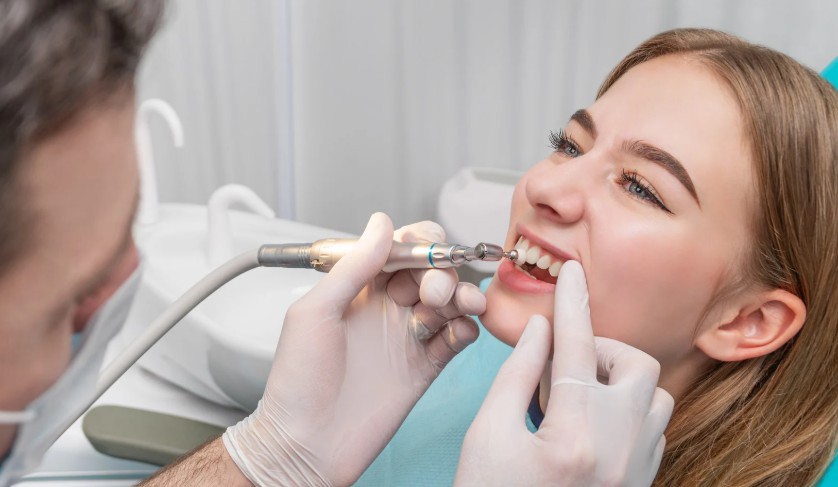
Ever wondered how many teeth do teenager have? Do they still have baby teeth, or have all their adult teeth come in? It’s a common question for both parents and teens, especially during those years when dental visits become more frequent.
Most teenagers have 28 permanent teeth, including incisors, canines, premolars, and molars. Wisdom teeth, which bring the total to 32 permanent teeth, usually start appearing between ages 17 and 25. According to the American Dental Association, many teens may not get their wisdom teeth until late adolescence or even early adulthood.
So what does this mean for your teen’s dental health? Whether they’re waiting on wisdom teeth or dealing with braces, understanding their dental timeline is key. Let’s explore everything you need to know about teenage teeth and how to care for them right.
How Many Teeth Do Teenager Have?
Teenagers typically have a total of 28 teeth by the time they reach their early teen years, which includes the primary and permanent teeth that have erupted. These teeth consist of 8 incisors, 4 canines, and 12 molars, which include the first and second molars, as well as the 12-year molars.
It is important to note that many teenagers may not yet have their wisdom teeth, also known as third molars, which usually erupt later in late adolescence or early adulthood. Thus, while adults have a complete set of 32 teeth, teenagers may have fewer due to the ongoing development of their dental structure and the process of losing baby teeth.
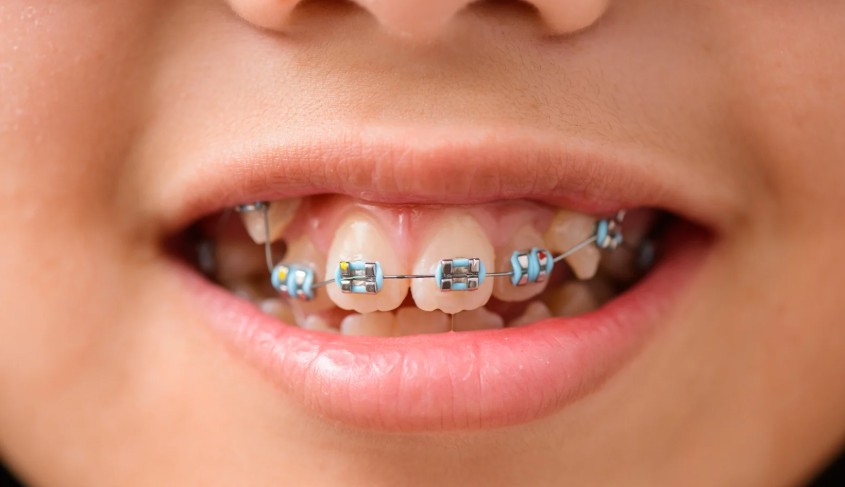
As children begin to lose their baby teeth, they are replaced by permanent teeth, which form a crucial part of their oral health. This process begins around the age of six and continues until the age of 12 or 13.
The transition from baby teeth to permanent teeth can vary from child to child, but by the time they are teenagers, most will have a well-established set of permanent teeth. Regular dental check-ups with a pediatric dentist can help monitor this transition and ensure that the teeth are erupting correctly, preventing potential issues such as misalignment or cavities.
How Many Teeth Do Children Lose?
Children typically lose 20 primary (baby) teeth as their permanent (adult) teeth grow in. Here’s a breakdown:
- Total baby teeth: 20 (10 upper, 10 lower)
- First tooth lost: Usually around age 6 (lower front teeth often go first)
- Last baby teeth lost: Around age 12–13 (molars and canines)
By their early teens, most children have all their permanent teeth (except wisdom teeth, which emerge in late teens or early adulthood).
Key Points:
- Girls often lose teeth slightly earlier than boys.
- The order of tooth loss generally follows the order of eruption.
- If a child loses a tooth very early (before 4–5) due to injury or tooth decay, consult a dentist to prevent alignment issues.
When Do Kids Get Their Permanent Teeth?
The process of transitioning from baby teeth to permanent teeth usually starts around six years of age, when children begin to lose their baby teeth. This phase is characterized by the eruption of adult teeth that grow in to replace the primary teeth, which are also known as milk teeth.
The first permanent teeth to erupt are typically the first molars, which come in at the back of the mouth, followed by the incisors. By the age of 12, most children will have lost all of their baby teeth, and their 12-year molars will have come in, completing the majority of their dental development.
During this period, it is crucial for parents to maintain their children’s oral health by encouraging proper dental hygiene practices. Regular brushing, flossing, and dental visits are essential in preventing cavities and ensuring the healthy growth of permanent teeth.
Additionally, pediatric dentistry often includes monitoring the jaw and gum development to ensure that there is enough space for all the adult teeth, preventing overcrowding and misalignment issues. Awareness of this timeline can help parents prepare for their child’s dental needs as they grow, ensuring a smooth transition into their teenage years.
Teeth & Mouth Anatomy: What Is a Canine Tooth?
A canine tooth—also known as a cuspid—is one of the pointed teeth located between the incisors (front teeth) and the premolars (bicuspids) in your mouth. Humans have four canine teeth: two teeth on the top (maxillary canines) and two on the bottom (mandibular canines), one on each side of the mouth.
Key Features of Canine Teeth:
- Shape: Pointed or conical with a sharp cusp.
- Function: Designed to grip and tear food, especially meat.
- Position: They act as a transition between the flat, cutting incisors and the broader chewing premolars.
- Strength: Canines have the longest root of any human tooth, providing stability and anchoring.
In addition to chewing, canine teeth help guide your teeth into the correct biting position, playing an important role in jaw alignment and your bite.
How Long Until Adult Teeth Grow In?
The timeline for adult teeth to grow in varies from child to child, but generally, most permanent teeth begin to erupt around the age of six, starting with the molars and incisors. By the age of 12, children will typically have most of their adult teeth, including the 12-year molars, which are the last set of molars to erupt before the wisdom teeth appear.
However, the final set of molars, known as wisdom teeth or third molars, usually erupt in late adolescence or early adulthood, often between the ages of 17 and 25. This process can be influenced by genetics, oral health, and overall development.
During this transition, it is common for children to experience some discomfort as their permanent teeth push through the gums. Parents should monitor these changes closely and consult with a dentist if they notice any signs of complications, such as misalignment or impaction of the wisdom teeth.
Proper dental care, including regular visits to a pediatric dentist, can help ensure that the eruption of adult teeth goes smoothly, allowing for a healthy full set of teeth that will last into adulthood. Adequate oral health practices during this time are crucial for preventing cavities and ensuring that the teeth grow in properly, maintaining both function and aesthetics.
The Development Of The Baby Teeth:
Baby teeth, also known as primary or deciduous teeth, play a critical role in a child’s early development. Typically, children have 20 baby teeth that begin to erupt around six months of age. These teeth serve as placeholders for the adult teeth, guiding their proper alignment and spacing as they grow in.
The baby teeth start with the central incisors, followed by the lateral incisors, canines, and finally the molars. This development is crucial not only for chewing but also for speech development and facial structure.
As children grow, they will eventually begin to lose their baby teeth around the age of six, making way for the eruption of permanent teeth. This process can last until they are about 12 or 13 years old, when all baby teeth fall and been replaced by adult teeth.
It is essential for parents to ensure their children maintain good oral hygiene during this time, as poor dental care can lead to cavities in baby teeth, which can affect the development and health of the permanent teeth that follow. Regular visits to a pediatric dentist will help monitor the development and health of both baby and adult teeth, ensuring a healthy mouth as children transition into adolescence.
Do Babies Have Teeth Under Their Gums at Birth?
Interestingly, some babies may be born with teeth, although it is relatively rare. These teeth, known as natal teeth, are usually the result of early tooth development and can be present at birth. Most commonly, however, babies do not have any visible teeth when they are born.
Instead, their baby teeth begin to develop beneath the gums during pregnancy and typically start to erupt around six months of age. This process can be uncomfortable for infants, known as teething, as the teeth push through the gums.
Awareness of tooth development in infants is crucial for new parents. While most babies will experience teething pain, it is important to note that this is a normal part of their growth. Parents can help alleviate discomfort through teething toys or gentle gum massages.
Regular dental check-ups should begin by the time the first tooth erupts to ensure healthy dental development. By understanding the timeline and signs of dental growth in infants, parents can better support their child’s oral health from the very beginning, setting the foundation for a healthy set of teeth as they grow.
Conclusion
How many teeth does a teenager have? In summary, teenagers typically have 28 teeth, with the final few, including wisdom teeth, emerging later in adolescence. The transition from baby teeth to permanent teeth is a crucial aspect of dental development that begins around age six and continues into the early teen years. Understanding the anatomy of teeth, including the roles of incisors, canines, and molars, can enhance awareness of oral health.
Parents play a vital role in ensuring their children maintain proper dental hygiene throughout this process, which is essential for preventing issues such as cavities and misalignment. A strong foundation in oral health during childhood can lead to a lifetime of healthy teeth, making regular visits to the dentist and good practices essential for all children as they grow.
Recommended posts
- Why Does My Toddler Grind His Teeth While Sleeping (Solved)
- Natal Teeth in Newborns Good or Bad? Here’s What to Expect!