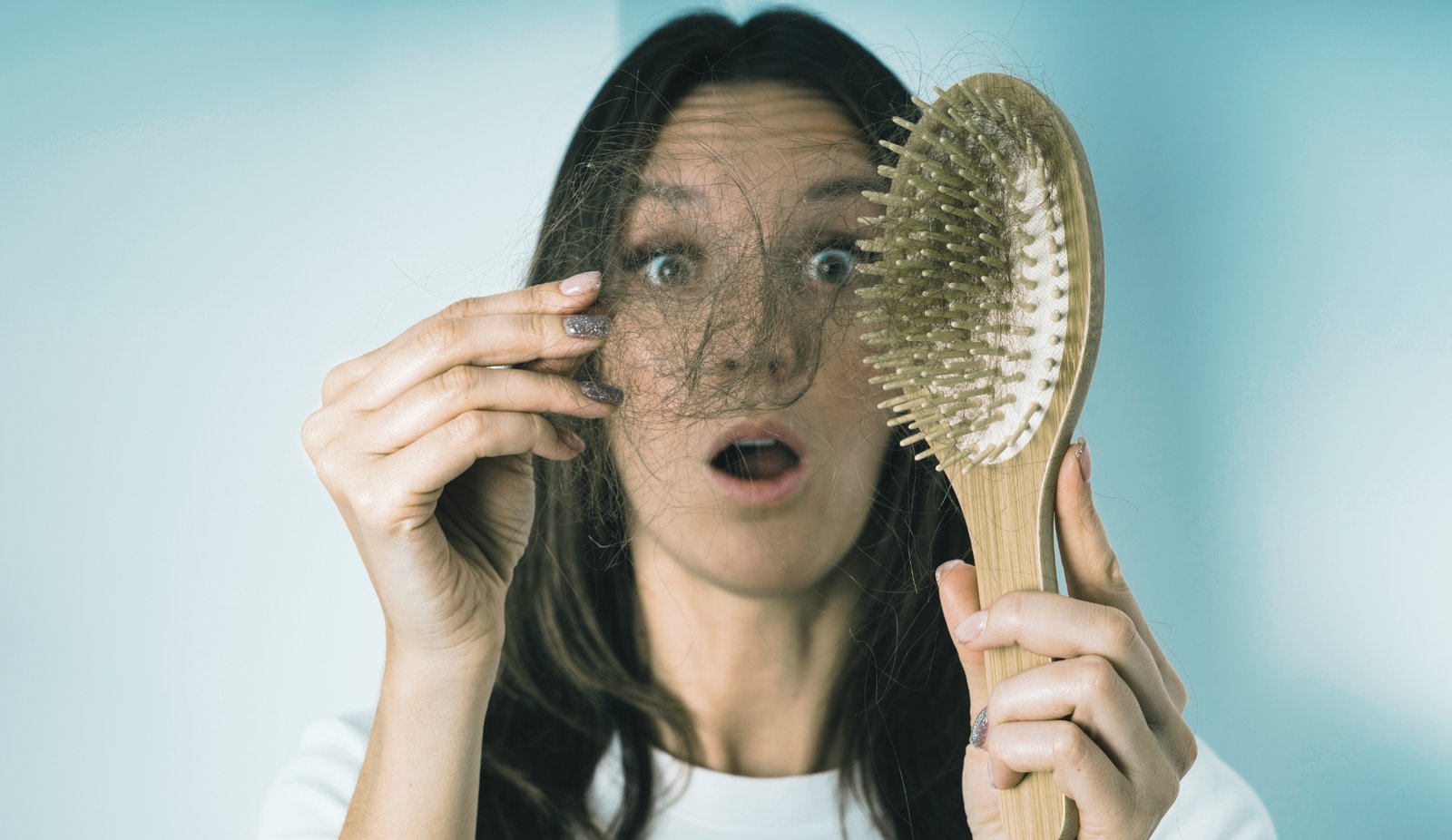
Noticing more hair in your brush lately and wondering why teenage hair loss is even a thing? You’re not alone—many teens deal with unexpected shedding, and it can be frustrating, even scary. So, what’s behind this sudden hair drama?
Hair loss teenager can result from stress, poor diet, hormonal changes, or even excessive styling. Medical conditions like alopecia areata or thyroid issues also play a role. Experts like Dr. Doris Day, a leading dermatologist, stress the importance of early diagnosis and proper scalp care.
This post unpacks all the key causes and practical solutions for teen hair loss. From spotting the signs to choosing the right shampoo—everything’s covered. So, let’s get to the root of the issue and help you bring back your hair confidence!
Causes of Teenage Hair Loss in Males and Females?
Teenage hair loss can stem from various factors that affect both males and females. One common cause of hair loss in teenagers is genetic predisposition, particularly androgenetic alopecia, which may lead to male pattern baldness or female pattern baldness.
Hormonal changes during puberty can also contribute significantly to hair thinning and hair fall in teenagers, causing an imbalance that affects the hair follicle’s health. Additionally, medical conditions such as polycystic ovary syndrome (PCOS) in females may cause hair loss and thinning hair, resulting in noticeable bald patches.
Stress is another significant factor that may cause hair to fall, as emotional and physical stress can trigger a condition known as telogen effluvium, leading to increased shedding of hair. Nutritional deficiencies, particularly a lack of essential vitamins and minerals, can further exacerbate Hair loss teenage youth.
Maintaining a balanced diet is crucial to ensure that the body receives the necessary nutrients for healthy hair and scalp. Understanding these causes is vital for those who are experiencing hair loss, allowing them to take appropriate measures to address the issue.
5 Common Causes of Teenage Hair Loss
While it’s normal to lose around 50–100 hairs a day, noticeable thinning or bald patches may indicate an underlying issue. Here’s a quick guide to the five most common causes of teenage hair loss—and what you can do about them.
1. Hormonal Imbalances
Cause: During puberty, hormonal shifts (especially changes in androgens) can trigger excess hair shedding. Conditions like PCOS (Polycystic Ovary Syndrome) in girls can also contribute.
Quick Treatment: Consult a doctor or endocrinologist. Hormonal treatments or birth control pills (for PCOS) may help balance hormones. Maintain a healthy diet and manage stress.
2. Nutritional Deficiencies
Cause: Low levels of iron, vitamin D, biotin, or protein can lead to weakened hair and shedding. Poor diets or eating disorders are common triggers in teens.
Quick Treatment: Eat a well-balanced diet rich in leafy greens, lean proteins, nuts, and whole grains. Iron and multivitamin supplements can help—but only under medical supervision.
3. Stress & Anxiety
Cause: Academic pressure, social issues, and emotional struggles can lead to telogen effluvium, a condition where stress pushes hair follicles into a resting phase.
Quick Treatment: Practice stress-reducing activities like exercise, journaling, meditation, or therapy. Hair often regrows once stress levels decrease.
4. Hairstyling & Damage
Cause: Tight hairstyles (like braids or ponytails), frequent use of heat tools, or harsh chemical treatments can lead to traction alopecia or hair breakage.
Quick Treatment: Avoid tight styles, reduce heat exposure, and use gentle, sulfate-free shampoos. Let your hair air-dry and avoid chemical straighteners or dyes.
5. Medical Conditions
Cause: Conditions like alopecia areata (an autoimmune disorder), scalp infections, or thyroid imbalances can result in sudden or patchy hair loss.
Quick Treatment: Visit a dermatologist for proper diagnosis. Treatments may include topical steroids, antifungal shampoos, or thyroid medication depending on the root cause.
Can You Stop Hair Loss in Teenagers?
Stopping hair loss in teenagers is indeed possible with timely intervention and the right approach. When you notice hair loss, it’s essential to identify the underlying causes of hair fall. If the cause is genetic, treatments such as minoxidil may be recommended to stimulate hair regrowth and prevent further thinning.
In cases where hormonal imbalances are responsible for hair loss, consulting with a healthcare professional may lead to effective treatment options tailored to the individual’s needs.
Moreover, adopting a comprehensive hair care routine can significantly impact the health of hair follicles. Regular scalp massages, the use of anti-hair fall products, and ensuring a nutritious diet can help create an optimal environment for hair growth.
While some types of hair loss may lead to permanent changes, many teenagers can reverse the effects of hair thinning with appropriate measures and commitment to their hair care regimen. Addressing the issue early on can lead to more favorable outcomes in the long run.
How to Prevent Hair Loss in Teenagers?
Hair loss in teenagers can be caused by various factors, including hormonal changes, poor nutrition, stress, excessive styling, or medical conditions. Here are some effective ways to prevent hair loss in teens:
1. Maintain a Healthy Diet
- Eat Protein-Rich Foods: Hair is made of keratin (a protein), so include eggs, lean meats, fish, beans, and nuts.
- Iron & Zinc: Deficiency can cause hair loss—eat spinach, lentils, red meat, and pumpkin seeds.
- Vitamins A, C, D, E & Biotin: Found in carrots, citrus fruits, almonds, and leafy greens.
- Omega-3 Fatty Acids: Found in salmon, walnuts, and flaxseeds to promote scalp health.
2. Avoid Excessive Styling & Heat Damage
- Limit the use of hair dryers, straighteners, and curling irons.
- Avoid tight hairstyles (ponytails, braids) that pull on hair roots.
- Reduce chemical treatments (bleaching, perms, dyes).
3. Practice Gentle Hair Care
- Use a mild, sulfate-free shampoo and conditioner.
- Avoid brushing wet hair (it’s more fragile)—use a wide-tooth comb.
- Don’t wash hair with hot water (use lukewarm water instead).
4. Manage Stress & Sleep Well
- High stress can trigger hair loss (telogen effluvium). Try meditation, exercise, or hobbies.
- Get 7–9 hours of sleep to support hair growth and overall health.
5. Check for Medical Conditions
- Hormonal imbalances (PCOS, thyroid issues) can cause hair loss—consult a doctor.
- Scalp infections (like ringworm) need antifungal treatment.
- Alopecia areata (autoimmune hair loss) may require medical help.
6. Avoid Smoking & Alcohol
- Both can weaken hair follicles and reduce blood circulation to the scalp.
7. Use Natural Remedies (Optional)
- Scalp massage with coconut/olive oil to improve blood flow.
- Aloe vera gel or onion juice (contains sulfur) may promote hair growth.
When to See a Doctor?
If hair loss is sudden, patchy, or accompanied by itching/scaling, consult a dermatologist for proper diagnosis and treatment.
By following these steps, most teens can reduce hair thinning and maintain healthy hair growth. 🌿✨
Effective Teenage Hair Fall Solutions: (Hair care advice)
To address hair fall in teenagers effectively, several solutions can be implemented to promote hair regrowth and maintain scalp health. First, incorporating topical treatments like minoxidil into the hair care routine can stimulate hair follicles and encourage new growth.
Additionally, utilizing shampoos and conditioners that are specifically designed for thinning hair can strengthen hair strands and promote volume.
Another solution is to consider dietary supplements that support hair health, including omega-3 fatty acids and collagen, which can help enhance the overall condition of hair and scalp. Regular visits to a dermatologist or trichologist can provide personalized advice and treatments, including hair transplant options for severe cases.
It’s essential for teenagers to remain patient and committed to their hair care regimen, as visible results may take time. By integrating these solutions into their routine, teenagers can effectively combat hair loss and enjoy healthier, fuller hair.
Commonly Asked Questions about Causes of Hair Loss in Young People (FAQs)
What Causes Hair Loss In Teens?
Hair loss in teenage years can be caused by genetics, hormonal changes, stress, nutritional deficiencies, and medical conditions, all of which can lead to hair fall or thinning.
Can genetic hair loss be cured?
Genetic hair loss cannot be cured, but treatments like minoxidil, finasteride, and PRP therapy can slow it down. Hair transplants offer a permanent solution for restoring lost hair.
What Are the Best Hairstyles for Boys With Thinning Hair?
The best hairstyles for boys with thinning hair include short crops, buzz cuts, or textured fades. These styles minimize visible scalp and work well with a limited amount of hair.
What are the Major causes of Hair Loss in Teenage Girls?
Major causes of hair fall in teenage girls include hormonal imbalances, stress, poor diet, excessive styling, and conditions like PCOS or thyroid disorders. Early care can prevent worsening.
What are Major Reasons for Hair Fall in Teenagers?
Main reasons that contribute to hair loss in teenagers include hormonal changes, stress, poor diet, medical conditions, and excessive use of heat styling tools or hair products.
What are the Major causes of Hair Loss in Teenage Males?
Major causes of male teens hair loss include genetics, hormonal changes, stress, poor nutrition, and excessive styling. If you’re experiencing hair loss, consult a doctor for proper diagnosis and treatment.
Why is my hair falling out as a teenager?
Teenagers may experience hair loss due to stress, poor nutrition, hormonal changes, or excessive styling. Other causes include medical conditions, genetics, or vitamin deficiencies. Consult a doctor for persistent issues.
Why is my hair falling of as a teenager girl?
Common reasons for hair fall in teenagers include stress, poor diet, hormonal changes, and hereditary hair loss. Other factors can be medical conditions and improper hair care practices.
How to stop hair loss in teenage girl?
To stop hair loss teenage girls, maintain a balanced diet, reduce stress, avoid harsh treatments, and use gentle hair care products to enhance your hair look.
How to stop hair loss in teenage guys?
To prevent permanent hair loss in teenage guys, maintain a healthy diet, manage stress, avoid tight hairstyles, and consult a doctor for effective treatments and solutions.
Conclusion
Teenage hair loss is a common concern that can arise from various factors, including genetic predisposition, hormonal changes, and lifestyle choices. By understanding the causes of patchy hair loss in teens, individuals can take proactive steps to address these issues. Implementing effective hair care routines, seeking appropriate treatments, and maintaining a healthy lifestyle can significantly improve hair health and prevent further hair fall. With the right knowledge and support, teenagers can navigate this challenging phase with confidence and work towards achieving and maintaining healthy, vibrant hair.
Recommended posts
- is 18 still a teenager or Officially an Adult (Secret Guide)
- Teenagers and Tampons: Breaking Myths and Healthy Habits