is it normal for toddler to talk in sleep? Ever heard your toddler talking in sleep and wondered if it’s something to worry about? Maybe you’ve caught them giggling, mumbling, or even saying full sentences while fast asleep. Is this just a phase—or a sign of something deeper?
Sleep talking, or somniloquy, is actually quite common in toddlers. It usually happens during light sleep stages and is rarely a cause for concern. In this article, we’ll explore why toddlers talk in their sleep, when to pay attention, and tips to support healthy sleep habits.
But nighttime chatter isn’t always what it seems. According to Dr. Harvey Karp, renowned pediatrician and author of The Happiest Toddler on the Block, sleep talking is often linked to active imagination and daily experiences. So let’s unpack the mystery behind those midnight mumblings!
Why Does my Toddler Talking in Sleep?
Why does my toddler talk in his sleep? There are various reasons why your toddler might talk in their sleep. Sleep talking in Toddlers is often a normal part of childhood development and can occur during different stages of sleep, particularly during REM sleep when dreaming is most prevalent.
During this stage, the brain is more active, and sleep talkers may express their dreams or thoughts through mumbling or babbling. It’s common for toddlers to start talking in their sleep as their language skills develop, and this behavior typically peaks between the ages of 2 and 5. It’s important to note that most instances of sleep talking are harmless and nothing to worry about.
Stressful events or disruptions in routine can also trigger sleep talking in toddlers. Changes in sleep habits, such as starting preschool or moving to a new home, might lead to increased instances of sleep talking.
If your child is experiencing night terrors or nightmares, they may also vocalize their fears during sleep. Monitoring your toddler’s sleep patterns and ensuring they maintain healthy sleep habits can help reduce occurrences of talking in sleep and improve their overall sleep quality.
What Does Toddler Sleep Talking Look Like?
Toddler sleep talking can manifest in various ways, ranging from soft mumbling to loud shouting. Children might appear to be having a conversation, yet often, it’s incoherent babble without any clear content.
You may notice your child occasionally laughing or crying out while they talk in their sleep, reflecting their emotional state during dreams. The behavior can occur at any point during the night, but it is most common during the lighter stages of sleep, such as non-REM sleep.
Parents may find it amusing to hear their little ones recount imaginary tales or sing songs in their sleep, but it can also be concerning if it disrupts the child’s sleep or seems to be accompanied by other sleep issues.
Keeping a sleep diary can help parents track when their child talks in their sleep and any other sleep patterns, allowing for a better understanding of the situation and providing useful information should a sleep study be necessary.
Causes of Sleep Talking in Toddlers and Children
Sleep talking (also known as somniloquy) in toddlers and children is quite common and usually harmless. It’s often a normal part of development, but there are several possible causes or contributing factors. Here’s a breakdown of the common reasons:
🌙 Normal Developmental Stage
- Sleep talking often appears as part of typical brain development.
- Young children’s brains are very active, processing lots of new information, and this can spill over into sleep.
🧠 Dreaming and Sleep Cycles
- Sleep talking happens most often during non-REM sleep, particularly in lighter stages (Stage 1 and 2), but can also happen during REM when dreams are most vivid.
- Children may talk during dreams or while transitioning between sleep stages.
😴 Sleep Deprivation
- Not getting enough sleep or irregular sleep patterns can lead to fragmented sleep and increase the likelihood of sleep talking.
😰 Stress, Anxiety, or Big Emotions
- Emotional events (even happy ones, like starting preschool) can trigger more active sleep behaviors, including sleep talking.
- Toddlers may not fully understand or express emotions during the day, so these feelings may come out at night.
🌡️ Fever and Illness
- High fever or sickness can cause disrupted sleep and may lead to sleep talking or even night terrors.
🧬 Family History
- Sleep talking can run in families. If a parent sleep talked as a child, their child might too.
📺 Stimulation Before Bedtime
- Watching stimulating shows, playing video games, or high-energy activity before bed can lead to a more restless sleep.
😵💫 Other Sleep Disorders (Less Common)
While rare in toddlers, sometimes sleep talking is linked with:
- Night terrors
- Sleepwalking
- Obstructive sleep apnea
- Restless leg syndrome
🛏️ What Parents Can Do:
- Stick to a calming bedtime routine.
- Ensure the child gets enough sleep for their age.
- Reduce screen time and stimulating activity close to bedtime.
- Keep a sleep diary if the talking is frequent or distressing.
- Talk to a pediatrician if sleep talking is severe, frequent, or paired with other symptoms (like screaming, sleepwalking, or gasping for breath).
How Are Pediatric Parasomnias Diagnosed?
Diagnosing pediatric parasomnia, including sleep talking, typically involves a comprehensive evaluation by a pediatrician or sleep specialist. During the assessment, the healthcare provider will gather information regarding your child’s sleep patterns, behaviors during sleep, and any associated symptoms.
It may be helpful to keep a sleep diary that records your child’s sleep habits, including bedtime, wake times, and instances of sleep talking or other unusual behaviors.
In some cases, a sleep study may be recommended to monitor your child’s brain activity, breathing patterns, and heart rate during sleep. This can help identify any underlying sleep disorders such as sleep apnea or restless leg syndrome that could be contributing to the sleep talking. Early diagnosis and intervention can significantly improve your child’s sleep quality and overall well-being.
Do Kids Outgrow Sleep Talking?
Most children who experience sleep talking tend to outgrow it as they develop. Sleep talking in toddlers is common and often peaks during the preschool years. As their cognitive and language skills mature, the frequency and intensity of sleep talking tend to decrease naturally. Many children will stop talking in their sleep altogether by late childhood or adolescence.
However, some children may continue to exhibit sleep talking into their teenage years. While this can be perfectly normal, if it becomes disruptive or if it’s accompanied by other sleep issues like night terrors or sleepwalking, it might be worth discussing with a pediatrician.
Establishing a consistent bedtime routine and ensuring your child gets adequate hours of sleep can help mitigate sleep talking and promote healthy sleep habits.
Signs Your Toddler is Talking in Her Sleep
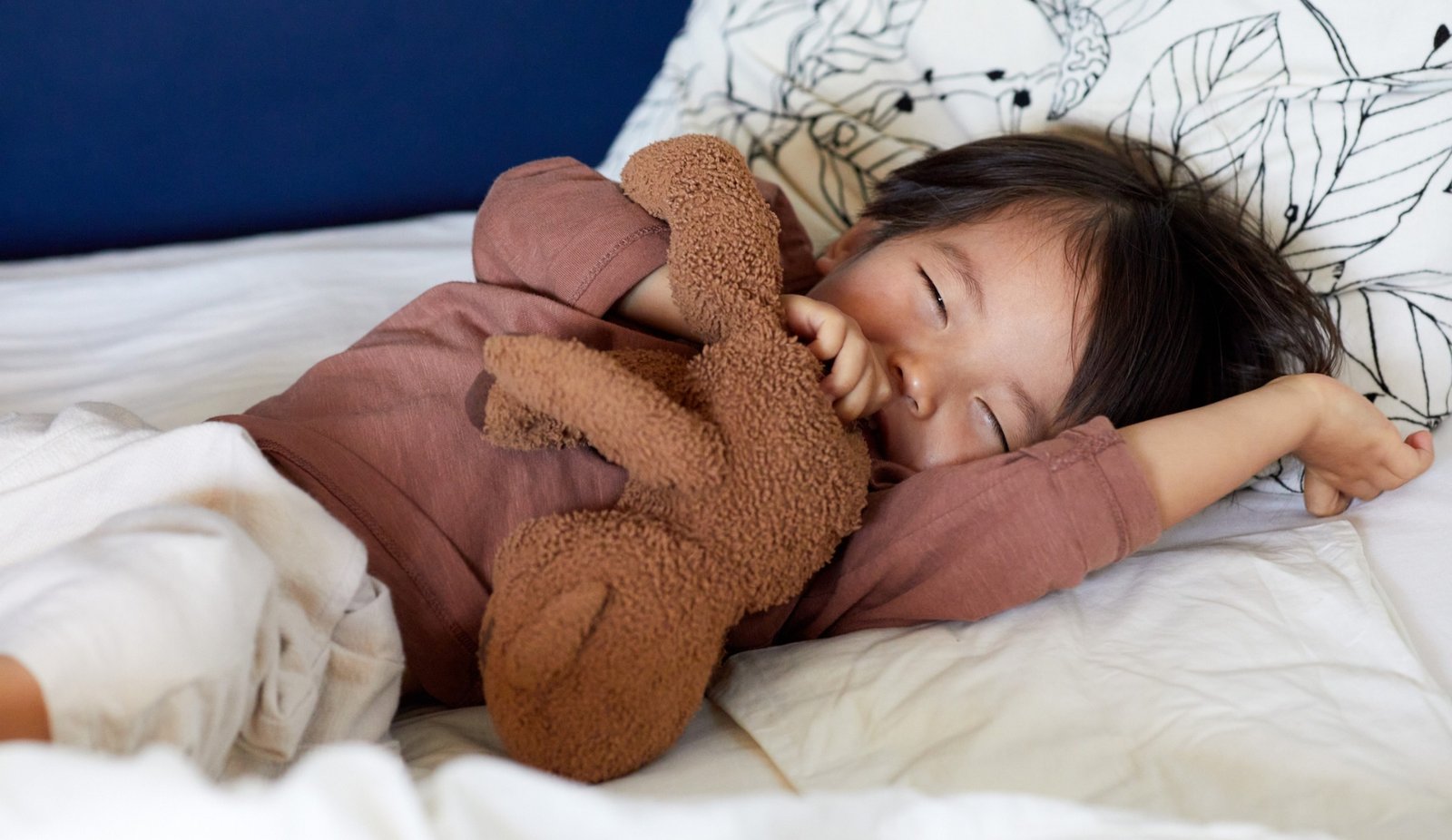
Recognizing the signs of sleep talking in your toddler can help you identify if it’s a regular occurrence. You may hear your child mumbling, giggling, or even crying out during the night. Sometimes, sleep talkers may appear to be awake, but they are still in a deep sleep state and are unaware of their surroundings.
Observing your child’s behavior during these episodes can provide insight into whether they are having dreams or simply expressing thoughts during their sleep.
In addition to vocalizations, other signs might include restlessness or sudden movements in bed. If your child seems to wake up confused or disoriented after talking in their sleep, it may indicate deeper sleep issues.
Keeping a record of these episodes, including the context of the bedtime routine and any stressors in your toddler’s life, can help you and your pediatrician determine if further evaluation is necessary.
How to Help a Toddler Talking in Their Sleep:
To support your toddler who is talking in their sleep, it’s essential to establish a calming bedtime routine. This routine can include activities like reading a soothing story, dimming the lights, or playing soft music to create a peaceful atmosphere.
Ensuring that your child gets enough hours of sleep each night is also vital, as sleep deprivation can exacerbate sleep talking and other sleep issues.
Addressing any underlying stress or anxiety in your child’s life can also be beneficial. Encourage open communication about their feelings and provide reassurance if they are experiencing nightmares or fears.
In some cases, consulting with a sleep medicine specialist may be helpful, especially if the sleep talking is frequent or associated with other disruptive sleep behaviors like sleepwalking or night terrors.
Commonly Asked Questions about Child Nightmare, Night Terrors, Sleepwalking & Sleep Talking (FAQs)
What to do about sleep talking in kids?
To manage sleep talking in kids, ensure a calm bedtime routine. Most cases are harmless, but consult a doctor if sleep talking is accompanied by fear, sleepwalking, or disruptions.
What is sleep talking and is it common in children?
Sleep talking is a normal part of development and is generally considered a common sleep behavior in children. It can occur during any stage of sleep and is more common in children than in adults.
When does sleep talking typically occur?
Sleep talking occurs during the lighter stages of sleep, typically during non-REM sleep, and can happen at any point throughout the night, including during naps.
Is sleep talking normal for toddlers?
is it normal for toddler to talk in sleep? Yes, sleep talking is a normal part of development in toddlers and is often harmless. About 50% of children will talk in their sleep at some point.
What causes sleep talking in children?
The exact causes of sleep talking are not well understood, but it may be linked to factors like genetics, stress, fatigue, or irregular sleep patterns. It can also run in families.
Should I be worried if my child talks in their sleep?
In most cases, sleep talking is normal and doesn’t require concern. However, if it is accompanied by other sleep disturbances or if you are unsure, it’s advisable to consult your child’s doctor.
Will my child remember their sleep talking?
Generally, children won’t remember talking in their sleep, as it occurs during unconscious sleep states.
Can sleep talking affect my child’s quality of sleep?
Most of the time, sleep talking is a normal behavior that won’t affect your child’s quality of sleep. However, if it disrupts their sleep or leads to waking frequently, it may be worth discussing with a healthcare professional.
Is sleep talking more prevalent in older children or teens?
Sleep talking is common in younger children, but it can persist into older children and teens. It tends to decrease in frequency as children grow older.
What should I do if my child talks in their sleep and wakes up?
If your child wakes up while sleep talking, it’s best to gently reassure them and guide them right back to sleep without causing disruption.
Conclusion
Toddler talking in sleep is generally common phenomenon that many parents encounter, and in most cases, it is nothing to worry about. Understanding the nature of sleep talking, its causes, and when to seek help can empower parents to manage their child’s sleep health effectively. Establishing a positive bedtime routine, ensuring adequate rest, and addressing any underlying stressors can promote healthy sleep habits and reduce occurrences of sleep talking. If concerns arise regarding the frequency or nature of sleep talking, consulting a pediatrician can provide reassurance and guidance for managing the situation.
Recommended posts
- When Do Toddlers Stop Taking Naps: (Kids & Nap Transition)
- How to Get Toddler to Stay in Bed at Night: (9 Proven Ways)
- How to Get Toddler to Talk and Communicate (Proven Tips)