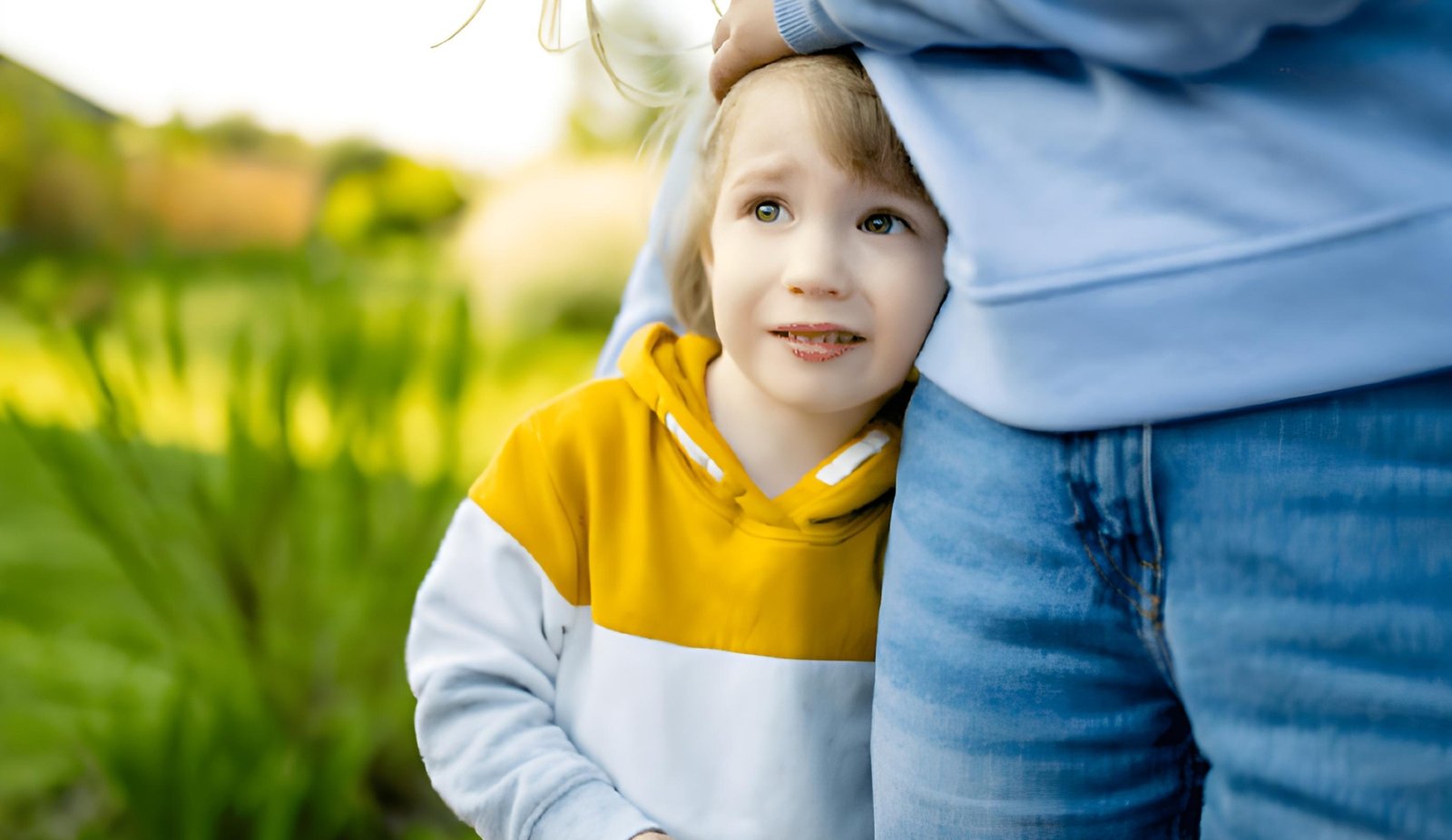
Clingy toddler—won’t let you out of sight for even a second? Whether it’s during daycare drop-off or just walking to another room, the tears and tight hugs follow. Is it just a phase or something to worry about?
Toddlers go through clingy stages as they grow emotionally and seek security. Experts like Dr. Laura Markham say separation anxiety peaks around 18 months to 3 years, and building trust through routines and gentle reassurance can ease their fears. Clinginess often signals a healthy bond, not a problem.
Curious how to support your toddler’s confidence while still giving them comfort? We’ll share proven strategies to help them feel safe and independent at the same time. Let’s turn clingy moments into chances to grow together.
Why Is My Toddler So Clingy?
Is your toddler clingy? Many parents find themselves asking, “Why is my toddler so clingy?” This behavior is often a normal part of development. Clinginess in toddlers can stem from various factors, including a desire for security and reassurance during times of change.
As your little one grapples with their growing independence, they may seek comfort in your presence, leading to clingy behavior. This phase can feel overwhelming, especially when your child wants to be held or follows you around incessantly.
Additionally, developmental milestones often trigger clinginess. When toddlers experience new situations, such as starting child care or having a new sibling, they may display extra clingy behavior as a way to cope with their feelings of insecurity.
It’s essential to recognize that this is a temporary phase; understanding the underlying reasons can help alleviate frustration. By providing consistent reassurance and support, you can help your child feel secure during these transitional periods.
4 Reasons Why Your Child Is Clingy
Here are the four common reasons why your child might be clingy, along with a little insight into what might be going on under the surface:
1. Separation Anxiety
This is a classic cause, especially in toddlers and preschoolers. At certain developmental stages (often between 6 months to 3 years), kids become more aware of their caregivers’ absence and may cling when they sense you’re leaving—even briefly.
Why it happens: Their brain is developing object permanence (realizing things exist even when out of sight), but they haven’t yet developed trust that you’ll always come back.
2. Big Life Changes
A move, new sibling, starting daycare, or even a shift in routine (like a new babysitter) can trigger clinginess.
Why it happens: Kids crave consistency. When their environment changes, they may turn to their safe person (you!) for extra comfort and reassurance.
3. Illness, Fatigue, or Discomfort
Sometimes clinginess is their way of telling you something’s off—like they’re feeling under the weather, teething, tired, or overstimulated.
Why it happens: They don’t always have the words or awareness to say “I feel off,” so they express it with clinginess.
4. Seeking Attention or Reassurance
When kids feel unsure about how loved, seen, or supported they are, they may cling more tightly to you.
Why it happens: It’s often not manipulation—it’s a real need for connection. They may feel insecure or have had a tough day, and physical closeness helps them regulate.
Understanding Clinginess and Separation Anxiety
Clinginess and separation anxiety often go hand-in-hand in toddlers. When a child is clingy, it usually indicates that they are seeking comfort and reassurance from their caregiver.
This clingy phase is a natural part of development as toddlers navigate their emotions and learn about their environment. Understanding this connection can help parents recognize that their child’s clinginess is not a reflection of their parenting skills but rather a normal developmental phase.
Separation anxiety typically peaks between 8 months and 3 years, manifesting as your child becomes increasingly aware of their surroundings and the concept of separation. Your toddler may experience heightened anxiety when you leave the room or encounter unfamiliar faces.
This reaction is a crucial part of their emotional growth, as they learn to differentiate between safe and unsafe situations. Being aware of this can foster a supportive environment for your child, allowing them to gradually build confidence in their ability to explore independently.
How to Deal with a Clingy Toddler?
Dealing with a clingy baby requires a blend of patience and strategic approaches. Firstly, providing consistent reassurance can help ease your child’s anxiety. When your little one expresses clingy behavior, acknowledge their feelings and offer comforting words.
For instance, letting them know that they are safe and you will return can instill a sense of security. Moreover, gradually encouraging independence can also be beneficial. Allowing your child to play independently while ensuring they know you are nearby can help lessen their clinginess over time.
Another effective strategy is to establish a goodbye ritual. This can help your toddler understand that separation is temporary. A consistent routine, such as a special wave or a phrase, can provide comfort as you leave.
Additionally, creating a welcoming environment for your child to explore while you are in another room can help them feel secure enough to engage in independent play. This approach not only promotes their emotional growth but also allows you to manage your tasks without constant interruption.
Recognizing When Clinginess May Be a Sign of a Deeper Concern:
While clinginess is common in toddlers, it’s crucial to recognize when it may indicate deeper concerns. If your child is extremely clingy to the point of distress, it may be a sign of separation anxiety that requires further attention.
A child who exhibits persistent clinginess, tantrums, or extreme discomfort in new situations might need additional support. Understanding your child’s mental health is paramount, and parents should observe their child’s behavior for changes over time.
Moreover, if you notice that your child’s clinginess is impacting their ability to engage in activities or socialize with peers, it may be worth consulting a pediatrician or child psychologist.
They can provide insights and strategies tailored to your child’s needs. By being proactive and attentive, you can not only help your child navigate their clingy phase but also ensure they are developing healthy coping mechanisms for the future.
3 Tips On How To Deal With A Clingy Child
When your 3-year-old is being super clingy, it’s important to help teach your child strategies for independence. Common for toddlers, this behavior often stems from a need for a secure attachment. Ask your child how they feel to understand their emotions better.
Here are 3 helpful tips on how to deal with a clingy child, while still being loving and supportive:
1. Acknowledge Their Feelings, But Set Gentle Boundaries
Let your child know you understand how they feel (“I see you’re sad when I leave”), but still follow through with necessary separation—like going to work or stepping away briefly.
How to do it:
Reassure them with consistency: “I’ll be back after lunch,” and then always follow through. Over time, this builds trust and confidence.
2. Create a Predictable Routine
Children thrive on routine—it gives them a sense of safety. When they know what to expect, they feel more in control and secure.
How to do it:
Use visual schedules or simple verbal cues like “First we eat, then you play while I do dishes.” This can help ease transitions and reduce clinginess.
3. Build Their Independence Through Play
Encourage solo play by being present but not directly involved. Stay nearby at first, then gradually increase your distance as they get more comfortable playing alone.
How to do it:
Start with something engaging—like a favorite puzzle or toy—and say, “I’ll be right over here folding laundry.” Praise their independence when they manage even a few minutes on their own.
Is it a Sign of Healthy Development?
It’s important to understand that clinginess is often a sign of healthy development in toddlers. This behavior reflects your child’s growing awareness of their emotions and relationships.
As your little one navigates their environment, seeking comfort through clinginess demonstrates their attachment to you as a safe base. It’s essential for parents to recognize that this is a natural phase, and embracing it can foster stronger emotional connections.
During this clingy stage, your child is learning to navigate their fears and uncertainties. By providing reassurance and support, you help them build trust and confidence in their abilities to explore the world around them.
Thus, while clinginess can be challenging, it ultimately serves as an essential building block for your child’s emotional well-being and development.
Commonly Asked Questions about Why Toddlers Become Clingy (FAQs)
What should I do if my toddler always wants to be held?
If your toddler is clingy and always wants to be held, it’s important to understand that this is a normal behavior during the toddler years. You can help your child feel more secure by giving your child opportunities for independence while still being supportive.
How can I help my child feel more comfortable during separations?
Practice short separations to help your child get used to being apart. Start with brief moments away and gradually increase the time as your toddler becomes more accustomed to it. This can help your child feel more confident in their independence.
My child is being clingy; what strategies to help manage this behavior can I use?
There are several strategies to help manage a clingy toddler. You can make eye contact, reassure them that you will return, and engage them in activities that encourage independence. Using positive parenting techniques can also help your child feel secure.
How can I tell my child that it’s okay to be independent?
You can tell your child that it’s okay to play alone or with others by using positive reinforcement. Encourage them when they play independently and praise their efforts. This can help your child feel more confident in their abilities.
What if my toddler is clingy because they need a little extra support?
If you feel your child is going through a phase where they need a little extra support, be patient. Spend quality time with them and provide comfort when needed, while also encouraging small steps toward independence.
How can I increase the time my child is okay being apart from me?
To increase the time your child is okay being apart, gradually extend the periods of separation. Start with short durations and ensure your child understands that you will return. This helps build trust and reduces anxiety over time.
What are some signs that my toddler is going through a clingy phase?
Signs that your toddler is going through a clingy phase include wanting to be held or carried all the time, crying when you leave the room, or needing constant reassurance. These behaviors often peak around the time a child is 3 years old.
Is it normal for a toddler to want to be held all the time?
Yes, it is completely normal for a toddler to want to be held all the time. This behavior is part of their development and can indicate that they are seeking comfort and security. Providing them with support while encouraging independence is key.
How can I help my child develop independence while still being supportive?
To help the child develop independence while still being supportive, create a balance by engaging in activities that promote self-reliance, such as allowing them to choose their own clothes or play independently, while also being available for comfort and reassurance when needed.
Conclusion
So, why Is my toddler so clingy? In conclusion, handling a clingy toddler requires patience, understanding, and effective strategies. By recognizing the reasons behind your child’s clinginess and employing supportive techniques, you can help your little one transition through this phase with confidence. Remember that clinginess is a normal part of development, and with time, your child will grow less clingy as they build their independence. Embrace this journey, and you will foster a strong and secure bond with your child that will benefit their overall mental health and emotional growth.
Recommended posts
- How to Get an Overtired Newborn to Sleep? (Tested & Proven)
- How Do You Deal with a Self Centered Toddler: Tips That Help
- How to Get Toddler to Stop Screaming (7 Effective Ways)