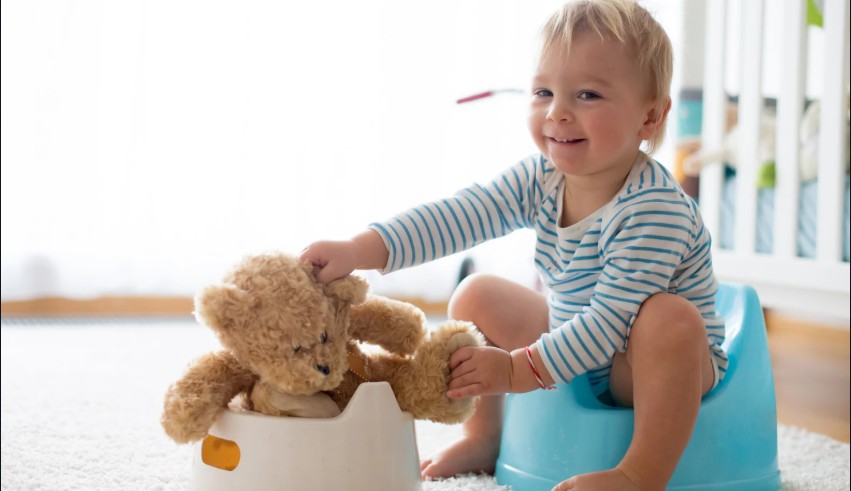
How do you deal with a self centered toddler who always wants things their way? From snatching toys to refusing to share, this behavior can be exhausting. But is it just part of normal child development—or something to worry about?
Toddlers are naturally egocentric as their brains are still learning empathy and self-control. Child psychologists like Dr. Tovah Klein explain that gentle guidance, consistent boundaries, and role modeling can teach them how to think beyond themselves. It’s all about progress, not perfection.
Curious how to raise a kind, thoughtful child without constant power struggles? We’ll break down expert tips and real-life strategies to help your toddler grow emotionally. Let’s uncover how to shape those big personalities with care and love.
How Do You Deal with a Self Centered Toddler?
To effectively deal with a self-centered toddler, it is essential to approach the situation with patience and understanding. Children at this age are still learning how to share and think of others, which means they may often exhibit selfishness behaviors.
As a parent, you can help them develop empathy and impulse control by modeling generous behaviors yourself. Encourage your child to express their feelings while guiding them to consider the feelings of others. By creating an environment that values sharing and collaboration, you will help your toddler understand the importance of thinking beyond their own needs.
Another effective tip is to establish clear boundaries and expectations around sharing and cooperation. When your toddler exhibits self-centered behavior, gently remind them of the consequences of their actions. Instead of reacting with frustration, take a moment to explain why it is essential to share and be considerate of others.
Engaging in role-playing scenarios can also help toddlers grasp the concept of empathy and develop a more generous attitude. Consistently reinforcing these lessons will build a foundation of kindness within your child, helping them become less self-centered as they grow older.
– Character Matters: Raising Kids With Values That Last
Raising children with strong values is crucial in helping them develop into caring adults. Teaching your toddler the importance of compassion and consideration from a young age establishes a foundation for their character developmental.
Parents can introduce stories or examples of generosity to illustrate how thinking about others first can create positive interactions. By fostering an environment where empathy is practiced and valued, you can help your child understand that their actions have consequences and that caring for others is a vital aspect of life.
Moreover, using everyday moments as teaching opportunities can be particularly effective. For instance, during playtime, encourage your toddler to share toys and take turns. By reinforcing these behaviors consistently, you will help them recognize that self-centeredness can frustrate their playmates and lead to undesirable outcomes.
Additionally, discussing feelings and experiences openly will enhance their emotional intelligence and help them grasp the significance of developing a generous spirit. This approach will assist in shaping their character as they navigate various social situations.
– Discipline Children without Yelling
Disciplining a self-centered toddler does not have to involve yelling or harsh consequences. Instead, parents should focus on positive reinforcement and constructive feedback. When your child displays considerate behavior, celebrate it! This positive acknowledgment encourages them to continue making thoughtful choices.
Avoiding excessive criticism can also reduce stress for both you and your child, as it allows for a more supportive learning environment. Instead of reacting with anger to selfish acts, calmly discuss the behavior and its impact on others to help them understand the importance of empathy.
In addition, utilizing natural consequences can be an effective method of discipline. When a toddler refuses to share a toy, they may find themselves playing alone, which can serve as a valuable lesson about the importance of cooperation.
By allowing them to experience the direct results of their actions, you help solidify the connection between behavior and consequence. This approach promotes self control and consideration for others, gradually guiding your child away from self-centeredness as they learn to value relationships and teamwork.
What Mistakes Should Parents Avoid?
One critical mistake parents often make is failing to create teaching opportunities when their child exhibits selfish behavior. Instead of addressing the situation and guiding the child toward understanding, some parents may choose to overlook the behavior, believing it is just a phase.
However, this approach can lead to entrenched self-centeredness in the child. By actively engaging your toddler during these moments, you can help them develop crucial social skills and empathy, allowing them to grasp the importance of sharing and considering others.
Another common error is not introducing children to volunteer work or community service at an early age. Engaging your toddler in activities that benefit others can significantly enhance their understanding of generosity and compassion.
These experiences will help them recognize the importance of helping those in need and develop a sense of gratitude. By providing opportunities for your child to be involved in altruistic activities, you encourage them to think beyond their own needs and become more aware of their impact on the world around them.
– Failing to Create Teaching Opportunities
Parents must remain vigilant in identifying moments that can serve as teaching opportunities. For instance, when your toddler shows self-centeredness by refusing to share a toy, this moment can be a valuable lesson in empathy.
Instead of letting it slide, take the time to discuss the importance of sharing and how it affects their playmates. By addressing such concerning behaviors early on, you can prevent them from becoming ingrained habits. Teaching your child about the feelings of others will help them develop a more considerate and generous older children attitude.
Furthermore, providing consistent feedback during these teaching moments is essential. When your child demonstrates selfish behavior, gently correct them and explain why their actions may not be appropriate.
Encourage them to express their feelings but also guide them to understand how their actions can impact others. This consistent reinforcement will help instill the values of empathy and cooperation, ultimately leading to a less self-centered mindset. Through patience and persistence, parents can effectively shape their child’s behavior, fostering a more compassionate and understanding individual.
– Not introducing them to volunteer work
Neglecting to introduce children to volunteer work can hinder their development of empathy and selflessness. Participating in community service activities allows toddlers to witness the impact of kindness and generosity firsthand. Engaging in volunteer work together not only strengthens the parent-child bond but also reinforces the importance of helping others.
When children see the joy that comes from giving, they are more likely to internalize these values and carry them into adulthood. Early exposure to volunteerism can profoundly influence a child’s perspective and behavior.
Additionally, involving your toddler in age-appropriate volunteer activities can help them learn valuable life lessons. For example, helping at a local food bank or participating in a neighborhood cleanup can provide tangible experiences that foster feelings of gratitude and compassion.
As they witness the positive outcomes of their actions, children will begin to understand the significance of thinking about others’ needs. This foundational understanding will help them develop a less self-centered attitude and cultivate a lifelong commitment to giving back to their community.
– Granting everything without enforcing gratitude
Another significant mistake parents make is granting their children’s every wish without teaching them the value of gratitude. When toddlers grow accustomed to receiving everything they want, children may develop a sense of entitlement.
It is essential to instill the concept of appreciation for what they have. Encouraging your child to express gratitude, even for small gestures, can help them become more considerate and less self-centered. Modeling gratitude in your daily life will also reinforce this behavior, as children often learn by observing their parents.
To foster an attitude of gratitude, consider implementing simple practices such as discussing what you are thankful for during family meals. This practice helps toddlers articulate their feelings and recognize the importance of appreciating what they have.
Furthermore, involving them in acts of kindness, such as writing thank-you notes or expressing appreciation to others, can reinforce this lesson. By consistently emphasizing the value of gratitude, parents can help their children develop a more generous spirit, ultimately leading to a less self-centered approach to life.
Conclusion
In conclusion, dealing with a self-centered toddler requires patience, understanding, and proactive parenting strategies. By employing effective tips such as modeling generosity, establishing consistent boundaries, and creating teaching opportunities, parents can guide their children toward developing empathy and compassion.
Avoiding common pitfalls, such as neglecting to introduce volunteer work and failing to enforce gratitude, will further enhance a child’s character development. Ultimately, nurturing these values in early childhood lays the groundwork for raising considerate adults who think of others and contribute positively to society.
As parents, it is essential to remember that toddlers are naturally self-centered, and this behavior is a normal part of their development. By employing consistent techniques and fostering an environment that prioritizes generosity, parents can help their children grow into individuals who are less self-centered and more considerate of others. With time, patience, and dedication, you can empower your toddler to embrace a compassionate attitude, setting them on a path toward becoming empathetic and generous adults.
You might also like:
- How to Stop Toddler from Throwing Things When Angry (Proven)
- Very Active Toddler Not Talking: Reasons & When to Worry?
- How to Handle a Clingy Toddler with Patience and Confidence