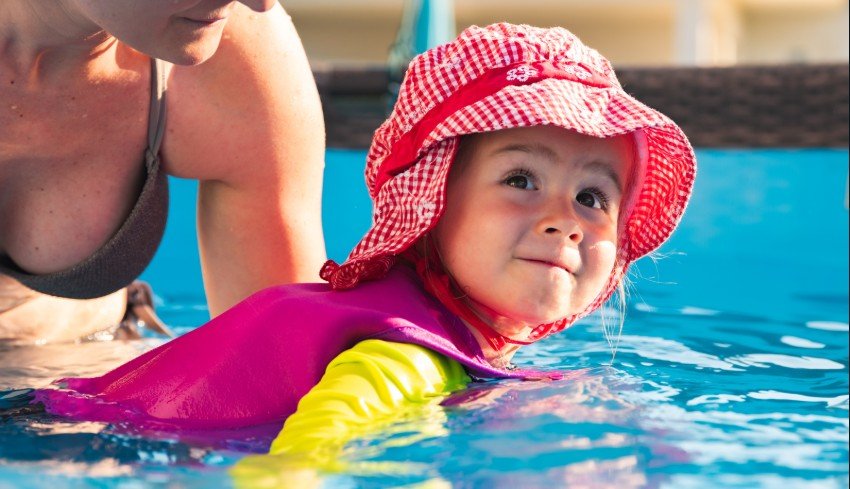
How to teach a toddler to swim—should you start early or wait until they’re older? Many parents wonder when and how to safely introduce their child to the water. Is splashing around enough, or should there be structure?
Experts like the American Academy of Pediatrics recommend starting swim lessons as early as age 1, focusing on water safety and comfort. Simple games, floating techniques, and lots of encouragement can build skills without fear. Always supervise closely and make it fun.
Want to help your toddler gain water confidence while staying safe? We’ll walk you through easy, proven methods to make swim time both fun and effective. Let’s dive into the best ways to turn your little one into a happy, safe swimmer!
Why Should Your Child Learn to Swim?
Learning to swim is a vital skill for toddlers, as it can significantly reduce the risk of drowning, one of the leading causes of accidental death among young children. When you teach your child to swim, you are providing them with a life-saving skill that promotes independence and boosts their confidence in the water.
As children learn to float, blow bubbles, and propel themselves through the water, they develop a sense of accomplishment that can enhance their self-esteem. Moreover, swimming lessons can be a fun bonding experience, fostering a love for water that can last a lifetime.
The ability to swim not only ensures safety but also opens up a world of recreational opportunities for your toddler. Swimming can be a delightful way for families to spend time together, whether at the beach, pool, or lake.
Furthermore, as your child learns to swim, they will engage in physical activity that promotes overall health and development. Through these lessons, your toddler will learn the importance of water safety, which will serve them well throughout their lives.
How to Teach a Toddler to Swim Safely (6 Simple Skills to Learn)
When teaching your toddler how to swim, safety should always be the top priority. Start by familiarizing your child with the water in a safe environment, such as a shallow pool or a kiddie pool. Ensure that your young child wears appropriate safety gear, such as a life jacket or floaties, to boost their confidence while they learn.
Encouraging your child to relax in the water is crucial; this can be achieved by playing games and incorporating fun water activities, like blowing bubbles or splashing around. It’s also essential to stay within arm’s reach of your child at all times to ensure their safety.
As you progress in teaching swimming skills, gradually introduce your toddler to various techniques. Start with simple exercises, such as encouraging your child to kick towards the side of the pool or practice floating on their back.
A professional swim instructor can provide valuable guidance in teaching kids to swim safely and effectively. Remember to celebrate small victories and encourage your child throughout the learning process. This positive reinforcement can make the experience enjoyable and rewarding, fostering a love for swimming in your toddler.
Benefits of Enrolling Your Toddler in Swimming Lessons
Enrolling your toddler in swimming lessons offers a range of benefits that go beyond just learning to swim. Here’s a breakdown of the key advantages:
🧠 Developmental Benefits
- Improved Cognitive Skills
- Swimming helps enhance brain development through cross-lateral movement, which boosts communication between the brain’s hemispheres—important for reading, language development, and spatial awareness.
- Motor Skill Enhancement
- Kicking, splashing, and arm movements improve coordination, balance, and gross motor skills.
- Social and Emotional Growth
- Being in a class with peers fosters social interaction, sharing, and turn-taking. It also builds confidence as they conquer new challenges.
💪 Physical Health Benefits
- Muscle Strength and Endurance
- Swimming strengthens muscles and joints while improving cardiovascular health.
- Better Sleep Patterns
- Physical activity like swimming can help toddlers expend energy in a healthy way, leading to improved sleep.
- Boosted Immunity
- Regular exercise can contribute to a stronger immune system over time.
🛟 Safety and Water Confidence
- Early Water Safety Awareness
- Toddlers become more familiar with water, reducing the risk of panic or drowning. While no lesson replaces supervision, it adds a layer of safety.
- Life-Saving Skills
- Many lessons include floating, paddling, and basic survival techniques suitable for their age.
😊 Emotional and Confidence Boost
- Builds Independence
- Overcoming fear and learning new skills instills a sense of independence and self-esteem.
- Encourages Routine and Discipline
- Regular lessons help develop focus and understanding of structured activity.
👫 Parent-Child Bonding (in Parent-Tot Classes)
- Many toddler swim classes are parent-involved, creating meaningful shared experiences and enhancing trust between parent and child.
When Should You Teach Your Child to Swim?
The ideal time to start teaching your toddler how to swim can vary based on individual readiness, but many experts recommend beginning at around age 4. However, you can introduce your child to water play as early as infancy, which helps them become acclimated to swimming environments.
By the time your child reaches toddlerhood, they can begin structured swim lessons that focus on foundational skills. It’s essential to assess your child’s comfort level in the water and their willingness to learn; every child is different, and readiness can vary significantly.
When deciding to teach your child to swim, consider enrolling them in lessons during warmer months when outdoor swimming is more accessible. Regular practice is key, so establishing a routine can help your child become proficient in their swimming skills.
Additionally, ensure that your toddler is excited about swimming; encouraging your child to express their feelings about water will help you determine the best approach.
Ultimately, the best way to teach your toddler how to swim is to create a supportive and enjoyable learning environment that encourages them to explore and develop their skills.
Commonly Asked Questions about Teaching Child How to Swim (FAQs)
What’s the best way to teach kids to swim at an early age?
How to teach a toddler how to swim? The best way to teach kids to swim at an early age is to start with fun activities that involve water. Begin by allowing your child to play in shallow water, gradually introducing them to floating and kicking their legs. Use games and toys to make the experience enjoyable while ensuring their safety.
How can I help my child gain confidence around water?
To help your child gain confidence around water, it’s important to create a positive experience. Start with shallow water where they can stand comfortable in the water. Encourage them to play and explore, using flotation devices if necessary, and always be close by to offer support and reassurance.
Should I use flotation devices when teaching my child to swim?
Yes, flotation devices can be helpful when teaching kids to swim. They provide support and help your child feel safe in the water. However, be cautious not to give them a false sense of security, as they should eventually learn how to swim without them.
At what age should I start teaching my child to swim?
You can start teaching your child to swim as early as age 1, but many experts recommend starting formal swimming lessons around age 4. This is when children typically have the physical and cognitive ability to learn actual swimming skills.
How can I teach my child to float?
To teach your child to float, have them lie on their back in the water while you support them. Encourage them to relax and keep their body horizontal. Use a kickboard or other flotation device to help them feel secure as they learn this essential skill.
What safety precautions should I take while teaching my child to swim?
Always prioritize your child’s safety when teaching them to swim. Ensure they are wearing a life jacket if needed, stay within arm’s reach, and avoid deep water. Teaching in a controlled environment, like a pool, can also help minimize risks.
How can I encourage my child to put their face in the water?
To encourage your child to put their face in the water, turn it into a fun game. Start by having them blow bubbles or splash water gently on their face. Gradually help them learn how to submerge their face while holding your child onto the side of the pool or using a kickboard for support.
What activities can I use to teach my child to kick effectively?
You can use simple games like “kickboard races” where your child kicks while holding onto a kickboard. Encourage them to kick from their tummy while floating on their back or using toys to motivate them to move through the water.
How can I make swimming lessons fun for my child?
Incorporate playtime into your swimming lessons. Use toys, games, and songs to engage your child. For instance, you can create a treasure hunt in the shallow end or play follow-the-leader to make learning to swim an enjoyable experience.
Conclusion
So, how to teach toddler to swim? In conclusion, teaching toddlers to swim is a vital investment in their safety and well-being. By understanding the importance of water safety and the benefits of swim lessons, you can create a fun learning experience for your child. Whether you choose to teach your child yourself or enroll them in professional swim lessons, the essential goal remains the same: to help your child learn to swim confidently and safely. Remember to encourage your child throughout the process, celebrating their achievements and fostering a lifelong love for swimming. With the right approach and mindset, your toddler will be well on their way to becoming a skilled swimmer.
Recommended posts
- Very Active Toddler Not Talking: Reasons & When to Worry?
- How to Stop Toddler from Throwing Things When Angry (Proven)
- Outdoor Activities for Toddlers to Encourage Play & Learning