How to stop toddler from throwing things—sound familiar? Whether it’s food from the highchair or toys across the room, many parents face this messy phase. Is it a behavior problem or just a normal part of growing up?
Throwing is often a way toddlers explore cause and effect or express big feelings. Experts like Dr. Harvey Karp suggest clear limits, consistent responses, and offering safer ways to release energy. Redirection and calm guidance often work better than punishment.
Curious about the strategies that actually work? We’ll share smart, simple tips backed by child development pros to help you handle this with confidence. Let’s turn those flying toys into teachable moments!
Why Toddlers Throw Things?
Toddlers often throw things as a way to express their emotions. At this stage, children are still developing their communication skills, and when they experience frustration or anger, they might resort to throwing objects to convey their feelings.
They may not fully understand the consequences of their actions or how to articulate their needs, leading to this challenging behavior. Moreover, the act of throwing can also be a form of exploration, as toddlers are curious about how objects move and react when tossed.
Understanding this aspect of child development can help parents navigate these situations with empathy and patience.
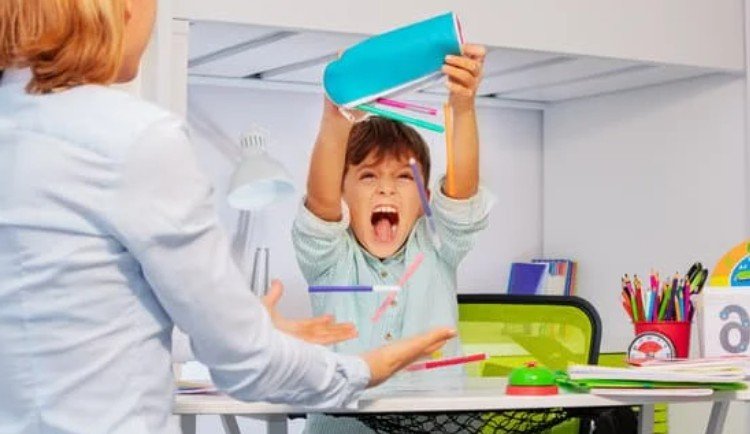
In addition to expressing emotions, toddlers may throw things because it gets a reaction from adults. If a child throws a toy and their parent yells or rushes to take it away, they may see this as a form of engagement. This attention, whether positive or negative, reinforces the throwing behavior.
Additionally, toddlers are naturally inclined to test boundaries and see how far they can push their limits. Thus, throwing becomes not just an expression of frustration, but also a way to explore their environment and their relationship with caregivers.
Is Throwing Things Normal for Toddlers?
Yes, throwing things is considered a normal part of toddler development. Most children, whether they are 2 years old or 3 years old, will engage in throwing behaviors at some point. This behavior is often linked to their developmental milestones, where they are learning about cause and effect, as well as improving their motor skills.
It’s essential for parents to recognize that while throwing things can be annoying, it is a natural expression of their child’s learning process. As they grow and develop better communication skills, this behavior typically diminishes.
However, it’s important to differentiate between normal throwing and problematic behavior that could lead to harm. While it’s normal for toddlers to throw balls or soft toys as part of play, throwing objects in anger can signal a need for better emotional regulation.
Parents should remain vigilant and monitor their child’s behavior, as excessive throwing or throwing things at people can indicate underlying frustration or difficulty with managing emotions. In these cases, proactive strategies to guide behavior are essential.
How to Stop Toddler from Throwing Things at People?
To effectively stop your son from throwing things at people, it’s important to establish clear boundaries. First, calmly explain that throwing things at others is not acceptable behavior. Use simple language that your child can understand, and ensure your message is consistent.
Reinforcement is key; praise your child when they express their feelings verbally instead of resorting to throwing. It’s crucial to stay calm during these moments, as reacting with anger can escalate the situation and reinforce the behavior.
Another effective method is to set up a safe space for your child to express their emotions. If you notice that your toddler is becoming frustrated, redirect them to a soft toy or a designated area where they can throw objects safely.
This technique not only diverts their attention away from throwing at people but also provides an outlet for their pent-up feelings. Consistency and patience are vital when employing these strategies, as it may take time for your child to learn appropriate ways to express their emotions without resorting to throwing.
Remember: Tossing items is an enjoyable and novel activity for numerous toddlers. It requires the development of fine motor skills to release an object by opening the fingers, as well as significant hand-eye coordination to successfully throw it. It’s no surprise that your toddler is eager to hone this thrilling ability!
3 Tips to Stop Your 2 Year old Throwing Things
When looking to stop a two year old son from throwing, it’s important to implement practical strategies. First, staying calm and setting clear limits is essential. Explain to your child that throwing things can hurt others and that they need to stop throwing toys.
– Stay Calm & Set Clear Limits
Staying calm when your toddler throws things is crucial for effective parenting. If you react with anger or frustration, it can inadvertently reinforce the behavior, making it more likely to happen again. Instead, take a deep breath and calmly explain why throwing is unacceptable. Setting clear limits on behavior helps your child understand what is expected. Use simple language, such as, “We don’t throw toys, it can hurt someone,” to convey your message. Reinforcing these limits consistently will help your toddler learn to express their emotions in healthier ways.
– Redirect your child.
Redirecting your child when they are about to throw something is a proactive approach that can significantly reduce throwing incidents. When you notice signs of frustration, gently guide your toddler’s attention to a different activity or toy. For example, if your child is holding a toy and seems ready to throw it, suggest they throw a soft ball instead, or engage them in a fun game. This redirection provides an outlet for their energy while steering them away from the undesired behavior of throwing things.
– Removing Attention from Problem Behavior
Removing attention from problem behavior is a key strategy for managing a toddler’s throwing issues. When a child throws something in anger, reacting with frustration or yelling can unintentionally reinforce that habit of throwing. Instead, calmly ignore the throwing and emphasize positive behavior when it occurs. This approach teaches your child that throwing does not garner attention, while appropriate behaviors do. It’s essential to remain consistent with this strategy to effectively encourage change.
Remember: If you notice your toddler beginning to throw, distract them with a fun activity or a different toy. Encouraging your child to throw a ball in a safe setting, like outside or in a designated play area, can satisfy their need to throw without causing harm.
Commonly Asked Questions about How to Stop a Toddler from Throwing Things (FAQs)
Why does my two-year-old son love to throw things when angry?
Throwing things can be a normal stage of development for toddlers, as they are exploring their environment and learning about cause and effect. It may also be a way to express frustration during tantrums when they can’t communicate their feelings effectively.
How can I stop my toddler from throwing toys during a tantrum?
To stop your child from throwing, try to identify the trigger for the tantrum and intervene before it escalates. Offer alternatives and redirect their energy towards another activity that allows them to express themselves safely.
What should I do when my 3-year-old starts throwing things and hitting?
When your child starts throwing things or hitting, it’s important to calmly intervene. Use a firm but gentle tone of voice to explain why throwing is not a good choice. You can also implement time-out strategies to help them understand the consequences of their actions.
How can I help my child develop better fine motor skills instead of throwing stuff?
Engage your toddler in activities that promote fine motor skills, such as building with blocks or playing with plastic balls. These activities can redirect their desire to throw and help them develop better coordination and control.
Is it normal for my toddler to throw things as part of their development?
A: Yes, throwing can be considered developmentally appropriate behavior for toddlers as they are learning about their physical capabilities. However, it’s essential to guide them towards good choices and appropriate ways to express their emotions.
How can I effectively intervene when I see my toddler trying to stop throwing?
When you notice your toddler starting to throw, it’s crucial to intervene quickly. Use a calm demeanor to redirect their attention, and encourage them to engage in another activity that they enjoy, which can help them release their energy constructively.
What are some positive reinforcement strategies to stop my child from throwing?
Using positive reinforcement can be effective. Praise your child when they make good choices, such as playing gently or expressing their feelings verbally instead of throwing. This encourages them to repeat those behaviors in the future.
When should I consider using time-out for my toddler’s throwing behavior?
Time-out can be an effective strategy when your child’s throwing becomes aggressive or harmful. It’s important to use time-out as a way to help them calm down and reflect on their behavior rather than as a punishment.
How can I teach my toddler to express their feelings without throwing things?
Encourage your child to use words to express their feelings. Role-playing scenarios and teaching them phrases like “I’m angry” or “I need help” can provide them with tools to communicate instead of resorting to throwing.
How long does the throwing food phase last?
The throwing food phase typically lasts 6–12 months, peaking around ages 1–2. Most toddlers outgrow it by age 3 with consistent guidance. Stay patient and reinforce mealtime manners.
Is it normal for a 12 year old to throw tantrums?
Yes, it’s normal for an older child, like a 12-year-old, to throw tantrums. Emotional outbursts can result from hormonal changes, stress, or difficulty managing strong feelings.
Conclusion
So, how to get toddler to stop throwing things? In conclusion, managing a toddler’s throwing behavior requires understanding, patience, and consistent strategies. Recognizing that throwing is a normal part of development can help parents approach the situation with empathy. By staying calm, setting clear limits, redirecting energy, and removing attention from problem behavior, you can effectively teach your child healthier ways to express their emotions. With time and consistent reinforcement, you will find that your toddler’s throwing will decrease, leading to a more harmonious home environment.
Recommended posts
- Gentle Parenting Discipline 4 Year Old: A Positive Approach
- How to Teach Toddler to Swim: (6 Simple Skills to Learn)
- How Do You Deal with a Self Centered Toddler: Tips That Help
- What to Put in Toddler Easter Eggs: (Non-Candy Safe Ideas)
- 10 Phrases to Use When Your Toddler Doesn ‘T Listen