When can a baby have a pillow? Wondering when it’s safe to give your toddler a pillow? As your little one grows, you might start to question if adding a pillow will help them sleep better—or pose a risk. So, when is the right time to make this cozy upgrade? So, when to introduce pillow to toddler?
Most experts, including the American Academy of Pediatrics, suggest introducing a pillow after 18–24 months, once your toddler has transitioned to a toddler bed. At this age, their risk of suffocation decreases, and a small, firm toddler pillow can add comfort without compromising safety. Always choose one specifically designed for toddlers—not an adult-sized pillow.
Curious about signs your toddler is ready for a pillow or what kind of pillow to choose? Let’s explore the safest and smartest ways to make bedtime more comfortable—while keeping your child’s health the top priority.
When to Introduce Pillow to Toddler?
When can a toddler have a pillow? Most experts recommend introducing a pillow to your toddler when they are over 2 years old. The American Academy of Pediatrics advises against pillows in the crib for infants due to the risk of suffocation.
Generally, by the age of two, many toddlers are developmentally ready to use a pillow, as their neck and head support needs change. However, every child is different, and some may be ready earlier or later than this guideline.

Observing your child’s comfort level can help determine if they are ready for a pillow. If your toddler seems uncomfortable without a pillow, it might be a sign that they are ready to transition.
As you consider this transition, it’s essential to assess your toddler’s individual needs. Some signs of readiness include their ability to move around safely in their sleep environment and their comfort when lying down.
If they frequently complain about discomfort while sleeping, it may be time to introduce a pillow. Additionally, transitioning from a crib to a toddler bed is often an ideal time to consider giving your toddler a pillow, as it can enhance their sleep quality and overall comfort during the night.
4 Signs Your Toddler Needs a Pillow
Recognizing the signs that your toddler needs a pillow can help facilitate a smoother transition. Here are 4 signs your toddler might be ready for a pillow:
1. They’re Restless or Waking Frequently at Night
If your toddler tosses and turns or wakes up often, it could be due to discomfort from sleeping flat. A small pillow may help provide better neck and head support.
2. They Use Blankets or Stuffed Animals as a Pillow
If you notice your toddler bunching up soft toys, blankets, or even their arms under their head, they might be instinctively trying to create head support — a sign they’re ready for a real pillow.
3. They’ve Transitioned to a Toddler Bed
Moving from a crib to a toddler bed is often a natural time to introduce a pillow. It’s a sign they’re growing up and ready for a bit more sleep comfort.
4. They Ask for One
Simple but telling — if your toddler points to your pillow or asks for one of their own, they’re expressing a preference, and that’s a great cue to consider a toddler-safe pillow.
Dangers of Letting Your Toddler Sleep With a Pillow
While introducing a pillow can be beneficial, there are dangers to consider. The risk of suffocation is a significant concern for toddlers who are not developmentally ready for a pillow. Infants and younger toddlers, particularly those under 12 months, should not sleep with pillows as they may not have the ability to reposition themselves effectively.
This can lead to dangerous sleep environments. The American Academy of Pediatrics strongly advises against the use of pillows for children under two years due to these suffocation risks.
Moreover, using an adult pillow can pose additional dangers. Adult pillows are often too soft and can obstruct a toddler’s airway, increasing the risk of suffocation. It’s crucial to choose perfect pillow that are specifically designed for their needs. These pillows should be firm and appropriately sized to ensure comfort without compromising safety.
Educating yourself about the potential hazards of introducing a thick pillow can help you make informed decisions that prioritize your toddler’s safety and health during sleep.
Safety Considerations for introducing a Pillow: Guidelines for Safe Sleep
When introducing a pillow to your toddler, following safety guidelines is essential. First, ensure that the pillow you choose is specifically designed for toddlers, emphasizing a firm and low-profile design. This can help support your toddler’s neck without posing a suffocation risk.
It’s also important to create a safe sleep environment by removing any other soft objects from the toddler bed, such as stuffed animals or heavy blankets, which can also pose hazards. The toddler’s sleeping space should be free of anything that could obstruct their breathing.
Consulting with your pediatrician before introducing a pillow can provide additional guidance tailored to your child’s needs. They can assess whether your little one is ready for a pillow based on their development and babies sleep patterns.
Additionally, monitor your toddler’s sleep after introducing a pillow to ensure they adjust well. Keeping an eye on their comfort level and sleep quality will help determine if the transition was successful. By prioritizing safety and following these guidelines, you can help ensure a healthier sleep environment for your toddler.
Dream Easy Kids Pillow – Choosing the Right Pillow
Choosing the right pillow for your toddler is essential for ensuring a good night’s sleep. The Dream Easy Kids Pillow is designed with toddlers in mind, providing the perfect balance of comfort and support.
Made from hypoallergenic materials, this kids’ pillow helps reduce allergies while offering a firm yet soft surface for your little one to rest their head. It’s crucial to select a pillow that maintains the right height and firmness to support your toddler’s neck while they sleep.
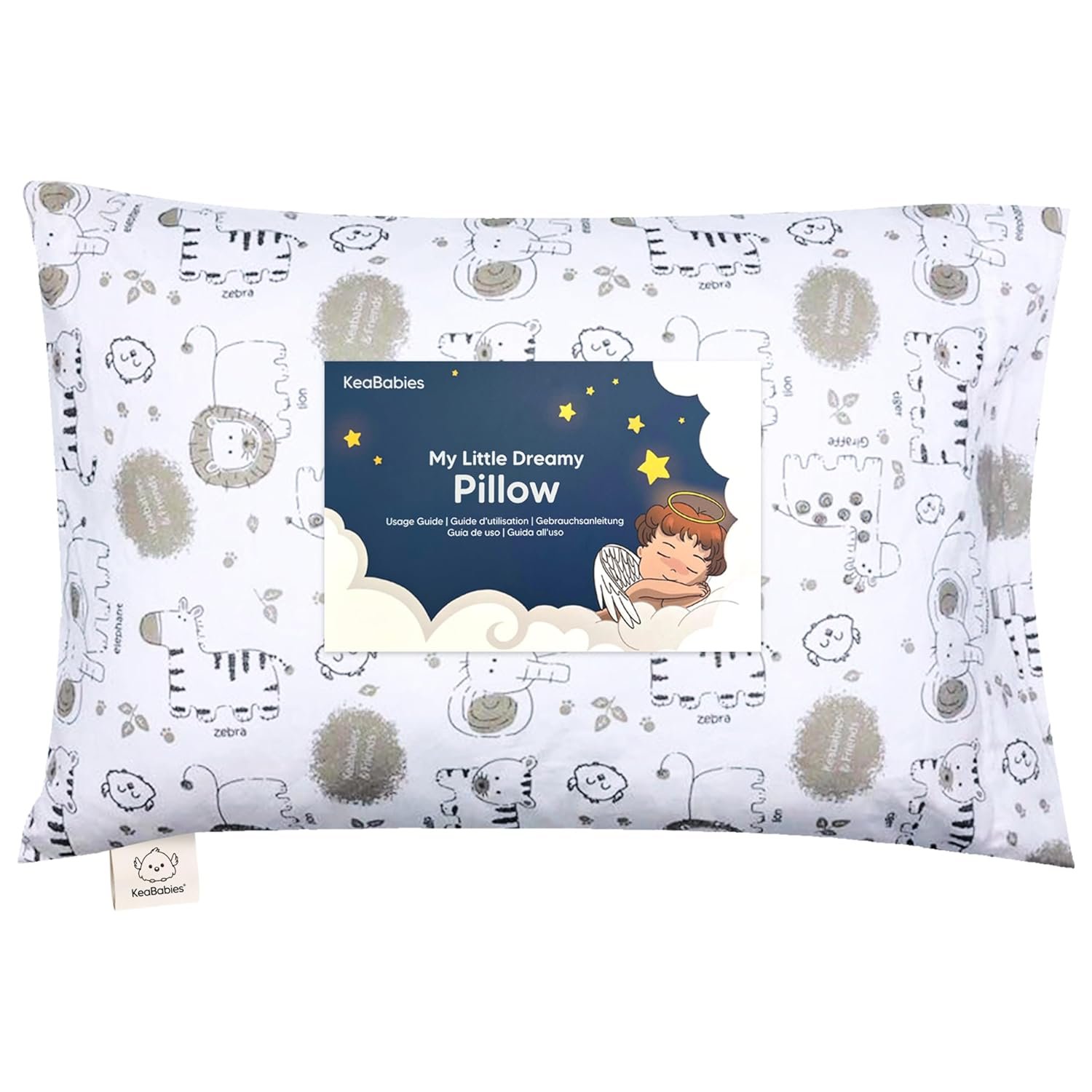
When selecting a pillow, consider your toddler’s sleeping position. If they sleep on their back or side, a low-profile pillow can help maintain proper head and neck alignment. Additionally, a washable cover is essential for easy maintenance and cleanliness.
The Dream Easy Kids Pillow not only meets these criteria but also encourages your toddler to develop healthy sleep habits. By investing in a quality pillow designed for toddlers, you can enhance your child’s sleep experience, helping them feel secure and comfortable throughout the night.
Commonly Asked Questions about When Can a Toddler Use a Pillow (FAQ)
When is it safe for your child use a pillow?
is it safe to give your child a pillow? Wait until age 2 to introduce the pillow on their bed, earlier use risks suffocation. Choose a small, firm pillow and ensure their sleep space remains safe and clutter-free.
When do children need to use a pillow?
When Can Kids Sleep With a Pillow? Children typically need a pillow around age 2 years, when it’s safer for neck support. Always choose a pillow that’s firm, flat, and sized for small heads to ensure safety and comfort.
What to look for when buying your toddler a pillow?
When buying your toddler a pillow, ensure they’re over 12 months old, experts agree. Opt for a small, firm, hypoallergenic pillow, asking for a pillow with breathable covers for safety and comfort.
How to Introduce a Toddler to a Pillow or Blanket?
To transition your baby or toddler from crib to a bed, introduce a small pillow or lightweight blanket when kids need extra comfort—around 18-24 months. Ensure safety by choosing breathable, firm materials.
Do toddlers actually need pillows?
No, toddlers don’t need pillows. Experts recommend avoid using pillows for kids under two years old to reduce the risk of suffocation. Wait until your child to use a pillow is older for safety.
What are signs your toddler is ready for a pillow or blanket?
Signs your toddler is ready for a pillow or blanket include sleeping through the night, showing comfort with bedding, and reaching 18 months. Always consult your pediatrician to reduce sudden infant death risks before you start giving them.
When to introduce a pillow for your child?
When can toddler sleep with pillow? Introduce a pillow around age 2, when your child transitions to a toddler bed. Ensure it’s flat and firm to support her neck and spine. I gave her a pillow for comfort and alignment.
When is it safe to give your toddler a pillow and blanket?
When can toddler use pillow? It’s safe to give your toddler a pillow and blanket after age 2. Choose a pillow with a thickness of 1-2 inches to make the transition safely and support proper alignment.
Final Thoughts
So, when to introduce a pillow to toddler? Introducing a pillow to your toddler is an important step in their sleep journey, but it requires careful consideration and timing. Being aware of the signs that your little one needs a pillow and the associated dangers can guide you in making the right decision.
By following safety guidelines and choosing the right pillow, you can ensure a smooth transition to a more comfortable sleep environment. Ultimately, every child is different, and as a parent, you play a crucial role in determining when can a toddler have a pillow. With the right approach, you can help your toddler sleep peacefully and securely, setting the foundation for healthy sleep habits in the future.
Recommended posts
- Is It Safe for Newborn Sleeping on Pillow? (Expert Advice)
- Are Sleep Sacks Safe for Newborns? (When to Use & Stop)
- Infant Mouth Breathing: Causes, Concerns, and What to Do
- When Do Toddlers Stop Taking Naps: (Kids & Nap Transition)
- Can a Toddler Choke on Vomit While Sleeping: (Safety Tips)